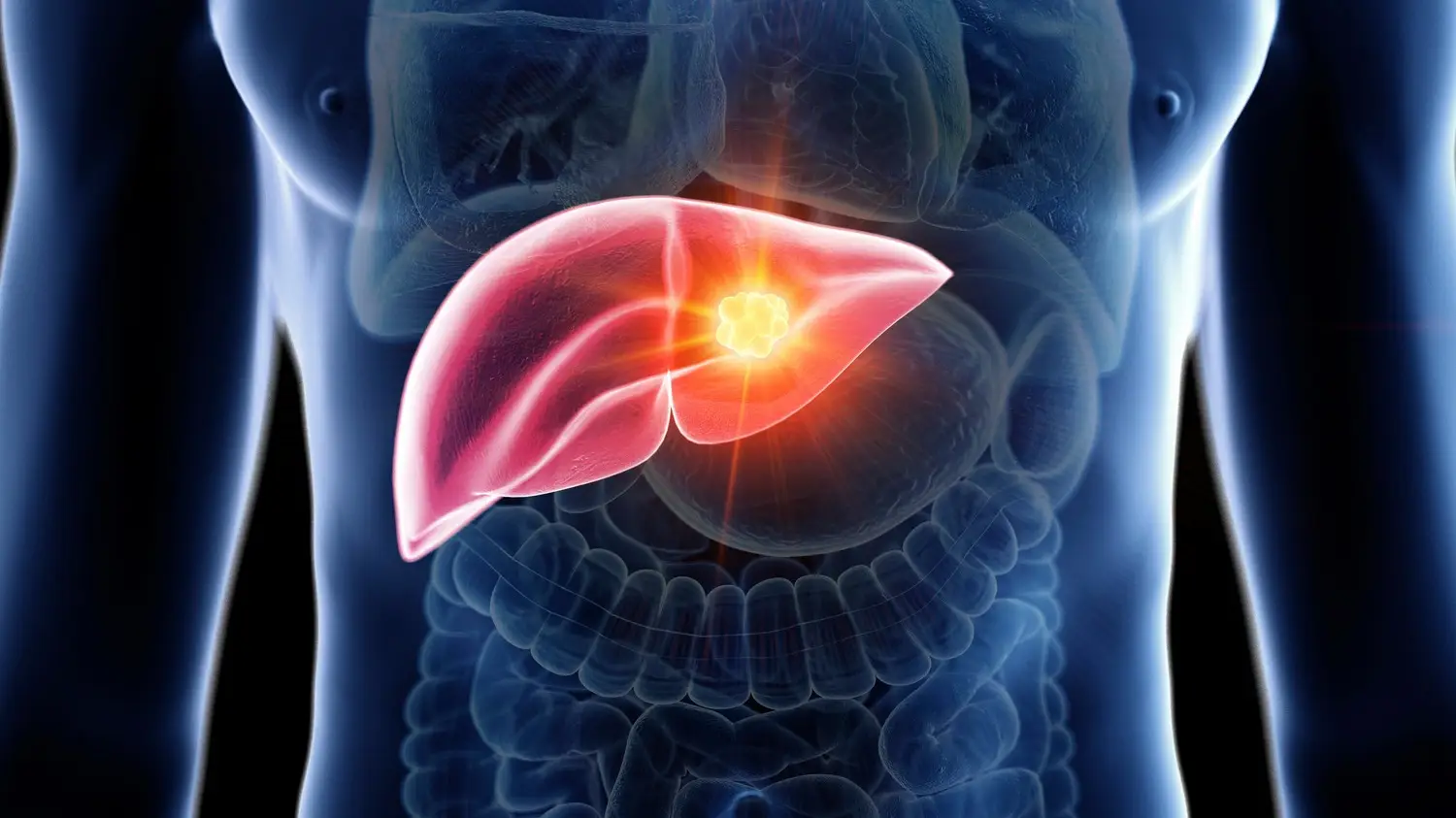
Symptoms of MASLD liver disease as cases predicted to rise to 1.8 billion by 2050

A type of liver disease which impacts people who rarely drink is surging – and could affect nearly 1.8 billion people by 2050.
When it comes to the type of person who's most at risk of developing liver disease, the consensus would be someone who's a heavy drinker. Which is understandable, as the British Liver Trust reveals that excess boozing is responsible for six out of 10 cases of liver disease in the UK.
However, a new study has revealed that one in six people are affected by a type of liver disease unrelated to their alcohol consumption.
Formerly known as non-alcoholic fatty liver disease (NAFLD), metabolic-dysfunction-associated steatotic liver disease (MASLD) is rapidly growing in populations worldwide.
Advert
Here is what you need to know about it.

What is metabolic dysfunction-associated steatotic liver disease (MASLD)?
MASLD is a 'long-lasting' condition which is caused by having too much fat built up in the liver. It's often linked to conditions such as chronic obesity, type 2 diabetes and high blood sugar.
A rise in sedentary lifestyles, which includes minimal physical activity and excessive sitting during waking hours, is also thought to be contributing to the rise of MASLD diagnoses.
According to research conducted by the Global Burden of Disease, published in The Lancet Gastroenterology & Hepatology, around 1.3 billion people worldwide are living with MASLD, which is a 143 percent increase in just three decades.
The research goes on to add that this figure could very well rise to nearly 1.8 billion people by 2050.
What are the symptoms of MASLD?
According to the British Liver Trust, the symptoms associated with MASLD are:
- Tiredness and fatigue
- Feeling generally unwell
- Discomfort on the upper right side of the stomach, where the liver is positioned.

Worryingly, the study notes that MASLD can often develop silently, with most people having no idea they are suffering from the condition until the latter stages or when receiving treatment for another condition.
If left untreated, MASLD can cause a large buildup of fat in the liver, which causes inflammation and scarring.
Late-stage MASLD can lead to cirrhosis - which is when irreversible scarring occurs on the liver - and liver failure.
In some cases, liver cancer can develop.
The researchers involved in the study are now calling for a greater understanding of the condition as well as prevention.

How can you decrease your risk of developing MASLD?
The NHS recommends following a healthy, balanced diet to decrease your risk of developing MASLD, as well as exercising for at least 150 minutes a week and losing weight if you're overweight.
Meanwhile, a study conducted in September last year revealed that GLP-1 medications (such as Mounjaro and Wegovy) show a promising result in treating MASLD.
Topics: Health
 Brenna Cooper