
Difference between cold and flu as worrying super flu spreads across UK

Cold and flu season is officially upon us, but while most of us expect to come down with the festive sniffles this time of year, many people are becoming seriously unwell.
Hospital bosses in England have warned that the number of flu patients has hit a record high for this time of year, in what the NHS has branded 'an unprecedented flu season.'
NHS figures have revealed an average of 1,700 patients in hospital with flu last week, which is 50 percent higher than the same time last year, with the number of hospitalisations climbing this week.
By next week, chief executive Sir Jim Mackey has warned there could be between 5,000 and 8,000 hospital beds being filled by flu patients, ahead of the British Medical Association's five-day walk out as doctors continue to their battle for pay increases, BBC reports.
Advert
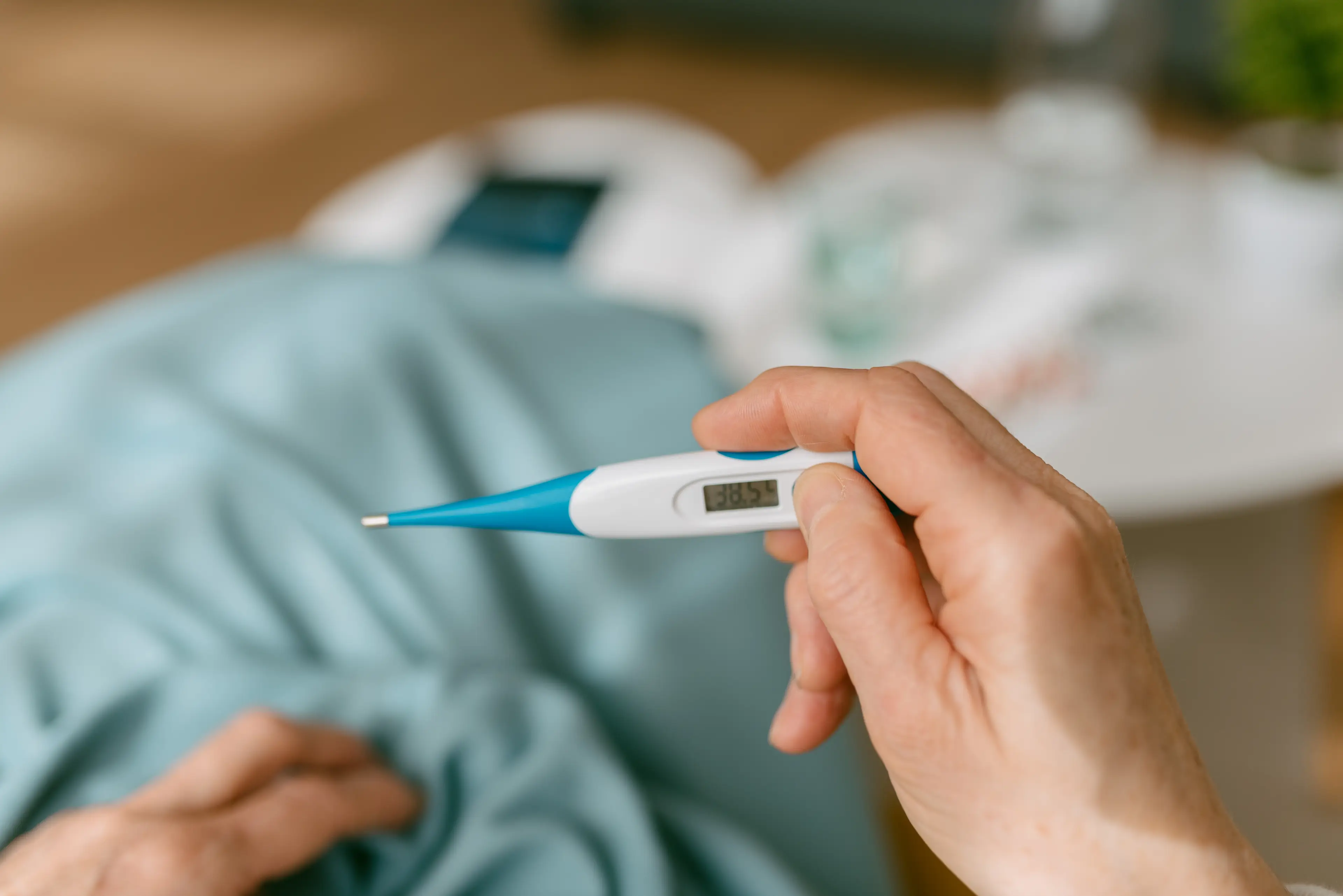
In the midst of the crisis, it is important to know the difference between an ordinary winter cold and the flu, and critically when you should seek help from medical professionals.
What's the difference between a cold and the flu?
Doctor Xand van Tulleken appeared on BBC Morning Live, where he explained the one major difference when it comes to the flu versus a cold, even if you might think they feel similar.
He said that a ‘cold will come on a little more slowly’ and typically hits the upper respiratory tract.
So, you might be experiencing an annoyingly sore throat and be bunged up with snot and nasal congestion.
“But flu will drop you like a sack of bricks. Flu is a different experience,” he said. “A cold you can keep functioning, it’s miserable, it's no fun, but flu can be life-threatening.”

Unlike a cold, the flu tends to come on quite quickly and is a ‘whole systemic illness’.
Dr Tulleken says to be aware of ‘muscle pains, severe muscle soreness, weakness, exhaustion and being short of breath’. The flu can also cause confusion and make any other health conditions you have worse.
“So the big distinction basically,” he added, “flu is the really bad one.”
When to seek medical help for the flu
The flu will usually resolve itself on its own, and the best way to help the natural process is to sleep as much as possible, keep yourself warm and stay hydrated with clear fluids. You can also take paracetamol or ibuprofen to help keep your temperature regulated and soothe any aches and pains.
However, if you find your symptoms difficult to manage, the best thing to do is contact a pharmacist to see what treatment advice they suggest.
In some cases, the flu can make people seriously ill and you should ask for an urgent GP appointment or get help if you’re 65 or over, pregnant, have a long-term medical condition, have a weakened immune system or your symptoms don’t improve after seven days.

You should call 999 or go to A&E if you get sudden chest pain, have difficulty breathing or start coughing up a lot of blood.
NHS 'super flu' warning
Meanwhile, the UK Health Security Agency (UKHSA) are now urging people to don masks while out in public to help prevent the spread of the flu, as well as covid and other illnesses, this winter.
It writes: "As existing guidance states, wearing a well-fitting mask when unwell can reduce the number of particles containing viruses that are released from the mouth and nose of someone who is infected with a respiratory infection.
"Face coverings can also protect the person wearing them from becoming infected with other respiratory viruses."
 Emma Rosemurgey