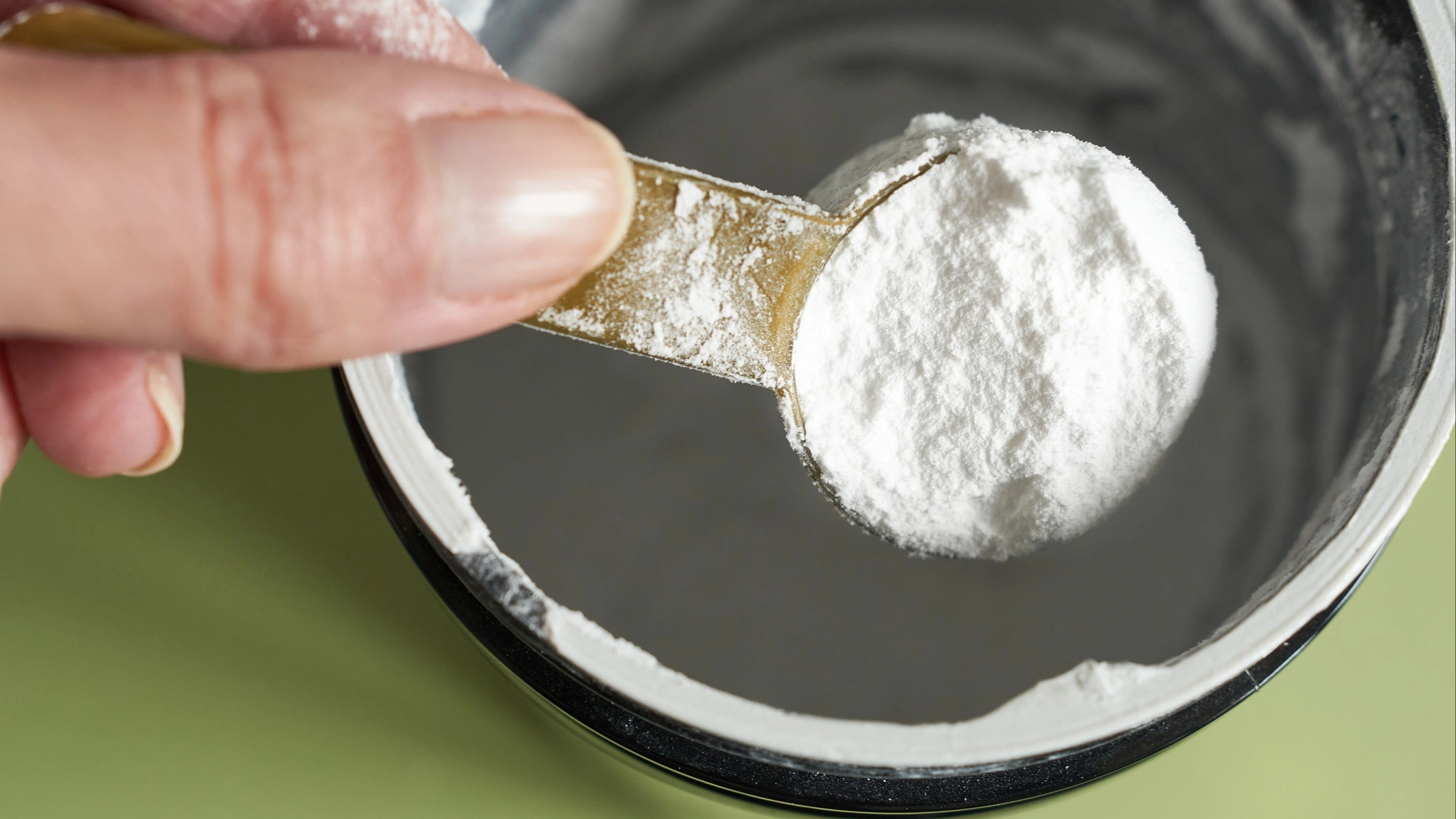
Creatine has surprising brainpower benefits as well as helping gym gains, study finds

Although creatine is best known as a muscle-building supplement, a new study has suggested that it could play a much bigger role when it comes to brain health.
Creatine is a naturally occurring compound found mainly in muscle cells that helps produce energy during heavy gym bro lifting sessions or high-intensity exercise.
A study published in Scientific Reports suggests, however, that a single high dose of creatine may temporarily help the brain cope with sleep deprivation.
Author Ali Gordjinejad noticed that some studies found the supplement to improve working memory in sleep-deprived people.
Advert
But the problem was that the studies assumed people needed to take creatine for weeks or months to see the benefits.
To test out this theory, Gordjinejad recruited 15 participants and gave them either a creatine supplement or a placebo at 6pm.

Their reaction times, memory and thinking speed were tested every two-and-a-half hours until 9am.
Surprisingly, the group who took creatine processed information much faster than the placebo group. Gordjinejad believes this may be because sleep deprivation stresses brain cells, increasing their energy demand.
Creatine helps replenish phosphocreatine — a molecule that acts like a short-term energy reserve for cells.
And when the brain is under pressure, having extra creatine available may help maintain performance.

There were a couple problems though.
Not only was the study small, the participants took 10 times the recommended daily dose of creatine at 35g, which is half a glass full of powder.
This is a very high dose and could cause stomach pain, and may be risky for people with kidney problems.
"It was assumed that the body's uptake of creatine cells is marginal, therefore it wouldn't work for only one night of sleep deprivation – until we did our study," the research scientist at the Forschungszentrum Jülich research centre, in Germany, told the BBC.
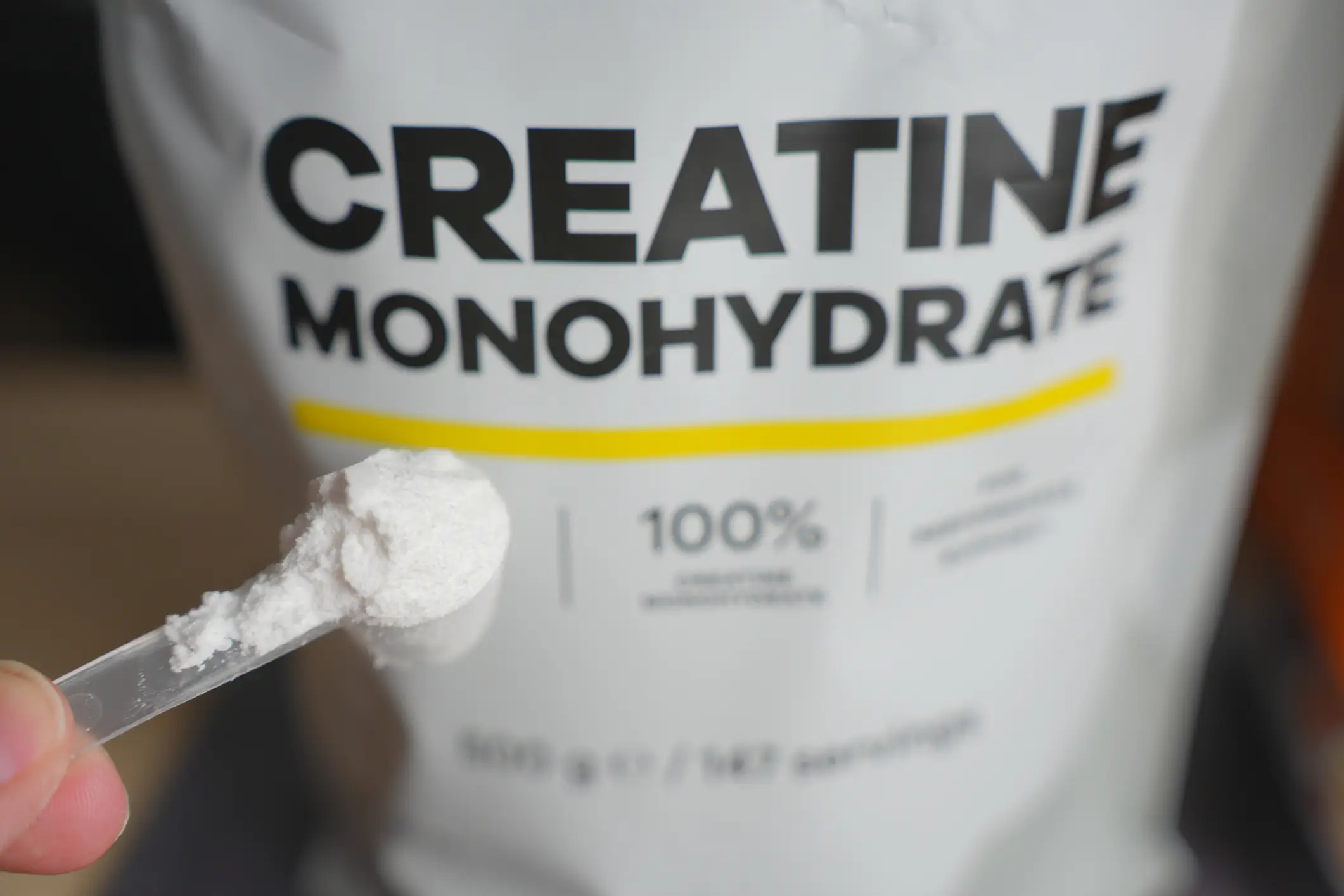
Gordjinejad plans to do a similar trial but with smaller and safer doses that could be used by people who work late such as emergency service staff or shift workers.
While more research is clearly needed to prove sleep deprivation benefits, Scott Forbes, PhD, told Medical News Today that mounting evidence suggests that creatine may also 'reduce inflammation and oxidative stress, which can benefit the brain'.
He said that 'creatine may reduce the risk of depression and anxiety, be neuroprotective against brain injury, and help support brain health and development'.
 Anish Vij