
Doctor shares the main health benefits of creatine as 'ideal dose' revealed

A doctor has revealed the true benefits of creatine, with more people than ever before choosing to take the supplement.
It has long been used by fitness freaks, but as experts have analysed its true effects, we now know more about the compound than ever before.
The 'recommended dose' of creatine has since been revealed, after American golfer Ben Griffin claimed he ‘overdosed’ on the supplement at the BMW Championship.
An adult dose of 3 to 5 grams of creatine daily is generally safe for most people, according to Harvard, though those with kidney disease should consult their doctor first.
Advert
Content creators have also showed off the apparent difference in taking the supplement and avoiding it, when it comes to physique and how it may look in the same t-shirt.

What is creatine?
Creatine is produced from amino acids in organs such as the kidneys, liver, and pancreas.
It is primarily stored in the muscles to provide rapid energy during high-intensity exercise, meaning it is the ideal pre-workout supplement for those looking to push themselves to the max.
It has been proven that most creatine comes from a balanced diet, as it can be found in protein-heavy food such as meat and dairy products, but an additional amount can help people go the extra mile.
Your organs deliver 95 percent of the creatine required to your muscles during physical activity, say Cleveland Clinic, as the rest goes to your heart and brain, as well as other tissues.
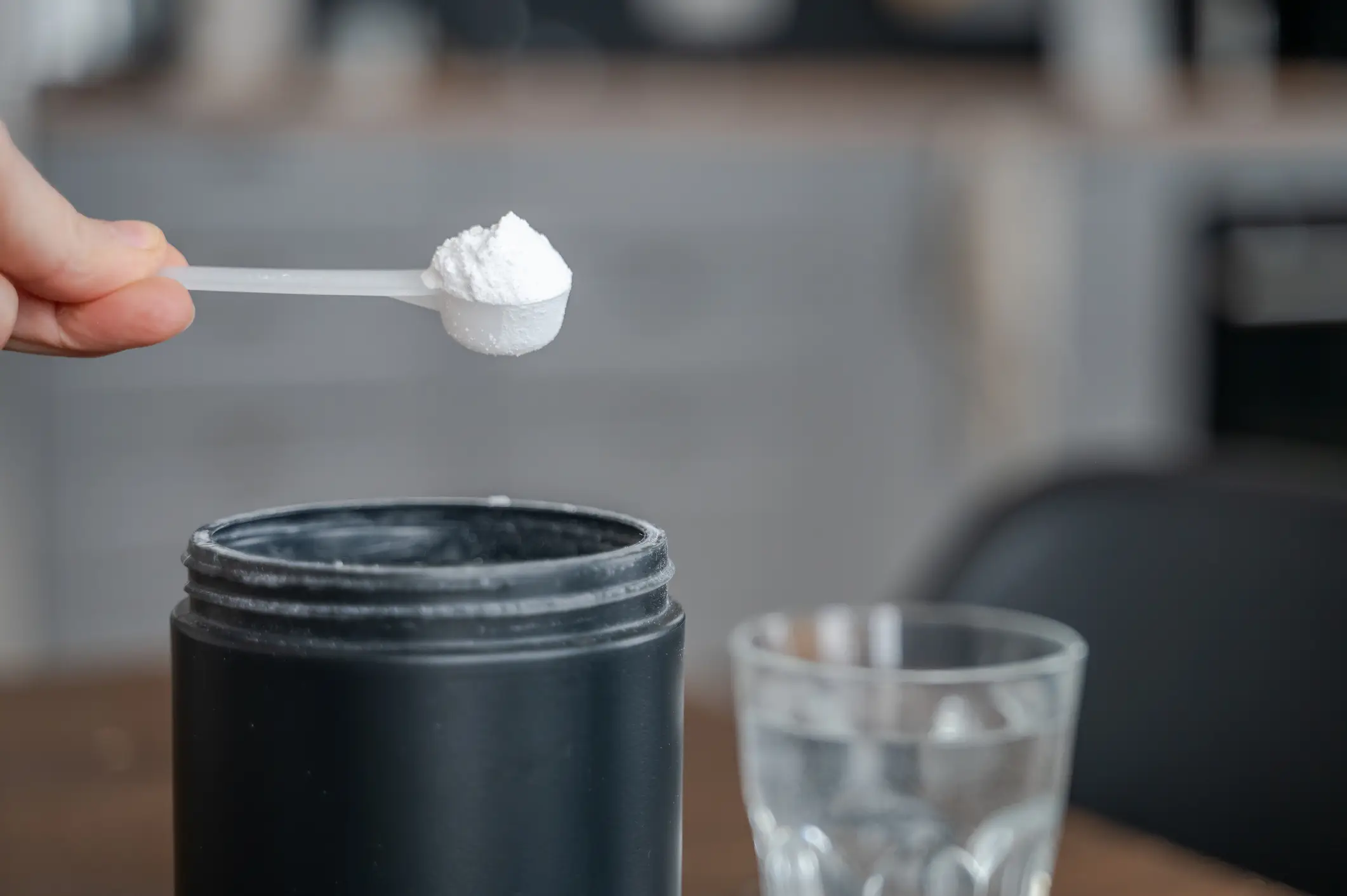
Coming in forms such as liquids, energy bars, tablets and powders, creatine helps to enhance muscle mass and heighten athletic performance.
According to Dr. Rekha Kumar, an endocrinologist at New York-Presbyterian/ Weill Cornell Medical Center, people have become interested in maintaining muscle health in midlife, though the potential benefits of creatine could go beyond the physical.
Health benefits of creatine
The most well-known benefits include the following:
- Improved muscle growth
- Increased strength
- Faster recovery
Those who take creatine alongside their strength training will improve longevity, as having muscle can prevent fractures and frailty.
This also optimises the blood sugar metabolism in your body, as people often don't realise that one of the ways to avoid diabetes is to have lots of muscle, as our muscular tissue uses sugar when it's active.
Studies hint towards the supplement helping to control blood sugar for those with type 2 diabetes, improving brain function, and recovery from concussions.
While these haven't been confirmed, research on possible cognitive benefits is ongoing, as scientists have found that mental fatigue, short-term memory and stress resilience could improve.
Dr. Kumar says that early data points towards memory and metabolic stress benefitting from creatine, though randomised controlled clinical trials are what's needed next to further emphasise what early findings have suggested.
Risks of taking creatine
One 2016 study found that taking creatine alongside more than 300mg per day of caffeine 'was associated with significantly faster progression' of Parkinson's disease, but Harvard Health notes that more research is needed.
While creatine does not have a negative effect for people with healthy kidneys, anyone with existing kidney issues should exercise caution.
People might notice they gain weight when they first start taking creatine, but this is likely just temporary due to their muscles holding more water.
If you're taking too much creatine, you might notice diarrhoea, an upset stomach and more burping, and you might have a headache due to dehydration, according to Men's Health.
Who should take creatine?
Creatine is only beneficial when it is taken alongside strength training, so the doctor listed these groups as people who will benefit from it most:
- Gym goers
- Older adults
- Strength and power athletes
- Perimenopausal and menopausal women
- Vegetarians and vegans, due to having lower baseline stores of creatine
 Joshua Nair