
Metformin user shares side effects she noticed as study discovers surprise impact on brain

A woman who was prescribed Metformin has revealed some of the side effects she experienced from the drug.
Scientists have just made a huge breakthrough while researching how the medication - which is typically used to treat different forms of diabetes - works.
Boffins at the Baylor College of Medicine discovered that it has a surprising impact on the brain that we were previously unaware of.
According to the NHS, Metformin is used to help those with type 2 diabetes and gestational diabetes, as well as to try and prevent type 2 diabetes for those at high risk of developing it.
Advert
The bodies of people who suffer with these conditions don't produce enough insulin, which can cause high blood sugar levels. Metformin helps lower these 'by improving the way your body handles insulin'.
These tablets can also boost fertility for those with polycystic ovary syndrome (PCOS) by encouraging monthly menstruation and lowering the risk of miscarriages, so it's quite multi-faceted as far as medications go.
Researchers at Baylor conducted a study last year which found that the drug has an interesting impact on the brain.
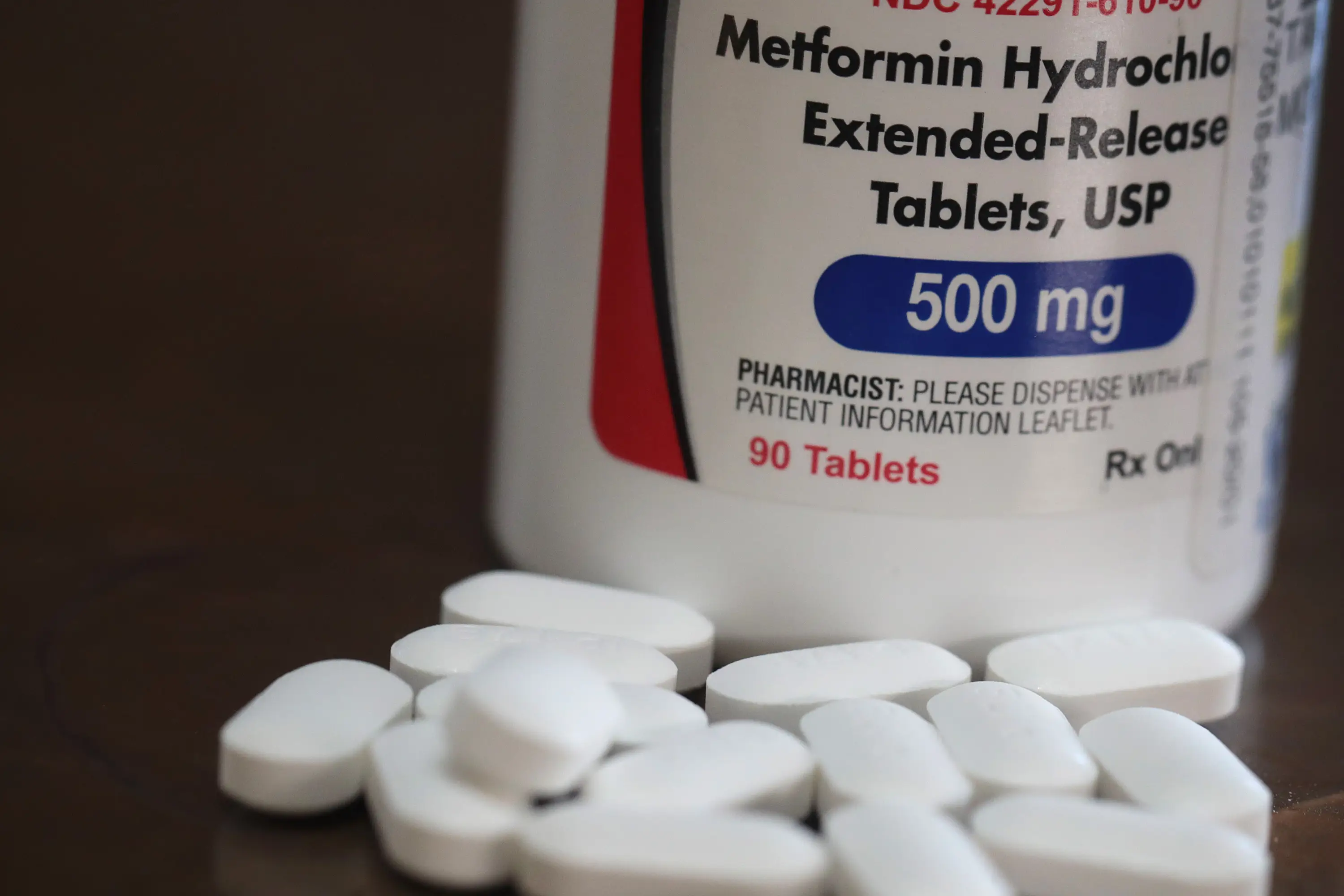
Scientists had previously believed that Metformin acted through the liver or gut, but it turns out it actually unlocks a previously unknown pathway in the brain.
The new study shows that the drug, when taken normally, needs to affect a change in the brain to be able to work properly.
Metformin 'turns off' a protein in the the ventromedial hypothalamus region of the brain known as Rap1, which has an impact on your body's metabolism of glucose.
Dr Makoto Fukuda, Associate Professor of Paediatrics-Nutrition at Baylor said: "These findings open the door to developing new diabetes treatments that directly target this pathway in the brain.
"In addition, metformin is known for other health benefits, such as slowing brain aging. We plan to investigate whether this same brain Rap1 signalling is responsible for other well-documented effects of the drug on the brain."
Although this is a positive, roughly one in 100 people who take metformin can experience some side effects when taking it, according to the NHS.
These include nausea, vomiting, diarrhoea, stomach ache, loss of appetite, a metallic taste in your mouth and even a vitamin B12 deficiency.
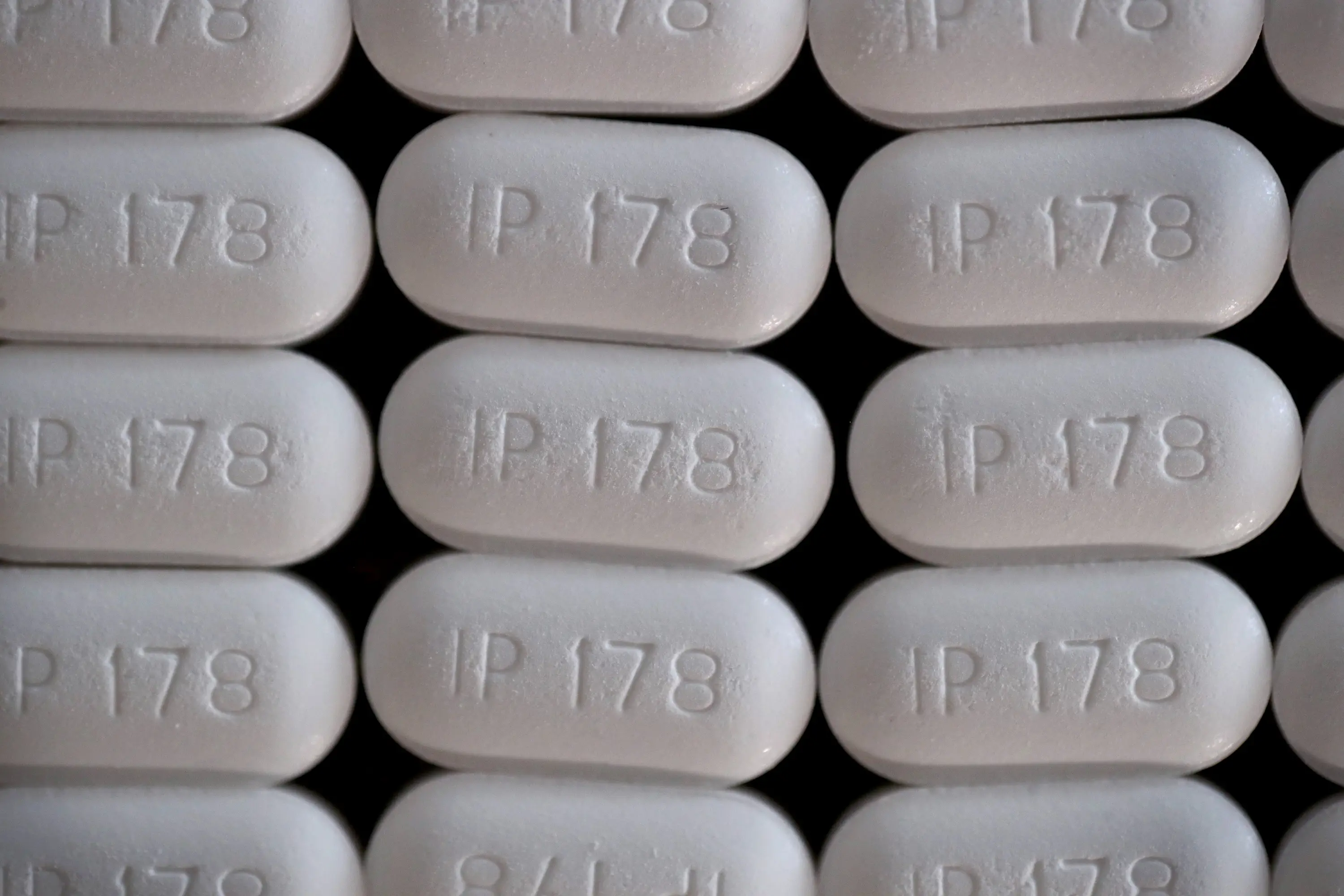
In Mila Clarke's words, starting the drug was 'one of the most awful experiences' of her life, as she was struck down by a host of unfortunate side effects.
In a video shared to YouTube back in 2021, the health journalist and nutritionist shared some of the details of what happened to her when she first started taking it.
She explained that she has latent autoimmune diabetes in adults (LADA), which shares characteristics of both type 1 and type 2 diabetes.
The NHS define this form of diabetes as 'an autoimmune condition where the body's immune system gradually attacks the insulin-producing cells in the pancreas, leading to a slow progression towards insulin dependence', adding: "LADA is often misdiagnosed as type 2 diabetes due to its later onset in adulthood."
Recalling her experience with Metformin, Mila told her more than 61,000 subscribers: "The first day I took a Metformin, for the first few hours, I felt fine.
"About 12 hours later, I was vomiting. My stomach had the most terrible cramps I've ever had - I mean, to be frank and TMI, it was coming out of both ends. It was not good for me.
"It made me never ever ever want to take this medication again. It felt like food poisoning, just completely awful.
"Mind you, I had no warning about these side effects," she said. "I didn't know that this is what it was. It was one of the most awful experiences of my life."
Although she urged people to seek their own medical advice, Mila then explained that she found a way to help manage these side effects.
She suggested taking the drug with food as per the instructions, to ensure it doesn't 'agitate your stomach'.
"Make sure that you eat first, give it some time to settle and then you can take your medication," Mila explained. "It just helps to coat the lining of your stomach. I don't get those crazy stomach gurgles anymore.
"Do not skip doses of your medication - the more regularly you take your medications, the better they're going to work. Skipped doses can bring on all of those side effects again...I've been there.
"Those first few days first few weeks probably feel like hell, but once your body gets used to the medication, you're not going to experience the same side effects."
 Olivia Burke