Key signs that you are overdosing on Vitamin D following warning

You can have too much of a good thing, even when it comes to health supplements.
Cramming your diet with nutrient rich foods is a great way to boost your vitamins and minerals, but over the counter additions are a different ballgame.
One man found out the hard way how exceeding the daily recommended dose of vitamin D can do more harm than good, as overindulging left him with some very unfortunate symptoms that required a brief hospital stint.
So, to avoid ending up in this position yourself, you might want to make a mental note of the key sign that you might have taken your health kick too far.
Advert
A BMJ Case Report explained how you might not realise you have been taking too much vitamin D until it's too late, which is what happened to the aforementioned male patient.
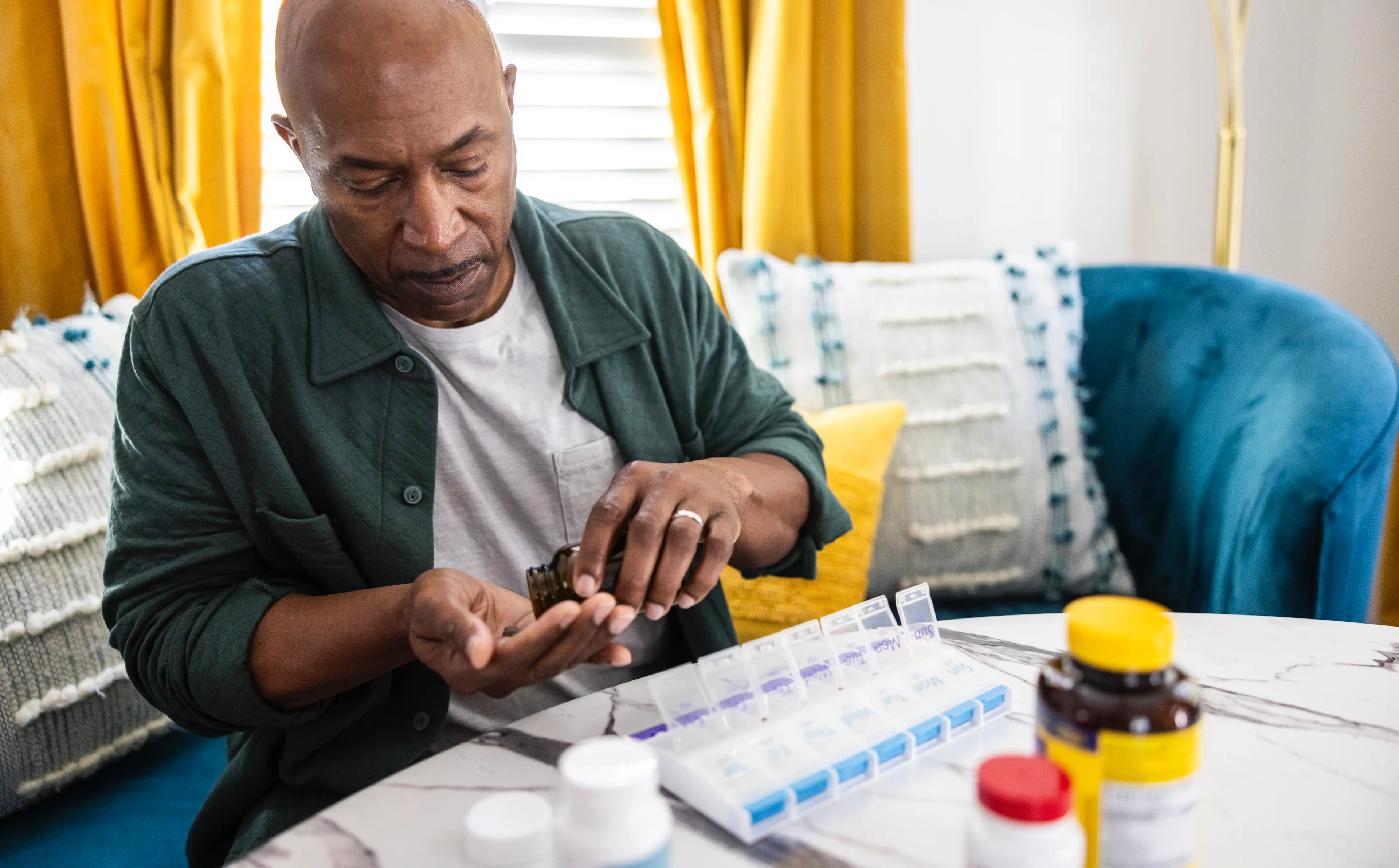
He'd been taking a cocktail over the counter supplements every day, including 150,000 International Units (IU) of vitamin D - and this was way overboard.
The NHS explains that consuming more than 4,000 IU of it a day 'could be harmful', adding that a mere '10 micrograms a day will be enough for most people' who want to uplift their levels of it.
The middle-aged bloke endured symptoms including vomiting, nausea, abdominal pain, leg cramps, tinnitus and weight loss for nearly three months.
He reported that they first began around one month after he started taking a host of supplements to help ease his various health issues on the advice of a nutritional therapist.
The authors of the report explained: "Given its slow turnover (half-life of approximately two months), during which vitamin D toxicity develops, symptoms can last for several weeks."
Even when he stopped taking them, his symptoms persisted. Tests later revealed he had an acute kidney injury, 'very high levels of calcium', and vitamin D levels that were 'seven times over the level required for sufficiency'.
'Overdosing' on vitamin D can lead to a condition called hypercalcaemia, which describes abnormally high calcium levels in the blood.

This is a key indicator that you've taken too much, and there's a few ways that you can spot if you have this.
Signs you are 'overdosing' on vitamin D
According to the North Bristol NHS Trust, there's a handy way you can remember the symptoms too - the mantra 'stones, bones, moans and groans'.
Each of these words gives a brief overview of the impact hypercalcaemia can have on your body, as it can leave you suffering from kidney stones, bone pain/loss or fractures, abdominal issues and even neurological symptoms.
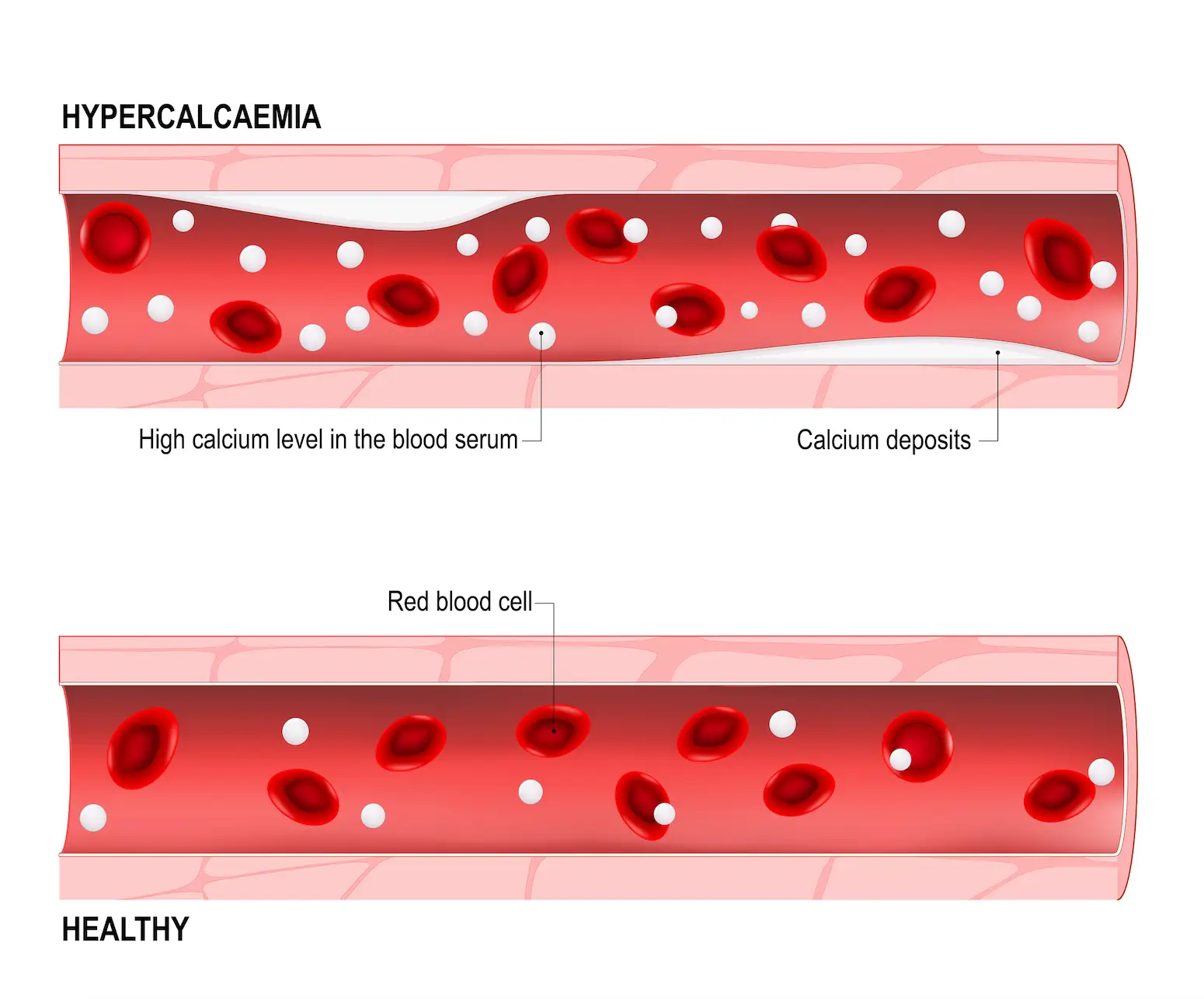
It explains that common signs of the condition include, among others: "Bone pain, fractures, fatigue, muscle weakness, kidney stones, nausea, vomiting, constipation, pancreatitis, depression, confusion and coma."
The man spent eight days in hospital where medics pumped him with intravenous fluids to flush out his system, while he was also given medication to help lower the excessive levels of calcium in his blood.
Two months later, his calcium levels had returned to where they should be - but his vitamin D was 'still abnormally high'.

The NHS reiterates the BMJ report's warnings about the risk of taking too many vitamin D supplements, as it states: "[It] can cause too much calcium to build up in the body (hypercalcaemia).
"This can weaken the bones and damage the kidneys and the heart."
The authors of the report also warned that 'hypervitaminosis D', or vitamin D toxicity, is on the rise and warn it is 'linked to a wide range of potentially serious health issues'.
"Globally, there is a growing trend of hypervitaminosis D, a clinical condition characterised by elevated serum vitamin D3 levels," they wrote, while suggesting women, children and surgical patients are most likely to be affected.
"This case report further highlights the potential toxicity of supplements that are largely considered safe until taken in unsafe amounts or in unsafe combinations."
'Everything in moderation' is a good rule to live by - even when it comes to health supplements.
 Olivia Burke