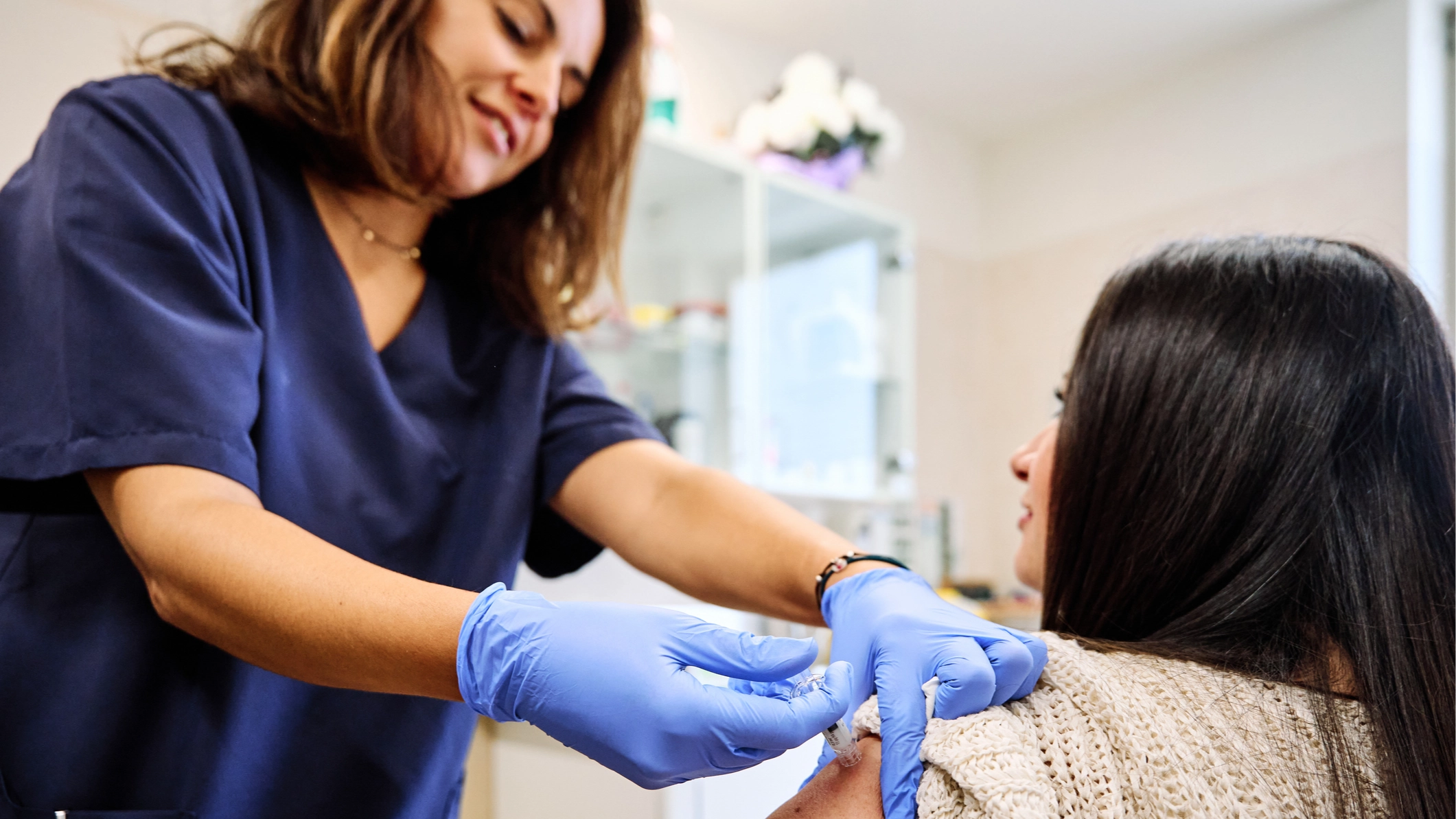
How to get 'super flu' vaccine as thousands hospitalised from new H3N2 strain

Brits are being urged to get a flu vaccination as thousands of people in England are being admitted to hospital every single day with the illness.
It comes after health officials uncovered the new H3N2 'subclade K' strain that is sweeping across the UK, causing the worst flu season in decades.
The UK Health Security Agency (UKHSA) has now recommended wearing the face coverings once again in an effort to help stop the spread of this dangerous new strain.
Meanwhile, the NHS has sent out an' SOS' to the most vulnerable people, urging them to take up the vaccine in a bid to prevent them from becoming seriously ill with the mutated seasonal influenza wreaking havoc on our health care system.
Advert
Even if you don't fall into any of the most vulnerable categories, health experts are encouraging everyone to get the jab in a bid to stem the spread and protect those most at risk.

Who is eligible for a free flu jab?
In the UK, the NHS offers free flu jabs to people deemed most vulnerable, including anyone aged 65 or over, people with certain long-term health conditions, pregnant women, anyone living a care home, people who care for older or disabled people or receive a carer's allowance, or those living with someone from a weakened immune system.
People working on the frontline in health and social care can also get free flu jabs through their employers.
There is now a nasal spray version of the flu vaccine which is being offered to children aged two and three and school ages for free.
Can I get a flu jab if I'm not eligible for a free one?
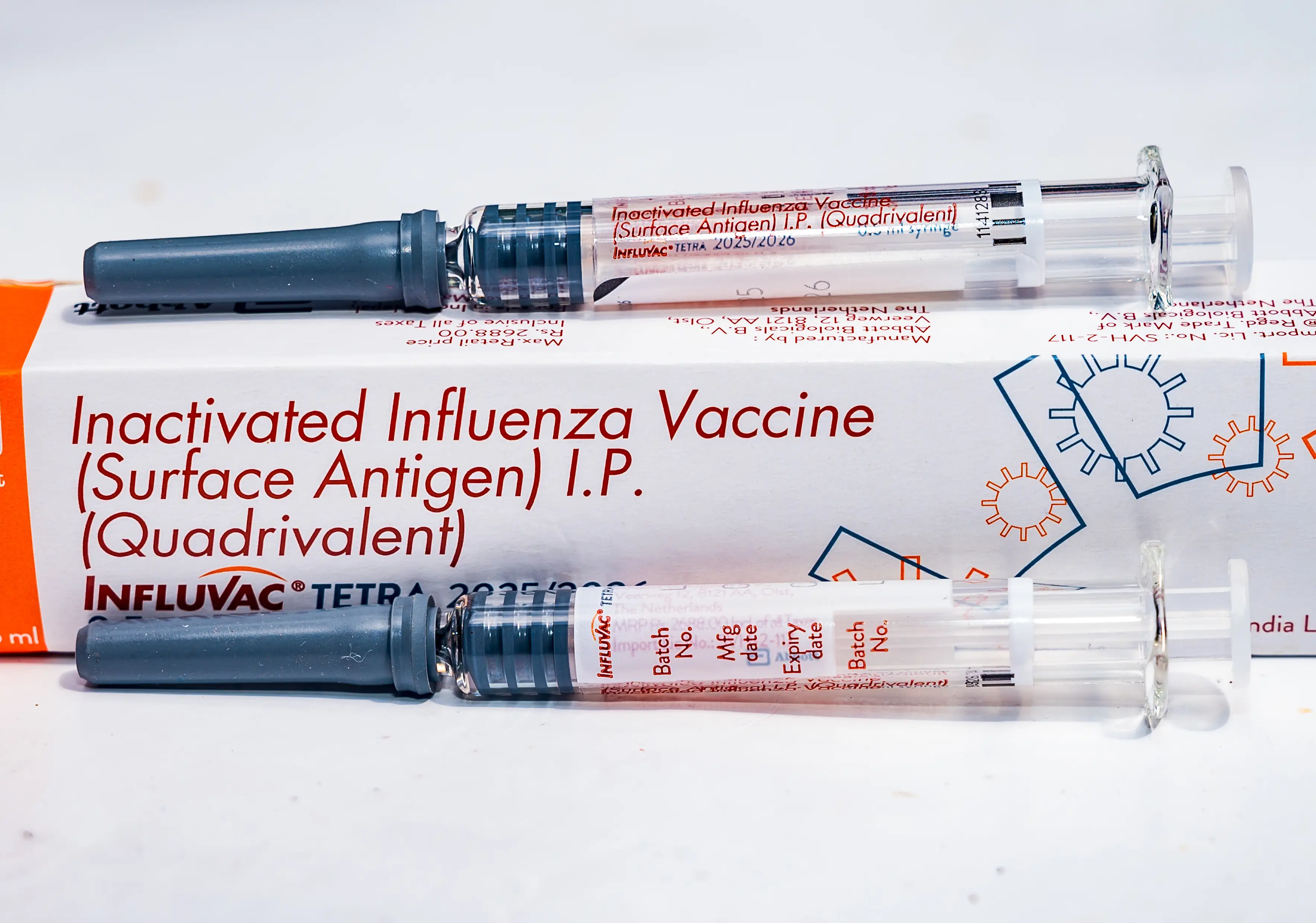
Anyone can get a flu jab, all you need to do is pay for it. You can go into most pharmacies and request a jab, or you can book online at the likes of Boots or Well Pharmacy.
You can pay the pharmacies direct, with most costing between £15 and £20, while some independent pharmacies may offer more competitive rates.
The vaccine will usually take a two weeks to become effective, which is why people are being encouraged to take up the jab as soon as possible, as the virus continues to spread at increasingly rapid rates.
One of the reasons for this could be that flu season started earlier than usual this year, giving the virus longer to spread and mutate, having evolved from the strain that struck people down last year.
 Emma Rosemurgey