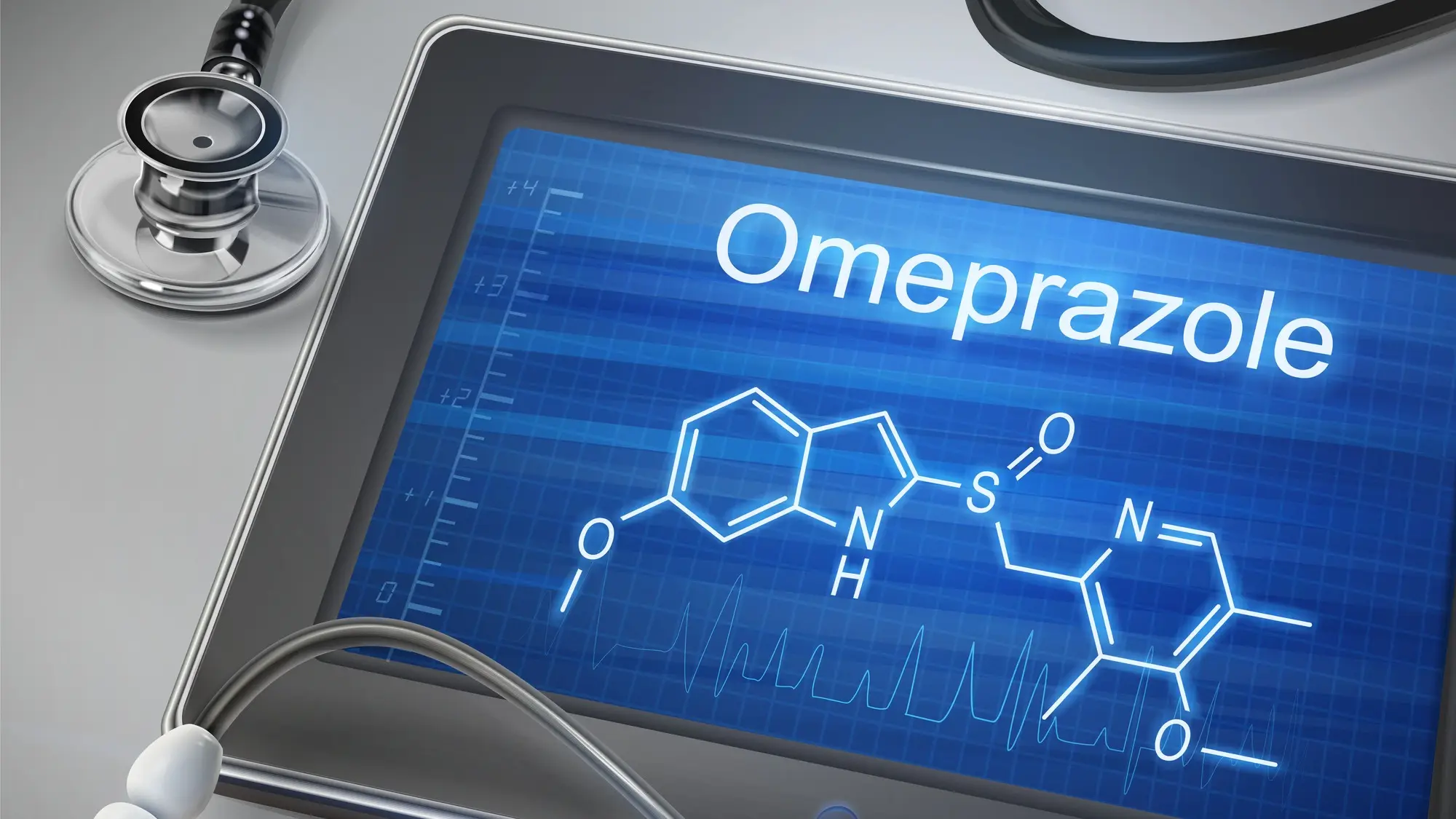
Simulation shows how Omeprazole works as expert issues ‘serious’ side effect warning

Following a 'serious' warning about the potential side-effects, a simulation has helped show how omeprazole really works inside the body.
Over 73 million proton pump inhibitors (PPIs) prescriptions were handed out in England from 2022 to 2023, including 35 million omeprazole prescriptions.
PPI is a type of medicine that reduces the amount of acid your stomach makes, with omeprazole being one of the most commonly used types in Britain.
The NHS recommends that most patients should only use it for short-term use to relieve themselves from indigestion, heartburn, acid reflux symptoms, or to reduce stomach pain.
Advert
Explaining how it works, herbal practitioner Simon Mills told the Diary of a CEO podcast: "And what omeprazole does is shut down the acid production in the stomach. So you don't get as much damage from reflux.
"When we're getting acid reflux, actually, it's not because you got too much acid. is because you're refluxing it. It's going back up into the oesophagus. But omeprazole will put an end to that."
This simulation shows how Omeprazole works:
However, Mills warned that 'the list of problems occurring from long-term omeprazole use is beginning to grow and is serious... All sorts of things are beginning to be downstream problems associated with long-term omeprazole use'.
The long-term side effects of taking omeprazole
According to the NHS, long-term use can lead to:
• An increased risk of developing a gut infection (Clostridium difficile) that causes severe diarrhoea
• An increased risk of broken bones or fractures
• An increased risk of pneumonia
• A drop in magnesium levels, which can cause tiredness, muscle weakness, dizziness, and abnormal heart rhythms
• Gastric and stomach cancers
Mills added: "But the other thing is that once you're on it, it's really difficult to come off it, and you get a famous rebound effect.
"So you come off omeprazole, and wow, you get much more trouble. So the only thing to do is take more omeprazole, and people find it really hard to come off it. So you have to do a lot of hard work to wean people off and do it in sorts of different ways."
The side effects of stopping omeprazole
"Research has found that some people who have been taking PPIs for more than two months find that their body is producing more acid (referred to as rebound acid) to compensate for the acid reducing effects of these medications," the NHS says.
"This can mean that your symptoms can worsen again when trying to stop taking the PPI medication. If this happens to you, it should only be for up to two weeks after stopping the PPI."
They add that occasional symptoms of rebound acid can be managed by 'taking your PPI only when needed or by taking an antacid medicine which can be purchased from your local pharmacy or supermarket'.

The best ways to stop taking omeprazole
The NHS says your GP will usually provide a few different ways to stop your PPI intake:
• Quit cold turkey or when your course has finished
• Only take it when 'you have rebound acid symptoms'.
• Reduce dose gradually
Topics: Health
 Anish Vij