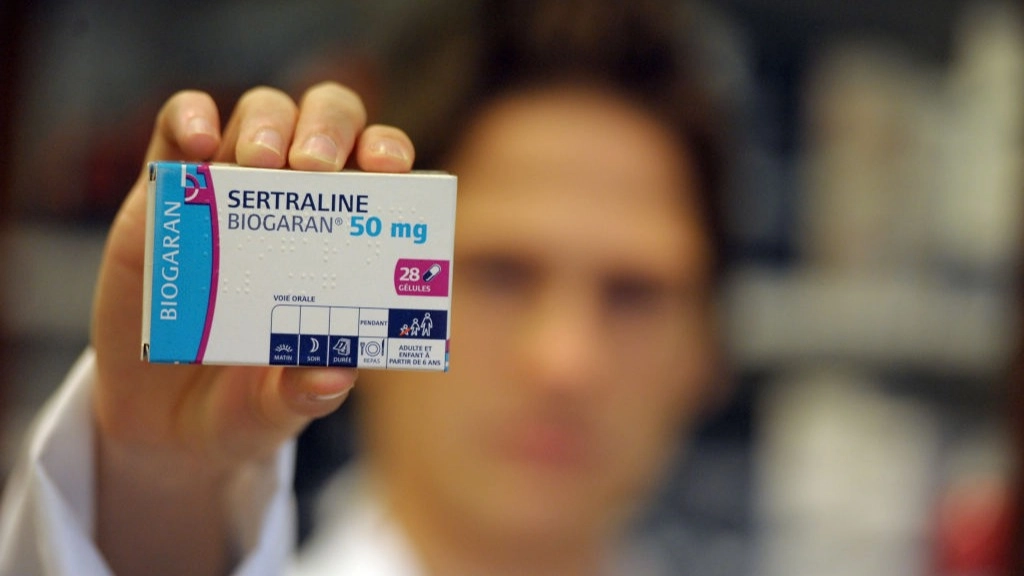
Sertraline's potentially lethal side effect explained following NHS warning

Taking sertraline? Here is the rare but potentially lethal side effect which you need to be aware of.
Part of the Selective Serotonin Reuptake Inhibitor (SSRI) drug family, sertraline is a medication prescribed to treat symptoms of mental health conditions such as depression, anxiety, obsessive-compulsive disorder (OCD), post-traumatic stress disorder (PTSD) and more.
According to recent statistics, roughly 24.4 million sertraline prescriptions were dispensed to patients in the UK across 2024, making it the most commonly prescribed antidepressant for Brits.
The medication works by increasing the level of serotonin, a chemical which is responsible for controlling mood) in the brain, making you feel calmer and happier.
Advert
However, no medication is without the risk of potential side effects, with the NHS outlining all the potential side effects and complications associated with sertraline on its website.
The common side effects of sertraline
Nearly everything you can be prescribed comes with side effects, however not everyone will experience them.
For those who do, the symptoms will typically diminish after a couple of weeks.
The main reported side effects of sertraline are:
- Headaches
- Feeling sick (nausea) and being sick (vomiting)
- Dizziness or drowsiness
- Dry mouth
- Diarrhoea
- Problems sleeping
- Sexual problems, such as low sex drive (loss of libido)
- Weight gain
If you miss a dose of sertraline, it's advised to skip it and then carry on as normal, as doubling up on a dose can lead to more serious side effects. People who take more than one dose of the drug at a time are advised to call 111 and get it sorted out, but some seriously rare things could happen.
Rare complications associated with sertraline
Occasionally, a person might experience more serious side effects while taking sertraline. This requires further consultation with your doctor.
It's unlikely that you'll experience any of the rare and more serious side effects, but it's important to be aware of the signs to look out for.
One such side effect is serotonin syndrome, a rare but potentially life-threatening condition which occurs when there is too much serotonin in the body.
Symptoms of serotonin syndrome include: confusion, irritability, dilated pupils, increased heart rate and blood pressure and headaches.
Severe symptoms of serotonin syndrome include seizures, loss of consciousness and tremors.
If you're feeling any of these symptoms, then you're advised to call 111.
Other rare side effects associated with sertraline include:
- Allergic reaction (anaphylaxis) – causing symptoms such as a swollen throat or tongue, a raised, itchy rash and difficulty breathing
- Feeling very low and having suicidal thoughts
It's also advised to avoid consuming grapefruit while taking SSRI medication, as the citrus fruit can block your body from breaking the medication down.
How to come off sertraline
It's important to always consult with a doctor when it comes to stopping taking drugs such as sertraline, with the NHS saying you should not suddenly stop taking it because it may cause withdrawal symptoms.
A doctor will gradually reduce the dose over several weeks or months if someone wishes to stop using it.
If you're experiencing distressing thoughts and feelings, the Campaign Against Living Miserably (CALM) is there to support you. They're open from 5pm–midnight, 365 days a year. Their national number is 0800 58 58 58 and they also have a webchat service if you're not comfortable talking on the phone.
Topics: Health, Mental Health, NHS, Drugs
 Brenna Cooper