
Sex expert explains truth behind 'Ozempic penis' as she shares reality of weight loss drugs in the bedroom

Sexual health expert Dr Rena Malik has revealed the truth behind the viral rumours of 'Ozempic penis'.
For those of you who aren't too familiar with the side effects of GIP and GLP-1 drugs or keep up to date with the sexual exploits of Jelly Roll and his wife Bunnie Xo, the concept of 'Ozempic penis' may be something which is a little alien to you.
So let me break it down.
One of the reported side effects of taking Ozempic, which is a diabetes drug, or weight loss equivalents, Mounjaro and Wegovy, is the perception of a bigger manhood.
Advert
The phenomenon went viral after Bunnie Xo shared secrets about her bedroom experience with her husband, telling The Howard Stern Show that his appendage now looks 'severely bigger'.
"I will tell you that it is very true that when a man loses weight, it grows a lot," she said.
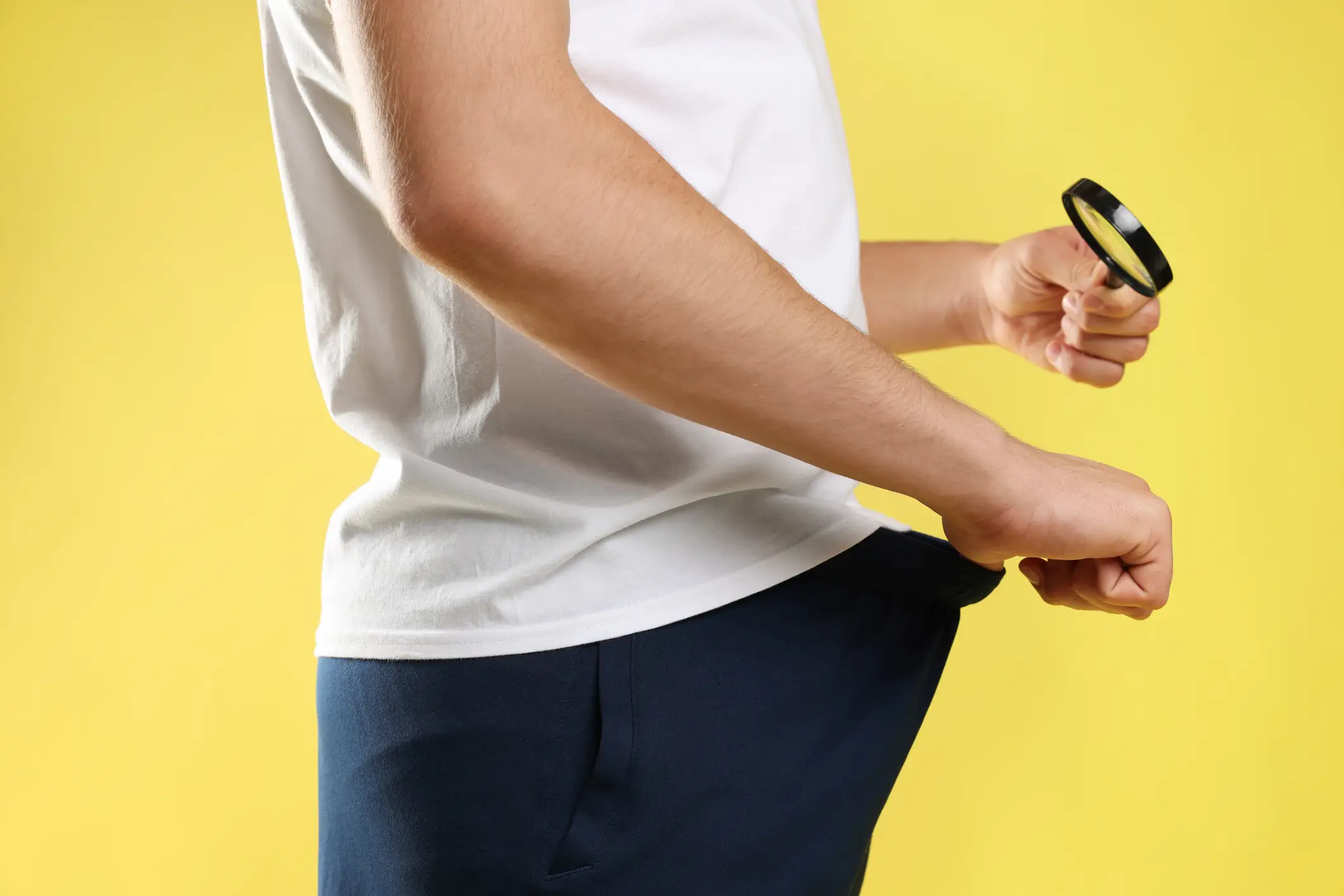
So is she telling the truth? Well, not exactly, but there's a pretty solid reason why many people reported noticing a difference in penis size after using GLP-1 medication.
Dr Malik addressed the rumours during an interview on a recent episode of the Diary of CEO podcast, revealing that perceived changes to the length of the appendage are due to a reduction in the size of the 'fat pad' which sits directly above the groin.
"Now you can see more of your penis," she explained. "It's not actually your penis getting longer. It's that this fat is going down, so now you're seeing more of your penis."
In short, it's not actually getting longer but instead just appears to be growing.
A win is a win, I guess?
Dr Malik also discussed the impact which using GLP-1 drugs can have on your sex life more broadly, revealing there are both positives and potential negatives.
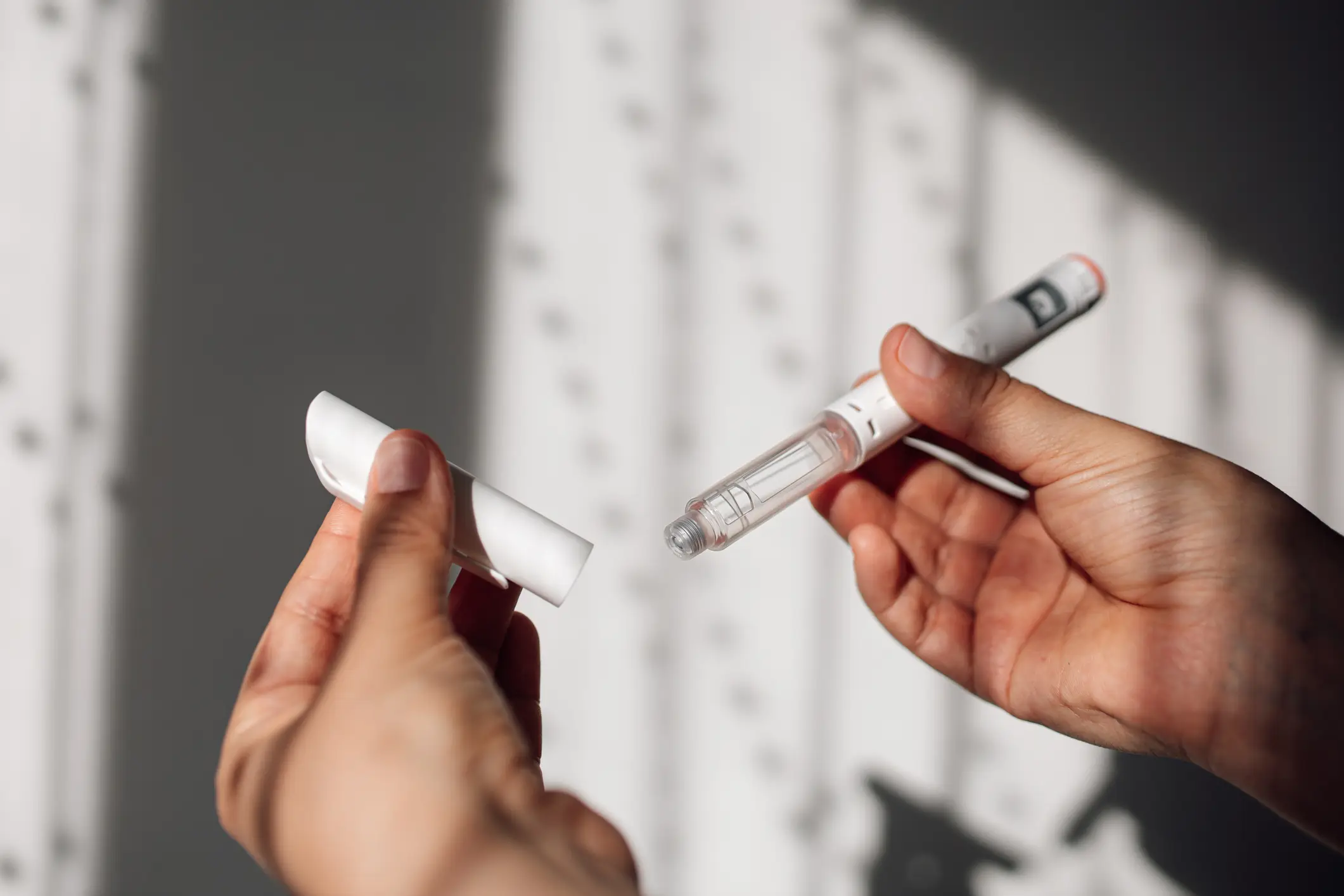
"So the benefits are improvements to metabolic diseases, diabetes, heart disease [and] overall health," Dr Malik began. "So that is going to mean that your blood vessels healhier [and] you're more able to get blood flow to genitals and have stronger sexual function and arousal."
"So that's great," she continued. "The other thing is that you're losing weight, so you feel better."
However, Dr Malik did explain that changes to the brain's reward complex may have an inadvertent effect on your sex life.
"Because it works on the same pathways, there's a theoretical [theory] that it could also decrease desire for sex," she explained. "People might not even realise that their sexual desire is changing."
However, Dr Malik was quick to caution that studies are still in the initial stages. There has also been no direct link established in current clinical trials, however this could change with time.
"If you feel that you have less desire for sex, talk to your doctor because maybe your dose is too high and it needs to come down a bit," she added.
Topics: Sex and Relationships, Ozempic, Health
 Brenna Cooper