Simulation shows squeezing white face bumps is a trap that 'ruins people's faces'

A new video has revealed why pushing down on those pesky white face bumps will do more harm than good.
We all know how irritating it is when you find a fresh spot appearing, especially if you've been staying on top of your skincare routine.
Many believe that the most effective thing to do here is to start poking at your skin, perhaps looking for a way to squeeze all the bad stuff out.
Before you start applying pressure to the spots on your face though, it's important that you figure out what that spot actually is.
Advert
Contrary to popular belief, squeezing particular types of spots can leave your face in a worse condition in the long term, and who wants that?
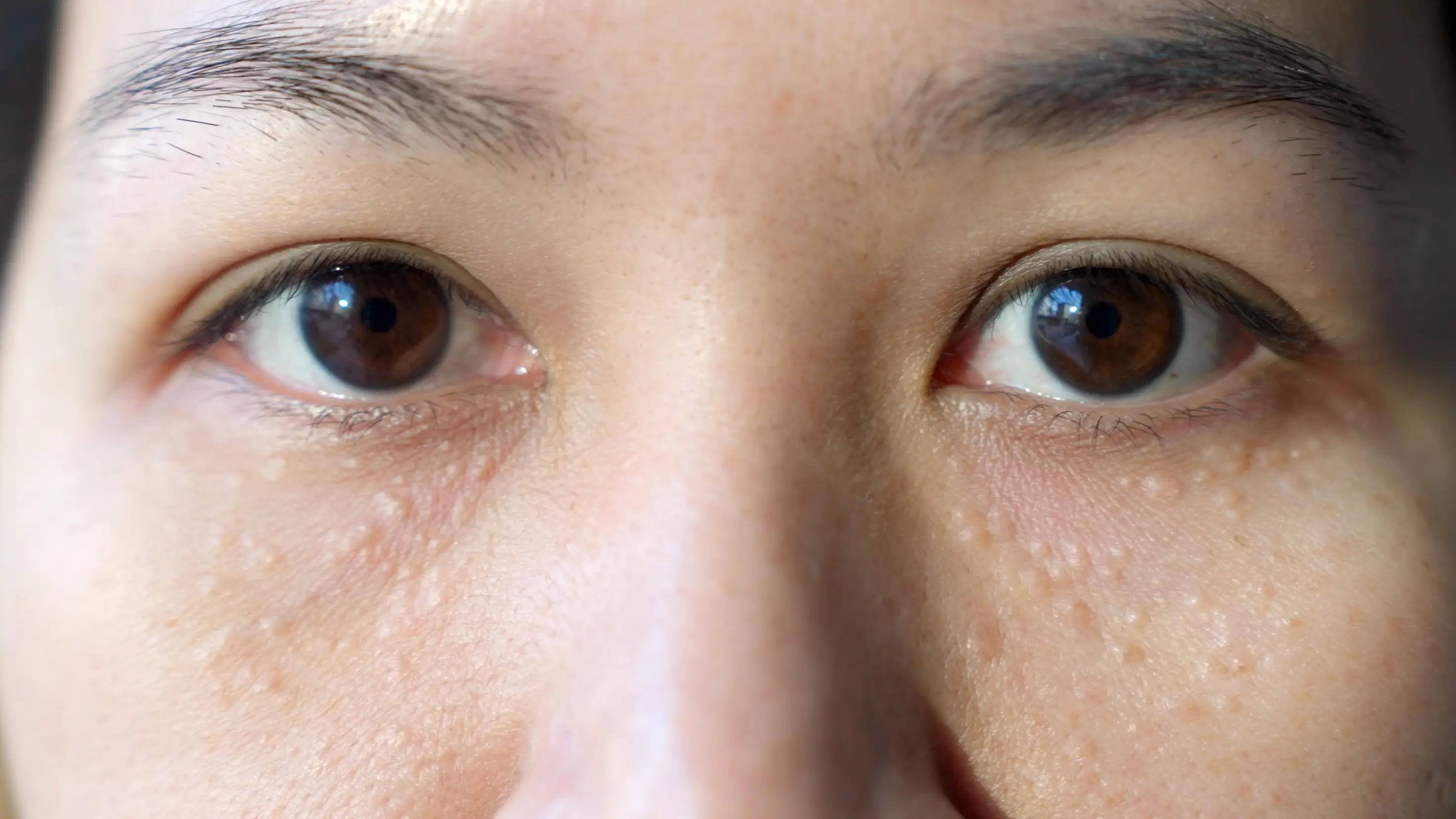
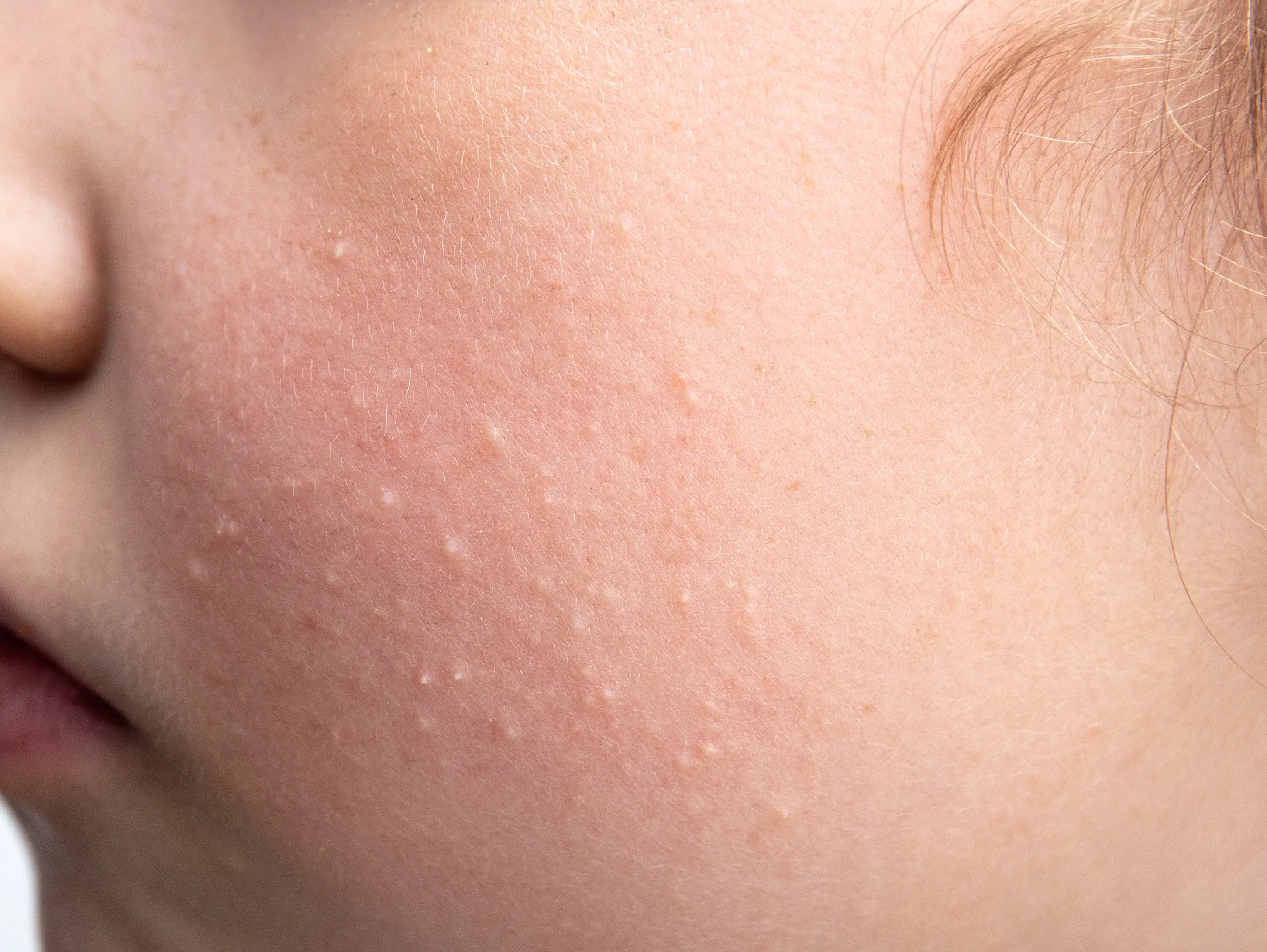
You've probably seen some tiny white spots appear under your eyes, or on your cheeks or forehead - these are called milia, tiny white bumps which some may believe to be small pimples or whiteheads.
What are milia?
According to Cleveland Clinic, milia, also known as milk spots, are small, white cysts on your skin.
These cysts are filled pockets which are under the surface of your skin - they are most commonly found on your face.
However, they are harmless and only affect how you look, despite them being mixed up with whiteheads, a type of acne, which milia are not.
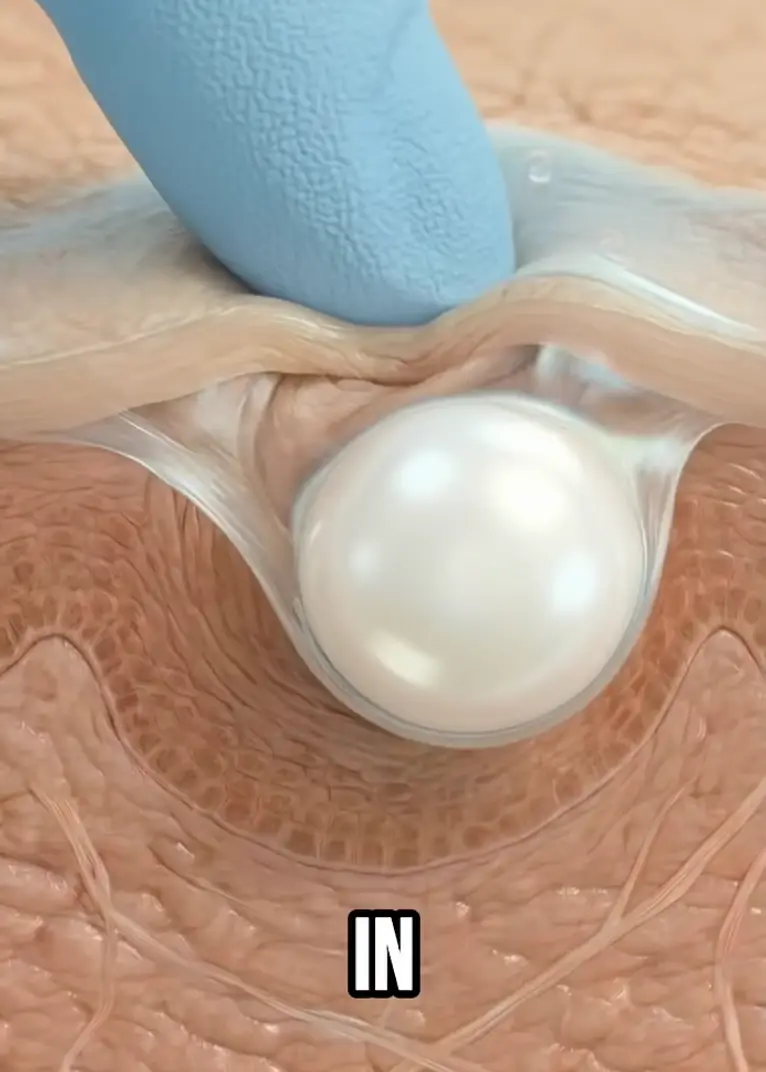
As seen in a simulation by MacroCutaway, they sit beneath our skin, unlike certain types of pimples, and pushing down on them can cause more problems.
They can appear on the genitals in certain situations though, as they form due to dead cells being trapped under the surface of the skin but not to fear, they are not contagious.
Speaking to The Independent, cosmetic dermatologist Dr Nora Jaafar explained: "They form when dead skin cells get trapped instead of shedding properly."
Experts explain that sun exposure, steroid creams and autoimmune responses can lead to the development of the skin condition.
How to treat milia
Getting rid of these irritating white spots isn't as straight forward as treating acne, as that only involves dealing with pores which are blocked by an excess of oil, dirt and dead skin.
Milia sits underneath the skin's surface, meaning they are extremely difficult to extract on your own.
In theory, you could cut into your skin and dig them out but this is highly advised against and it is recommended that you see a health professional for advice on next steps.
According to Cleveland Clinic, there are four possibilities when it comes to treatment:
- The use of over-the-counter adapalene gel or prescription tretinoin cream
- Cryotherapy to freeze the milia in order to remove them
- Surgically removing the milia with the help of health professionals, who can use a needle to puncture and squeeze out the contents of milia
- Using medicated creams or minocycline, an antibiotic, to treat milia
Speaking to Women's Health, dermatologist Joel Schlessinger said: "Picking at them often has little to no effect, and attempting to pop them will likely leave your skin red, irritated, and inflamed, with the milia still intact."
Using an exfoliating acid has also been suggested by experts, with salicylic or glycolic acid known to increase cell turnover.
But patience may be the best solution, as for adults milia will clear up on their own after a few weeks or a couple of months.
Topics: Health
 Joshua Nair