Woman quit drinking caffeine for one week and shared everything that changed

A woman took it upon herself to kick her caffeine habit over the course of a week, noting the changes she noticed in her mind and body.
While many people across the UK start their day with a cup of coffee, an increasing amount seem to be trying to cut caffeine out of their diets.
Several health studies suggest that coffee drinkers actually live longer, as a 2020 study claimed that consuming coffee may be linked to a lower risk of Type 2 diabetes, Parkinson’s disease, cardiovascular conditions and certain cancers.
But trends on social media and moves from celebrities have resulted in people giving caffeine up completely, as the likes of Adele have publicly spoken about the struggles and eventual benefits of doing so.
Advert
The British Coffee Association claims that Brits drinking a total of 98 million cups of coffee per day, though it should be noted that caffeine increases the production of stress hormones such as cortisol, with the NHS advising people who deal with anxiety disorders to reduce their caffeine intake to help manage their symptoms.
Alice Porter admitted to drinking two coffees in the morning, followed by a tea or caffeinated soft drink after the 3pm slump, as part of her reliance on caffeine, in a piece for Women's Health.
She admitted to feeling more anxious and stressed, with friends reporting benefits when they gave caffeine up, such as experiencing better quality sleep.
But when Alice started the week, she noted how much of a difference she felt as the days went by.
Lack of energy
Alice didn't realise how much she looked forward to her first cup of coffee on a Monday, with the switch to decaf not satisfying her low energy levels, explaining the fact that she couldn't do anything about her tiredness.
It wasn't just this though, as she felt worse overall without caffeine, as Sophie Medlin, director and specialist dietitian at CityDietitians, revealed to the publication that there's a 'very strong psychosomatic (mind and body) response to coming off coffee' as you're aware that you're coming off it.
Headaches
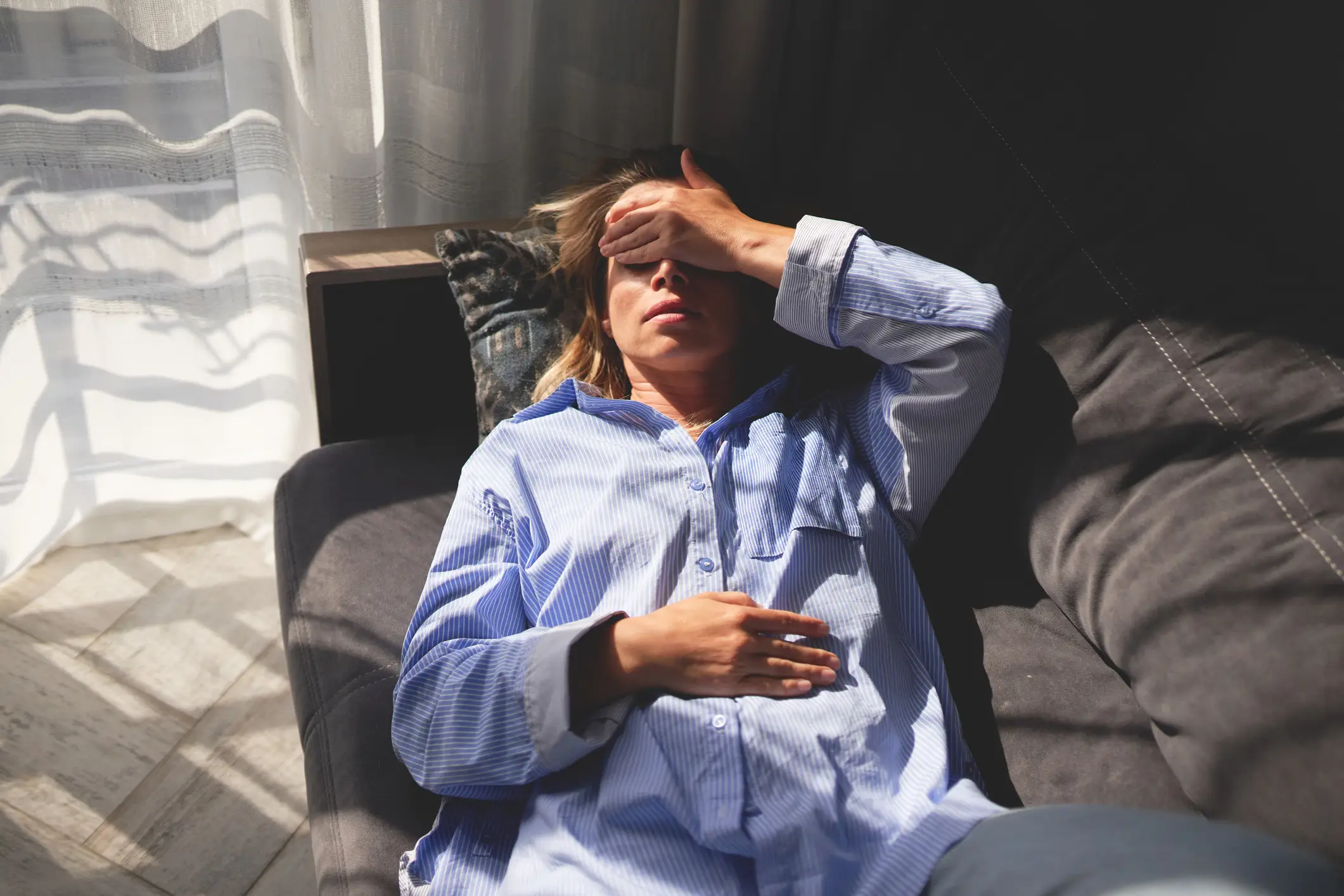
Alice reported some physical effects of quitting caffeine, experiencing a painful headache on Tuesday morning.
Medlin explained: "It's also linked to neurotransmitters such as dopamine and serotonin, which are affected by caffeine so cutting out caffeine can disrupt that balance and contribute to headaches."
This is why it isn't advisable to go cold turkey on caffeine altogether, especially when consuming over three cups a day, with the goal usually to avoid caffeine after 3pm so it doesn't affect sleep and a gradual decrease in intake the smarter path to take.
Bad moods
Alice said that her mood fell off a cliff during her caffeine-free week, as expert Medlin confirmed that both this and irritability are common symptoms of caffeine withdrawal.
Instead of enjoying a Pepsi at lunch, she would instead have a Trip CBD drink, as the purpose of the soft drink was to calm her nerves at work - something that the latter does.
She reported feeling 'less stressed that I usually would' after a soft drink, with the new craze seemingly agreeing with her body.
Another withdrawal symptom which some experience is constipation, due to caffeine being a laxative, with many going through a change in bowel habit when they've cut caffeine out.
One week without caffeine
Reflecting on the caffeine-free period, Alice said that there were positives and negatives, though she'd have to keep going to experience any long-term health effects or withdrawal symptoms.
She said she had less energy slumps throughout the day and while she felt more tired in the mornings, afternoons and evenings felt far more relaxed, while her sleep quality also improved.
Alice also said that coffee helped her understand her own body better, paying more attention to her fluctuating energy level on different days, forcing her to reflect on why that may be.
Looking back, she missed her morning coffees but while she won't stop drinking it completely, she'll avoid indulging the habit on a daily basis, considering a substitute like herbal tea or CBD drinks on certain days.
Topics: Health, Sleep, Food And Drink, Mental Health
 Joshua Nair