Simple at-home test can tell you if you have a heart blockage, surgeon says

A simple test could help to determine whether you have a problem with your heart, a heart surgeon has advised.
When it comes to looking after our health, few things are more important than our heart, as if something goes badly wrong with that it can be very serious indeed, and heart conditions can become a medical emergency very quickly.
Dr Jeremy London is a heart surgeon with 25 years of experience, and shared a simple way that someone can check up on their heart health, without even needing to leave their home.
Of course this is only a quick test, and if you are worried about your health then you should speak to a doctor to explore options to confirm whether there is something wrong.
Advert
Nonetheless, as a way to flag up if you may need to speak to someone, it could be a useful way to check up on yourself.
Lots of things impact heart health, with diet and lifestyle being two huge factors, as regular exercise is important for your heart, and certain foods can also be bad for your heart.
"How can you tell that you may have important blockages of the heart arteries without a single blood test, X-ray, or ECG?" asked Dr London in a video shared to his YouTube channel, @drjeremylondon.
"Well, not surprisingly, you have to listen to your body."
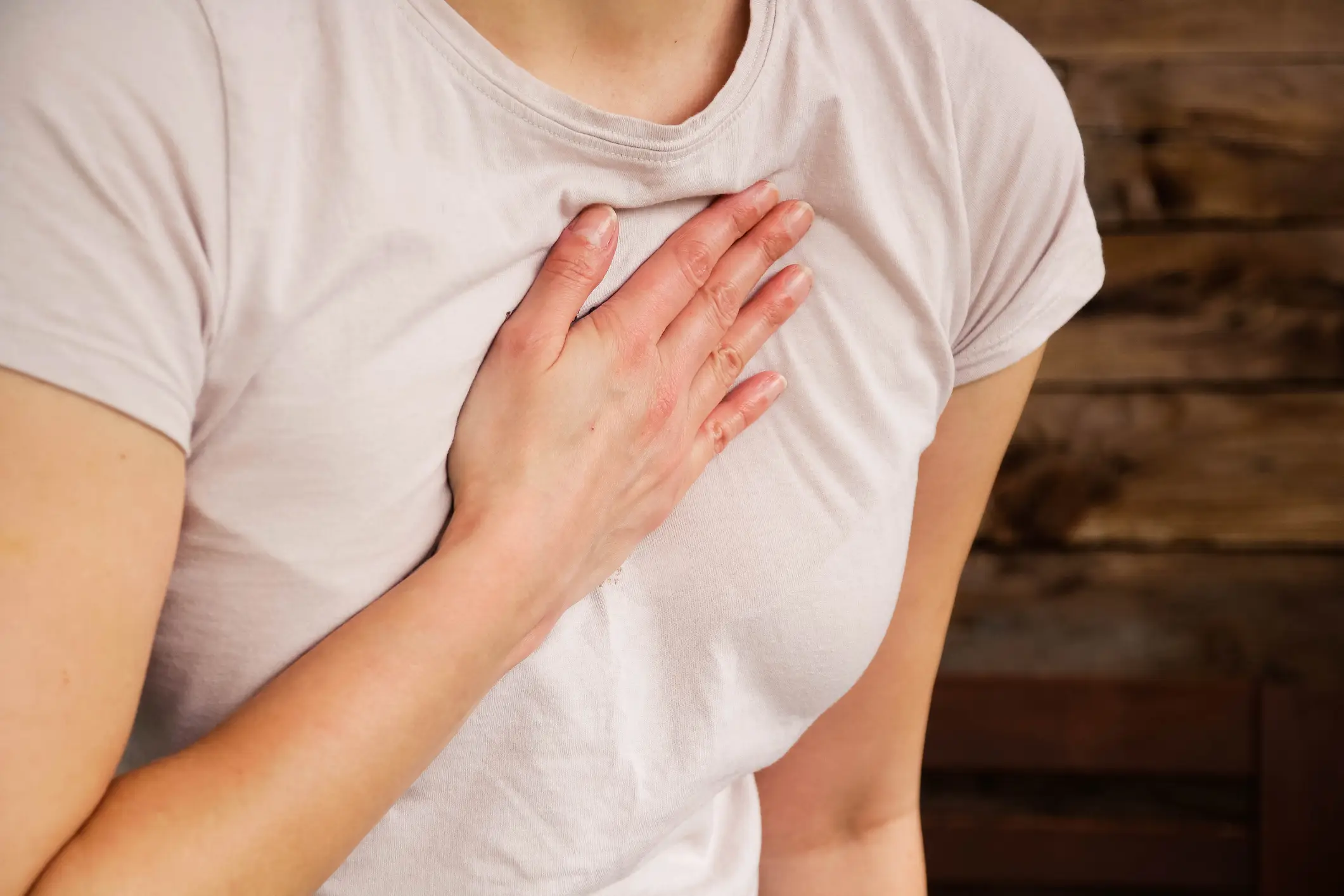
Listing off some 'red flags' to look out for, Dr London warned that chest tightness, chest pain and shortness of breath, could be a worrying sign.
As well as this, if you are suffering from pain which radiates to the jaw or arm with exertion that is relieved with rest, this might also be a sign that your ticker might be in bad shape.
Dr London then explained why these symptoms might suggest the arteries in your heart might be a bit clogged.
"Let's assume for a minute that you have a blockage in the artery of the front of the heart," he said. "When you exert yourself, that area below the blockage is blood starved and you start to have these symptoms.
"When you rest, the demand on this area of the heart goes down and the pain goes away."
This experience is often associated with angina, which is a usually non-life threatening chest pain caused by reduced blood flow to the heart muscles, according to the NHS.
"But it's a warning sign that you could be at risk of a heart attack or stroke," the NHS explains.
It is also a common symptom of coronary heart disease (CHD), which is caused when your coronary arteries become narrowed by fatty material within their walls.
The British Heart Foundation explains: "Over time, a fatty material called atheroma (sometimes known as plaque) can build up inside your coronary arteries. This process is called atherosclerosis.
"Eventually, your arteries may become so narrow that they cannot get enough blood to your heart."
According to the cardiovascular research charity, a lot of people with blocked arteries or atherosclerosis are unaware of it 'until they develop symptoms, such as angina or claudication'.
Dr London added: "Now clearly, not having this situation doesn't mean that you don't have blockages in the heart arteries, but if they are occurring you need to see a qualified healthcare professional."
Like he said - run through the test and you can then check in with your GP if you've got any concerns.
 Olivia Burke