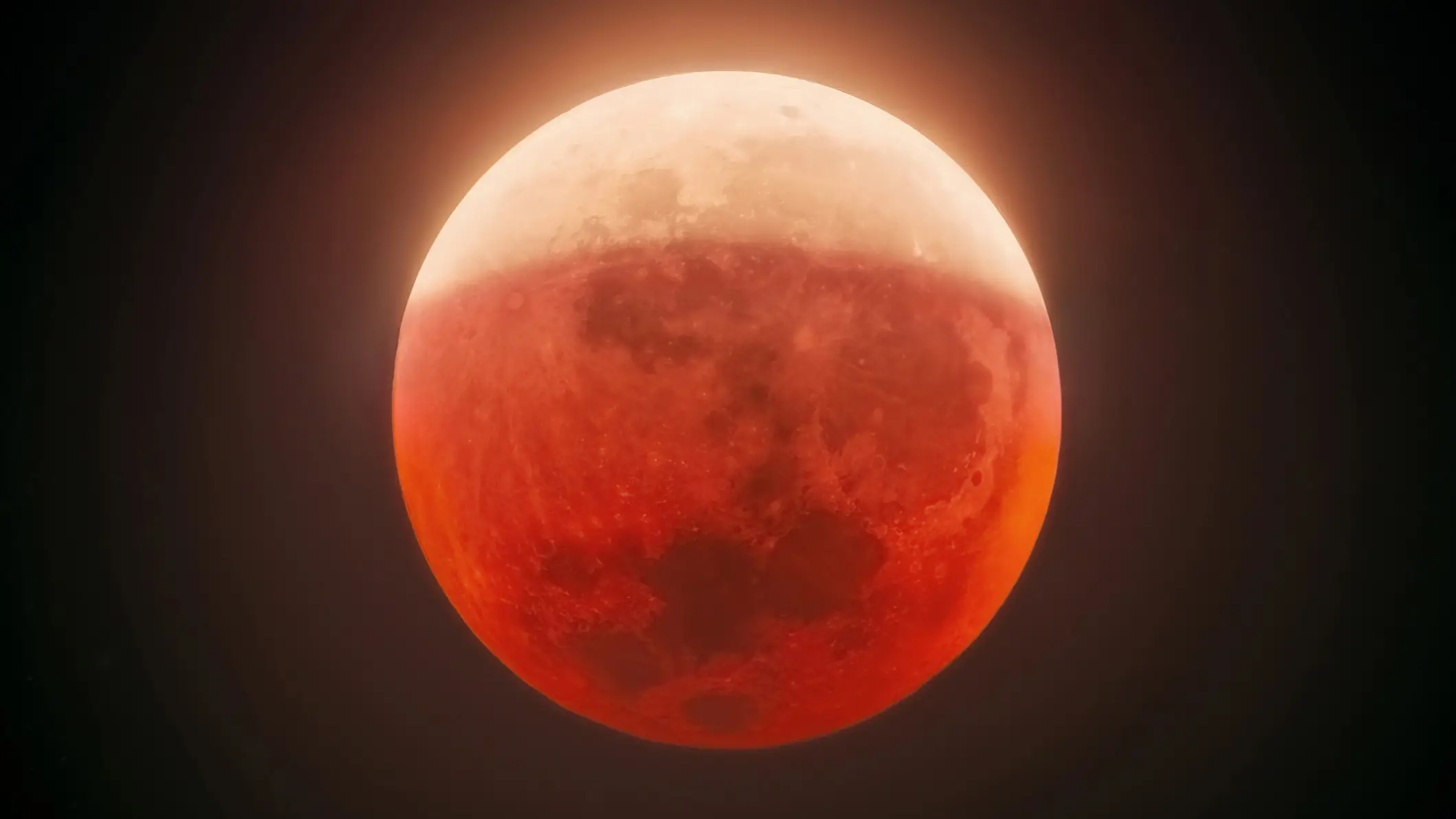
Dramatic ‘blood moon’ will be visible to billions and followed by ultra rare spectacle

Depending on where you live you might be about to see an incredibly rare sight in the sky, followed by another spectacular vision.
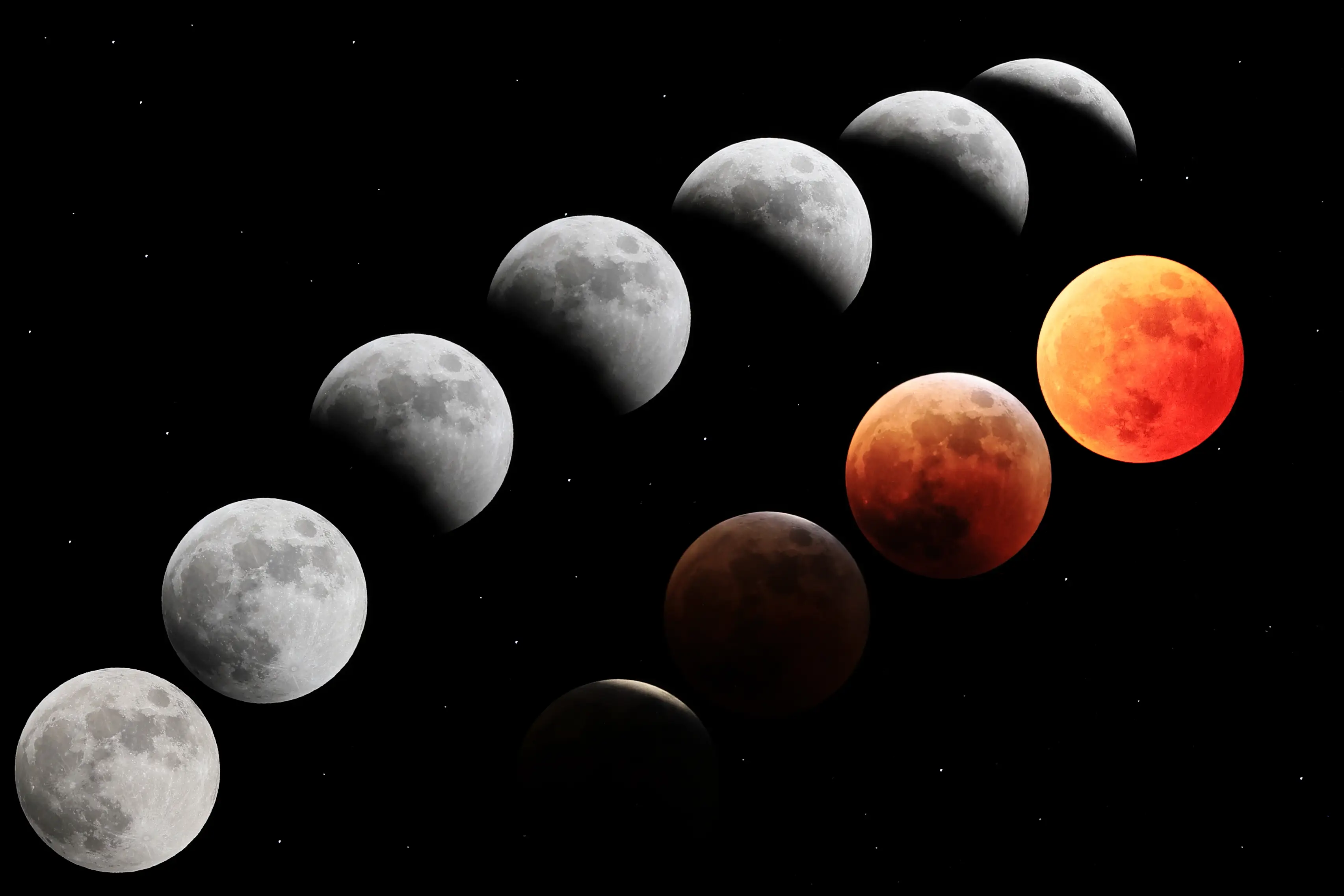
2026 is getting its first lunar eclipse, where the Moon moves into the Earth's shadow and becomes obscured, and this time that pale disk in the night sky will turn blood red.
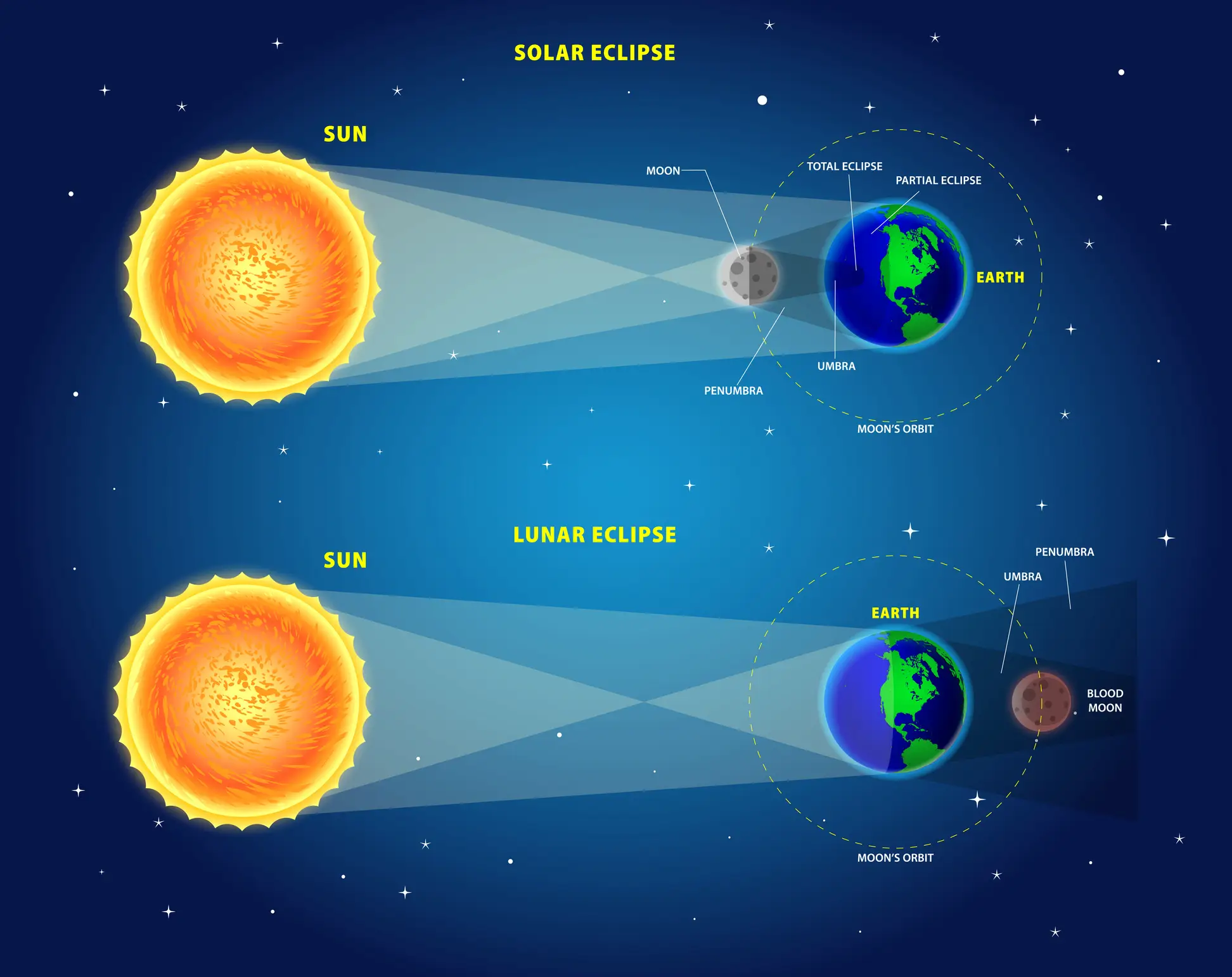
The 'blood moon' is produced as the only light hitting it will have been reflected through the Earth's atmosphere, producing a dramatic effect in the sky.
Space estimates around 2.5 billion people will have a chance to see this phenomenon, and it'll be the last chance to see one until late into 2028.
Advert
North America, Australia and the Pacific will have the best view of it, though the exact time of visibility will vary depending on where exactly you are over the next couple of days.
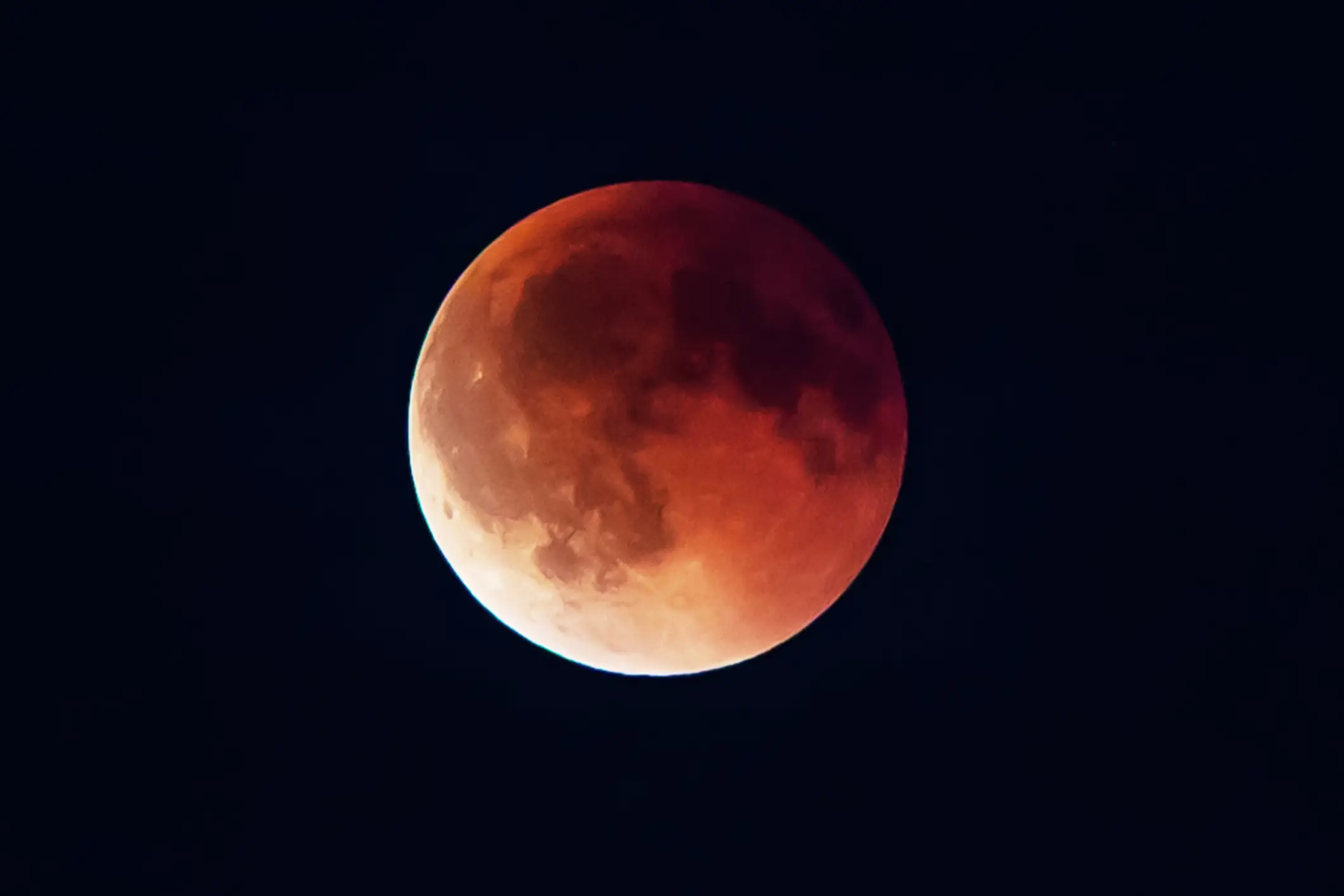
A lunar eclipse is safe to watch with the naked eye since you're just looking at the Moon, which is not the case for a solar eclipse that requires eye protection to avoid serious damage.
What will follow the 'blood moon' is very rare and it's a phenomenon called a 'selenelion', which is where a lunar eclipse and the Sun are both visible in the sky at the same time.
At around sunrise tomorrow (3 March) for people living on the US east coast they'll be able to see both the eclipsed Moon and the rising Sun, which is only possible due to something called 'atmospheric refraction' where the bending of light makes objects in the sky seem higher than they are.
Getting a good view will require getting up early in the morning and finding a decent high spot where you can view the horizons to the east and west so you can observe both the rising Sun (remember your eye protection) and the eclipsed Moon in the same sky for a brief moment.
While billions will be able to watch the total lunar eclipse, only a few will have the chance to see the selenelion, and the window of opportunity to see it is just a matter of minutes.
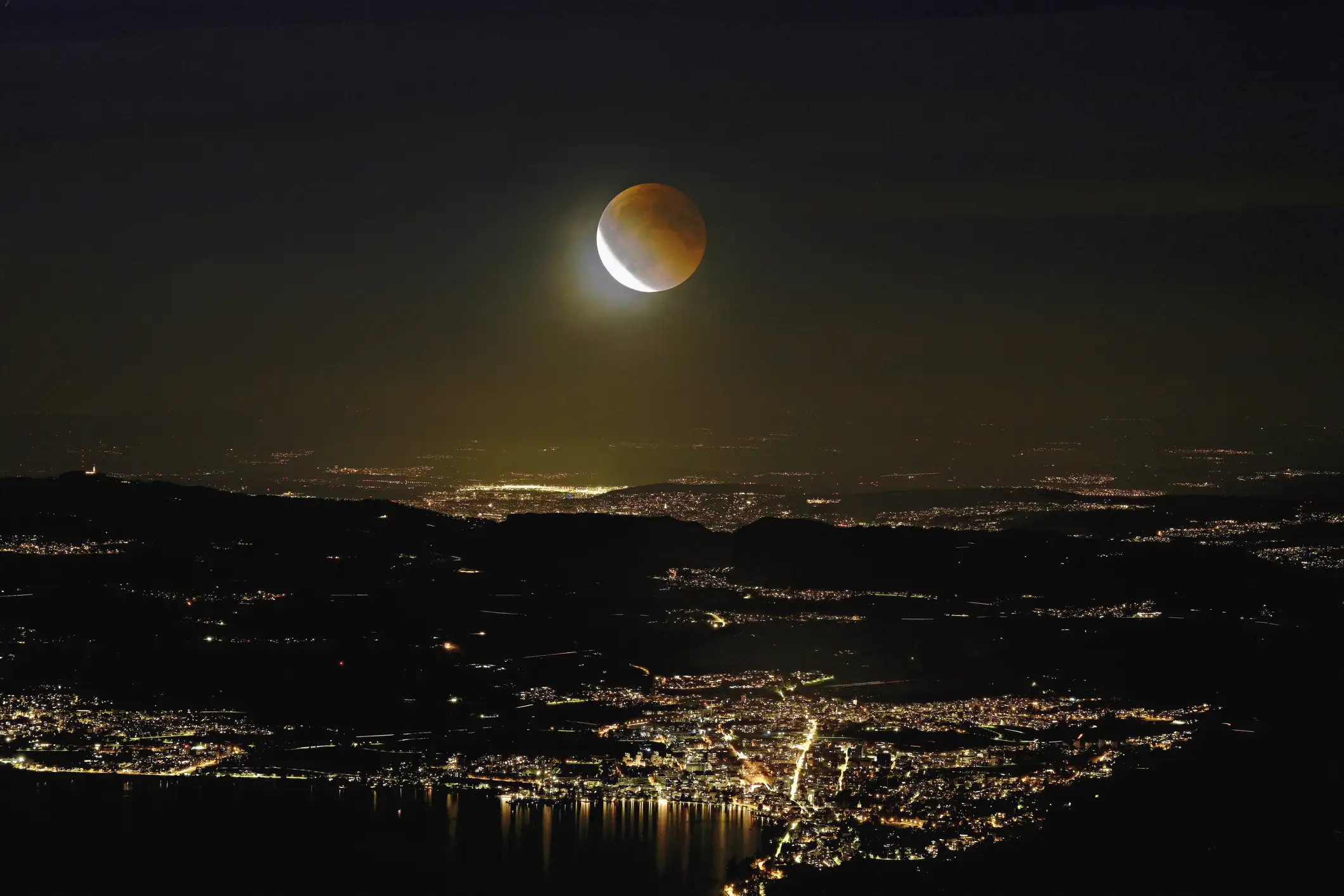
Total lunar eclipse: what you need to know
What are the exact times you’ll be able to see the Blood Moon Total Lunar Eclipse?
This isn’t the kind of thing you can just catch next time, so here are the exact times you’ll be able to see it, depending on where you are in the US:
- Eastern Time: 6:04-7:02 a.m. EST
- Central Time: 5:04-6:02 a.m. CST
- Mountain Time: 4:04-5:02 a.m. MST
- Pacific Time: 3:04-4:02 a.m. PST
- Alaska Time: 2:04-3:02 a.m. AKST
- Hawaii Standard Time: 1:04-2:02 a.m. HST
What are the seven stages of the lunar eclipse?
An eclipse doesn't just happen, and during the event, the moon actually goes through five stages. As per Astrid Trails, those stages are:
- Penumbral eclipse begins: This begins when the penumbral part of Earth's shadow starts moving over the Moon, but it is not easily seen by the naked eye.
- Partial eclipse begins (1st contact): The Moon becomes visible over the Sun's disk, not completely, but just a slither.
- Total eclipse begins (2nd contact): The Moon covers the entire disk of the Sun.
- Totality and maximum eclipse: The Moon completely covers the disk of the Sun. Only the Sun's corona is visible, and it's the most dramatic stage of a total solar eclipse. The sky goes dark, temperatures can sometimes fall, and wildlife often go quiet.
- Total eclipse ends (3rd contact): The Moon starts moving away, and the Sun reappears.
- Partial eclipse ends (4th contact): The eclipse ends as the Moon leaves the Sun's disk.
- Penumbral eclipse ends: At this point, the eclipse ends, and Earth's shadow completely moves away from the Moon.
Do you need to wear protective eyewear?
Unlike a solar eclipse, you don't actually need to wear any protective eyewear for this super rare Blood Moon Total Lunar Eclipse - quite the mouthful, isn't it? You watch on with the naked eye, and it will cause no harm to your vision. The reason being a lunar eclipse is simply reflected sunlight fading and reddening, unlike a solar eclipse, because with that, the dimness of the moon gives you the chance to stare directly at the sun, letting the infrared and ultraviolet radiation damage your poor retinas.
Can I see the Blood Moon if I'm not in the US?
The short answer is yes, at least depending on where you are in the world. If you're in Australia or parts of Asia, you'll be able to see it later on 3 March in the evening or 4 March just after midnight in New Zealand. Here's the full list of times for those outside the US:
- Auckland, New Zealand (NZDT): 12:04-1:02 a.m., Wednesday, 4 March
- Sydney, Australia (AEDT): 10:04-11:02 p.m., Tuesday, 3 March
- Brisbane, Australia (AEST): 9:04-10:02 p.m., Tuesday, 3 March
- Adelaide, Australia (ACDT): 9:34-10:32 p.m., Tuesday, 3 March
- Darwin, Australia: 8:34-9:32 p.m., Tuesday, 3 March
- Perth, Australia: 7:04-8:02 p.m., Tuesday, 3 March
- Tokyo, Japan (JST): 8:04-9:02 p.m., Tuesday, 3 March
- Seoul, South Korea (KST): 8:04-9:02 p.m., Tuesday, 3 March
- Beijing, China (CST): 7:04-8:02 p.m., Tuesday, 3 March
- Hong Kong (HKT): 7:04-8:02 p.m., Tuesday, 3 March
Topics: Space, Science, World News
 Joe Harker