
Key symptoms of bowel cancer in young people as important signs often ignored

The deaths of celebrities such as James Van Der Beek and Chadwick Boseman in recent years have served to shine a light on the alarming number of colon cancer cases across the world.
Bowel cancer is one of the fastest growing cancers in the world right now, particularly with people under the age of 50, as many young people can have their symptoms dismissed as something less serious such as IBD.
It's not known for sure what is causing this growth in cases, the concerning amount of ultra-processed foods in our diets has long been thought to be a factor.
So, if you have noticed some changes when going to the toilet, it's always worth speaking to a doctor about it, because the symptoms are only likely to get worse if left untreated.
Advert
There has been a 50 percent increase in cases since the mid 1990s with over 2,400 to 2,600 new cases diagnosed annually in the UK, according to Bowel Cancer UK. It is now the second biggest cancer killer in Britain.
The UK's leading bowel cancer charity said that a 2020 report showed that 50 percent of 'younger people surveyed didn’t know that they could develop the disease before their diagnosis'.
According to the NHS, symptoms of bowel cancer may include:
· Changes in your pooing habits
· Bleeding from your bottom
· Feeling like you need to poo even if you've just been to the toilet

· Tummy pain
· A lump in your tummy
· Bloating
· Losing weight without trying
· Feeling very tired for no reason
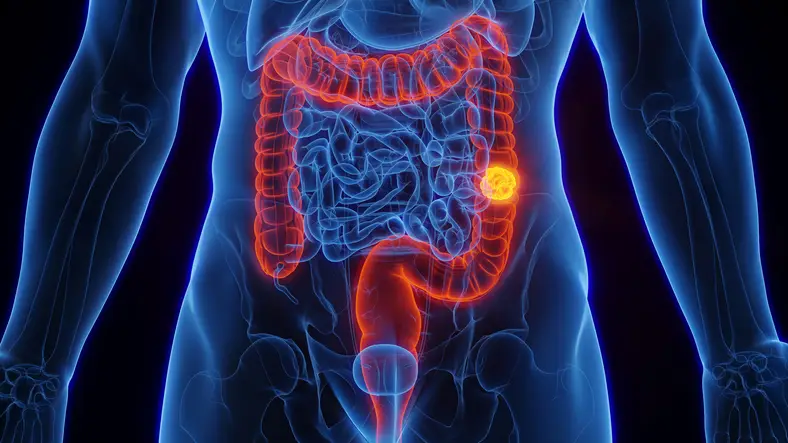
Catching bowel cancer early can dramatically improve survival rates, so spotting the signs early can greatly improve a person’s treatment outcomes.
Therefore, if your symptoms are persisting and you're confident that something is wrong, it's always worth persevering when trying to get an answer from doctors, as you always know your body best and there have been too many cases where young people have been ignored and told that they're too young to have cancer.
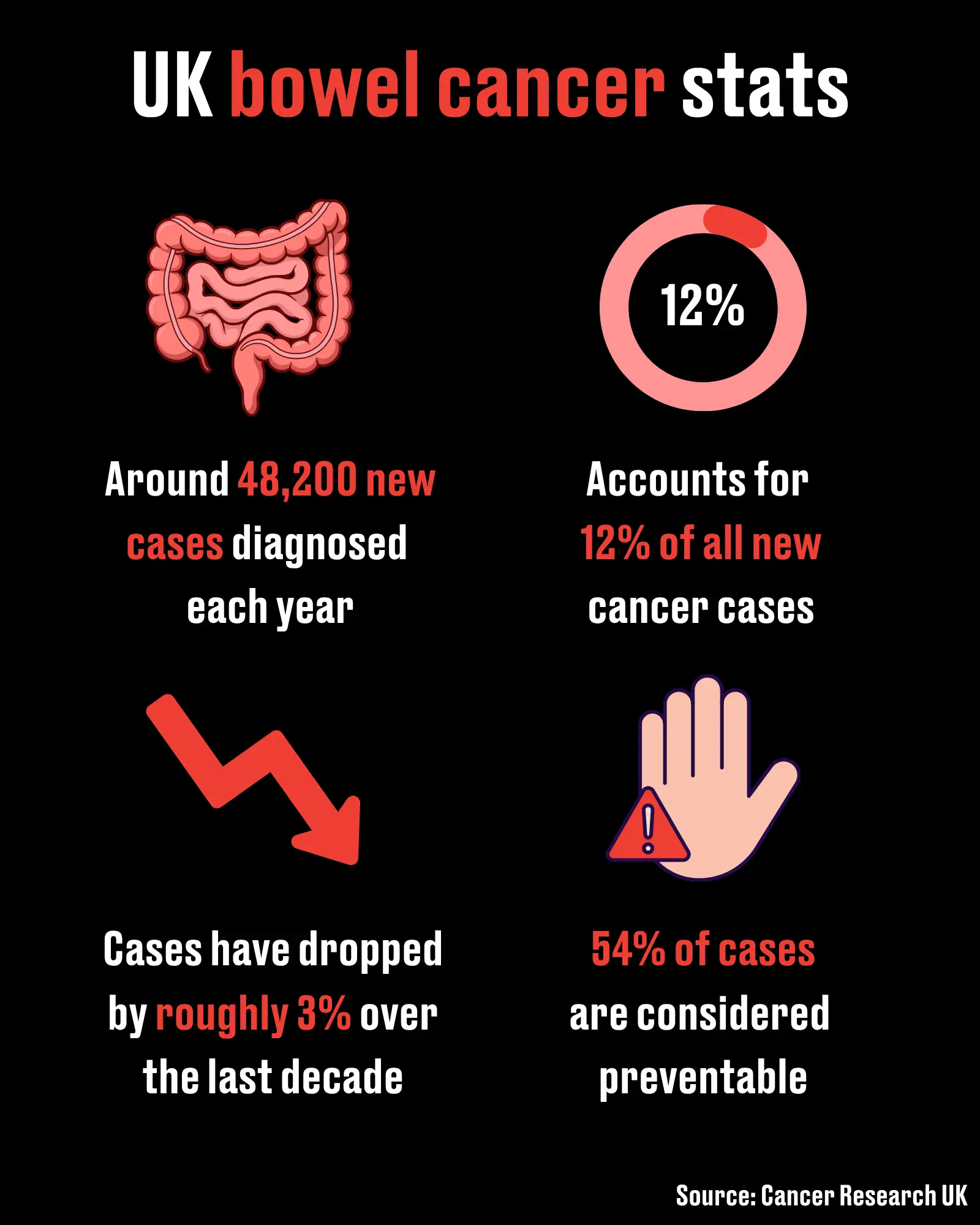
The American Cancer Society (ACS) reported that 20 percent of diagnoses in 2019 were in patients under age 55 and rates of advanced disease increased by about three percent annually in younger adults.
“If anyone has any change in their bowel habits, if they have any bleeding—even if they think it’s a hemorrhoid, and it doesn’t go away—just get a colonoscopy,” Vikram Reddy, MD, PHD, colorectal surgeon, told Yale Medicine.
“Even if you're in your 20s or 30s, you should get checked out if you have rectal bleeding, if you have any change in your bowel habits, any change in appetite (like feeling 'full' early), weight loss, or abdominal pain that is not explained,” added Haddon Pantel, MD, a Yale Medicine colorectal surgeon.
If you’ve been affected by any of these issues and want to speak to someone in confidence, contact Macmillan’s Cancer Support Line on 0808 808 00 00, 8am–8pm seven days a week.
Topics: Health, Cancer, Bowel cancer
 Anish Vij