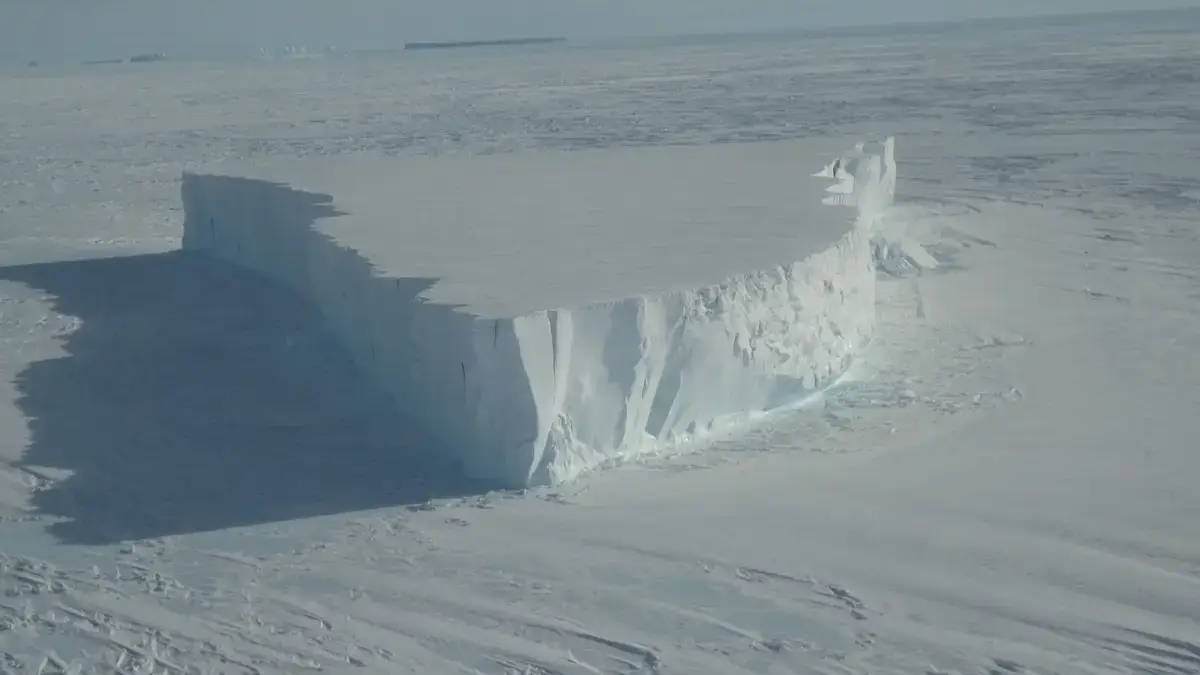
Countries at risk if ‘Doomsday Glacier’ size of Britain collapses into sea

Antarctica's ‘Doomsday Glacier’ could be set to dismantle a lot sooner than once thought, and this could end up creating a lot of global trouble for a number of locations due to the rapid rise in sea water.
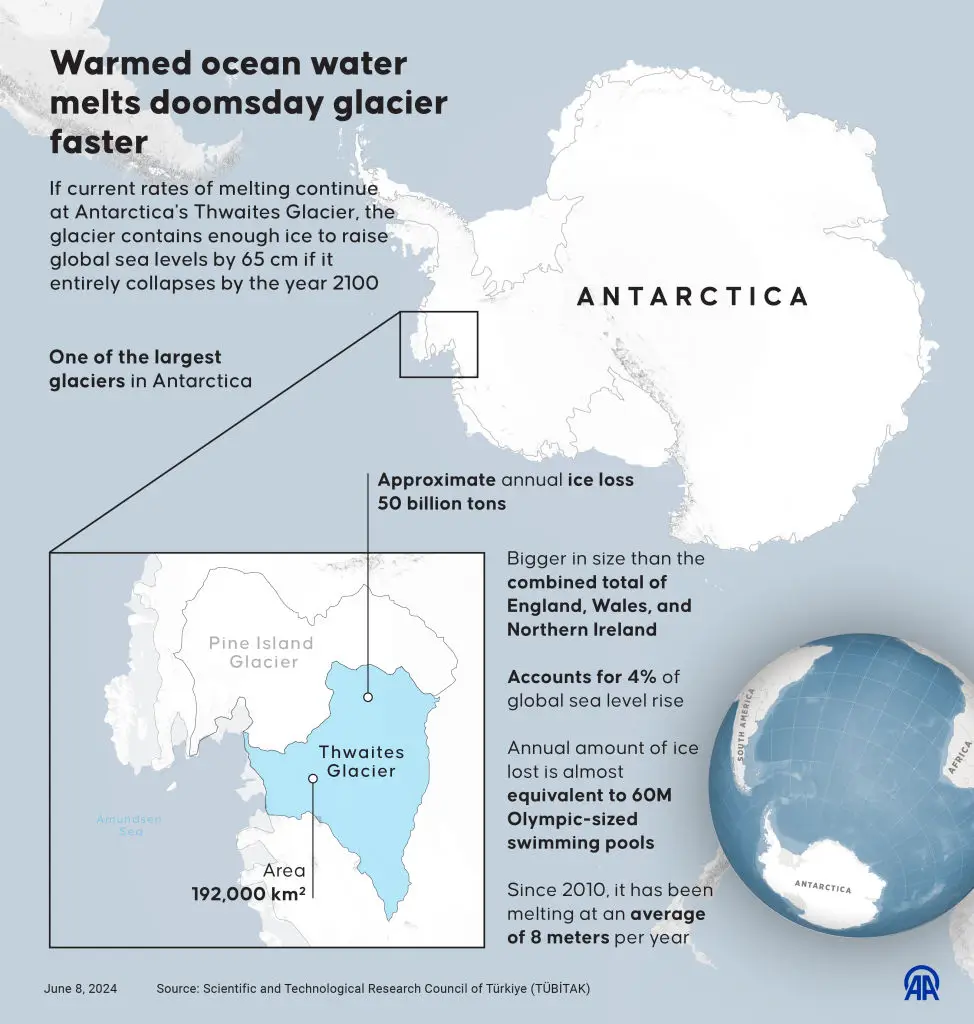
Antarctica’s Thwaites Glacier, which has been lovingly nicknamed as the 'Doomsday Glacier', is around the same size as Britain.
The icy behemoth floats at the northern edge of the West Antarctic Ice Sheet and measures 120 km (80 miles) in width, and if it collapses into the sea, it could end up giving the world an additional three metres of water all over.
While it doesn’t sound too bad, this means that every seacoast will have over six feet of water suddenly sloshing up, and if you think that will be taken well by tiny islands like in the UK, think again.
Advert
What have scientists warned about the 'Doomsday Glacier'?
Previously, research explained that parts of the UK could be underwater before 2100, however, Dr Robert Larter, a marine geophysicist with the British Antarctic Survey, told
Live Science, to expect things to start happening within a matter of months.
He said: "The last bit of ice shelf in front of the glacier is poised to disintegrate. We don't know quite how this ice shelf is going to break up, but it's definitely going to go."
With the subsurface waters heating up, this means that the iceberg is currently heating from within, destroying a ‘shield’ of ice located on its eastern side, which is stopping the iceberg from having a chunk of it slide into the sea.
Dr Larter said: "It's tearing away from the glacier at the moment, and its internal structure is getting more and more fragile. You can see the fractures and rifts growing in sequences of satellite images."
Obviously, this isn’t good news for countries around the world, but which ones are actually at risk?
The Netherlands
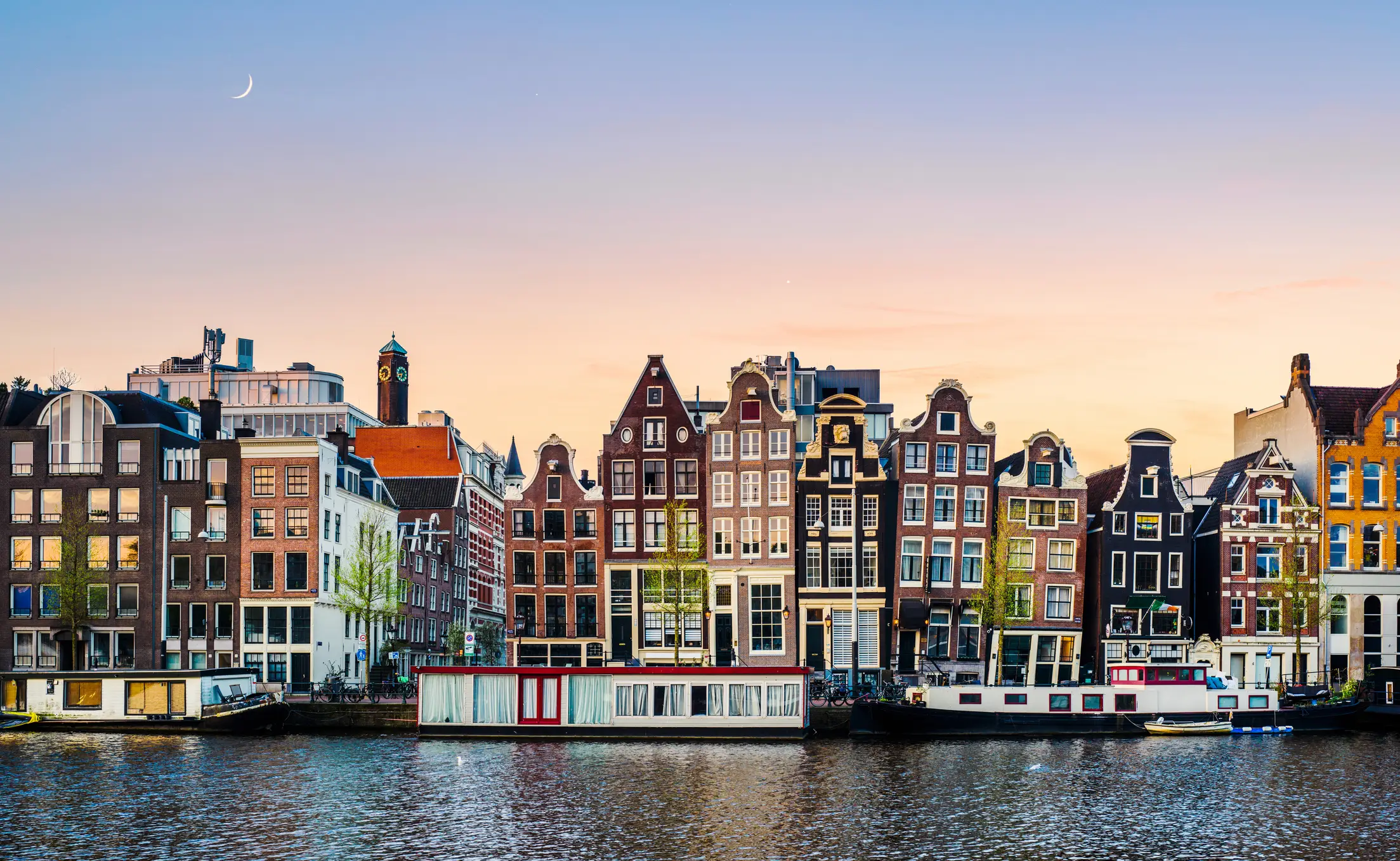
A nation that is notoriously very flat, it shouldn't surprise you that The Netherlands would be high on the list of countries at risk of rising sea level. According to Netherlands Tourism, around one third of the country is below sea level, meaning the nation relies heavily on flood defences.
The Netherlands Delta Commissioner estimates that current flood defences can withstand a sea level rise of up to one metre, which means the streets of Amsterdam would be able to hold strong if the glacier collapse doesn't take nearby ice lakes with it.
Bangladesh
It's estimated that 15 to 30 million people out of the South Asian's entire population of 171.5 million would find their homes under water if global sea levels rose by one metre. This would include about one-third of the nation's landmass and include multiple major cities.
Bangladesh also repeatedly ranks high on lists of countries at risk of climate change, meaning it could be one of the first places we see a climate based catastrophe.
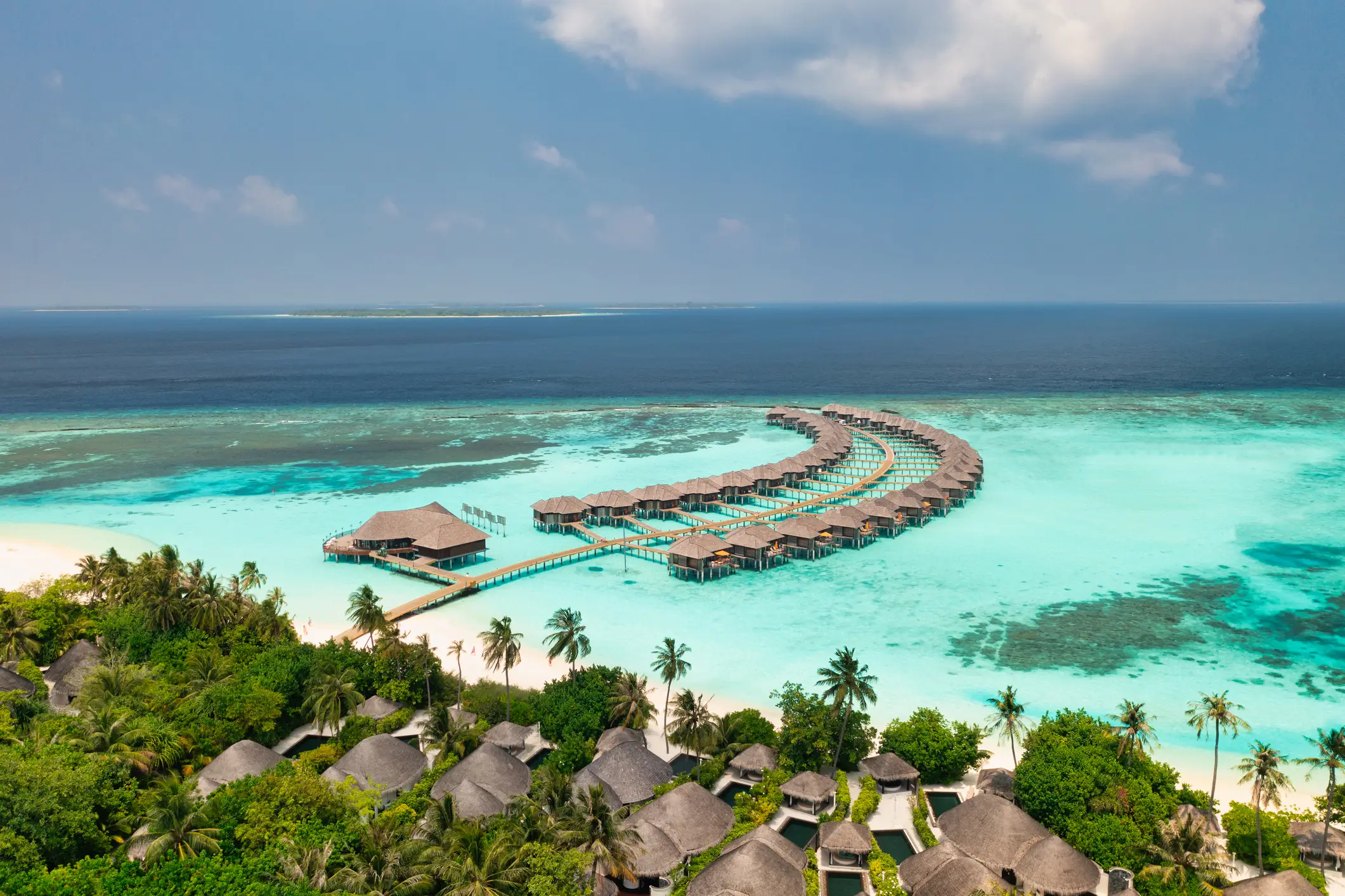
Island nations such as the Maldives and Micronesia
Island paradises such as the Indian Ocean's honeymoon hotspot the Maldives or Pacific ocean archipelagos such as Polynesia, Micronesia, and Melanesia could disappear completely from a rapid rise in sea levels.
In fact, the island of Tuvalu has even begun to explore the idea of creating a 'digital island' in order to preserve its culture. Other countries at risk include Kiribati, the Marshall Islands and the Solomon Islands.
United States
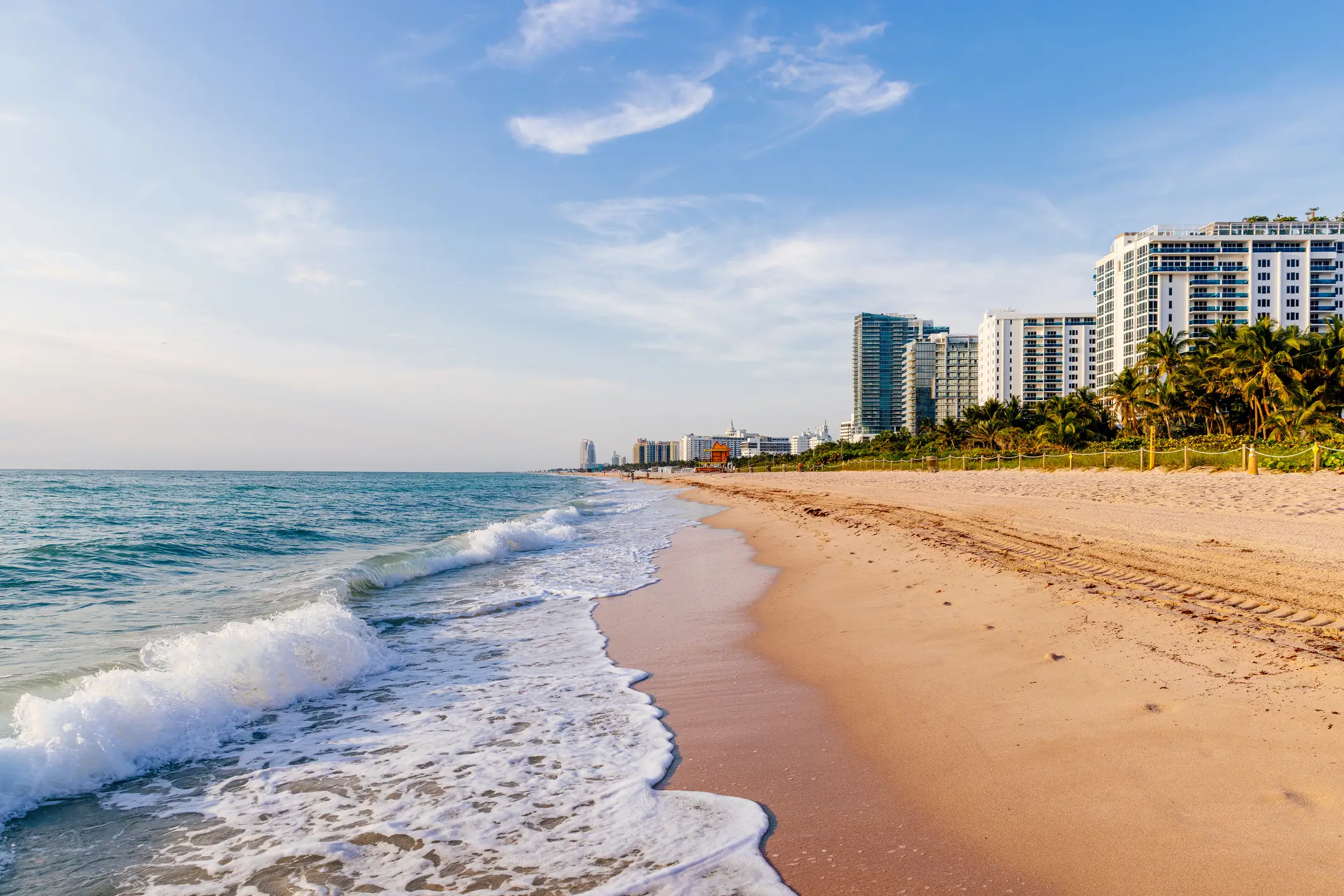
If you're living in cities such as Miami, New York or New Orleans then it's not a good idea to invest in any seafront real estate, as these are considered to be America's 'front-line cities' when it comes to climate change.
According to a report from CNBC, its expected that 60 percent of Miami-Dade County could be underwater.
Topics: Science, World News, Environment
 Britt Jones