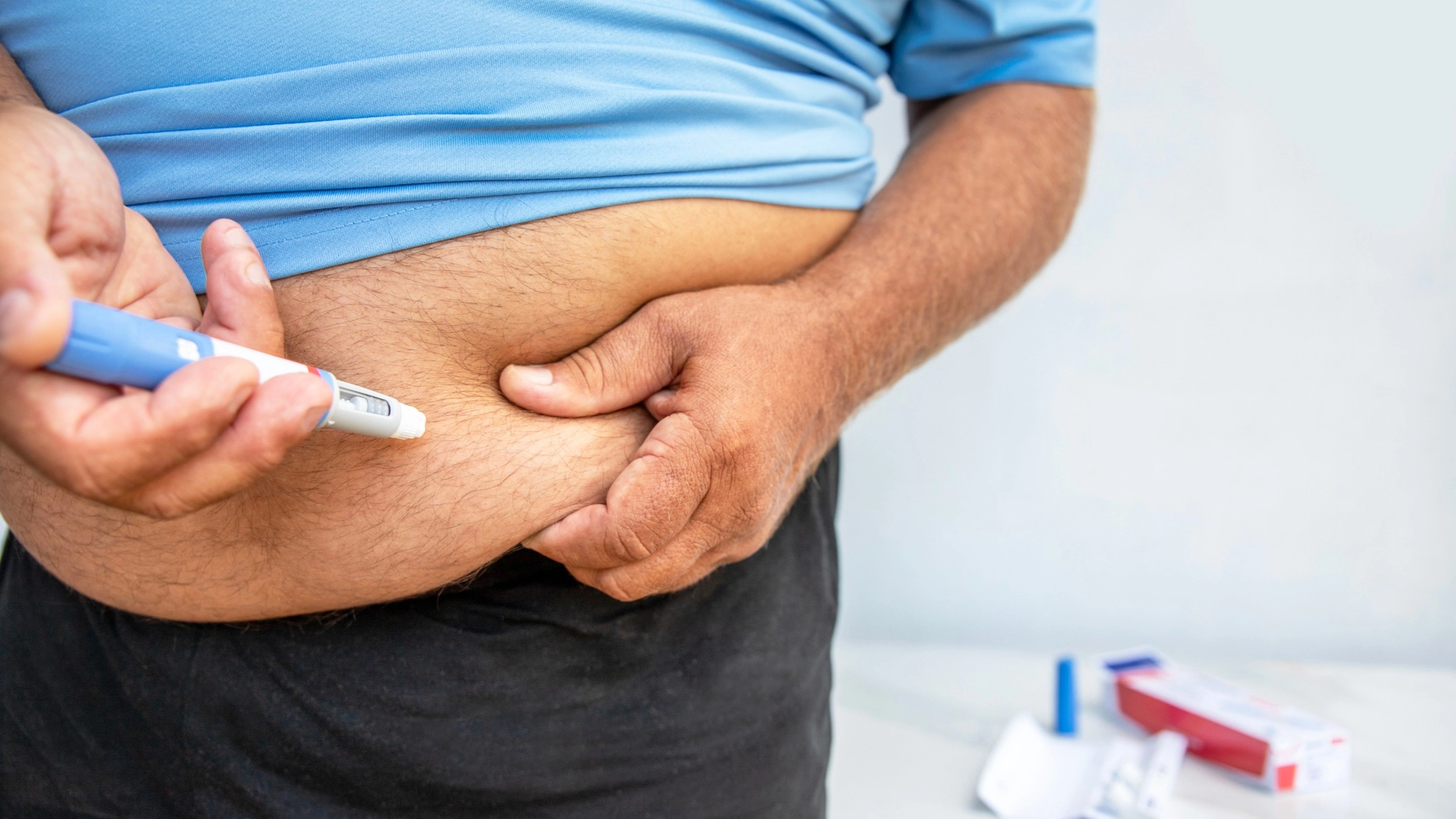
Doctor claims 'biological cost' to GLP-1 weight loss drugs

A doctor has warned that for all the upsides of weight loss drugs there were still some downsides to be aware of.
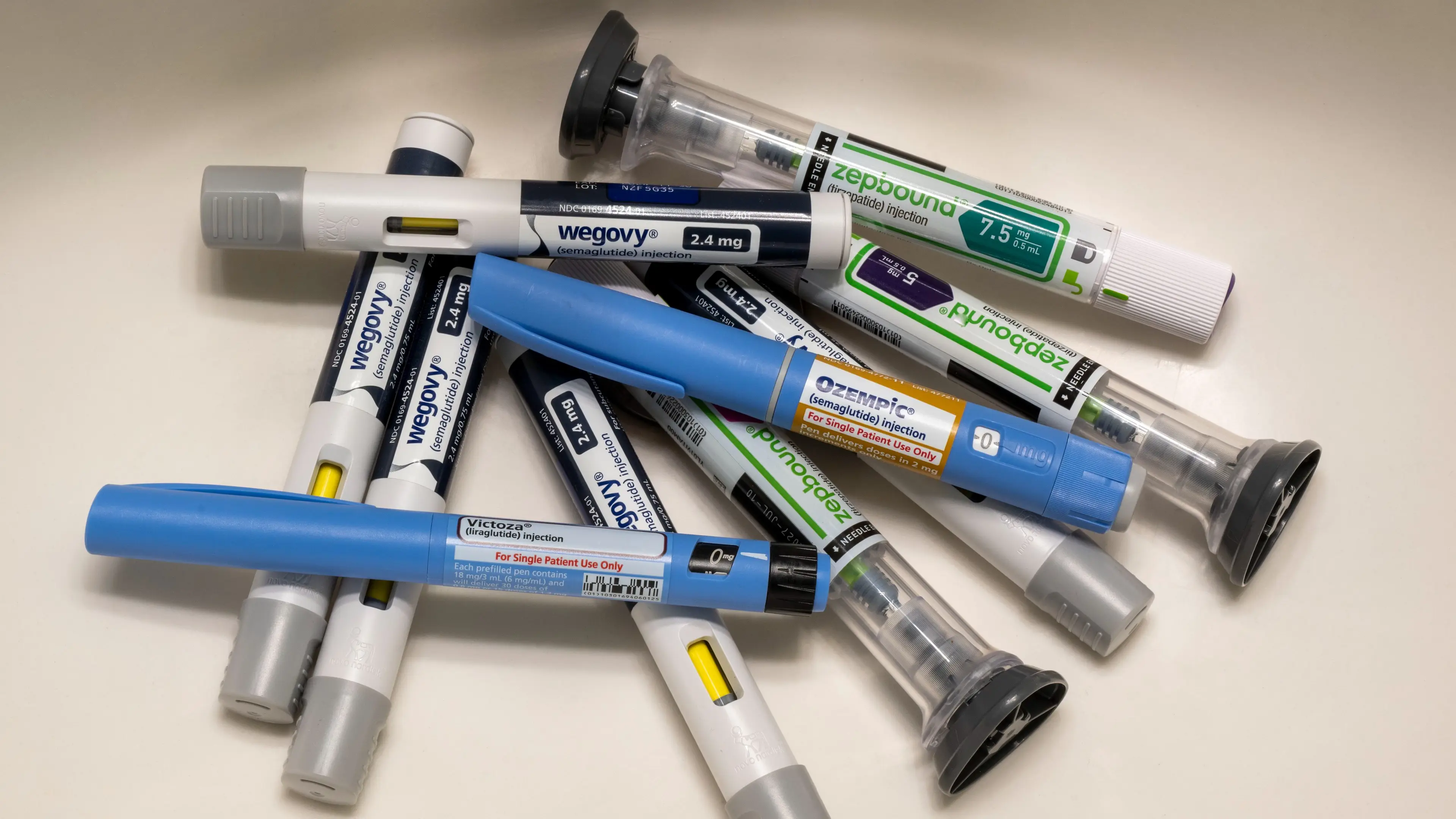
People can get weight loss drugs such as Wegovy or Mounjaro prescribed on the NHS as long as you meet the right conditions, while retatrutide is in development.
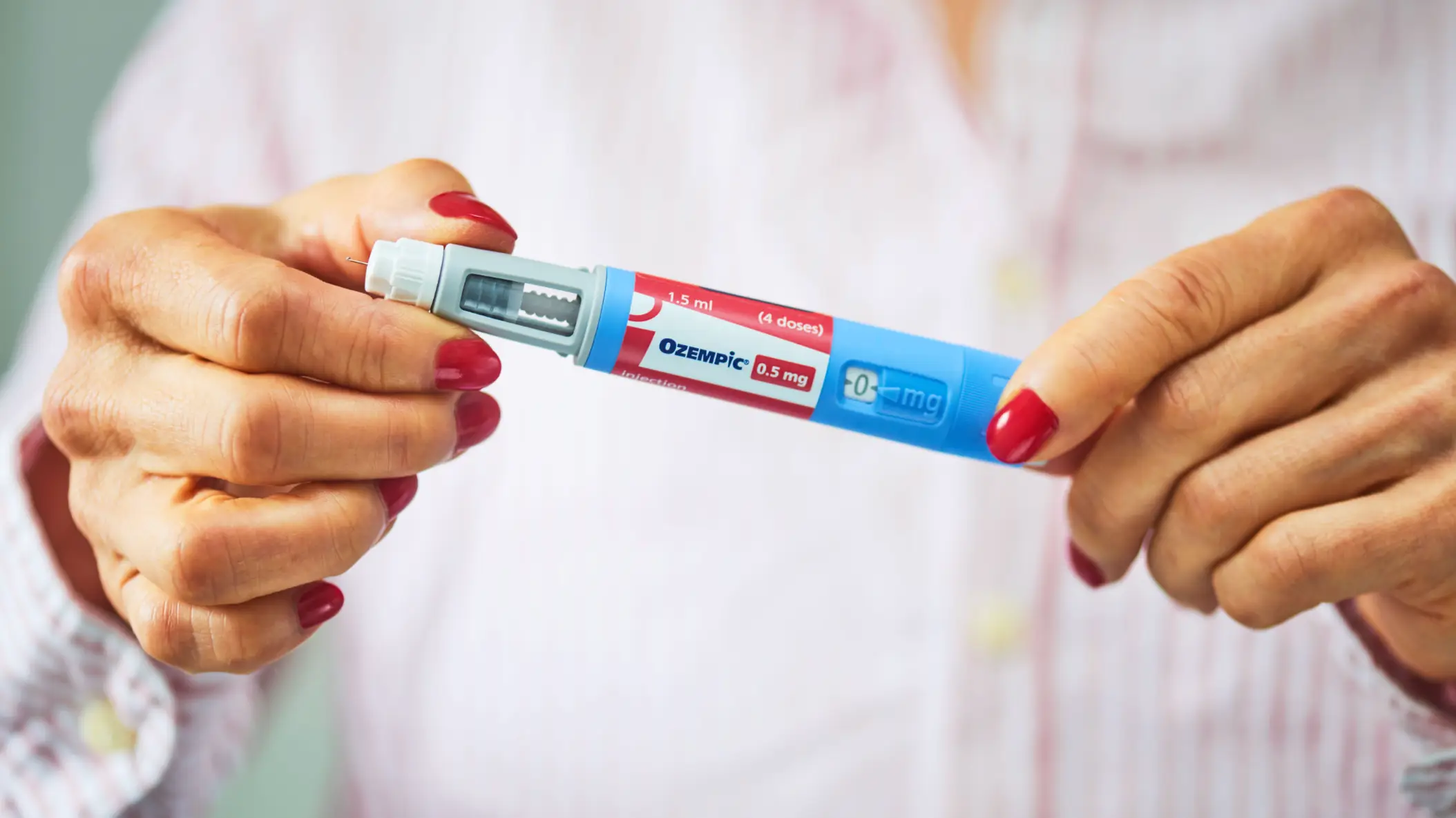
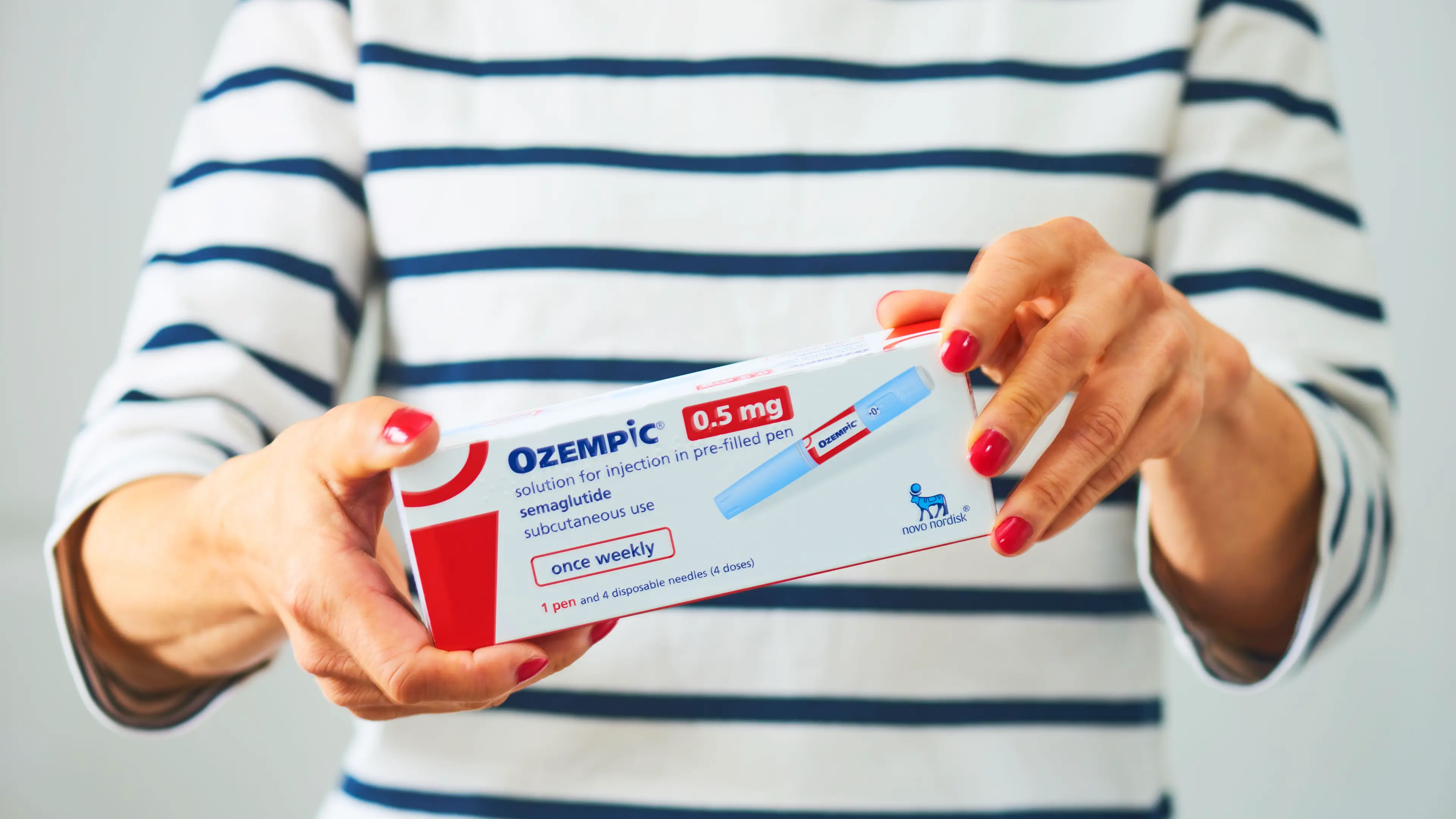
Perhaps the most recognisable name of the bunch is Ozempic, which isn't actually prescribed for weight loss as it's a diabetes medication and if you were taking it to try and lose weight it'd be far less effective than the other options.
Dr Leah Stockton, a surgical oncologist, claimed that while the benefits of GLP-1 agonists were clear to see as far as weight loss was concerned there was a 'biological cost' which could cause three significant problems.
Advert
She noted that studies into their effectiveness showed they 'cut heart attacks, strokes, and cardiovascular deaths by 20 percent'.
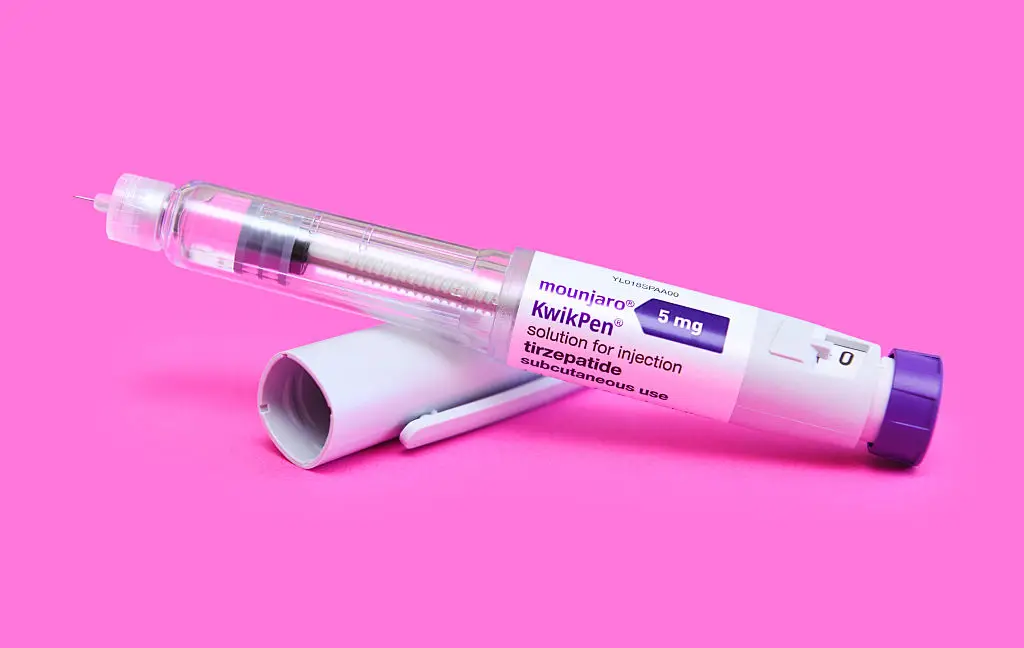
However, she did note that some studies had flagged other areas of concern, as Dr Stockton said there were three areas of concern she wanted to discuss.
The first of these was the build up of bile in the gallbladder, pointing towards a study on GLP-1 receptor agonists which argued that the risk of gallbladder issues rose from one in 100 to two in 100.
The doctor described how when you eat some fat your body sends a signal to the gallbladder to 'squeeze that bile out' before crystals settle.
She said: "Weight loss shots slow that squeeze. In a small, 12-week trial, a daily GLP-1 called Saxenda didn't stop the gallbladder from emptying, but the typical time from a full squeeze went from 77 minutes to 151.
"And if your appetite is tiny or you go zero fat, that squeeze barely fires at all. Now cholesterol-heavy bile has time to sit still, thickening into sludge, and then stones."
Dr Stockton cited a review of 76 trials covering over 100,000 patients that indicated GLP-1 drugs increased issues with gallbladder and bile duct issues by 27 percent.
She advised that someone on weight loss drugs 'never go zero fat' in their diet in order to 'trigger the squeeze.
The doctor also warned that a significant portion of weight loss from taking GLP-1 receptor agonists was lean tissue, rather than the fat people were hoping to lose.
She explained that research into what kind of weight the drugs help you shed found at least 25 percent of weight lost from GLP-1 drugs was lean mass, the kind of stuff you'd rather keep.
"Lean tissue on those scans includes water and organ tissue, not just muscle." she said.
"So it isn't as grim as the headlines make it out. Even so, 10 to 15 pounds of lean tissue loss in about 15 months is what researchers compared to a decade or more of normal aging."
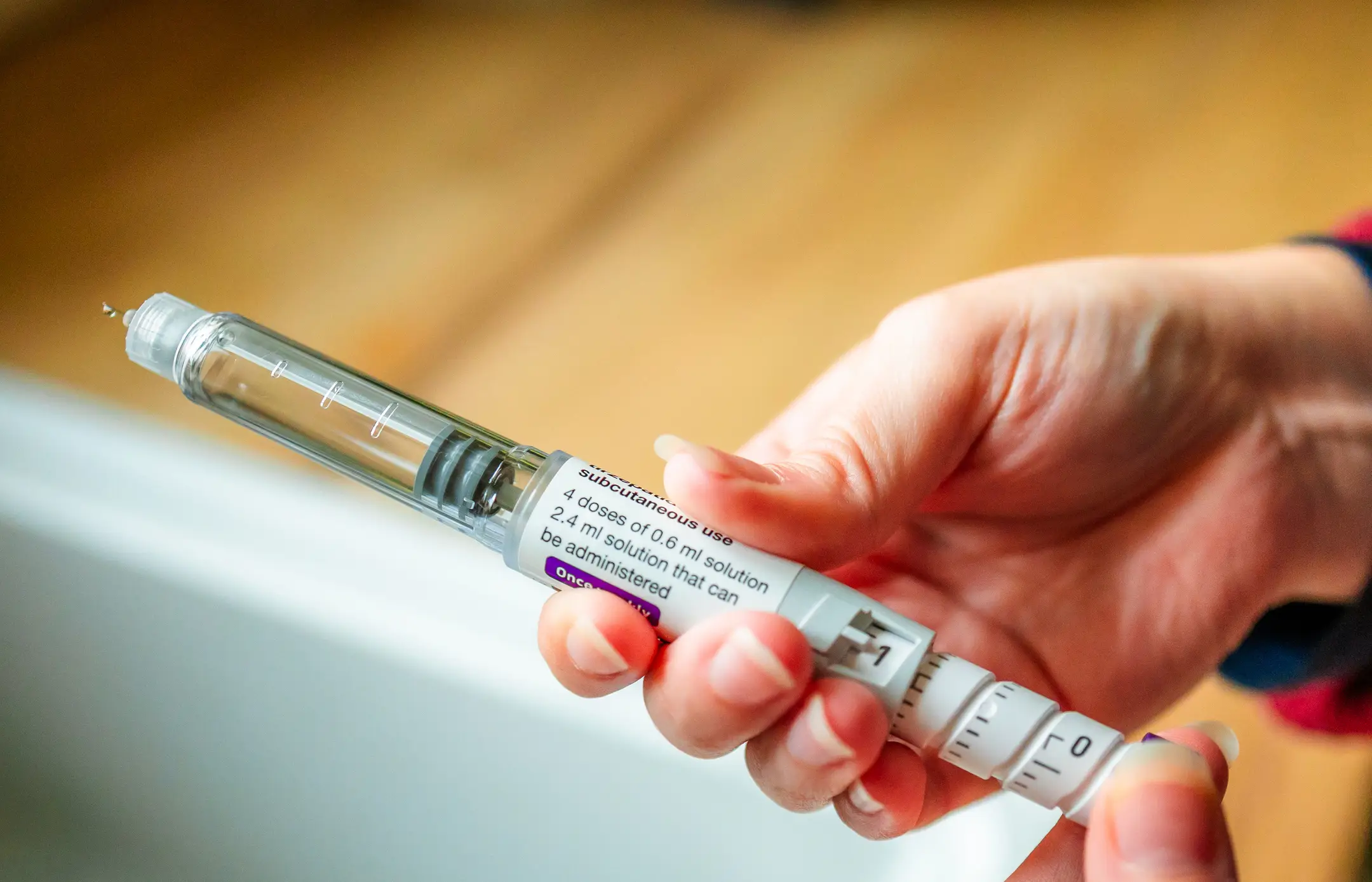
Plenty of doctors have argued that weight loss drugs should be done as part of a move to a healthier diet and an exercise regime, rather than just taking the drug and wasting away.
She also warned that anyone going in for surgery while on GLP-1 drugs would want to ask their doctor: "I take a GLP-1. Should I hold a dose? And should I switch to clear liquids for the full day before my procedure?"
Dr Stockton explained that this was because for some patients food remained in their stomach for longer, and when surgeons tell you not to eat in the run-up to an operation this could cause problems because you may not be going under the knife on an empty stomach.
Another piece of research found 'increased retention of gastric contents' and 'more frequent aborted procedures during upper endoscopy'.
A team of scientists found that adjusting fasting routines could prove to be a simple fix for this issue, and it was certainly something to make your surgeon aware of.
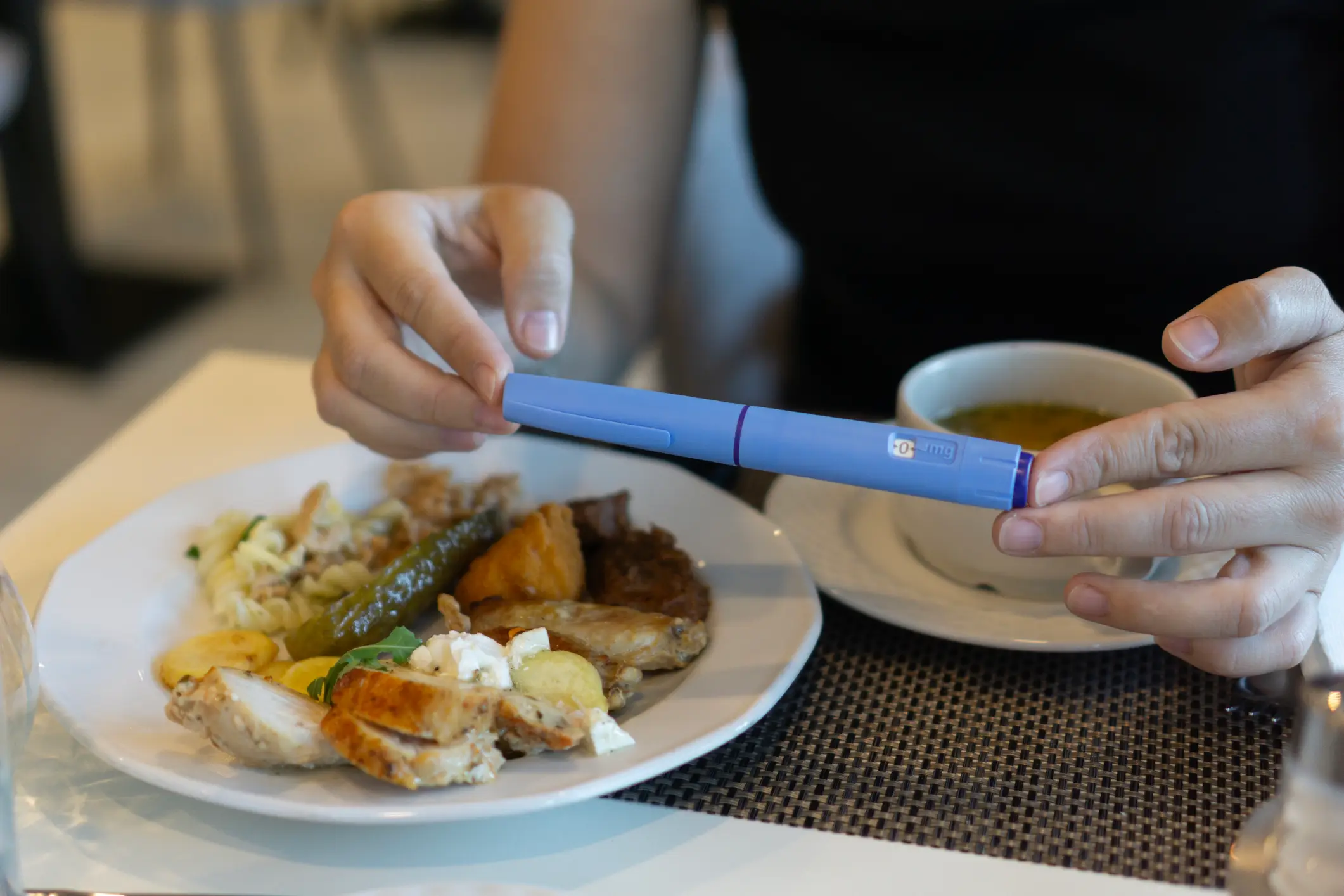
In a statement, Novo Nordisk said: "At Novo Nordisk we care deeply about patient safety. Like all medicines, treatments used for chronic conditions can have side effects, and these can vary from person to person.
"To ensure healthcare professionals have a detailed understanding of our medicines safety profile, the adverse reactions we have observed in clinical trials are detailed in our medicines’ Summary of Product Characteristics (SmPC).
"In the registrational trials for Wegovy (semaglutide injection), cholelithiasis (acute gallstone disease) was reported in 1.6 percent of patients and led to cholecystitis in 0.6 percent of people living with obesity treated with semaglutide 2.4 mg.
"For this reason, acute gallstone disease (cholelithiasis) is listed as a “common” potential adverse reaction for semaglutide injection in the products' UK SmPC and should be considered when patients are being evaluated for these medicines.
"Aspiration in association with general anaesthesia or deep sedation is also listed in the special warnings and precautions for use in this product’s UK SmPC and should be considered when patients are being evaluated for these medicines."
They added that they worked closely with medicine regulators to share safety details and when considering the available data they said 'we believe the benefit–risk profile of semaglutide remains favourable when used as indicated'.
Novo Nordisk recommended that anyone concerned about side effects should speak to a doctor.
LADbible Group has contacted Eli Lilly for comment.
 Joe Harker