Dark secret of 500 year old mummified girl found at top of freezing volcano is finally revealed

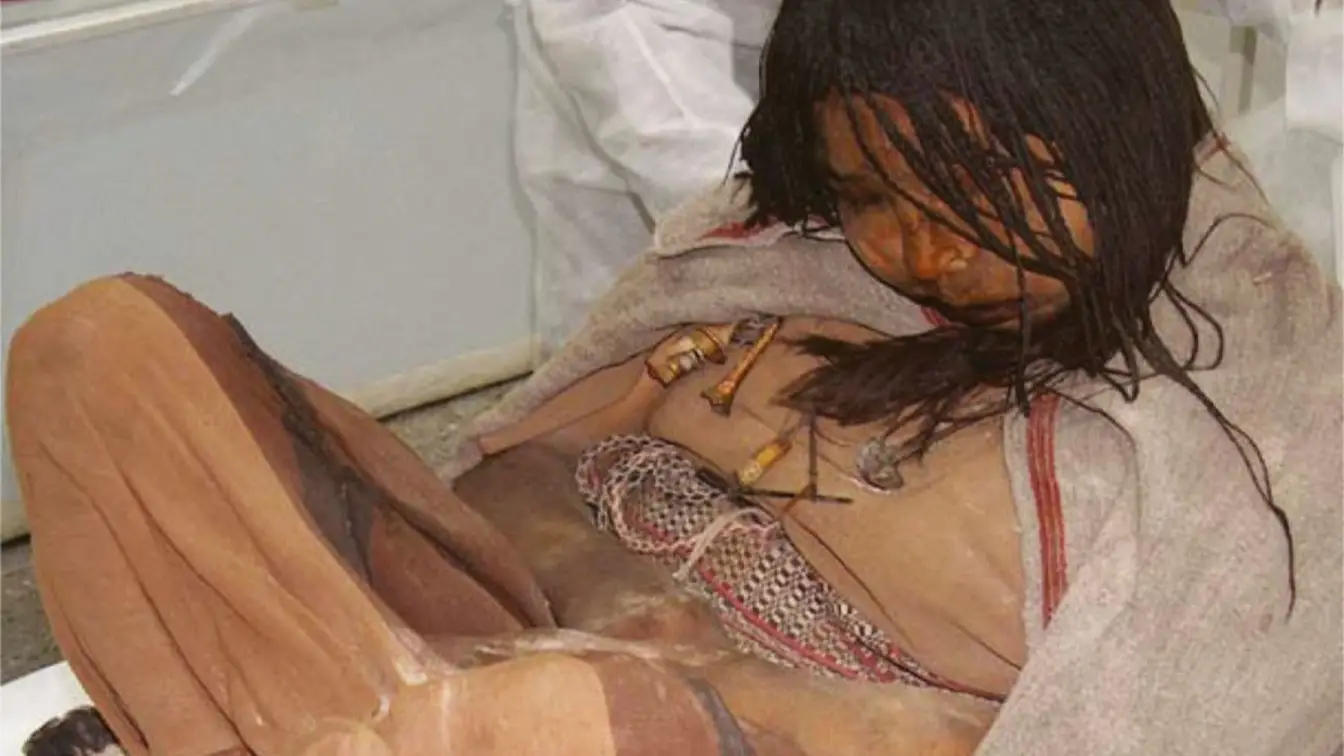
The dark secrets behind a mummified girl, whose remains were found at the top of a freezing cold volcano in South America, have been detailed for the first time.
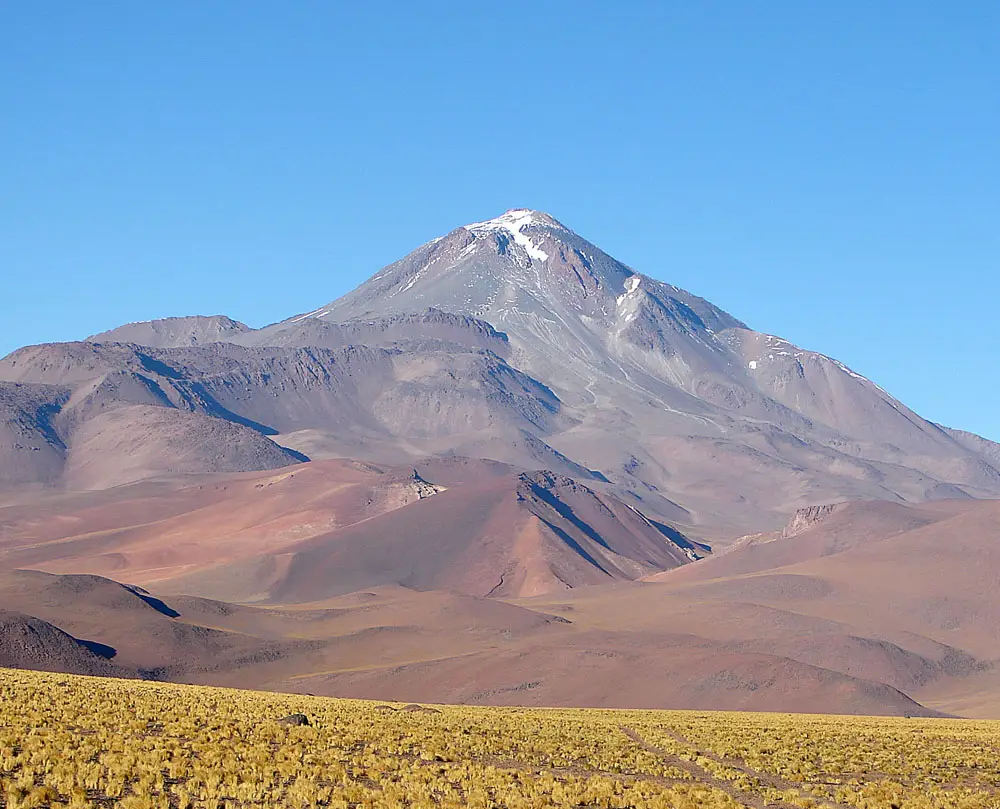
It comes are a brand new scientific study in to the girl, known as the Llullaillaco Maiden - or La Doncella, who was found at the very top of a volcano towering some 22,000 feet in to the skies on the Chile - Argentina border.
La Doncella is one of three mummified remains found at the top of the now dormant Llullaillaco volcano, with all three of them found first discovered in 1999.
But it isn't until 27 years that we know more about them - and it includes a dark archaeological history relating to child sacrifice, so say the experts.
Advert
Dating back to before 1,500 AD, research has already shown that the three children from the Inca Empire would have made 6,700 metre trip up the volcano as part of sacred rituals.
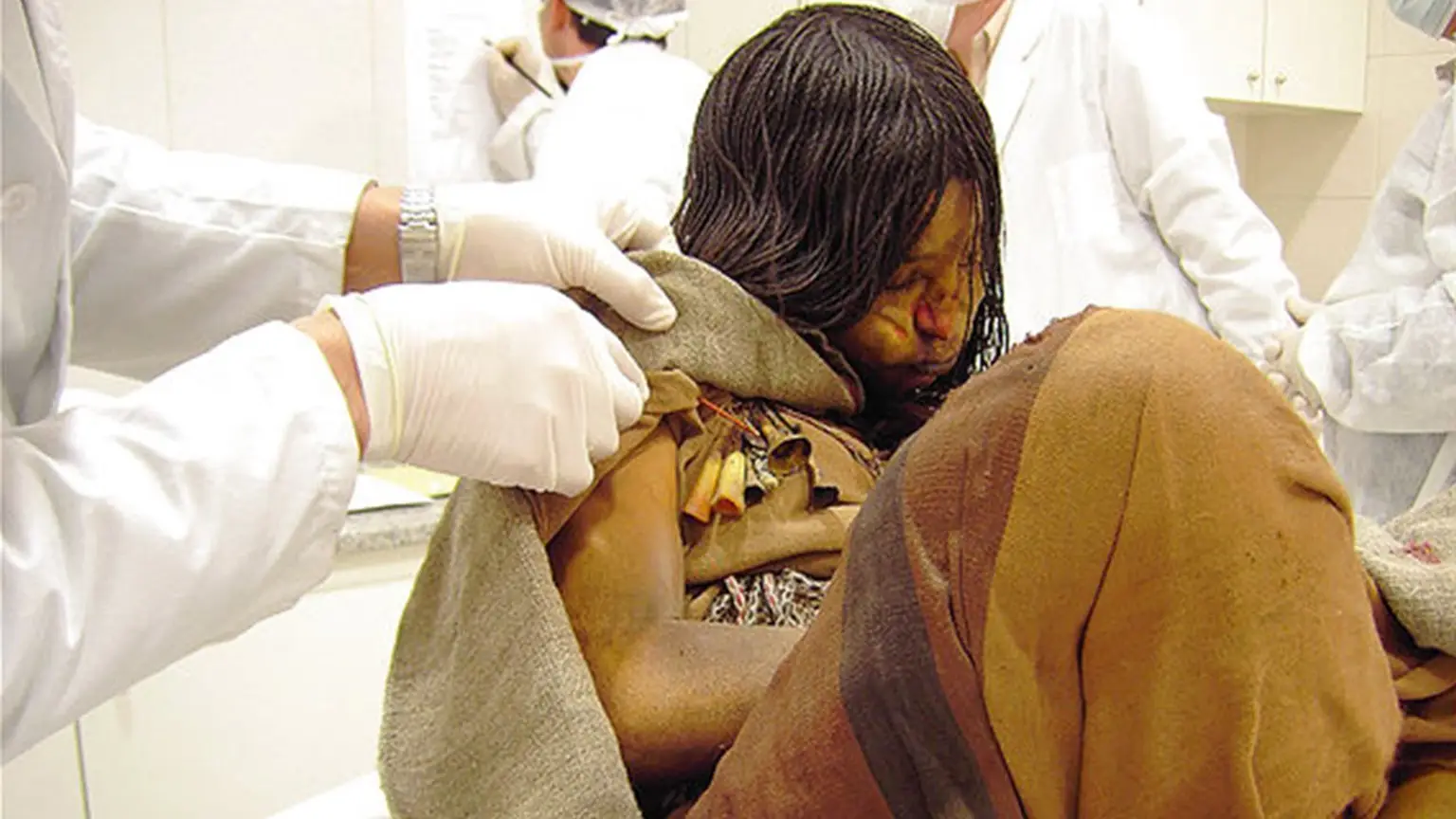
Now, due to how well the icy cold conditions preserved their bodies, we can understand what the children ate before they died, with their partly digested food also frozen solid in their stomachs. Maize and the cassava plant were also identified in her remains.
From the study - dubbed Timing the Sacred: A Multi-Step Chronological Framework for the Llullaillaco Inca Burial - we now know the kids were fed alcohol by those who sent them sky high, as well as coca leaves as part of a 'capacocha' ceremony; the most prestigious sacrifice made during the Inca Empire.
Believers thought such a sacrifice would stop natural disasters like famine and flooding as well as keep the Inca Empire stable - especially during times of unrest.
As part of the formal ceremony, the children were escorted up the volcano and left to die.
The new research has now revealed when the sacrifice took place, with modelling estimating 1,499 AD as the year in question, as reported by ArchaeologyMag. By this time, the Llullaillaco region was a relatively new acquisition to the empire, with hints it could have been to make sure their expansion was fruitful and remained successful.
Who knows, maybe the sacrifice did work given that the Inca Empire came to an end in the 1530s but the volcano kept on erupting until 1877, with it sitting dormant ever since.
To this day, it is the world's second-highest active volcano after Nevados Ojos del Salado in the Andes.
Topics: History, Archaeology, Science, World News
 Tom Earnshaw