
Archaeologists discover 700 year old mummy that rewrites history books on deadly disease

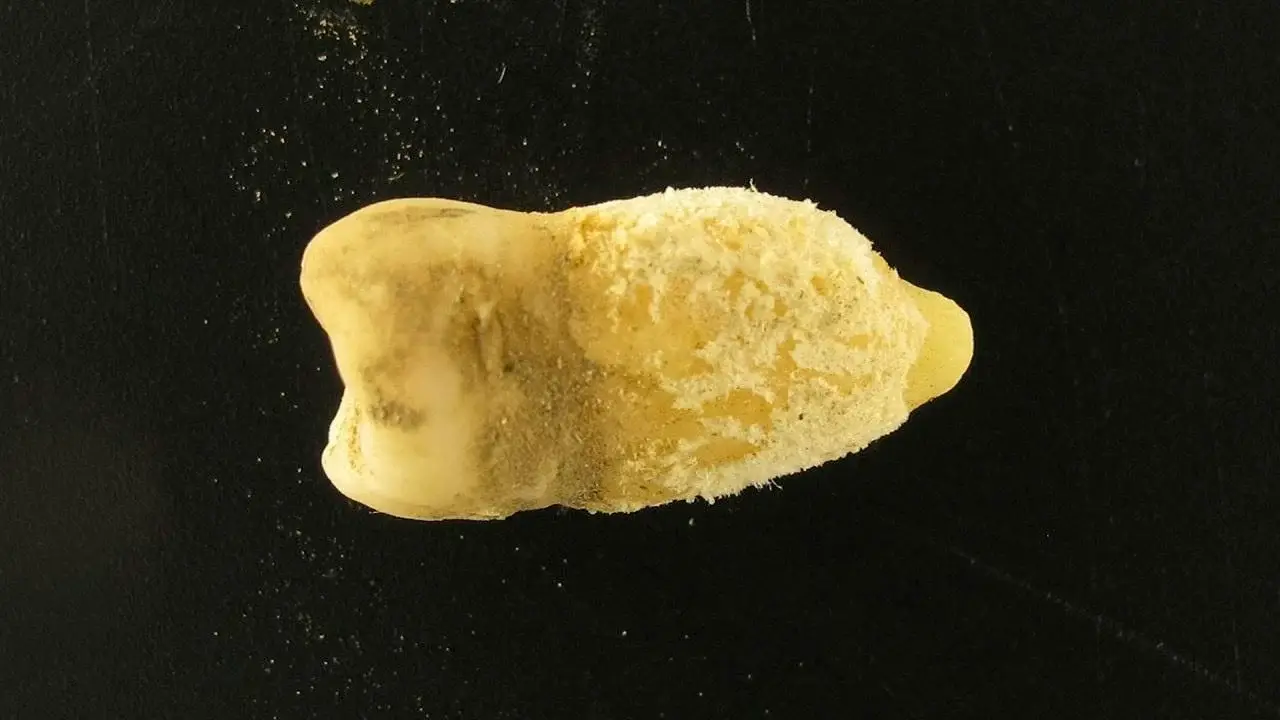
Archaeologists have unlocked a key to humanity's ancient history after examining a single tooth belonging to a 700 year old mummy.
And the small piece of bone has proven to be integral to our understanding of a deadly infectious disease that still devastates the lives of young children to this day.
The discovery, found in rural Bolivia, unveils the existence of the streptococcus pyogenes bacterium. And for the first time, scientists have now used the ancient material to reconstruct a genome of the pathogen to show how the Strep A bacterium responsible for scarlet fever was not introduced to the Americas by Europeans.
The find comes at a time where anxiety is growing across the world over the transmission and spread of Hantavirus from a single cruise ship, with the disease since being found in cases on mainland Europe.
What did archaeologists find?
Eurac Research’s Institute for Mummy Studies examined a single skull from the Bolivian highlands; a location in the South American country where it is dry and cold, meaning preservation of ancient DNA and human tissue is easier.
Advert
During their research, archaeologists in studying microbial DNA in mummified remains revealed they they had found traces of numerous bacteria inside a single tooth belonging to the skull.
Of the nasties found on the tooth, streptococcus pyogenes, which is also known as Strep A.
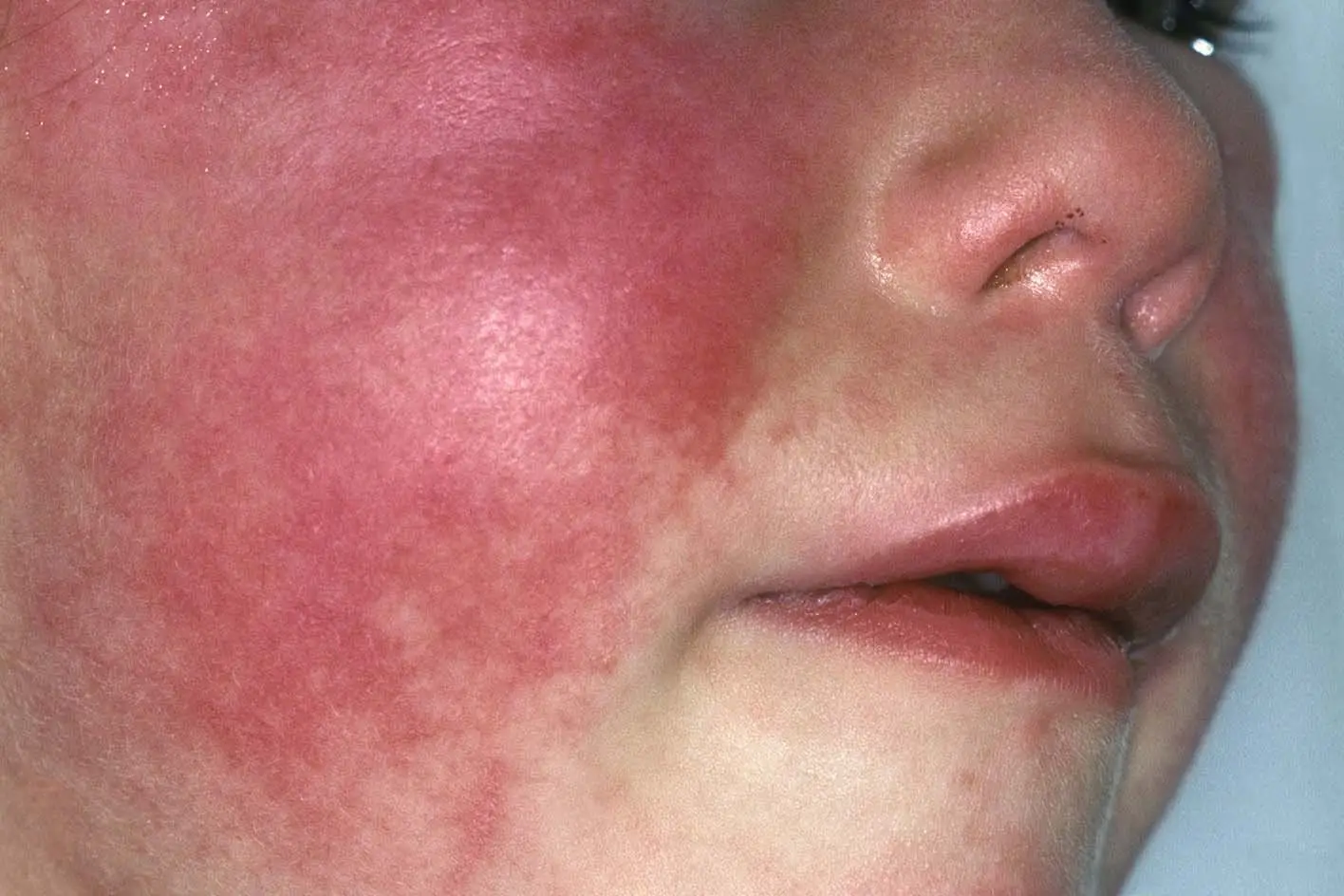
One by-product of this is scarlet fever infections, spotted through a distinctive pink-red, sandpaper-like rash and high fever.
Cases are most common in children under 10, often following a sore throat, and is treated with antibiotics. Historically, it was devastating for 19th century South America, and commonly thought to have been brought to the continent by European explorers. Before the 1940s, it was the leading causes of child death before antibiotics became widely available.
But that chapter in the history books is now being rewritten.
What does this mean?
It is the first time in history that scientists have located ancient cases of the scarlet fever virus.
"As with other pathogens, it had often been assumed that it was brought to the American continent by Europeans," Eurac Research's Institute states.
"This finding now shows that the bacterium was already circulating among indigenous populations in South America before European colonization: radiocarbon dating revealed that the young man from whom the tooth originated lived between 1283 and 1383 AD, during a period known in Andean archaeology as the Late Intermediate Period (1100–1450 AD)."
Bolivian biochemist Guido Valverde, who was leading the research, has spoken out on the research so far.
“We have taken a great many samples from this remarkable collection. Recently I looked at my Excel sheet again: we have samples from more than 100 individuals – over 300 samples," Valverde said.
“It includes everything: teeth, bones, soft tissue, hair samples, coprolites, stomach and gut contents – a very broad spectrum to extract as much information from as possible."
To this day, the virus still affects children across the world and serves as a vital step in understanding where it came from.
Symptoms of scarlet fever
The NHS writes that the very first signs of scarlet fever 'can be flu-like symptoms, including a high temperature, a sore throat and swollen neck glands (a large lump on the side of your neck)'.
It adds: "A rash appears 12 to 48 hours later. It looks like small, raised bumps and starts on the chest and tummy, then spreads. The rash makes your skin feel rough, like sandpaper.
"A red, patchy rash on the chest, neck and upper arms caused by scarlet fever. The rash is shown on white skin. On white skin the rash looks pink or red. On brown and black skin it might be harder to see a change in colour, but you can still feel the rash and see the raised bumps."
Rash of small, raised, pink spots can then spread across a child's chest. The spots are close together. The rash is shown on light brown skin.
The NHS adds: "Rash of small, raised bumps spread across the lower part of a child's arm. The rash is shown on medium brown skin. A white coating also appears on the tongue. This peels, leaving the tongue red, swollen and covered in little bumps (called 'strawberry tongue').
"A swollen tongue with a reddish orange surface and a white coating at the back and along the centre. Shown on white skin. A young child with light brown skin sticking their tongue out. The tongue is red and covered in little bumps like a strawberry.
"The rash does not appear on the face, but the cheeks can look red. The redness may be harder to see on brown and black skin. Lower half of a child's face with a bright red cheek. Skin is red from their jaw up to their eye. Shown on white skin. Sometimes the skin peels, like sunburn, as the rash fades. The symptoms are the same for children and adults, although scarlet fever is less common in adults."
Topics: Archaeology, Science, History, Health
 Tom Earnshaw