ladbible homepage
ladbible homepage
  • Home
  • News
    • UK
    • US
    • World
    • Ireland
    • Australia
    • Science
    • Crime
    • Weather
  • Entertainment
    • Celebrity
    • TV
    • Film
    • Music
    • Gaming
    • Netflix
    • Disney
  • Sport
  • Technology
  • Travel
  • Lifestyle
  • Money
  • Originals
    • FFS PRODUCTIONS
    • Say Maaate to a Mate
    • Daily Ladness
    • UOKM8?
    • FreeToBe
    • Citizen Reef
  • Videos
  • Advertise
  • Terms
  • Privacy & Cookies
  • License Our Content
  • About Us & Contact
  • Jobs
  • Latest
  • Archive
  • Topics A-Z
  • Authors
Facebook
Instagram
X
Threads
Snapchat
TikTok
YouTube
Submit Your Content Here
  • GAMINGbible
  • LADbible Group
  • UNILAD
  • SPORTbible
  • Tyla
  • FOODbible
  • UNILAD Tech
Brain scans reveal shocking difference between psychopaths and people without condition
Home>News>Science
Published 10:44 11 Jun 2026 GMT+1

Brain scans reveal shocking difference between psychopaths and people without condition

Scientists have discovered the difference in the brain between psychopaths and those who don't have the condition.

Daniel Murphy

Daniel Murphy

google discoverFollow us on Google Discover

Scientists have discovered a key difference in the brain between people with psychopathic traits and those.

The 'psychopath' label is usually associated with someone who commits unthinkable crimes, either in real life or in a superhero movie.

Yet, the definition of the mental health problem is much broader than that. Not every person with psychopathic traits breaks the law, though a long line of research has found a link between psychopathy and a higher risk of violent or anti-social behaviour.

For instance, the NHS describes a psychopath as someone with: "an antisocial personality disorder, which means they: lack empathy, are manipulative and often have a total disregard for the consequences of their actions."

Advert
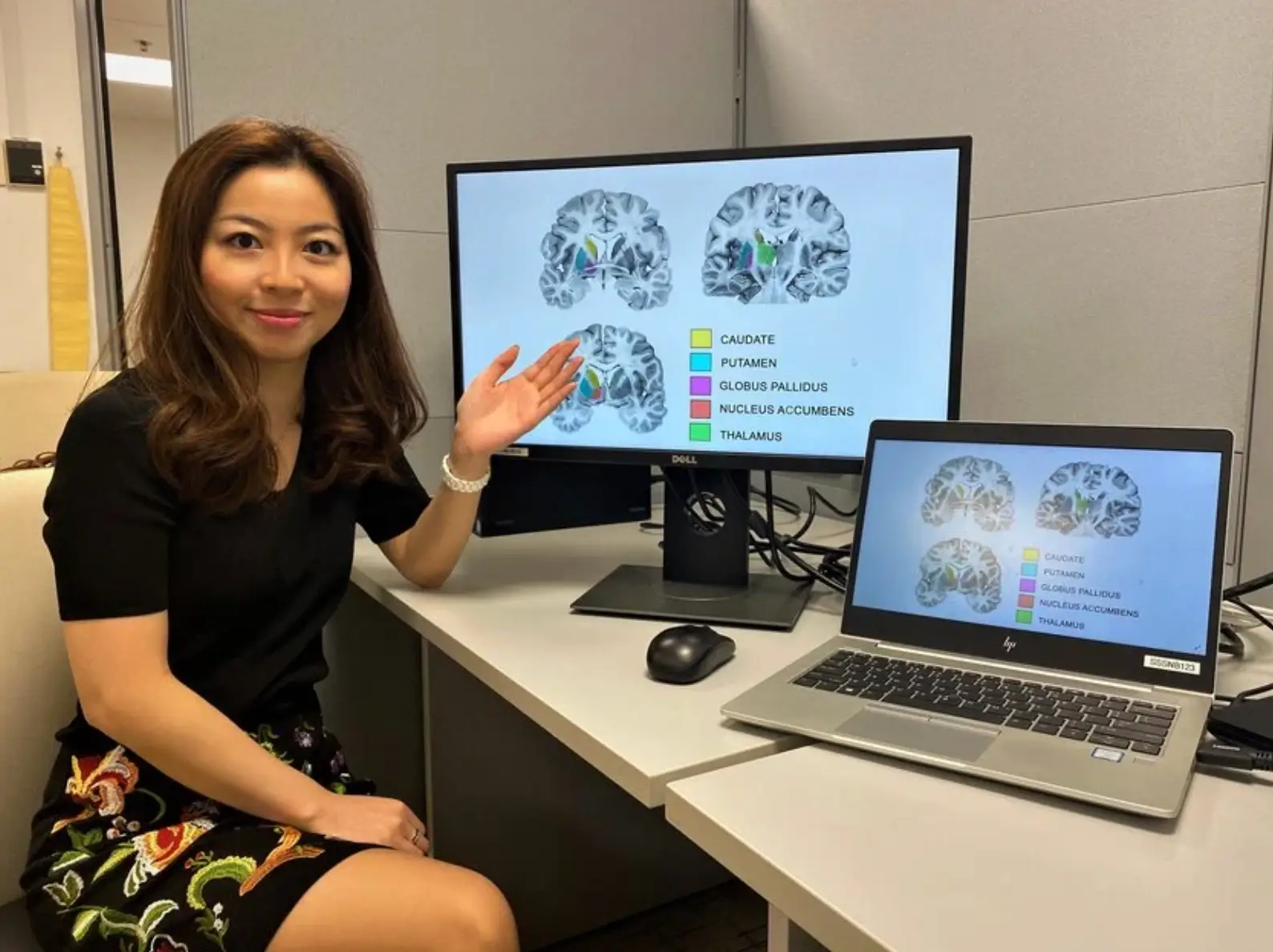
A scientist from Nanyang Technological University shows her findings. (Nanyang Technological University)

It has often been assumed that psychopathy was largely shaped by social and environmental experiences, but a new study has found evidence that biology may play a significant role.

Researchers from the Nanyang Technological University, Singapore (NTU Singapore), the University of Pennsylvania, and California State University MRI scanned 120 people in the USA, then gave the participants the Psychopathy Checklist before comparing the brain scan images between those who displayed psychopathic traits and those who did not.

The results, published in the Journal of Psychiatric Research, found that the striatum region of the brain was about 10 per cent larger on average in psychopathic individuals.
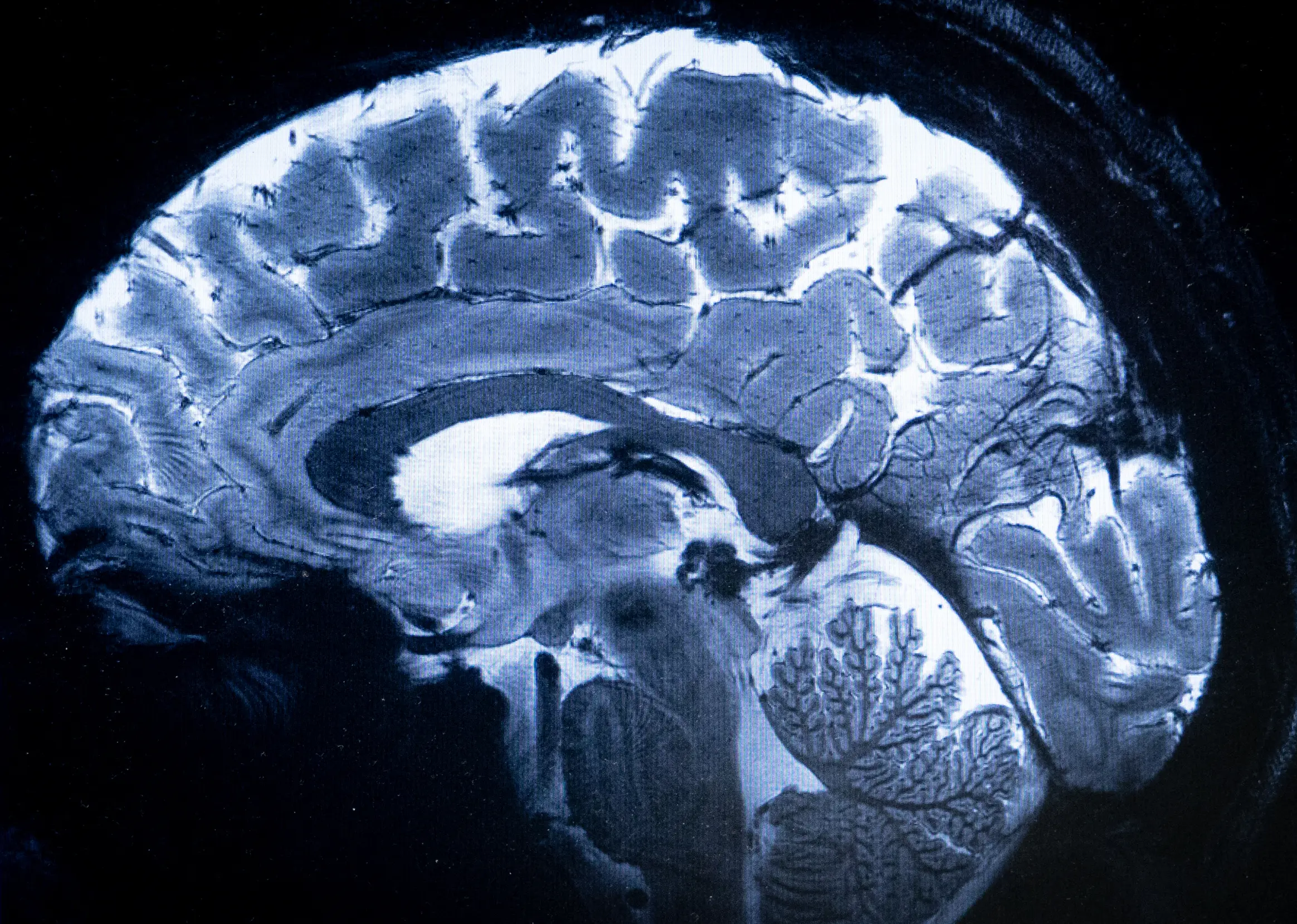
An MRI scan shows what our brain looks like. (ALAIN JOCARD/AFP via Getty Images)

The striatum is located deep in the brain as part of the basal ganglia and and is linked to thinking, social behaviour, rewards and motivation.

Assistant Professor Olivia Choy, from NTU's School of Social Sciences, a neurocriminologist who co-authored the study, told sciencedaily: "Our study's results help advance our knowledge about what underlies antisocial behaviour such as psychopathy.

"We find that in addition to social-environmental influences, it is important to consider that there can be differences in biology, in this case, the size of brain structures, between antisocial and non-antisocial individuals."

While scientists have come to understand the striatum was more active than usual in psychopaths, it was not clear if its size was an active factor, until now.

These findings could have a positive result, as it may now help researchers further understand how biology impacts psychopathic tendencies and help further develop methods to treat and prevent the condition.

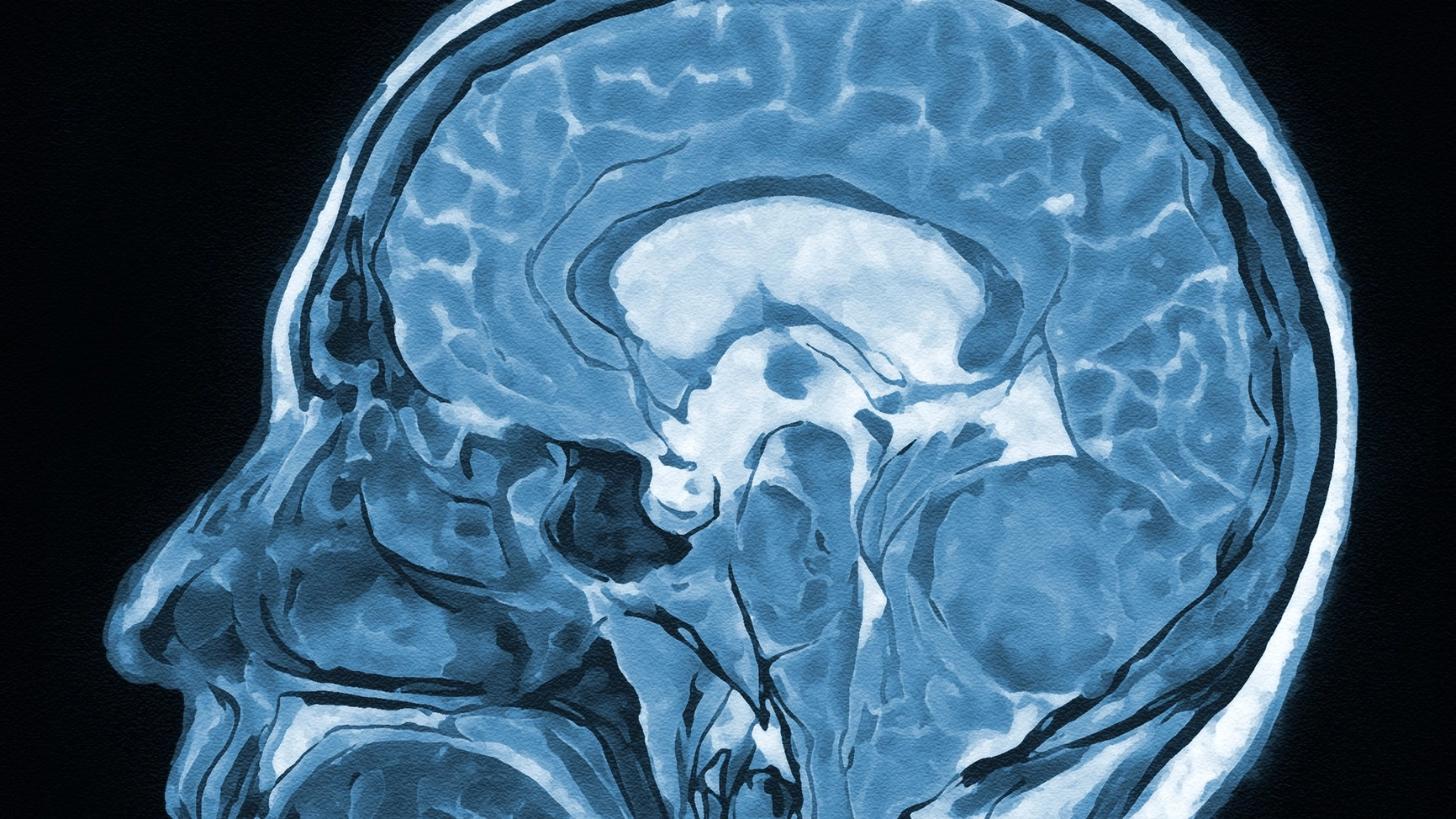
Featured Image Credit: A brain scan has revealed a big difference. (Getty stock)

Topics: Science, Health, Mental Health

Daniel Murphy
Daniel Murphy

Recommended reads

Lad shares update after 320 days of only training one trap to completely transform one side of his bodyInstagram/@thecrookedman10Psychic who ‘predicted’ Spain’s Euro 2024 win reveals how far England will go in World CupMatt McNulty - FIFA/FIFA via Getty ImagesNew York Knicks radio host caught on hot mic saying 'unfortunate' thing to Taylor SwiftAl Bello/Getty ImagesEngland fans baffled by what they did to pitch after huge thunderstorm delayed match with Costa RicaEddie Keogh - The FA/The FA via Getty Images

Advert

Choose your content:

an hour ago
2 hours ago
3 hours ago
  • Matt McNulty - FIFA/FIFA via Getty Images
    an hour ago

    Psychic who ‘predicted’ Spain’s Euro 2024 win reveals how far England will go in World Cup

    Nicolas Aujula thinks Rashford’s ‘legs’ and Kane’s ‘temper’ will lead to a ‘dramatic’ few weeks for England at the World Cup

    News
  • Eddie Keogh - The FA/The FA via Getty Images
    2 hours ago

    England fans baffled by what they did to pitch after huge thunderstorm delayed match with Costa Rica

    England thumped Costa Rica 3-0 in the final warm-up game before the World Cup

    News
  • Carl Recine/Getty Images Europe
    3 hours ago

    FIFA has World Cup 30-minute emergency rule that could delay matches by hours

    The new 30-minute rule introduced by FIFA could impact fans watching the games just as much as the players at the World Cup

    News
  • Sam Hodde/Getty Images
    3 hours ago

    FIFA president Gianni Infantino tells critics to ‘chill’ following World Cup backlash

    The Fifa boss reminded people they're not 'kings of the world' as fans slam 'World Cup of Chaos'

    News
  • True impact of weed on brain according to hundreds of thousands of scans
  • Doctor explains the key difference between having insomnia and struggling to sleep
  • Difference between social and regular smoker explained as doctor reveals extreme risks to body
  • Researchers discover potential breakthrough treatment for rare condition Céline Dion lives with