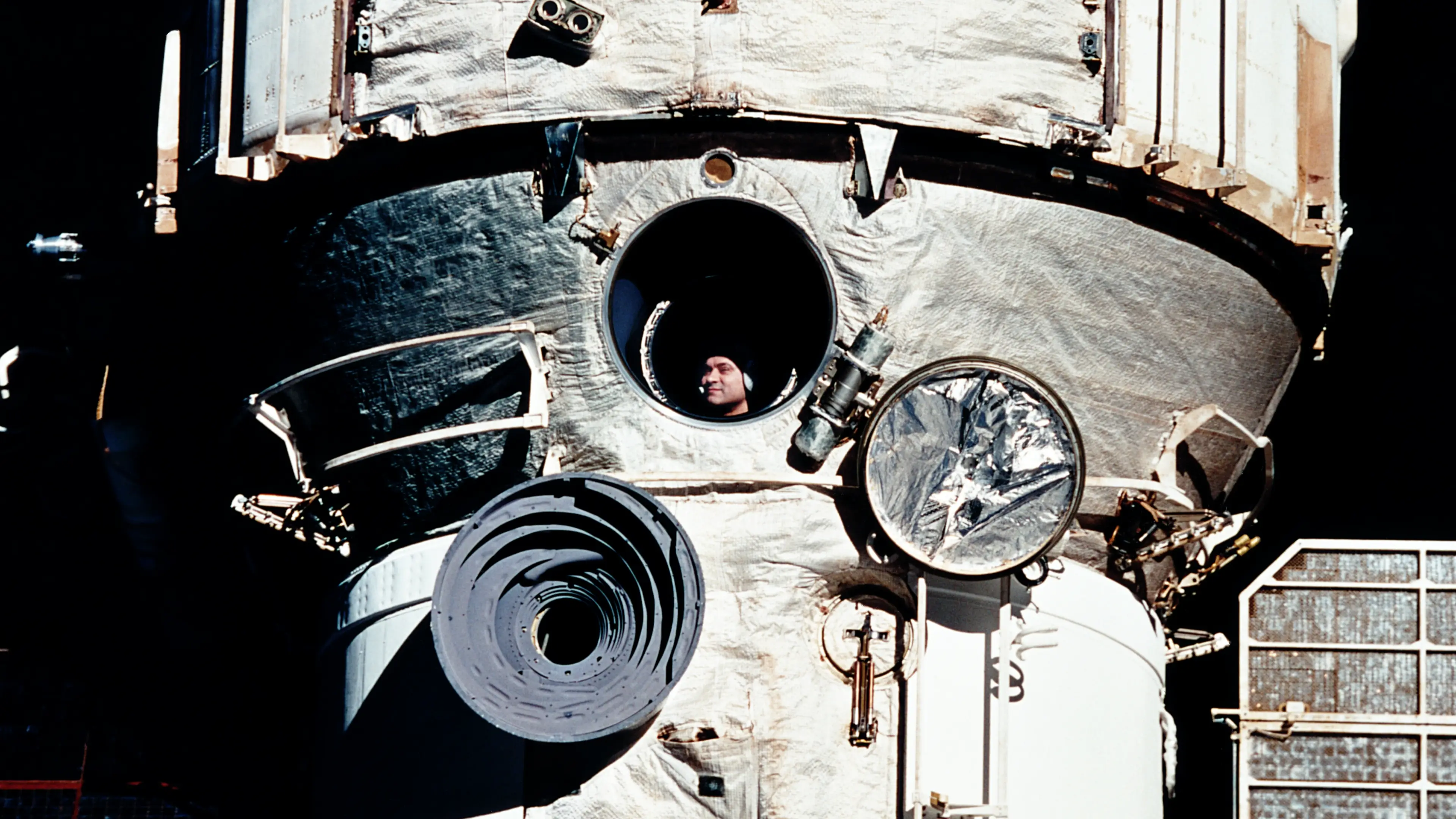
Russian cosmonaut who spent 14 months in space left scientists shocked after health was assessed

Scientists were left studying the health impacts on one Russian cosmonaut who to this day still holds the record for the longest time spent in space for one continuous trip off of planet Earth.
NASA astronauts Sunita 'Suni' Williams and Barry 'Butch' Wilmore are currently preparing to come back to our world more than nine months after leaving solid ground for the International Space Station in the summer of last year.
After technical issues on their Boeing Starliner spacecraft, they have had to wait until March 2025 for the SpaceX Crew-10 mission to finally reach the ISS and bring them back later this week.
But the nine months spent journeying through space is nothing compared to the man who holds the record for the longest single trip in space.
Advert
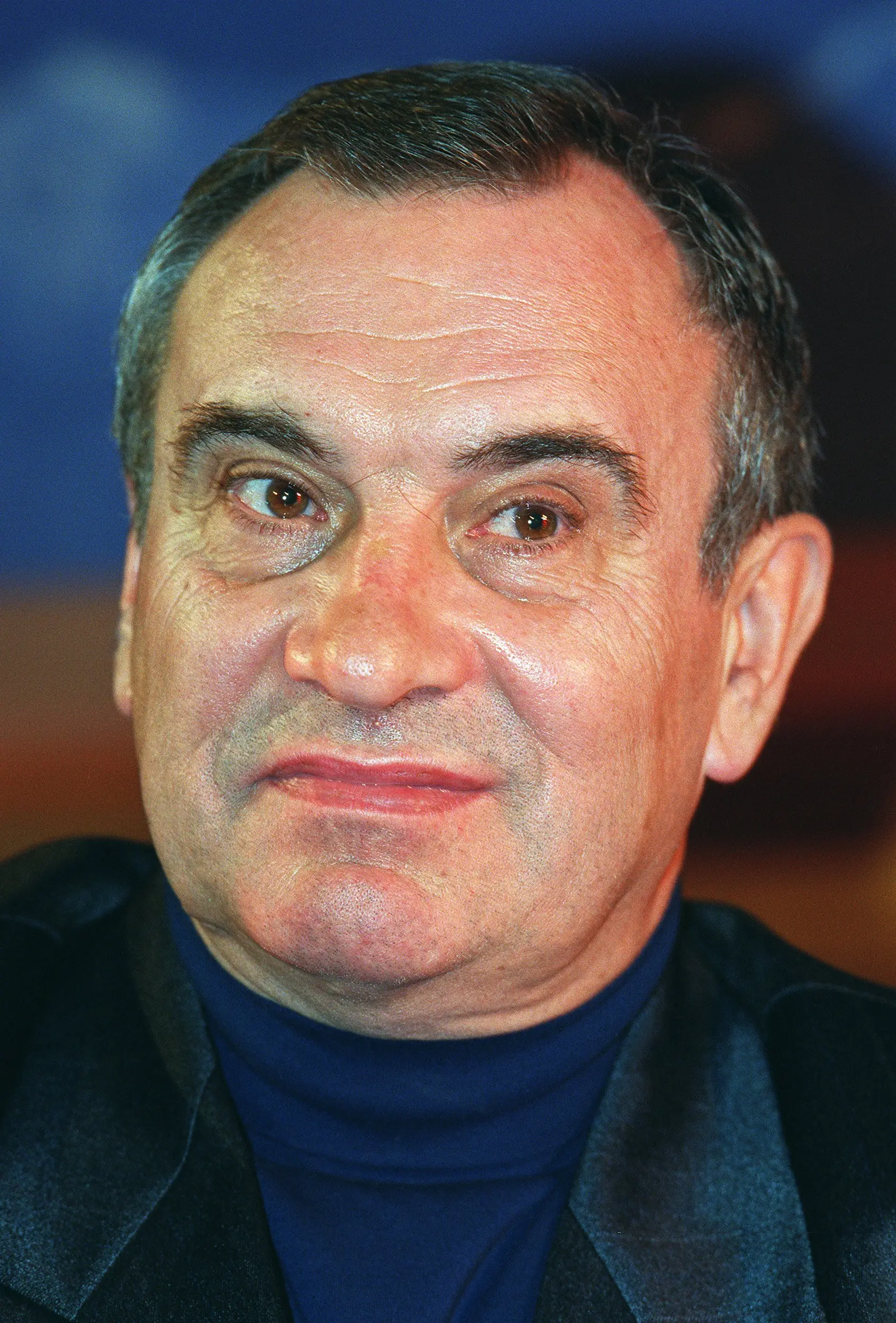
Who was Valeri Polyakov?
Born in the city of Tula in Soviet Russia, Polyakov is one of Russia's most glorified cosmonauts having taken to the void of space as part of the Soviet space program and later, the Russian Federal Space Agency.
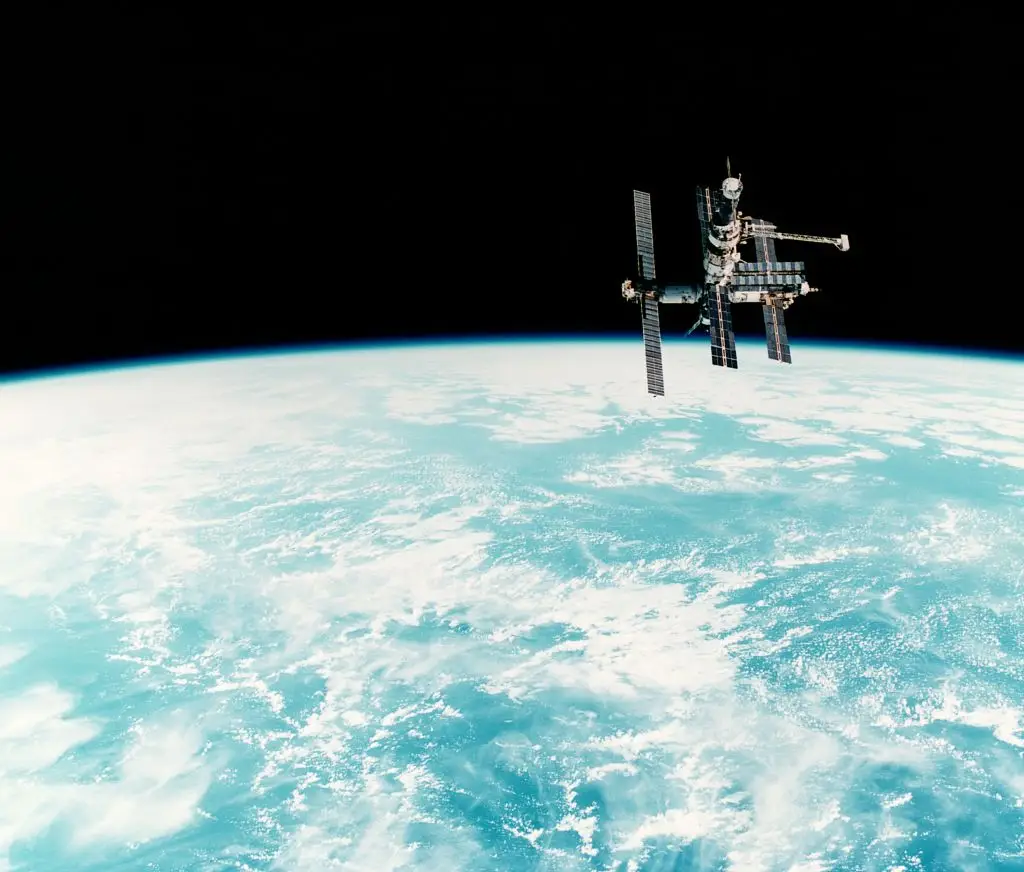
Specialising in space medicine during his university years, the doctor by trade first went to space back in 1988 where he stayed on board the Mir space station for 240 days (just short of eight months).
But it was his second journey in 1994 into space that put him in the record books, with Polyakov returning to the Mir space station. This time he stayed on board the spacecraft for a whopping 437 days.
Roughly, he spent a total of 14 months and 17 days in space uninterrupted; a record to this day. It had meant to be 16 months in total but was cut short due to scheduling issues and a NASA visit to Mir.
During his time in space, Polyakov went around the Earth more than 7,000 times.
What happened to Polyakov's health after so long in space?
Naturally, there are questions about how the health of NASA astronauts Williams and Wilmore will be impacted by spending more than nine months in space with zero gravity.
Well, the same questions were asked of Polyakov back in 1995 when he returned to Earth. And after crash landing back on the planet, he became somewhat of a guinea pig for those studying the impact weightlessness in space would have on a human's body as well as their mental state.
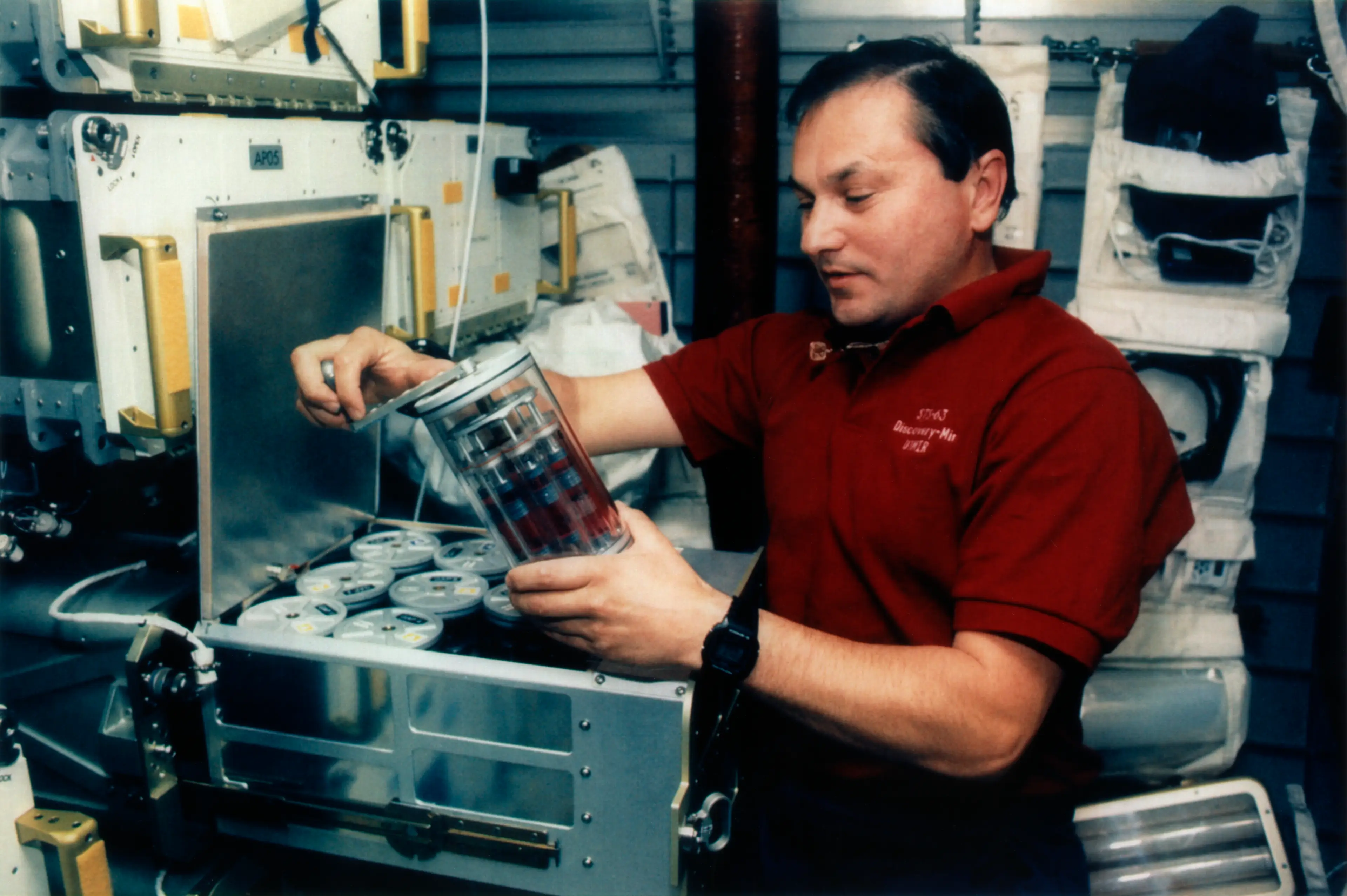
During his trip, he conducted 25 life science investigations with a particular focus on a human's muscular system in space; lung and immune system performance; diet; blood and central nervous system performance; and the role of the inner ear in keeping a person's balance.
He also stayed fit during his time in space, exercising for two hours a day, every day.
Did the cosmonaut's health suffer due to being in space?
Studies showed that Polyakov experienced no measurable decline in his cognitive ability.
Physically, he grew two and a half inches from 6ft 2.5in to 6ft 5in after his spine straightened out with no gravitational force on his body. The issue with this was his space shuttle came with a bespoke chair for him; something that was a little more cramped as a result in the journey back.
Returning to Earth, he walked out of his space shuttle to a nearby chair where he sat, enjoyed a cigarette, and drank a glass of brandy.
"That was pretty much the goal of the flight. I had to show that it is possible to preserve your ability to function after being in space for such a long time," he once said on why he did this upon his return.
On Polyakov's mental health and ability to transfer from a reclusive life on board a space station to the real world back in Russia, one 1998 study found him to have 'impressive stability' after initial stress and low mood in the first few weeks in space and then back on Earth.
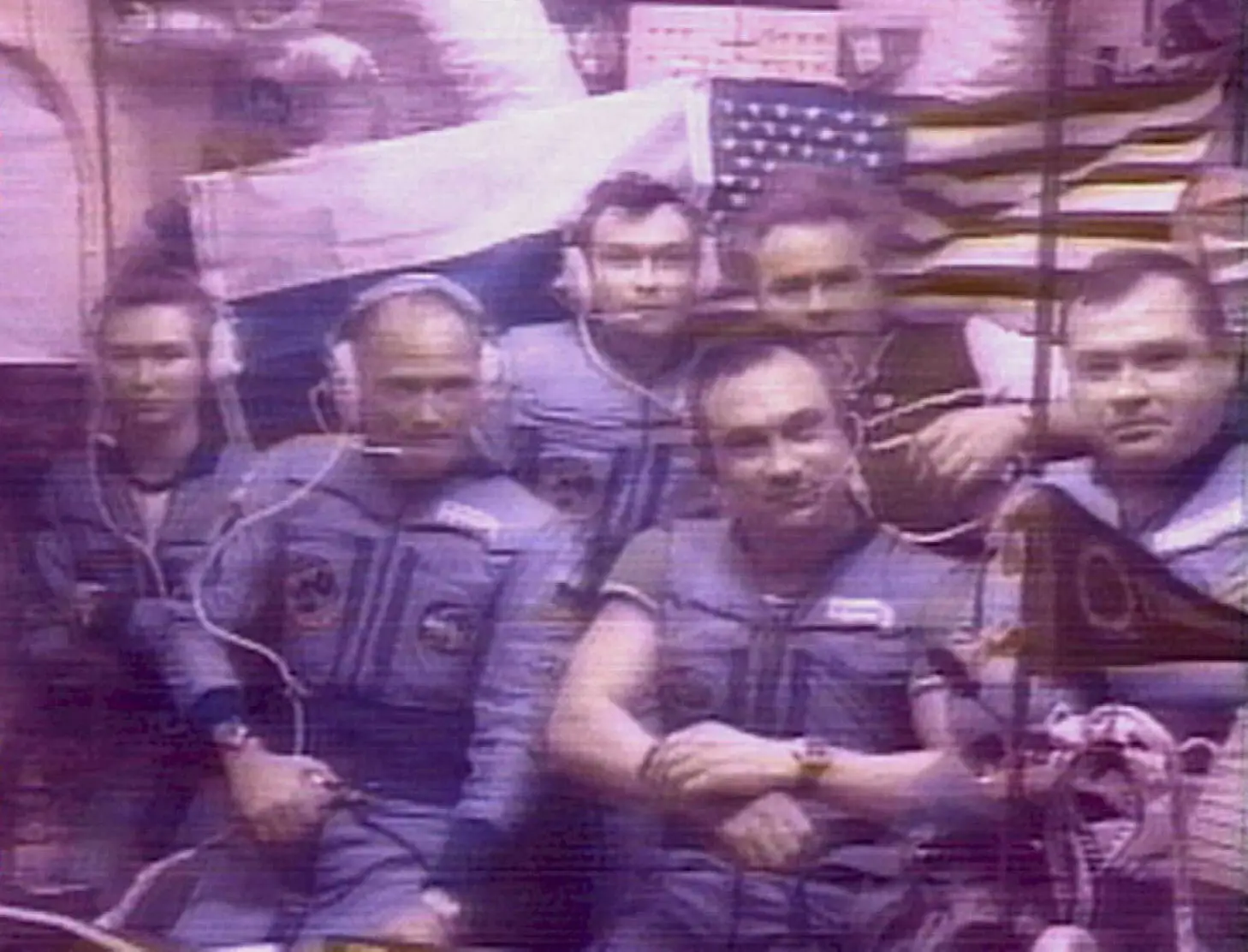
"Comparisons of pre-flight, in-flight, post-flight and two follow-up assessments six months after the mission revealed no impairments of basic cognitive functions during the flight; and clear impairments of mood, feelings of raised workload, and disturbances of tracking performance and time-sharing during the first three weeks in space and the first two weeks after return to Earth," the paper noted.
It also said Polyakov had 'an impressive stability of mood and performance during the second to fourteenth month in space, where mood and performance had returned to pre-flight baseline level'. He also had no long-lasting performance deficits at follow-up assessments.
The paper noted that the first three weeks in space and the first two weeks returning to Earth are the periods in which the 'adverse effects are to be expected induced by the demands to adjust to the extreme environmental changes'.
Polyakov's time in space proved to space agencies around the world that the human body could withstand prolonged periods of time in space and opened up the possibility of deep space exploration. He died at the age of 80 in 2022.
 Tom Earnshaw