
Insane footage shows what rare solar eclipse looks like from plane

Looking at the rare solar eclipse may have been jaw-dropping down on Earth, but new footage showing the phenomenon from an aeroplane is possibly even more insane.
On Wednesday evening (12 August), millions across the UK and Europe witnessed a solar eclipse. It was the first full eclipse since 1999, and for many would be a long awaited and once-in-a-lifetime sight.
It began at around 6pm in the UK, although was only a partial eclipse for much of Britain and western Europe, at around 92 percent.
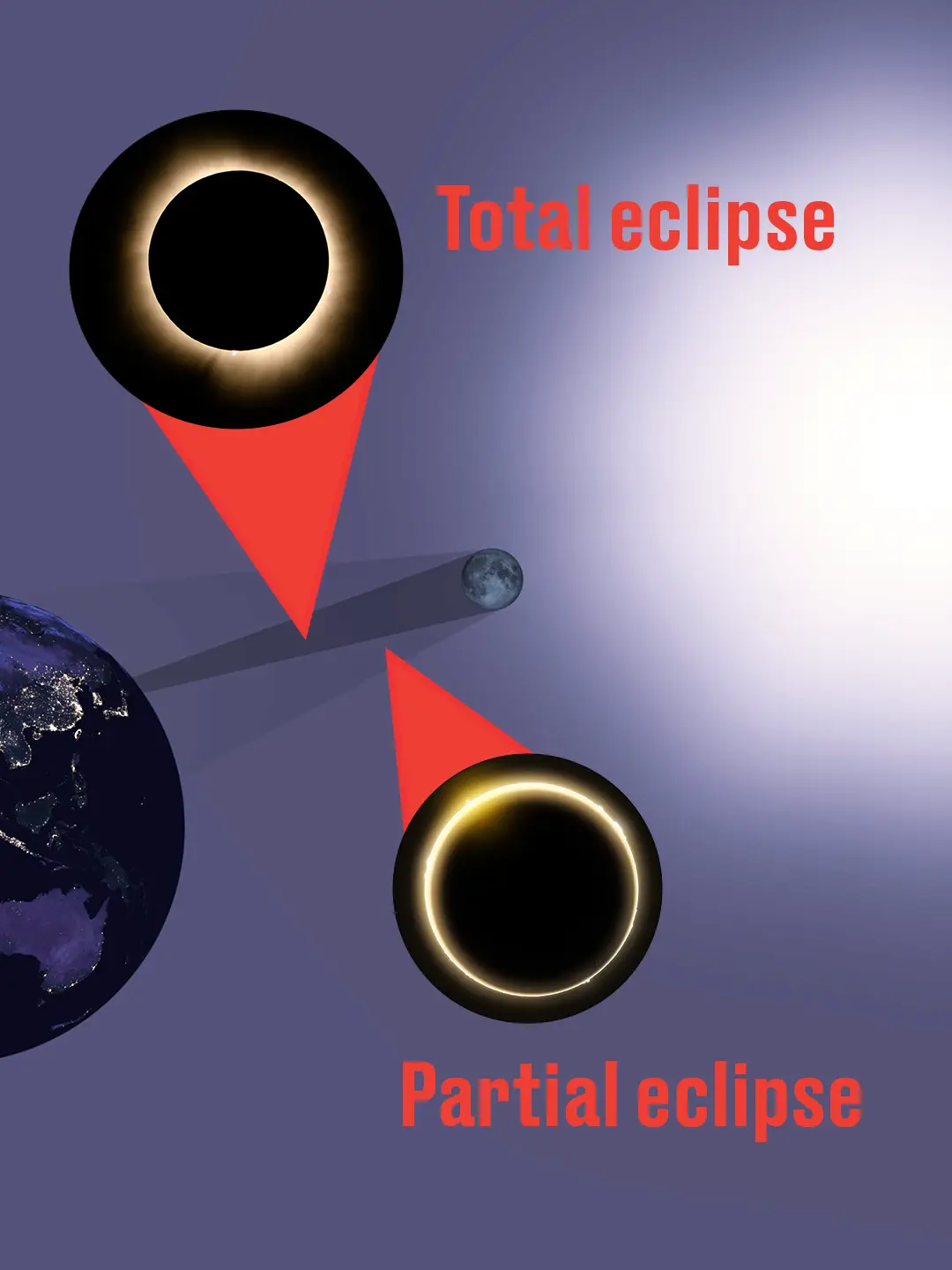
Yet some people in areas in Greenland, Portugal and Spain were treated to what is known as a a 'totality', when the Moon passes directly between the Earth and the Sun, leaving a strip of the Earth's surface in darkness.
Advert
Video footage posted on X has now shown just what the phenomenon looked like when tens of thousands of feet in the sky, and it's utterly jaw-dropping:
There had been warnings about looking at it directly, and tips had been issued on how to to capture it on a mobile phone or look at it through special glasses. But for pilots in the sky, they got a completely uninterrupted view.
The sky was seen in the clip turning a hazy orange hue before the perfect shot captured the Moon covering the Sun's rays, plunging the sky into a moment of darkness.
Another video, shared by BNO News showed what the eclipse looked like as filmed on a Iberia Airlines flight over Spain on Wednesday. Take a look:
Reacting to the footage, one person on X wrote: "That's a magnificent video. I wish I could have been there," as another described the view as 'stunning'.
When will the next full solar eclipse be?
The next full solar eclipse isn't expected now until 2090, but there are a few other sun and moon eclipse events over the next year that could be more noticeable depending on where you are.
On 6 February next year, there will be what is called an 'annual solar eclipse', which is when the Moon is slightly too small in the sky to completely cover the Sun, so at maximum eclipse it creates a 'ring of fire' around the Moon.
NASA has confirmed that in 2027, the annular path will cross parts of South America and Africa as well as the South Atlantic Ocean. It will be visible across much of South America, the western half of Africa and parts of Antarctica.
According to Timeanddate, there are various eclipse events worldwide in 2027. A partial lunar eclipse is first listed for 27 August this year, which is when the Earth moves between the sun and the full moon, but they are not precisely aligned.
This will be visible across much of the world, especially North and South America as well as parts of Europe and Africa.
A partial solar eclipse, nicknamed the Eclipse of the Century, will then occur at the moon's descending node of orbit on 2 August next year, which will be visible mainly across northern Africa and southern Europe. In the UK, the cosmic event will begin around 9am and end around an hour later.
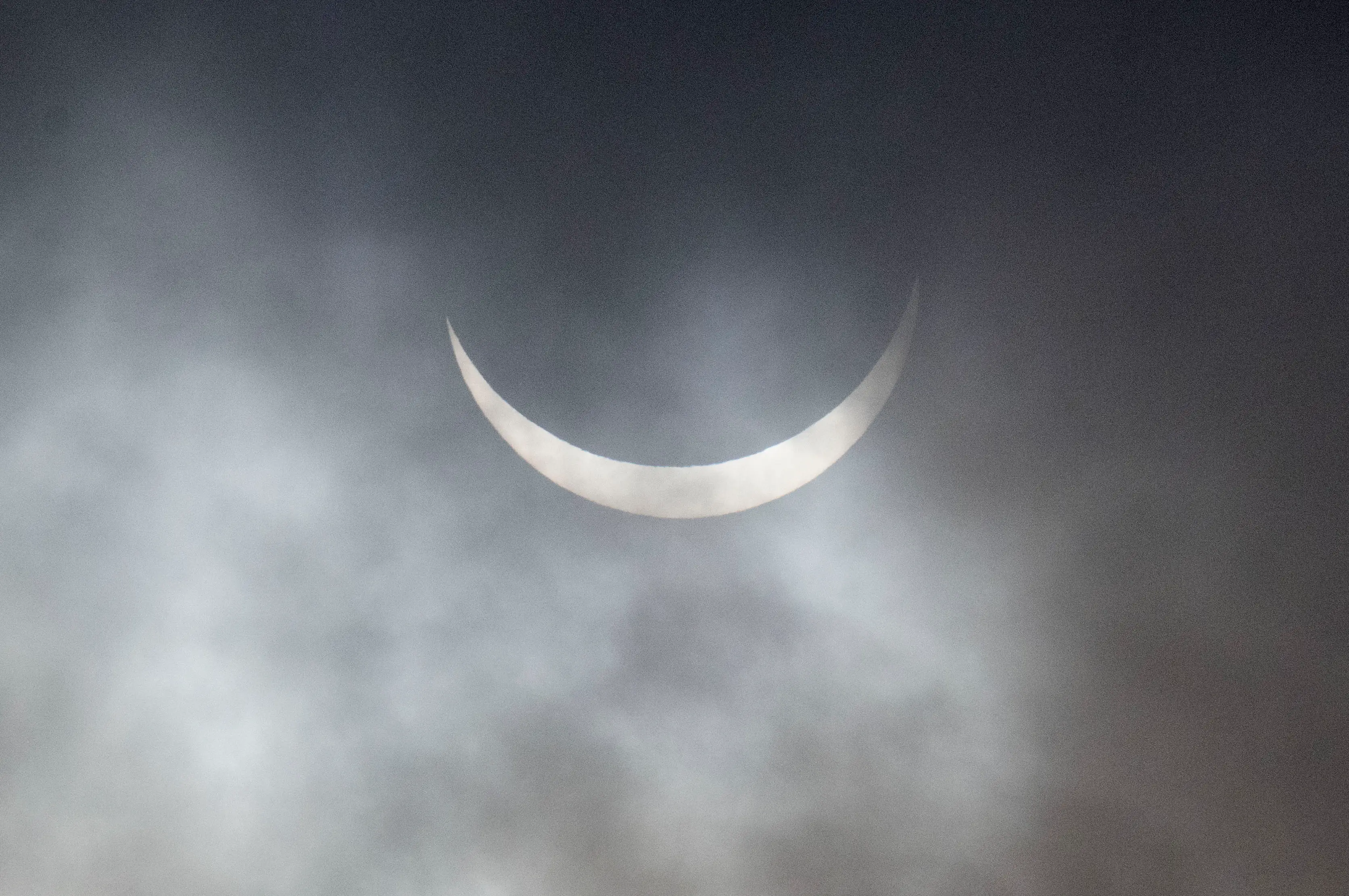
The next solar eclipse that will see the Sun covered by the Moon more than 90 percent won't be until 2081, according to scientists.
As per the Royal Museums Greenwich, it is predicted that up to 99 percent of the Sun will be obscured by the Moon on September 3 that year, with the south coast of the UK deemed the best place to observe it.
It will then be another nine years until the rare celestial phenomenon is observed again. The UK is set to get another total solar eclipse on September 23, 2090.
 James Holt