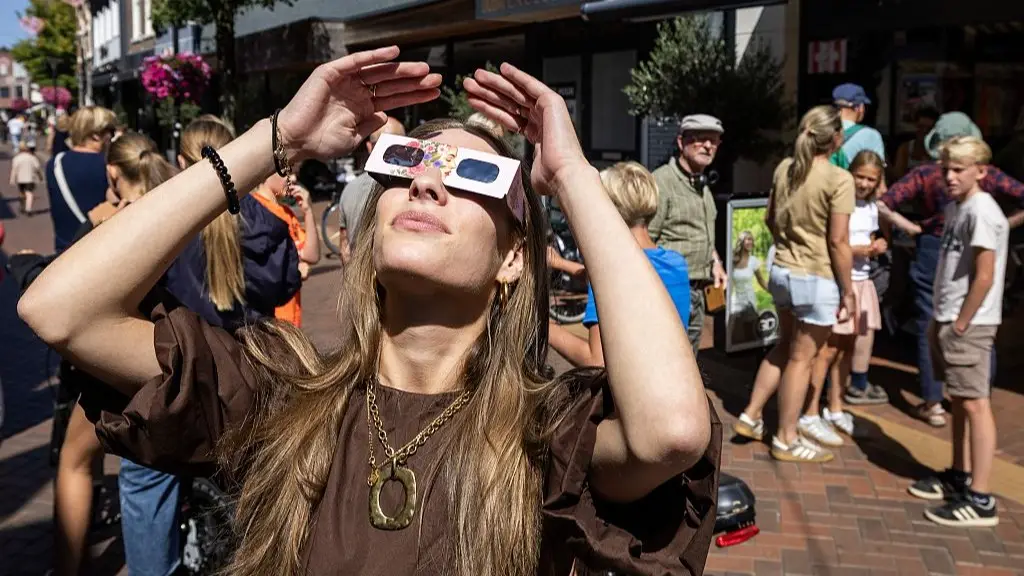
Signs you need to seek urgent medical advice after looking at the solar eclipse

There are seven dangerous symptoms you should be on the look out for if you looked at the sun during the historic solar eclipse.
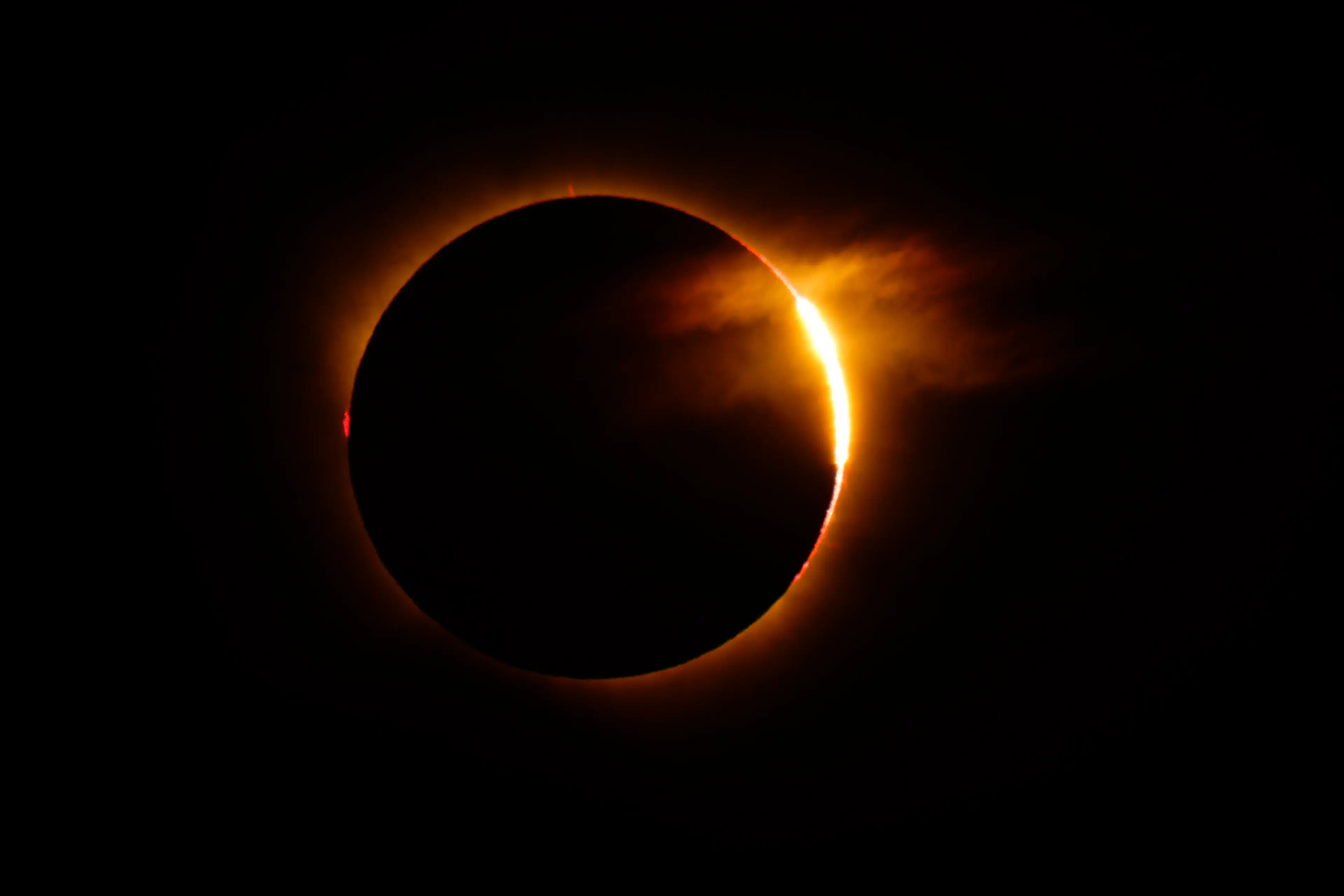
The United Kingdom enjoyed its deepest solar eclipse since 1999 on Wednesday, August 12, with up to 96 per cent of the sun being covered by the moon at around 7:10pm at the 'eclipse maximum.'
Unlike parts of Iceland and Northern Spain which enjoyed a total eclipse and were briefly cast into darkness, it remained bright in the UK with even such a small slither of the sun still poking through, with only a minor decrease in light and temperature.
As a result, and as had been warned repeatedly in the lead up to the eclipse, looking directly at the sun was still extremely dangerous as it could have caused severe damage to eyesight.
Advert
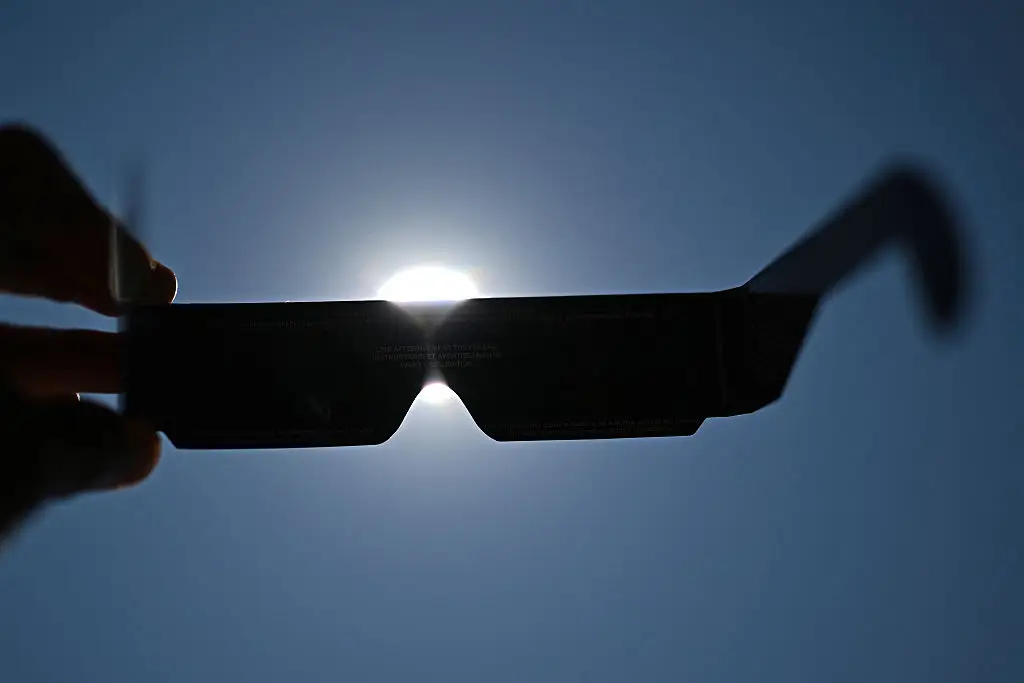
Instead, to enjoy the eclipse in all its celestial glory, you had to wear certified eclipse glasses that blocked out the sun's dangerous rays or make use of pinholes, cereal boxes and colanders.
If you did look directly at the sun though, however briefly, you must be aware of the symptoms you could now go on to suffer.
Alex Ionides, consultant ophthalmic surgeon at Moorfields Eye Hospital, said: “If someone has looked at the sun and subsequently develops any of the following symptoms, they should seek urgent medical attention."
The seven symptoms are:
- Eye pain
- Redness
- Grittiness or irritation
- Blurred vision
- Distorted vision
- New dark spots in your vision
- Sudden changes in sight
Ionides continues: “Prompt assessment can help identify the cause of your symptoms and ensure appropriate treatment or monitoring.”
How looking at the sun during eclipse could damage your eye sight
Ionides also explained why looking at the sun can be so dangerous for the eyes.
He said: “One of the most common misconceptions is that a partial eclipse makes it safe to look at the sun.
"In reality, even during an eclipse, the sun remains bright enough to damage the delicate tissues of the eye.
“The retina is the light-sensitive layer at the back of the eye that allows us to see. When you look directly at the sun, the bright light and ultraviolet radiation can damage retinal cells.
"This condition is known as solar retinopathy."
He continued, explaining the condition and how it might not actually cause you initial pain, meaning it's harder to spot at first.
He added: “Solar retinopathy can develop after only a short period of exposure. The damage may not be painful, so people often do not realise there is a problem until hours later.
“Symptoms can include blurred vision, distorted vision, reduced colour perception, difficulty reading, or a dark spot in the centre of vision. In some cases, the effects improve over time, but permanent vision loss can occur in some cases.
“Many people assume that ordinary sunglasses will protect their eyes. Properly accredited UV sunglasses are essential for everyday wear to protect your eyes from the sun’s harmful effects.
“Unfortunately, sunglasses do not provide sufficient protection against looking directly at the sun, particularly for prolonged periods."
Watching the eclipse on planet earth was stunning enough, but an even better view has gone viral on social media.
There are multiple videos featuring incredible footage of the total eclipse from a front row seat aboard aeroplanes.
The next eclipse is due in just 177 days, but it will look very different.
How often do solar eclipses occur and when are the next ones?
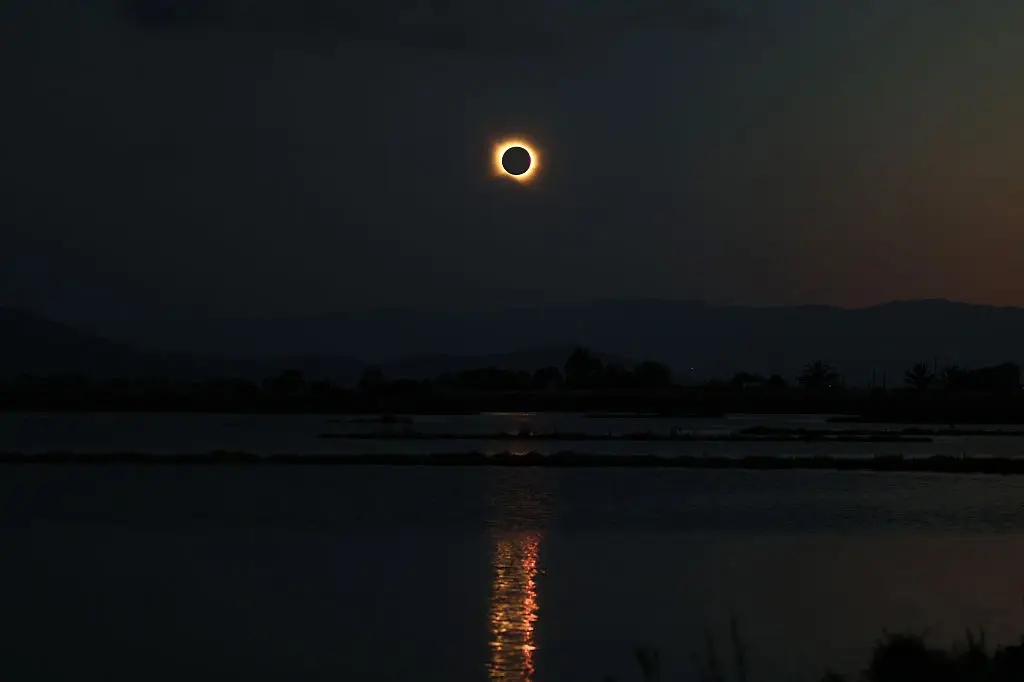
Wednesday’s solar eclipse is the closest to a total eclipse we’ve seen in the UK in 27 years. Brits will have to wait another 64 years to see the next total solar eclipse and 55 years for a comparable partial eclipse.
Here are the upcoming solar eclipses in the UK:
2030 - 50 percent eclipse
2053 - 40 percent
2066 - 60 percent
2075 - 70 percent
2081 - 99 percent
2082 - 70 percent
2088 - 40 percent
2090 - 100 percent
 Daniel Murphy