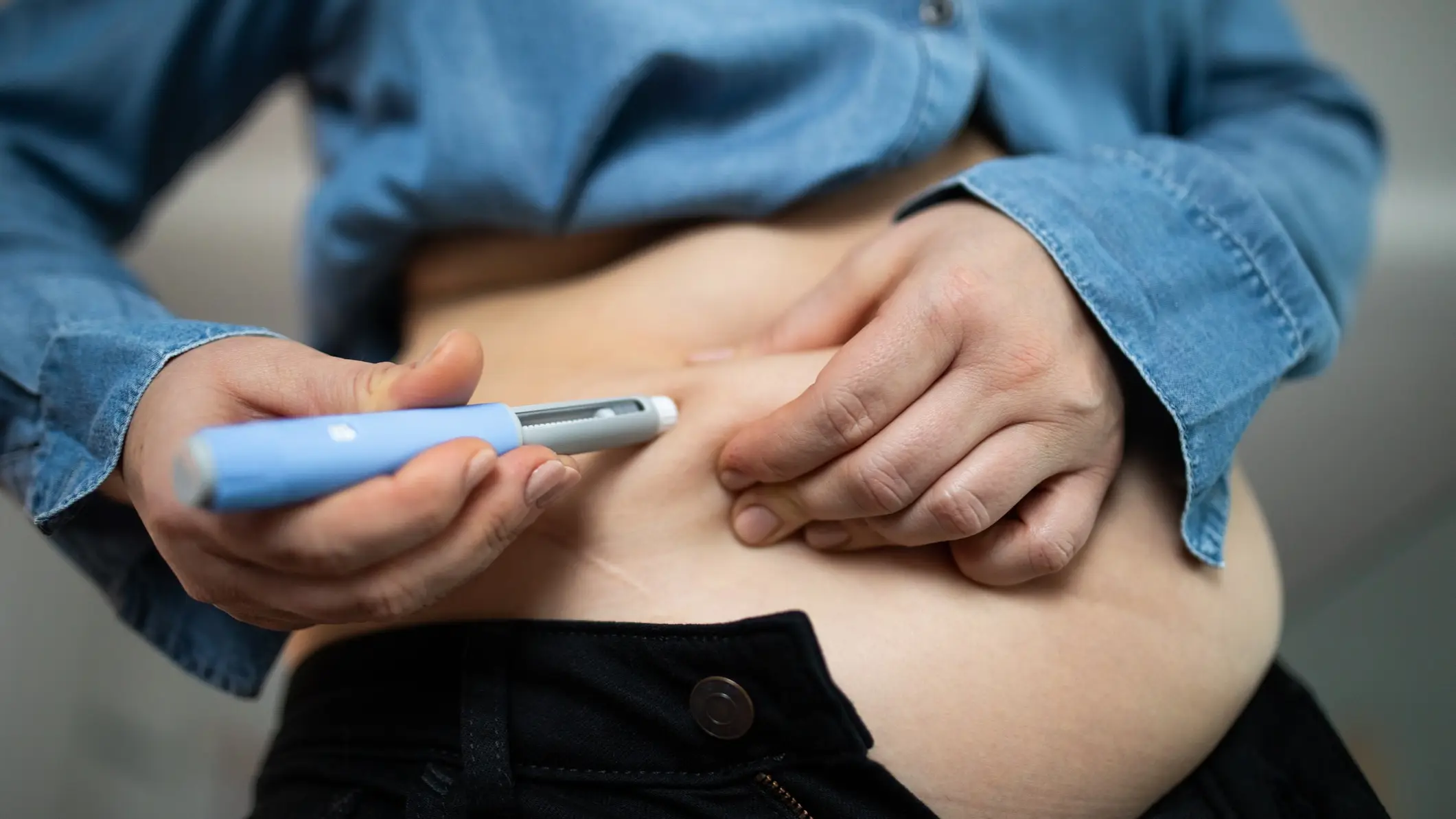
New study finds weight loss jabs could halve the number of sick days people take off work

A new study suggests that people taking weight loss jabs might only need half the number of sick days they'd typically take as they get healthier and less likely to need time off to see a doctor.
Researchers studied 1,270 NHS patients on Oviva’s tier 3 weight management programme who were severely obese with an average BMI of 45, which dropped to 39 after nine months of the jabs.
After nine months the patients were more productive and took 45 percent fewer sick days, while there was also a 56 percent drop in long-term absences of five days or more from work.
As much as some people would really rather not be in work sometimes it's very much not fun to have to take a sick day when you need one, let alone suffer with something that might need you to be off for several days.
Advert
The patients being monitored were dealing with at least three serious health conditions, with anxiety, high blood pressure and Type 2 diabetes the most common ailments.
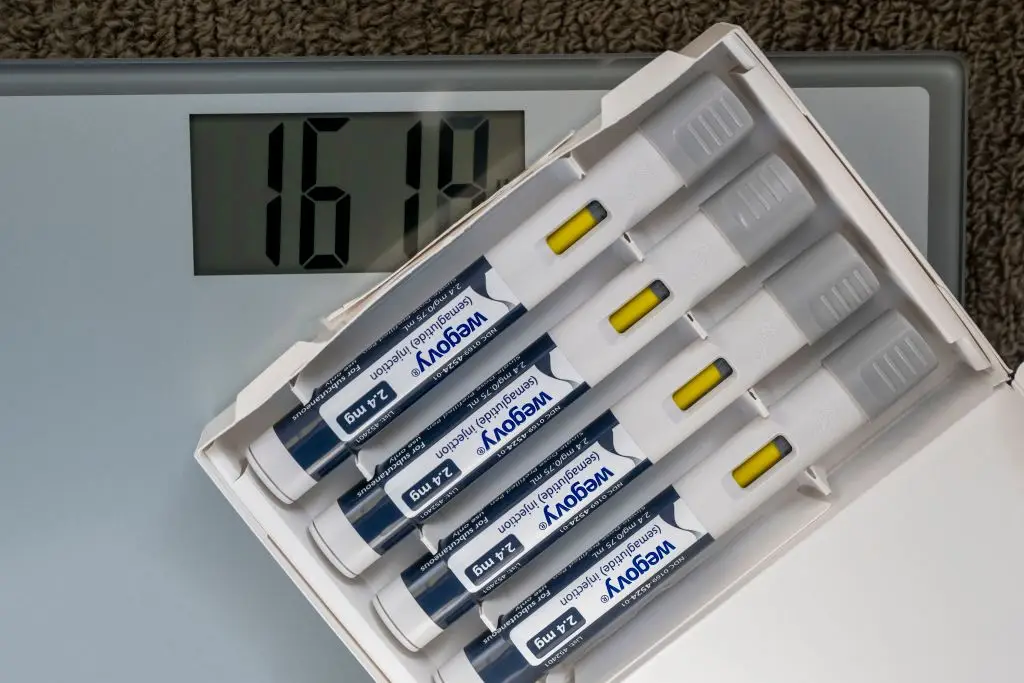
Most of the patients were on Wegovy weight loss jabs and over the course of nine months shed an average of 12.4 per cent of their body weight.
As well as the reduction in sick days they also found they needed to see a doctor less often, as face-to-face GP appointments among the group of 1,270 dropped by 43 percent and remote consultations reduced by 48 percent.
60 percent of those participating in the study said they didn't even need to contact their GP at all, despite having multiple health conditions to manage.
Another study of 738 patients on weight loss jabs found their visits to A&E reduced by a quarter.
Martin Fidock, the UK managing director of Oviva, said: "Britain is in the grip of a productivity crisis, and obesity is one of the biggest drivers.
"Our data shows that when people get the right treatment – jabs combined with proper clinical support – they don’t just lose weight. They get back to work, stop relying on their GP and start living again."
You can talk about productivity as much as you like and how getting people healthier gets them back into work but in general they appear to have been far less burdened by medical issues by the end of the nine months than the beginning.
Researchers suggested that expanding the availability of weight loss drugs to the obese could free up as many as 10 million GP appointments and save the NHS as much as £364 million a year.
Weight loss jabs are being made available on the NHS but there is a significant demand for them and as such people have certain criteria to meet.
 Joe Harker