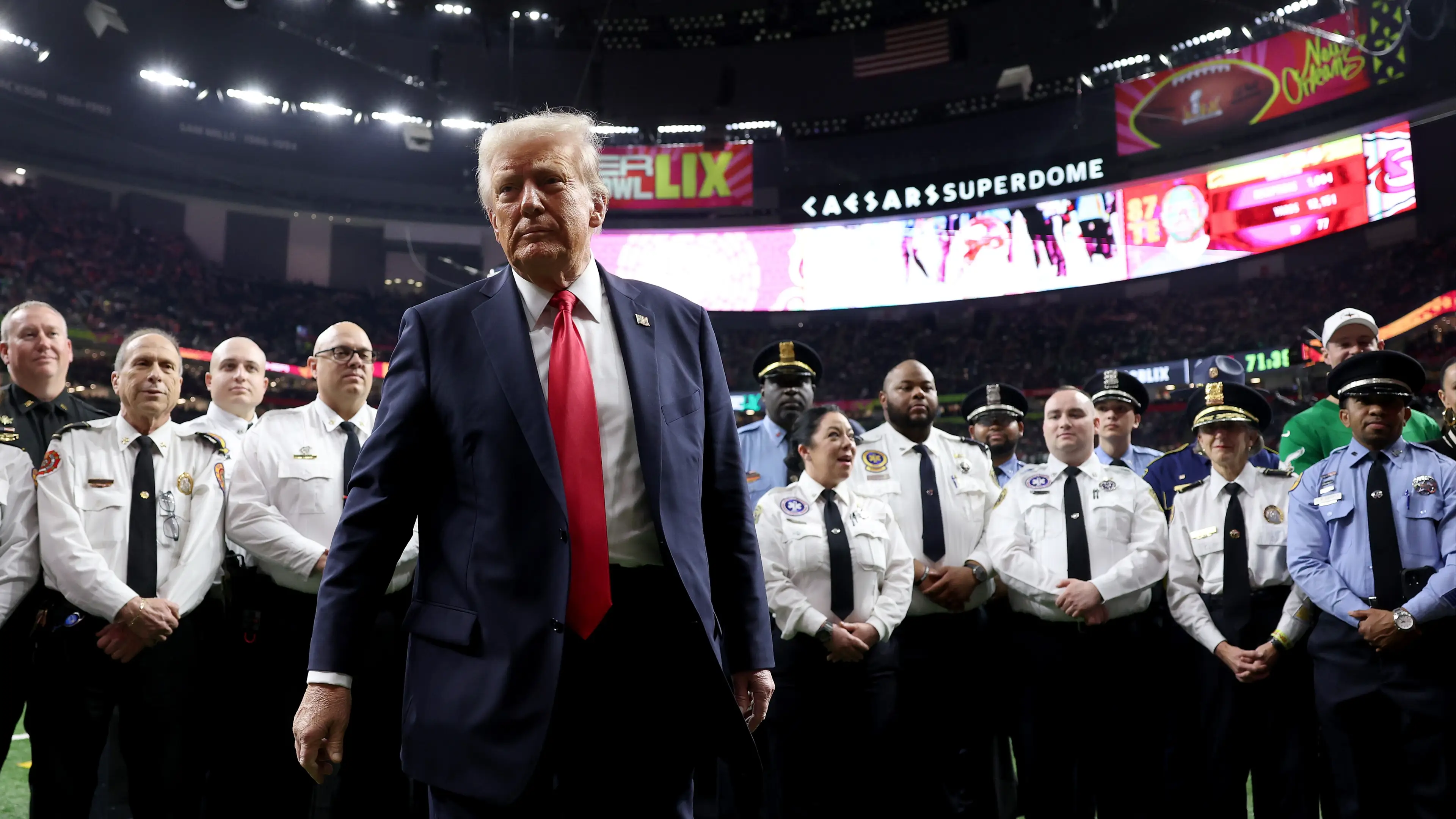
Why Donald Trump won't be at Super Bowl after leaving early last year

Donald Trump has given two reasons explaining why he won't be attending this year's Super Bowl.
The 79-year-old became the first sitting US President to attend the NFL championship game last season, as he looked on from the stands while the Philadelphia Eagles defeated the Kansas City Chiefs, 40-22.
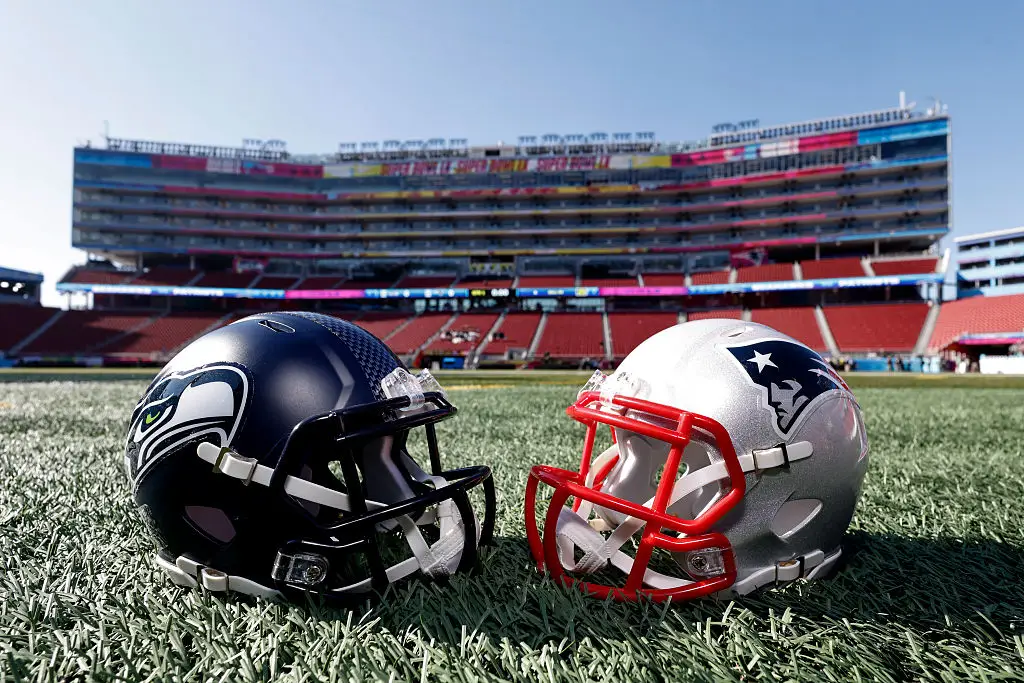
This year, the New England Patriots and the Seattle Seahawks will be battling it out to determine which side will take the Vince Lombardi trophy home.
There'll likely be no Taylor Swift in the crowd this year, as her NFL boyfriend Travis Kelce and his Chiefs missed out on the play-offs altogether in a disappointing 2025 season.
Advert
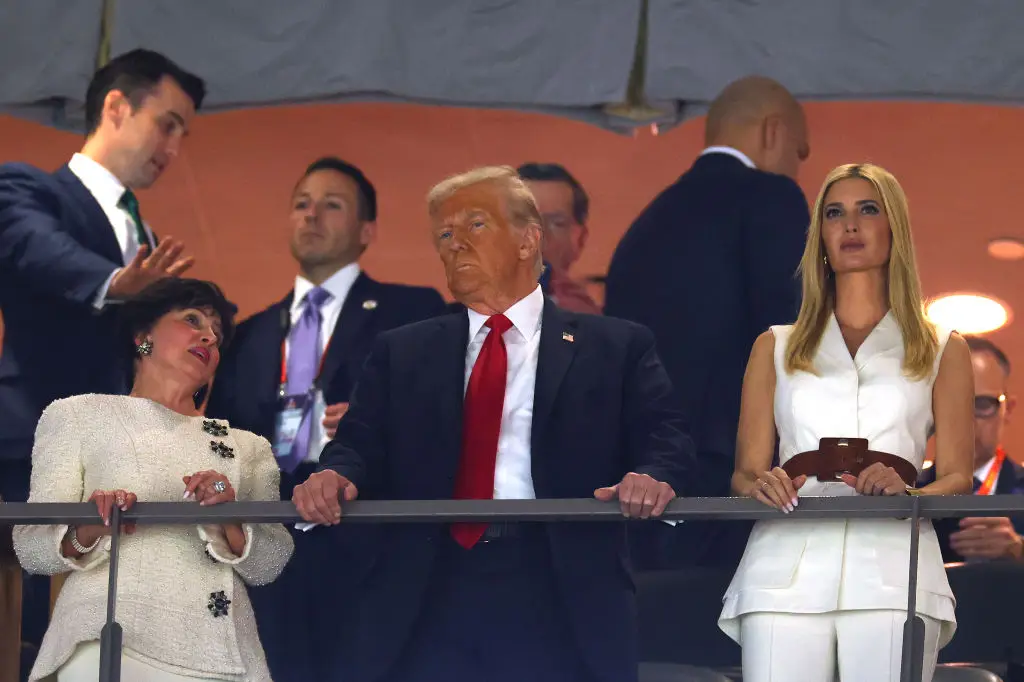
But one other big name missing will be President Trump himself, who told the New York Post: “It’s just too far away,” adding: “I would go if, you know, it was a little bit shorter.”
Flights from the US capital of Washington D.C to California, where the game is being held, range from five to six hours, so he isn't wrong in suggesting that it'd be a long trip, but whether or not that's actually a factor, I guess we won't know.
Super Bowl LX will be played on Sunday 8 February at Levi’s Stadium in Santa Clara, which is part of the San Francisco Bay Area.
Despite this detail, Trump will be missing the Super Bowl, the biggest single-day sporting event in the US, for the first time in his second term.
The President also wasn't shy in showing his disdain for this year's musical performers, with Green Day covering the opening ceremony, while Puerto Rican phenomenom Bad Bunny will take to the stage for the famous half-time show.
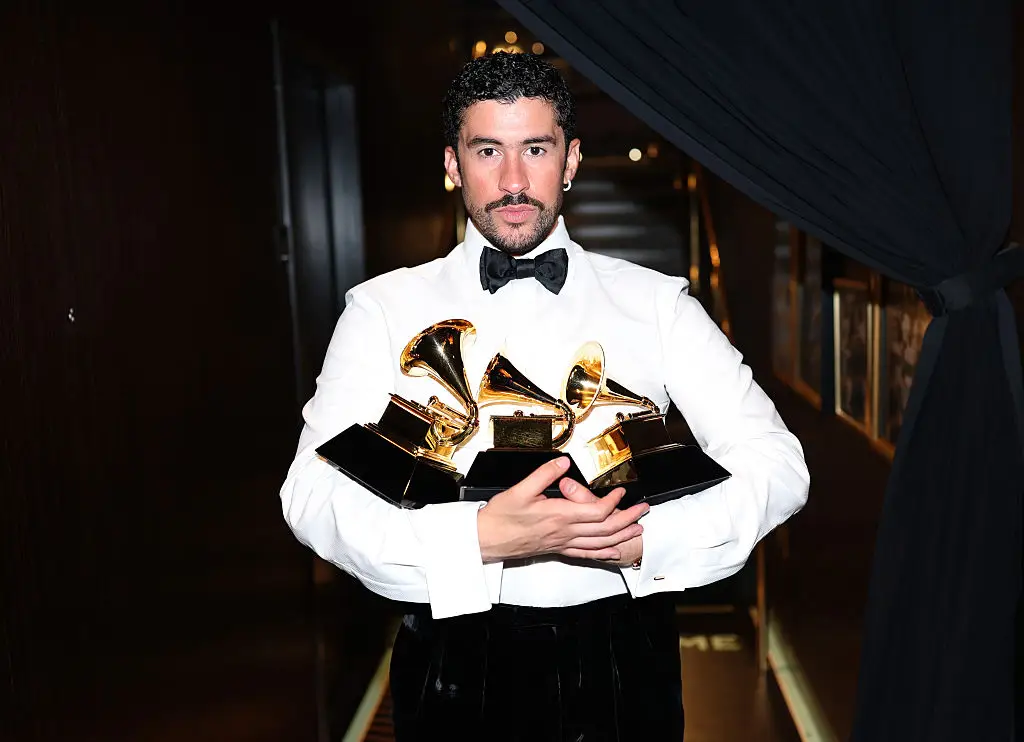
“I’m anti-them,” Trump admitted, adding: “I think it’s a terrible choice. All it does is sow hatred. Terrible.”
Bad Bunny made headlines last year after he refused to perform in the US over fears that there would be ICE raids at his concerts, though he would accept the invitation to perform at the Super Bowl.
The artist, who has almost 84 million monthly listeners on Spotify, has since released a statement explaining his decision.
He said: “What I’m feeling goes beyond myself, it’s for those who came before me and ran countless yards so I could come in and score a touchdown. This is for my people, my culture and our history.”
Green Day on the other hand, has swapped a line in one of its most iconic songs, 'American Idiot', since Trump's first term in office.
The American band changed, 'I’m not part of a redneck agenda' to 'I’m not part of the MAGA agenda.'
In protest, Turning Point USA, the conservative non-profit founded by the late Charlie Kirk, announced that they would broadcast their own half time show on conservative outlets, called the 'All American Halftime Show'.
Questions over Trump's decisions persist, as he has already flown to Switzerland, Detroit and Palm Beach this year.
The President has attended several sporting events over the years, such as this year's College Football Playoff title game and last year's editions of the Army-Navy college football game, the U.S. Open and the Ryder Cup.
Most controversial Super Bowl commercials
Nowadays, Super Bowl ads almost rival the game itself, with brands willing to fork out millions to secure a coveted spot during one of the most-watched events on TV.
However, over the years, some have sparked controversy, provoking heated debates and public backlash.
Let's take a look back at some of the most controversial Super Bowl commercials…
Carl’s Jr.: All Natural Burger (2015)
Featuring model Charlotte McKinney walking through a market wearing little clothing and gaining a lot of attention from men, the fast food chain’s ad was criticised for objectifying women.
If that wasn’t enough, last year, influencer Alix Earle donned a bikini top to promote the company’s ‘Hangover Burger’ in a commercial that TV watchdogs likened to ‘soft core porn’.
PETA: Last Longer (2016)
Ahead of Super Bowl 50, PETA submitted a racy commercial that compared the sexual stamina of a meat-eating couple and a vegan couple. It ultimately didn’t make the cut as it was deemed too explicit for TV.
GoDaddy: Journey Home (2015)
The controversial ad followed a puppy’s journey home after falling off a pick-up truck, only to find that his owners had sold him using a GoDaddy site.
After receiving backlash from animal rights organisations, GoDaddy’s then-CEO, Blake Irving, announced: “What should have been a fun and funny ad clearly missed the mark and we will not air it.”
Groupon: Save the Money - Tibet (2011)
Groupon’s commercial received criticism after appearing to make light of Tibet’s political situation.
“The Tibetan people are in trouble,” actor Timothy Hutton said in a voiceover. “Their very culture is in jeopardy.”
Cutting to a shot of Hutton in a restaurant, he added: “But they still whip up an amazing fish curry. And since 200 of us bought on Groupon.com, we're getting $30 worth of Tibetan food for just $15.”
A blog post from the company explained: “Since we grew out of a collective action and philanthropy site (ThePoint.com) and ended up selling coupons, we loved the idea of poking fun at ourselves by talking about discounts as a noble cause. So we bought the spots, hired mockumentary expert Christopher Guest to direct them, enlisted some celebrity faux-philanthropists, and plopped down three Groupon ads before, during, and after the biggest American football game in the world."
Yeezy (2025)
Days after making a series of highly offensive antisemitic tweets, Kanye West appeared in a bizarre ad for his Yeezy brand. While it did not air nationally, those who did see it were left outraged.
“So what’s up, guys, I spent, like all the money for the commercial on these new teeth. So once again, I had to shoot it on the iPhone,” he said while lying in a dentist's chair, before telling viewers to ‘go to Yeezy.com’.
Shockingly, the website was selling t-shirts with a swastika on them.
Nationwide: Boy (2015)
Nationwide’s tragic ad featured a young boy talking about the life experiences he’d never get to have because he died in an accident.
After being met with outrage from unsuspecting viewers, the company said the message ‘was to start a conversation, not sell insurance’.
“We want to build awareness of an issue that is near and dear to all of us-the safety and well-being of our children,” it added.
General Motors: Robot (2007)
The 60-second commercial showed an assembly line robot jumping off a bridge after being dismissed by General Motors.
Although it turned out to be a dream, viewers slammed the visual depiction of suicide, and the American Foundation for Suicide Prevention called it ‘inappropriate’.
Groupon: Save the Money - Rainforest (2011)
Part of the same campaign as Groupon’s Tibet ad, the Elizabeth Hurley-fronted commercial was accused of trivialising Brazil’s deforestation after seemingly comparing it to a Brazilian bikini wax.
Groupon founder Andrew Mason said the ad was not meant to cause offence, and was aimed at highlighting important causes.
Topics: Bad Bunny, Donald Trump, NFL, Super Bowl, Music, US News
 Joshua Nair