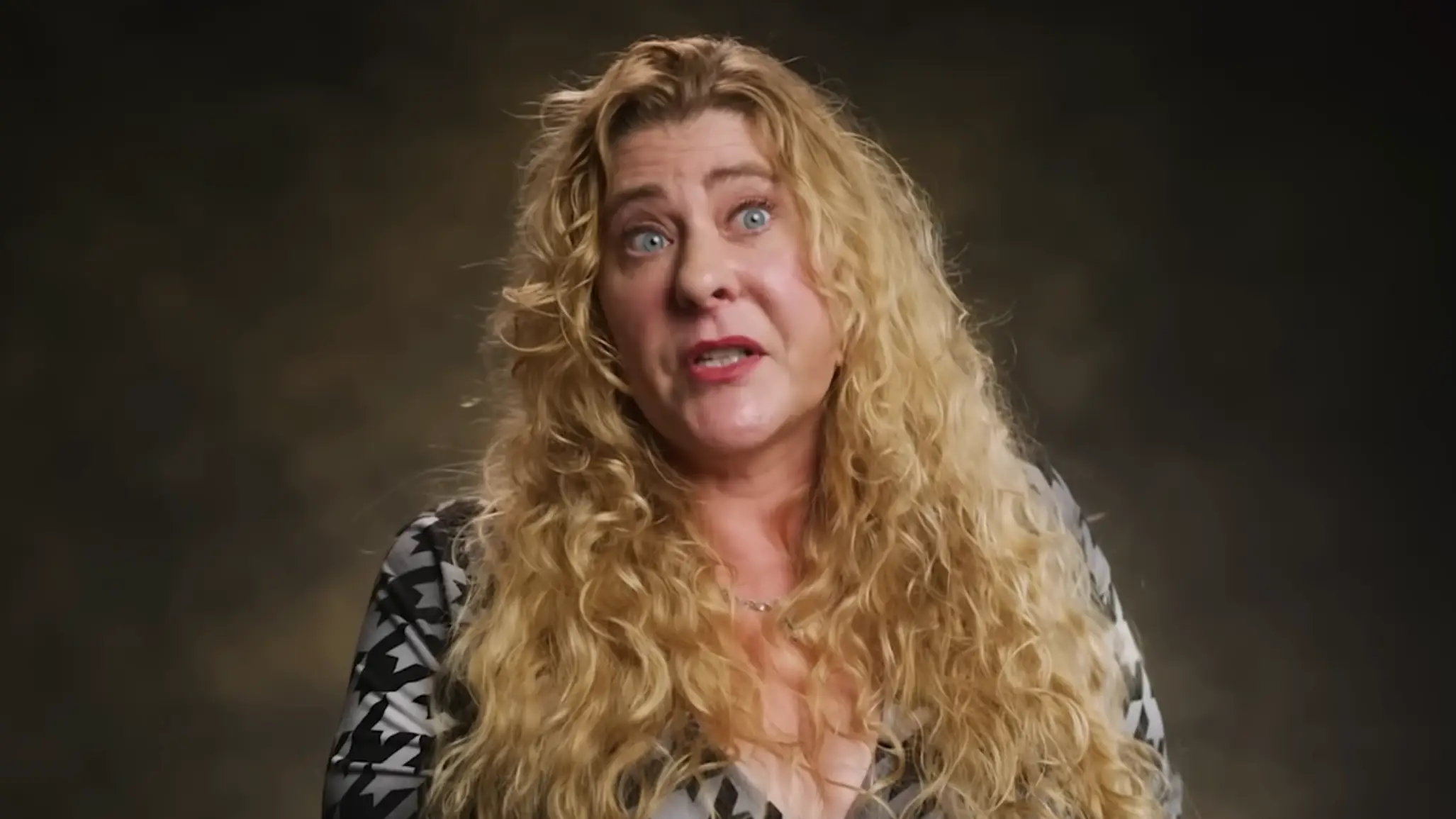
Ethical hacker of more than 15 years issues worrying warning for future

An ethical hacker has shared an ominous warning about the future of cyber warfare.
From paying with contactless cards to our reliance on the internet and the complete omnipresence of artificial intelligence, it's fair to say that technology in the past decade has changed beyond our wildest comprehension.
And given the speed in which things are developing, it's pretty much a given that day-to-day like will look unrecognisable again in 10 years, which is very much a cause for concern - according to one ethical hacker.
Chris Kubecka has worked as computer security researcher for over 15 years, after hacking into US Department of Justice at the age of 10 and, spoiler alert, she doesn't see flying cars or self-cleaning houses on the horizon.
Advert

During a conversation with LADbible about the future of cyber warfare and security, Kubecka revealed 'there is now nothing off limits' when it comes to how technology will be used by hostile countries.
"So there is now nothing off limits when it comes to digital violations of the Geneva Convention," she explained, going on to recall a recent trip to eastern Europe and seeing the real effects that cyber attacks are having on countries.
"I've just recently come back from Romania, which was also on the front lines, and last year, Russia was hitting their hospitals on purpose," Kubecka explained.
"I'm on my way to Bulgaria, and Russia was attributed to attacking some of the UN offices, dealing with refugees. Specifically dealing with Ukrainian refugees.
"And that's the future of cyber warfare, unfortunately."
Russia isn't the only country who has utilised cyber warfare tactics, with Politico saying America's success in its extraction of Venezuelan President Nicolás Maduro from his boathole in Caracas and the UK's National Cyber Security Centre revealing that GCHQ handles an average of four 'nationally significant' cyber attacks every week.
A substantial amount of which were linked to adverse nations or organised criminal groups.
Which definitely isn't how we all pictured the future when watching Back to the Future or flashforwards in The Simpsons.
It's also a key reason why Kubecka works in her field, with the cyber warfare specialist reiterating her belief that civilians don't deserve to be caught in the crossfire of warring nations.
"I don't like the fact that technology is used to harm people," Kubecka said. "Regular people should not be harmed.
"We should be at the state where we have our flying cars, and we have the time to be writing poetry, not bad AI slop or weaponised tools by dictatorships like that."
Topics: Technology, Artificial Intelligence, World News, Russia, News
 Brenna Cooper