
Man locked his phone away for 30 days and had brain scan before and after to show insane difference

A man who locked away his phone for 30 days noticed some incredible differences after completing the challenge.
Phones can be pretty useful for a lot of things, whether it's making long-distance calls, finding out new information or answers to questions, or simply checking the weather app every time the one you like walks past.
But there's no doubt that humanity is more reliant on the technology than ever, and it's certainly high up on the list of addictions of younger people, who can easily spend more than four hours a day looking at the little block of light you keep in your pocket.
Telephone technology has advanced rapidly over the last 20 years, with iPhones among the most popular brands having regularly delivered new updates since the first one was unveiled by Steve Jobs back in 2007. As the capabilities of the device grow, we spend more and more time on it.
Advert
Because in principle, why would we bother checking a dictionary for a meaning of a word, or an old book for a history fact, when the answer is just a five-second Google search away?
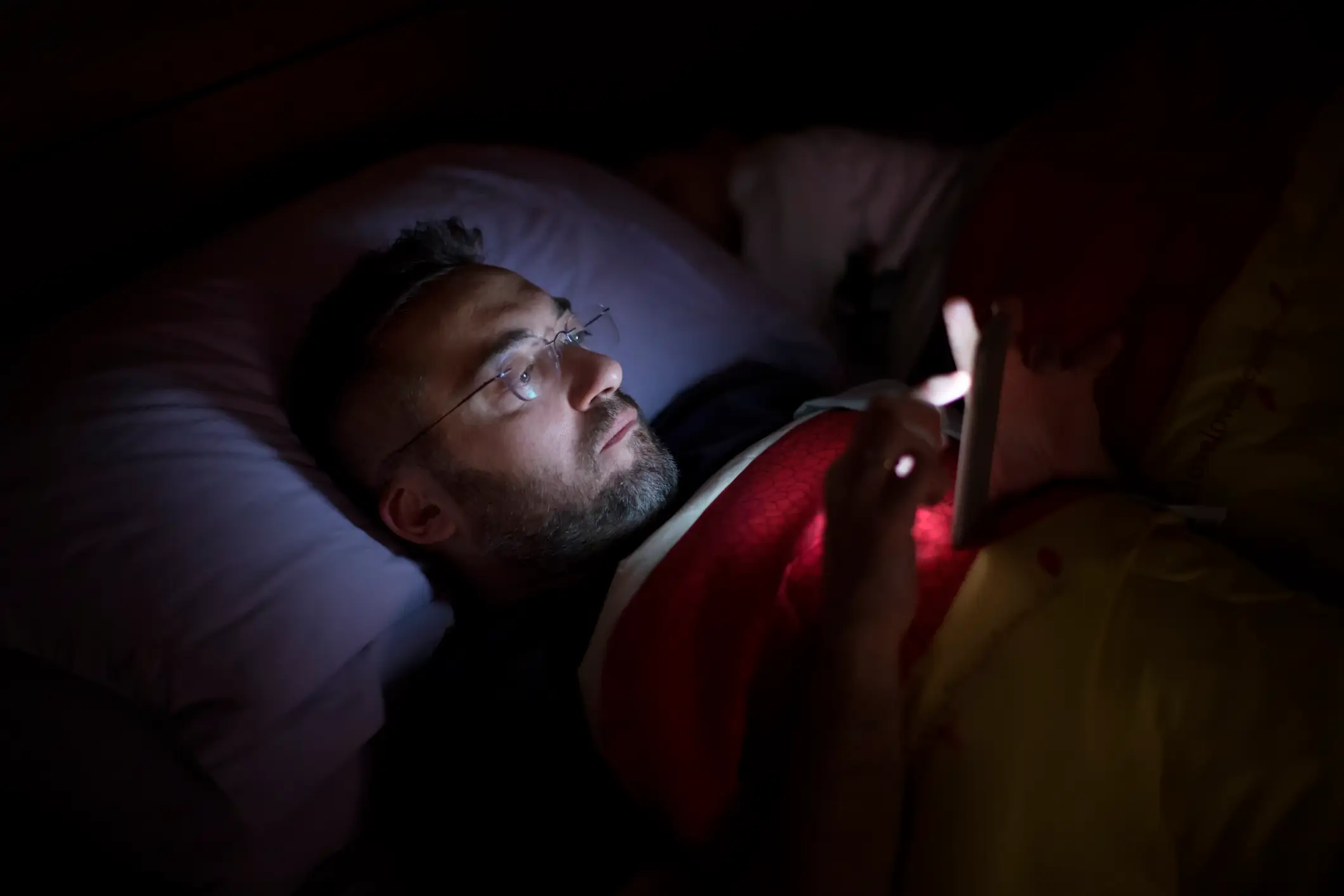
It's fair to say that spending every waking hour looking at our phones, particularly when doomscrolling on mind-numbing apps, is wreaking havoc on our brains. You only need to look at new 'health' trends where people stare at blank walls or do nothing, in a desperate attempt to salvage some sort of attention span.
So, it's perhaps no surprise that when a YouTuber locked away his phone for a whole month, and had brain scans before and after to see what changed, he noticed some insane differences in his brain activity.
Andrew Feinstein, a content creator from the US, posted some worrying results in his first brain scan, particularly when he was scored in the worst percentile for keeping his attention on something.
The scan also revealed that his brain was focusing on some things more than others, with blue and yellow areas denoting too much or not enough neuronal activity, while green is about the right amount, and he had large amounts of blue and yellow in areas such as social anxiety, sleep problems and depression, all of which can get worse when you're addicted to a phone.
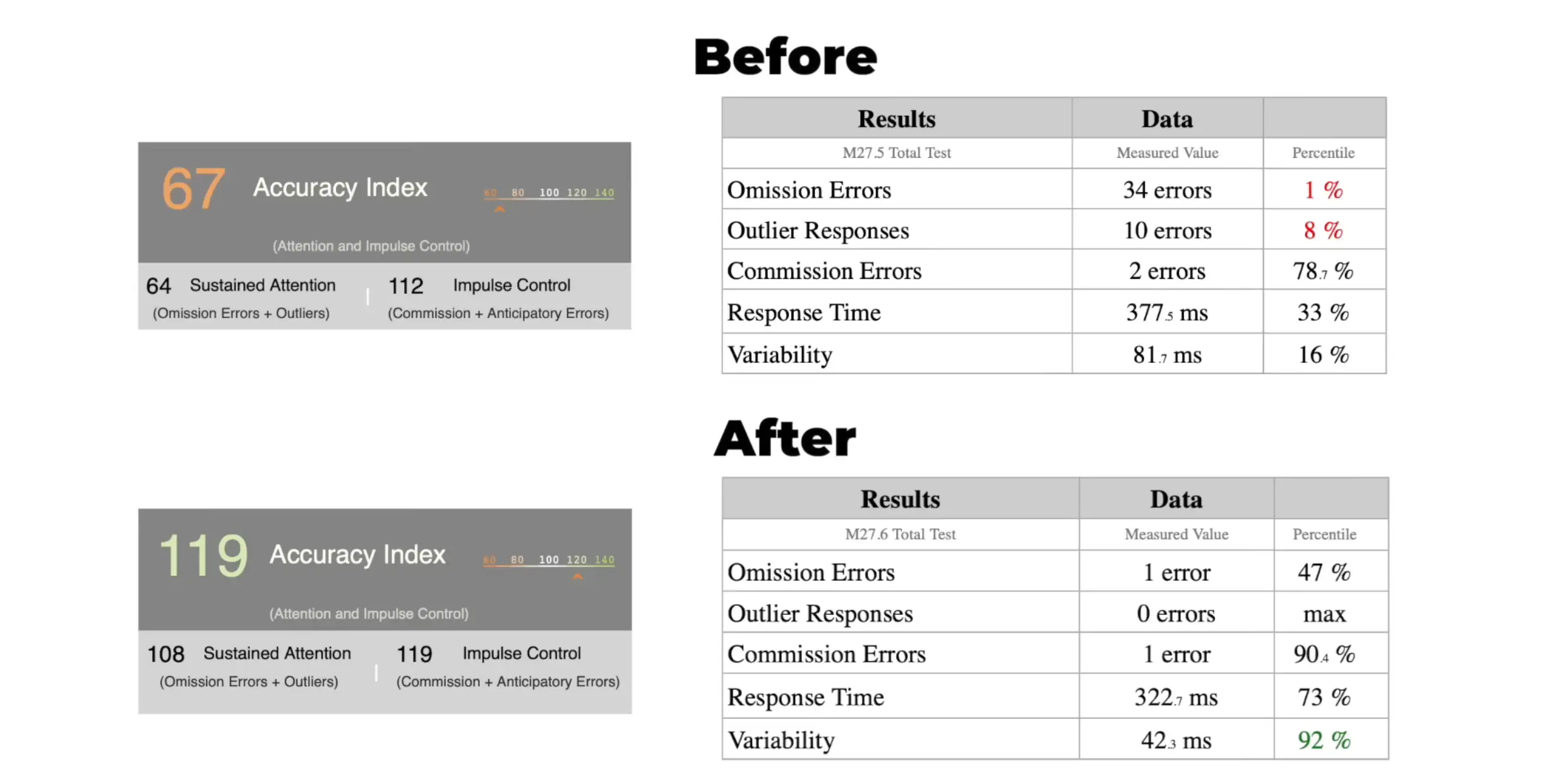
However, a month without his phone would later see that improve, despite some struggles with anxiety, sickness and travel, where a phone might have been handy with things such as plane tickets or car directions.
But it all seemed to be worth it when the doctor described his improvement as the best he'd ever seen, as he scored far higher on the tests which made up the brain scan, with a vast improvement in sustained attention and impulse control.
So, maybe it's time we all went back to using a Nokia and spent our lives away from a screen, although knowing this generation, we'd probably just get addicted to playing Snake instead.
Topics: Mental Health, Social Media, Technology, YouTube, Health, Science, Community
 James Moorhouse