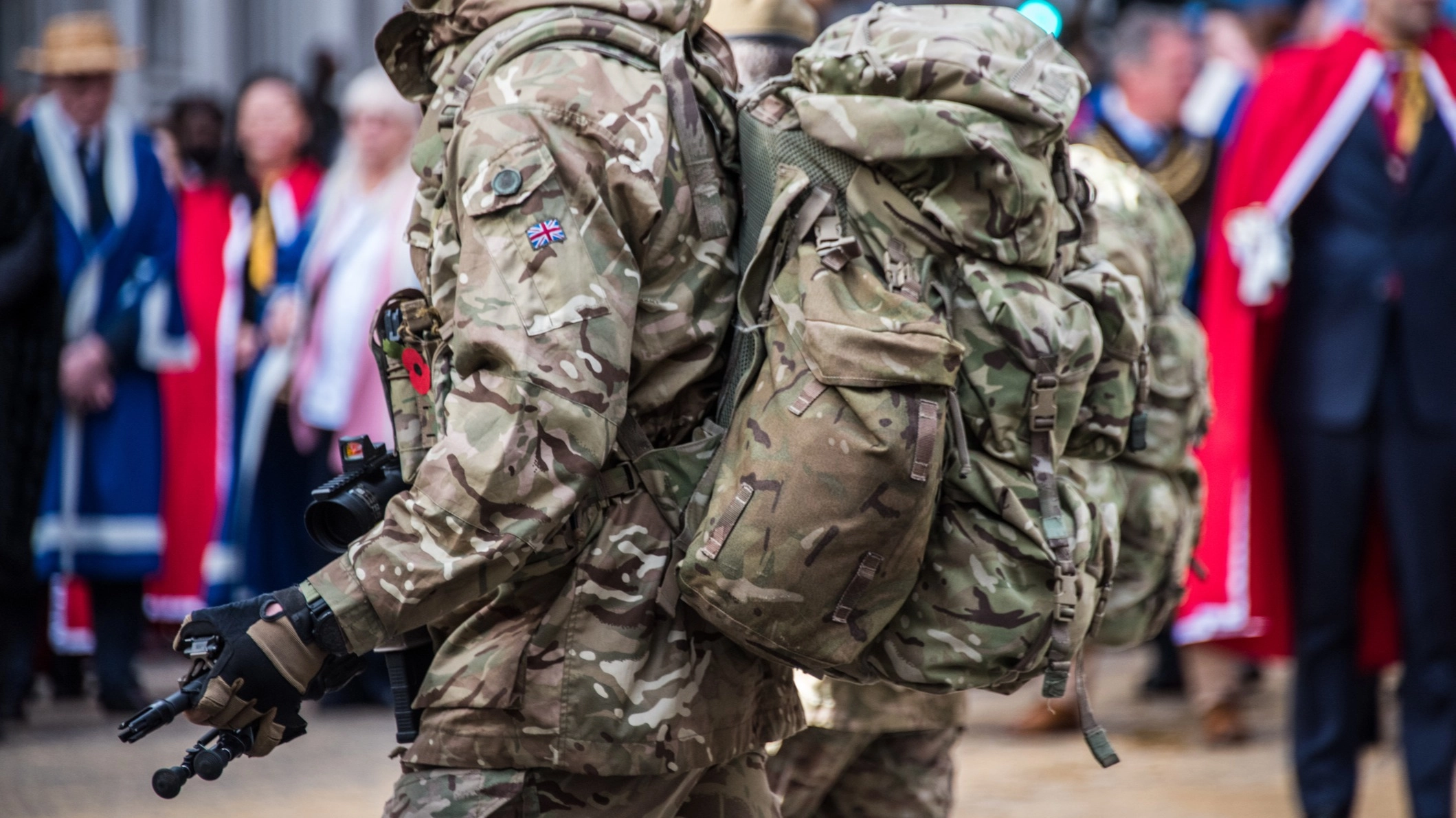
Government's new rules revealed in 'preparation for war'

The government is set to announce new powers that will make it easier for them to call thousands of members of the armed forces back into military service.
According to the BBC, the threshold for reservists being called up will be lowered, while the age they can remain reservists until will be increased from 55 to 65.
At the moment, the reserve can be called up in times of 'national danger, great emergency or attack in the UK', but under new measures this threshold will be lowered to them being called at times of 'warlike preparations'.
If these changes get through parliament they would come into effect next year.
Advert
Former full-time members of the armed forces who are still liable for military service become part of the Regular Reserve, while the Army Reserve is a volunteer reserve force.
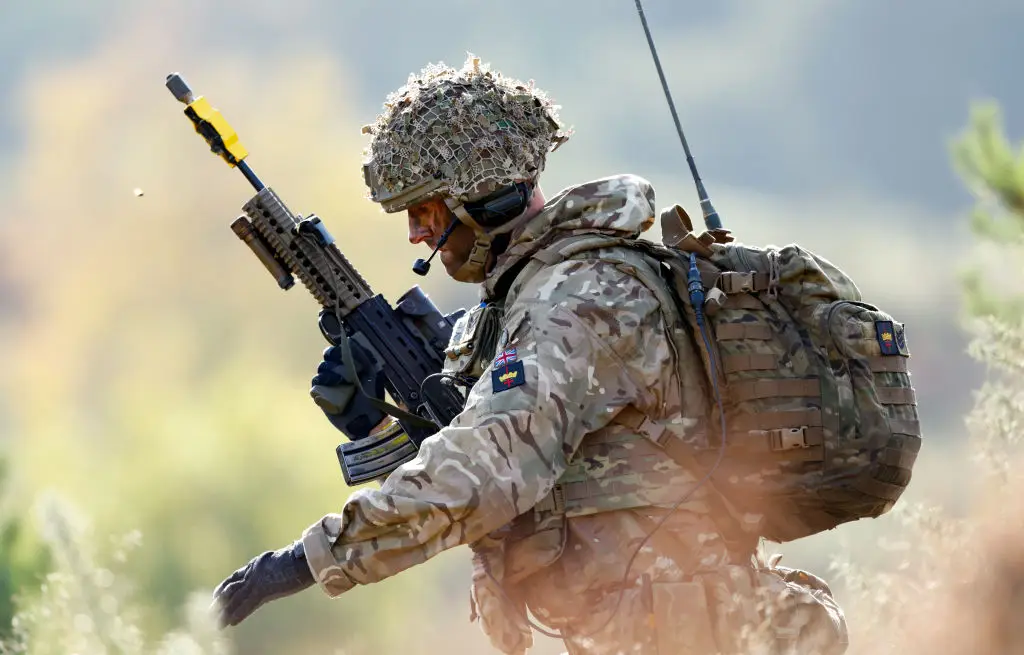
These changes are just one aspect of new laws for the armed forces which will be brought before parliament, as a strategic defence review said the government should 'reinvigorate the relationship with the strategic reserves'.
There have been repeated warnings from former armed forces personnel that the UK is not ready for a potential conflict, with 38 percent of people under 40 saying they would not serve in the event of World War Three, and 30 percent saying they would not even if there was an 'imminent invasion'.
While the government has insisted conscription is not on their agenda, there have been warnings that the UK 'doesn't have enough troops' should there be a major war against the likes of Russia.
Retired Lieutenant Colonel Stuart Crawford told the Express: "The Army traditionally prefers to work on the principle that 'one volunteer is worth 10 pressed men'. But numbers matter, and if we can't recruit sufficient volunteers then conscription may be necessary.
"How it is applied is another debate altogether, but younger single men and women would seem to be the obvious target demographic."
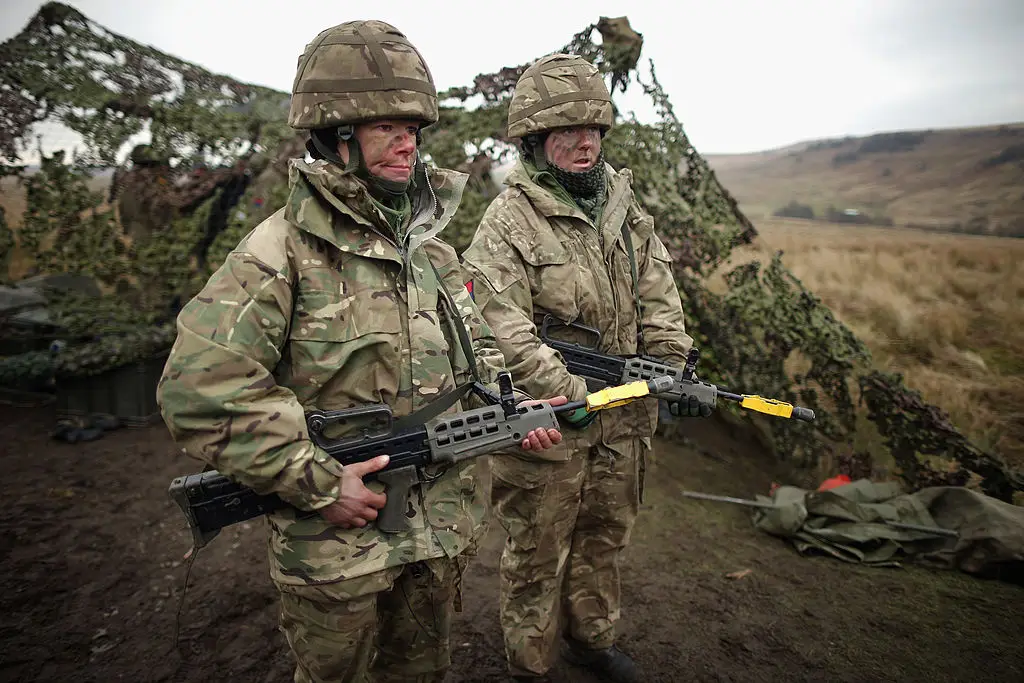
Retired Army Major Robert Lyman said the UK's armed forces have 'never been so denuded of power since the Napoleonic wars', and that Britain was in a 'much worse' position militarily than the beginning of the Second World War.
He warned that it was 'really hard to describe how poorly-prepared we are', and that 'small armies' didn't win wars.
In some good news for the armed forces, the UK Defence Journal reports that, for the first time in four years, recruitment had climbed above personnel outflow, as in the 12 months to 1 October 2025 there had been a 13 percent increase in people joining and an eight percent decrease in personnel leaving.
 Joe Harker