Government issues update on diesel shortage fears after confirming who could get first priority

The Government has issued a new update on fears of a possible diesel shortage as the UK enters crisis talks over reserve supplies.
Britain joined crisis talks with Brussels on Thursday (1 October), as they discussed whether to release fuel stocks amid rocketing prices globally.
US Treasury secretary Scott Bessent said European countries should 'immediately' begin to use their reserves.
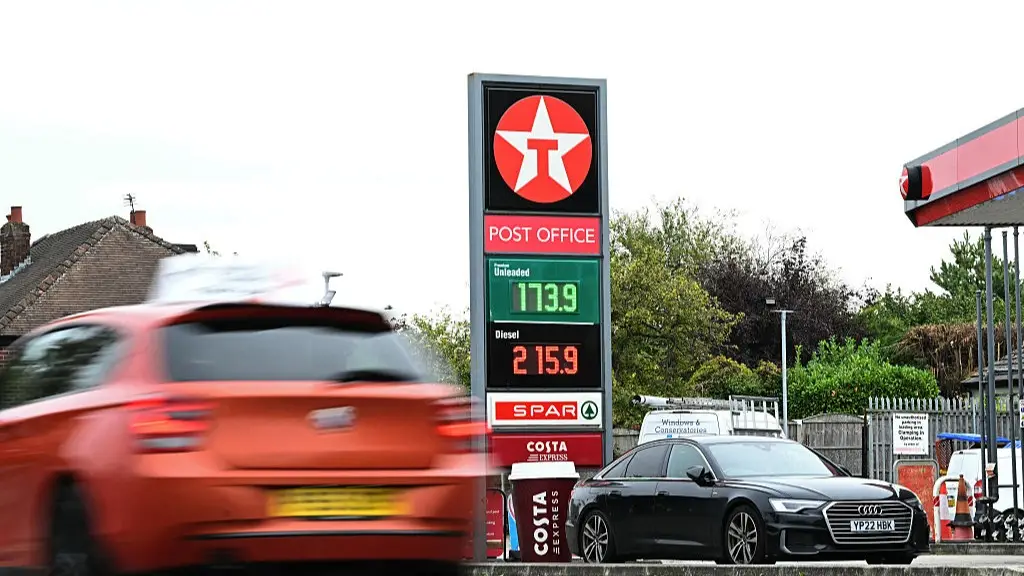
Earlier this week the cost of diesel hit a record high with many pumps showing prices well over £2 per litre.
Advert
A mixture of supply pressures and demand increases following the US war with Iran has put particular strain on fuel, sparking worries it could become necessary to trigger an emergency plan to introduce fuel rationing.
Earlier on Thursday US President Donald Trump had told reporters he 'may' call for European countries to draw down from their reserves.
The UK imports nearly 55 percent of its diesel. The US provides nearly a third of that amount.
A litre of diesel is now on average 57.6p more expensive than at the start of the US-Iran war on February 28 this year, when it cost 142.38p.
The price of unleaded petrol is also continuing to rise and is now an average of 174.71p per litre, up by 41.9p since the beginning of the war, the RAC said.
The average price of a litre of diesel in the UK stood at 199.79p on Thursday (1 October), according to figures.
The UK, as a member of the International Energy Agency, is required to keep oil stocks equal to at least 90 days of net oil imports in reserve. It is thought these can be used to respond to severe supply disruptions in the global market.
But now the Government has again issued an update on whether the UK is really running short on diesel and whether or not we need to worry.
Transport minister Keir Mather explained that Britain’s supply of diesel was 'robust' and 'resilient' and the country had a wide range of sources.
Mr Mather told Sky News on Friday: “I want to reassure people this morning that the United Kingdom has got a diverse range of supply when it comes to diesel.
“We have resilience built into our system for that reason.

“We are working very closely with our US counterparts to stress the importance of that relationship, and the importance of sustaining flows of diesel around the world, but also working through international fora in the International Energy Agency and partners in Europe from whom we get a proportion of our diesel imports as well.”
He added: “Although prices have gone up at the pump, the Government is aware of that and the freeze in fuel duty is still in place.
“People shouldn’t be concerned about shortages because of the inherent resilience that is built into that system.”
Who would get first priority on fuel?
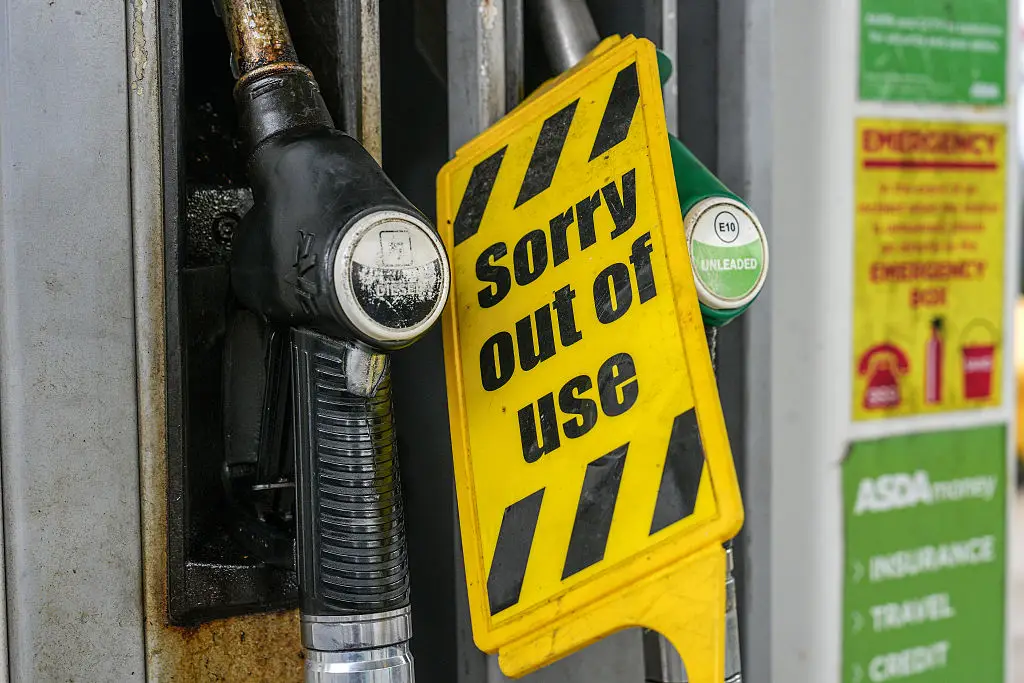
In the event of a serious shortage of diesel then the government has plans in place it can activate.
Emergency services and public transport would be front of the queue when it came to getting diesel, with commercial vehicles among those also more likely to access fuel in order to stop supply chains from collapsing.
The National Emergency Plan for Fuel says: “The majority of potential fuel supply disruptions can be addressed by measures to help industry maintain fuel supply; these would be deployed by DESNZ in co-ordination with industry and other government departments.
"However, the government does have emergency powers under the Energy Act 1976, which it can use to control supply and demand of petroleum products. It should be noted that use of these emergency powers is reserved for the most severe of disruptions.”
The Government's plans, in place since 2011 and last updated in 2024, read: "Emergency and critical service vehicles would be given priority access to road fuel from filling stations
"Oil companies and fuel distributors can be directed to prioritise the delivery of bulk petroleum products to critical services such as emergency services, utilities and public transport.
"Oil companies can be directed to prioritise the supply of road diesel to the commercial vehicles sector to support the operation of key supply chains, such as food and health."
Topics: Money, UK News, World News
 James Holt