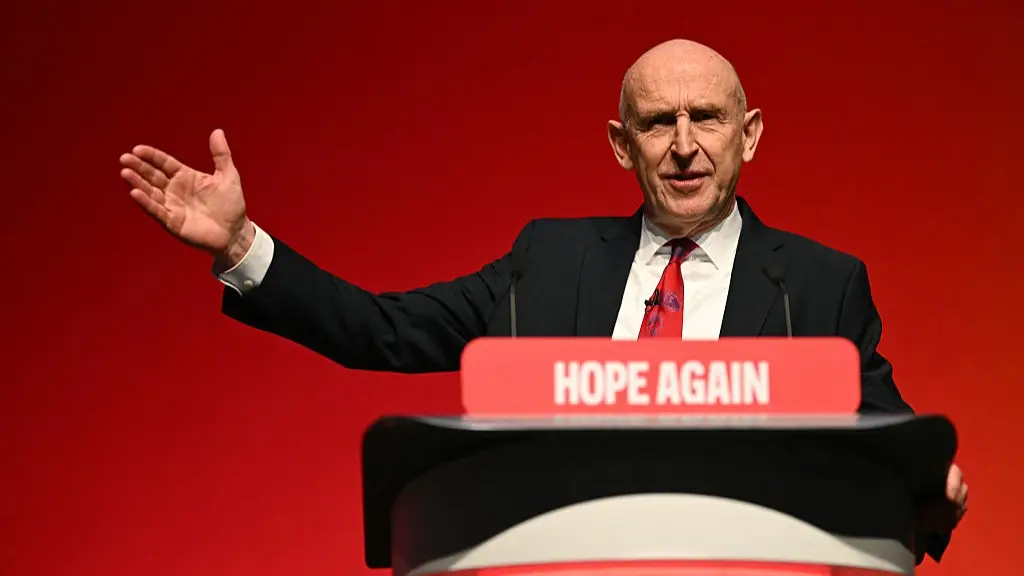
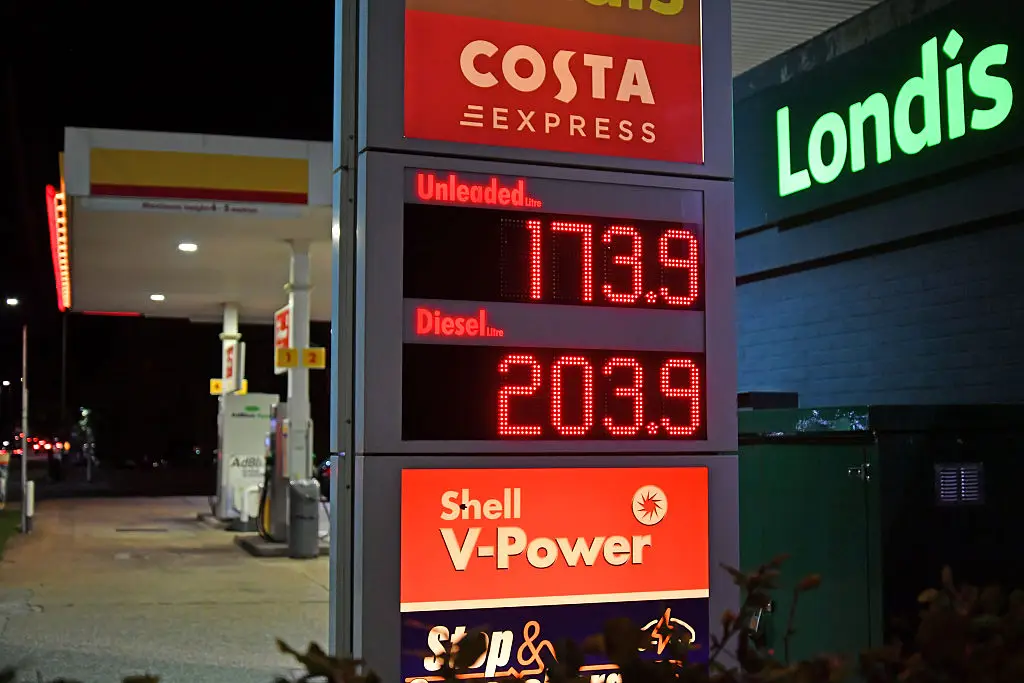
Diesel prices hit new record high as government promises it has 'levers to pull'

Prices at the pump have soared to 199.18p for diesel according to the RAC, with the government now forced to issue a statement on how it might intervene.
Chief Secretary to the Treasury Emma Reynolds said her office had ‘levers to pull’ while fuel is due to increase 3p per litre in January and another 2p in March, heaping pain on drivers and risking higher inflation for consumers.
The Daily Telegraph notes that prices at the pumps would rise by 6p due to VAT alone. On the international front, the report noted Donald Trump’s threat to ease the fuel burden on US drivers by ‘blocking US diesel exports’.
Chancellor John Healey promised he was already ‘in touch’ with the White House over the proposed export ban – and vowed UK preparations were being made.
Advert
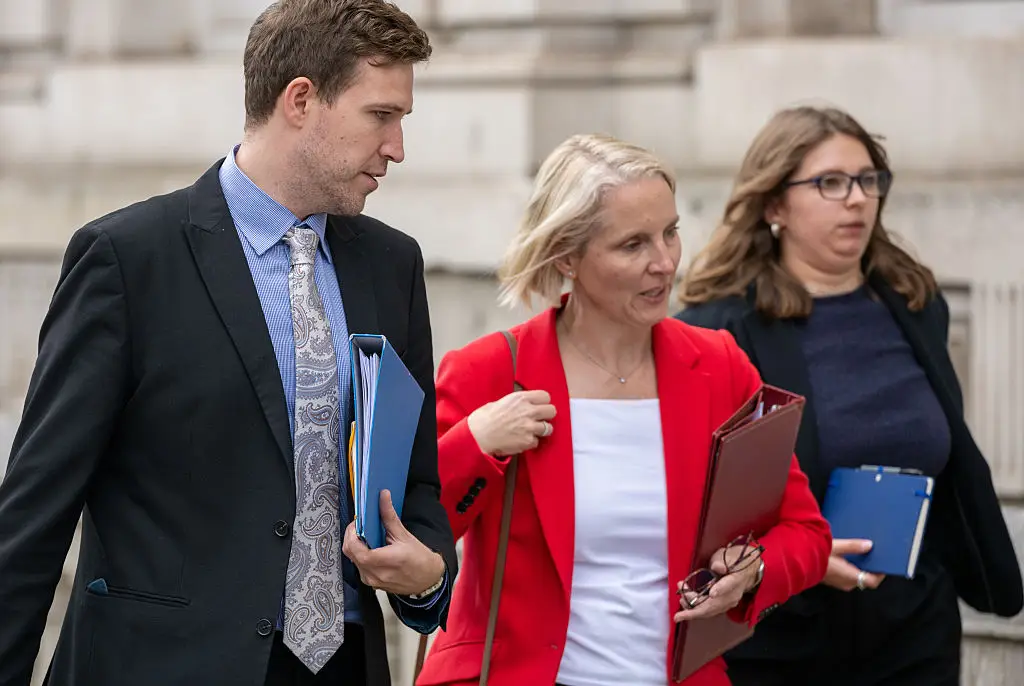
He told the BBC, “We’re also making the provision that we may need to and we have our own stocks in the UK.”
The surging fuel prices have led to pressure being heaped on the government to offer hard pressed Britons ‘breathing space’ amid the global supply squeeze.
Ms Reynolds said, “We’ve seen today the news about diesel, which is really worrying, not just for families but for businesses too.”
She added, “But we are not powerless as government. We will give families and businesses more breathing space in the way that John talked about just now, and we do have levers to pull at our disposal.”
In an interview with ITV, Mr Healey said, “I’m conscious of the pressure this is putting on people, on businesses as well as people at the pumps.”
However, Trump’s export threat is not the only factor UK drivers should be worried about.
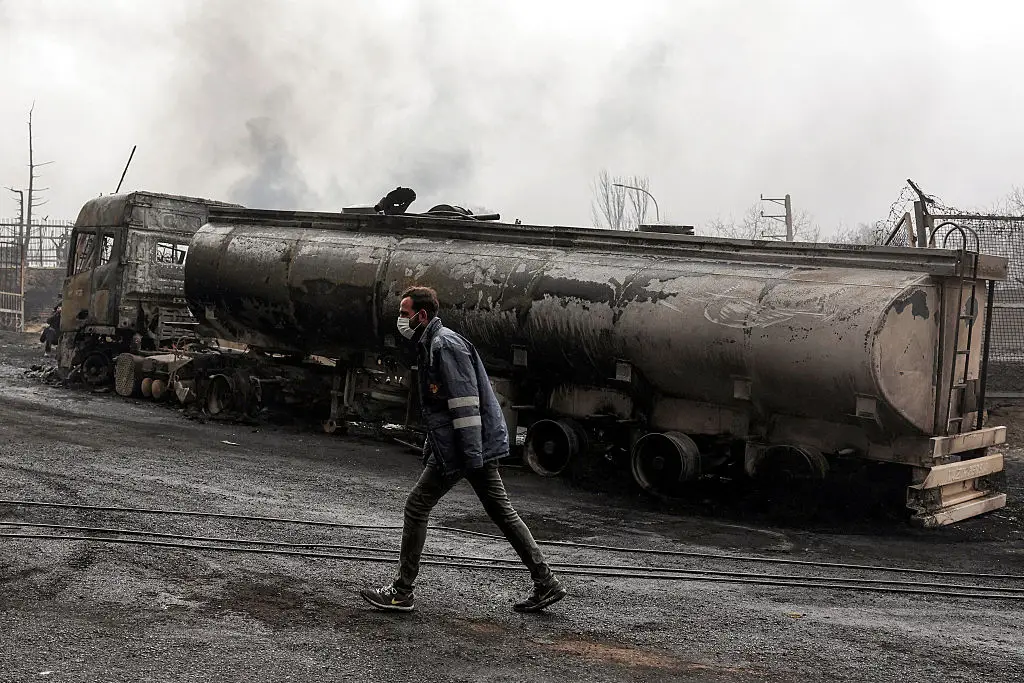
He is also in the process of conducting a continued war against Iran, which despite promises of peace, continues to rumble.
Putin’s war in Ukraine also destabilised markets when he invaded the country in 2022.
The price of filling up a car is now £110 on average according to the RAC, £31 more than before Trump began his bombing of Iran.
Britain imports 55% of its diesel and one third of that is from the US, making the UK exposed to export decisions made by Trump.
An industry source told the Telegraph: “If the UK is still able to import crude, we will do so and continue making diesel at our refinery.
“The refineries could produce more diesel. Nobody knows if they could cover that full third and the feeling is they probably could not. But the hypothetical is how much of that third could be covered and how much could be imported from somewhere else.”
Around 15 million motorists drive diesel vehicles in the UK.
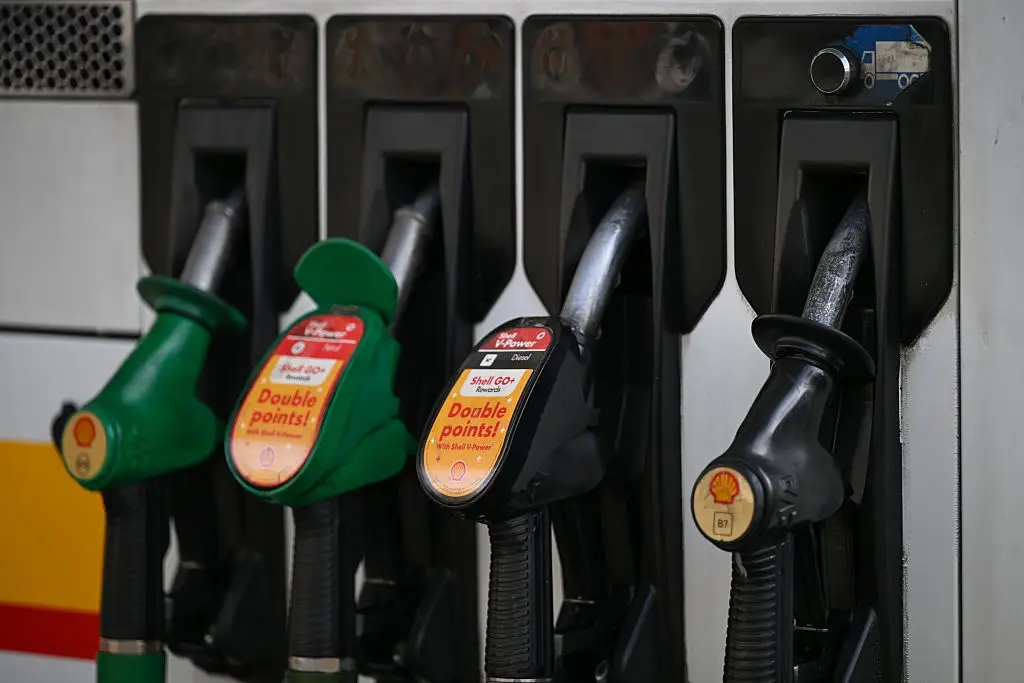
The highest price per litre in a forecourt is a shocking 211.9p in the Outer Hebrides, but in an average motorway petrol station, where prices are generally higher, diesel drivers can expect to pay an eye-watering 216.24p.
RAC policy chief Simon Williams called for the government fuel duty increase to be ditched.
He added: “Diesel has entered new uncharted territory. This spells pain not only at the pumps for drivers but for everyone who buys goods or services that rely on diesel lorries and vans.
“These extraordinarily high prices are another reminder of just how exposed the UK is to events occurring far away from its shores. Only a sustained lower oil price – over several weeks, not days – will lead to cheaper prices at the pumps.
“The UK might have limited leverage when it comes to ending the Iran war and ultimately bringing oil prices down but the Government could take steps to ease the burden on drivers.”
Topics: Cost of Living
 Michael D. Carroll