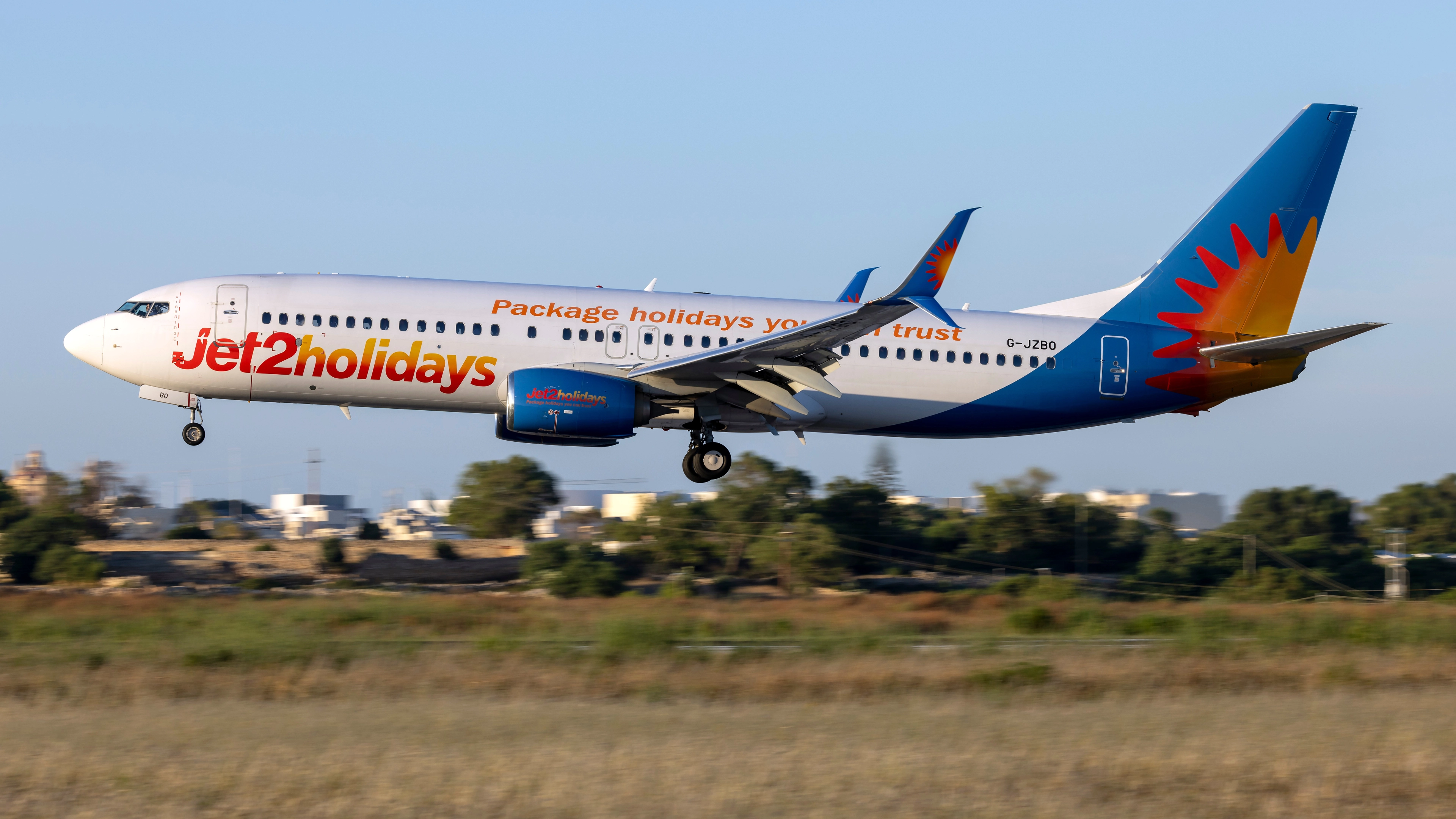
UK government responds to summer holiday fears over fuel shortage as Jet2 issues 14-day rule

The government has responded to concerns that people's summer holiday plans are going to be disrupted by a potential shortage of jet fuel.
A number of airlines have spoken out on the potential for a fuel shortage as war in the Middle East has resulted in the Strait of Hormuz being closed, and around 20 percent of the world's supply of oil and gas flows through it.
Many of them have reassured passengers they're not expecting disruption and have supplies of fuel paid for over the long term, with Jet2 saying 'all flights are planned to go ahead as normal' after they told passengers they'd be getting travel documents 14 days before their flight instead of the previous 28.
Meanwhile, easyJet's boss said they 'have no concerns' and that in the aviation industry you only know about the next three to four weeks of fuel anyway.
Advert
However, Fatih Birol, executive director of the International Energy Agency, told the Associated Press that Europe has around six weeks of jet fuel supply left and the closure of the Strait of Hormuz was causing 'the largest energy crisis we have ever faced'.
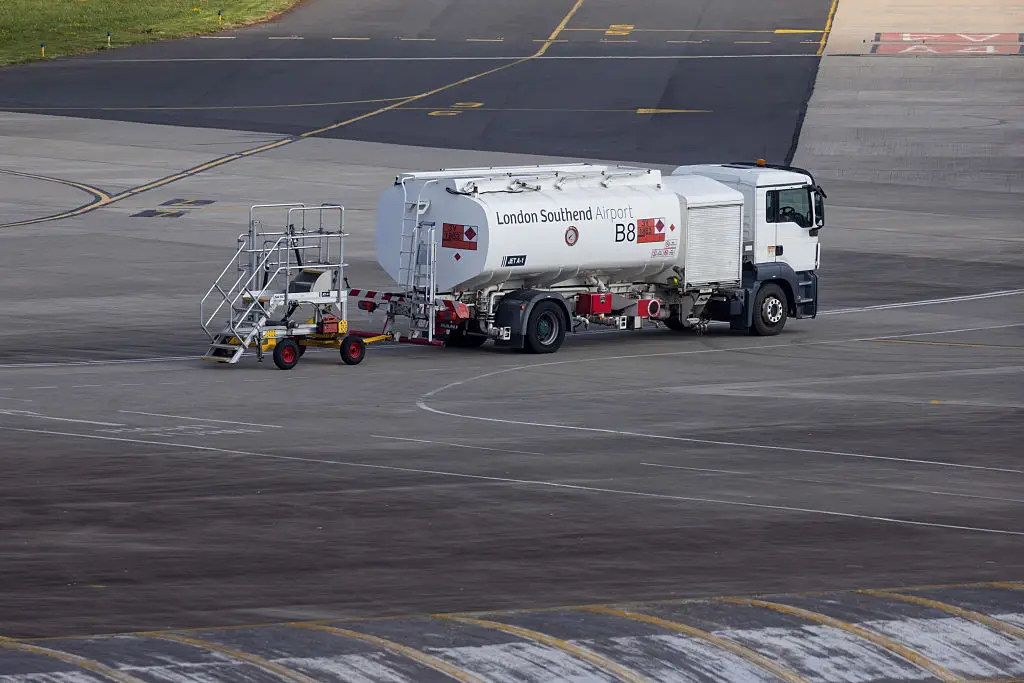
What has the UK government said about the fuel shortage?
Responding to the situation, a government spokesperson said: "UK airlines are clear that they are currently not seeing a shortage of jet fuel.
"We continue to work with fuel suppliers, airlines and international counterparts on our contingency planning, to ensure people keep moving and businesses are supported while the conflict is ongoing.
"Our overriding priority is to de-escalate this conflict, open up the strait and prevent disruption to passengers."
It's not as though the world's entire supply of jet fuel has been halted, and there are still several weeks of fuel supply remaining for airports, while their long term supplies are already paid for, so the impact on ticket prices if you're booking now ought to be low.
Booking flights sooner than later
Nevertheless, many airline bosses said booking sooner rather than later to avoid price rises was likely to be a wise decision.
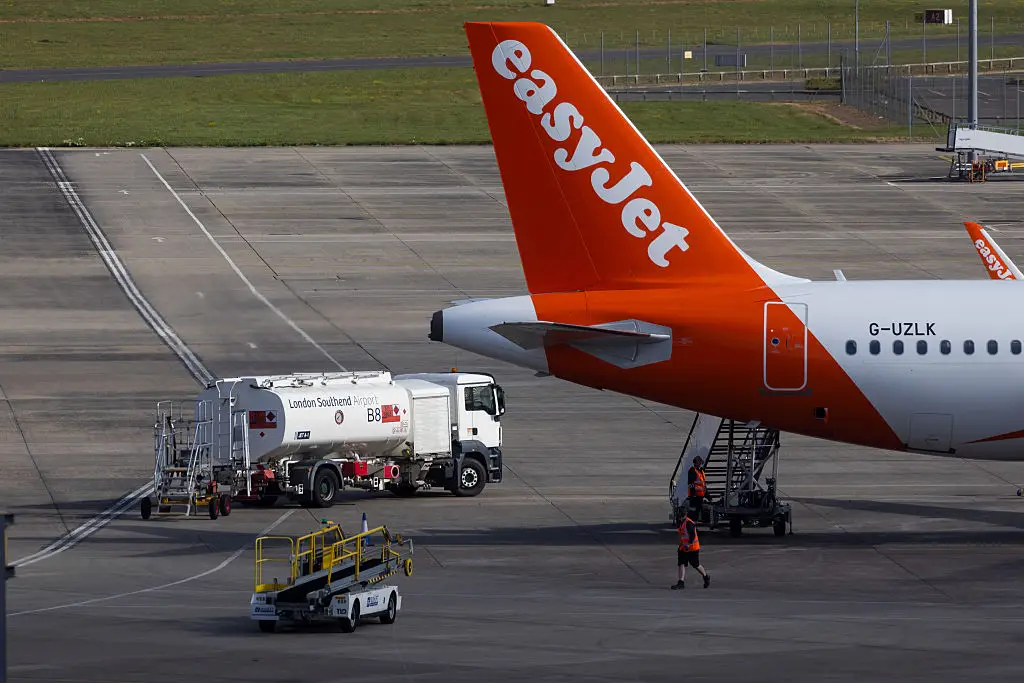
One of the bosses who voiced a bit more concern was Ryanair CEO Michael O'Leary, who earlier this month told ITV if the Strait of Hormuz stayed closed, they might have to start cancelling flights.
O'Leary warned if the strait stayed closed for 60 or 90 days then Ryanair might need to cancel up to 10 per cent of their flights through May, June and July.
It wouldn't be up to airlines which flights got called off either, as it'd depend on the availability of fuel across various airports in Europe.
According to ITV, a group of airlines operating in the UK want the government to relax some rules in order to make any potential disruptions less difficult.
The group said if disruption continues they'll have to put up prices and reduce the number of flights they run, but a spokesperson for Airlines UK said various airlines had said they were currently 'reassured about supplies in the UK'.
 Joe Harker