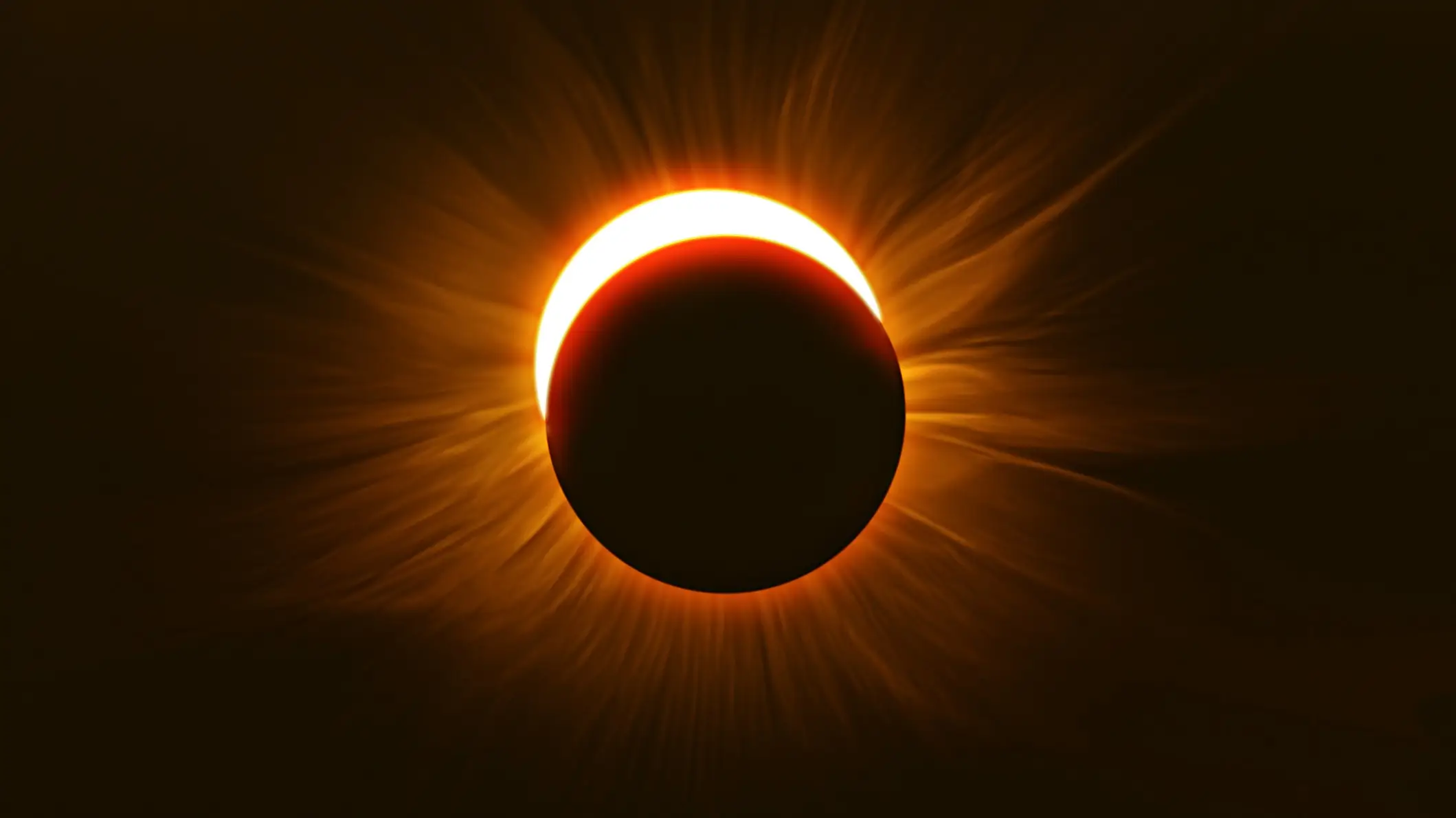
Five signs of eye damage that appear hours after rare solar eclipse

Brits were flocking to their gardens, parks, streets and well, anywhere they could to get a look at the solar eclipse earlier tonight (12 August).
But while many watched it with their special eclipse glasses or random household items, others may have ignored warnings not to look directly at it. And there is very good reasoning why that was a pretty bad idea.
Unless your dad is Andros Townsend, you've probably been taught from a young age that it's not a good idea to look at the sun, and things get even worse during an eclipse.
While you might assume that the sun being less visible makes it safe, you would be very wrong, and it's essential that you used protection to fully enjoy tonight's show, the most significant since 1999.
Advert
Look, with the next full total eclipse not expected until 2090, there may have been strong temptation to turn a blind eye to the warnings but unfortunately, a blind eye is exactly what you could end up with if you did.
Chantal Cousineau-Krieger, M.D., a staff ophthalmologist at NEI’s Consult Service, said: "Watching an eclipse can be fun, but never look directly at the sun. You can seriously damage the retina and even be permanently blinded."
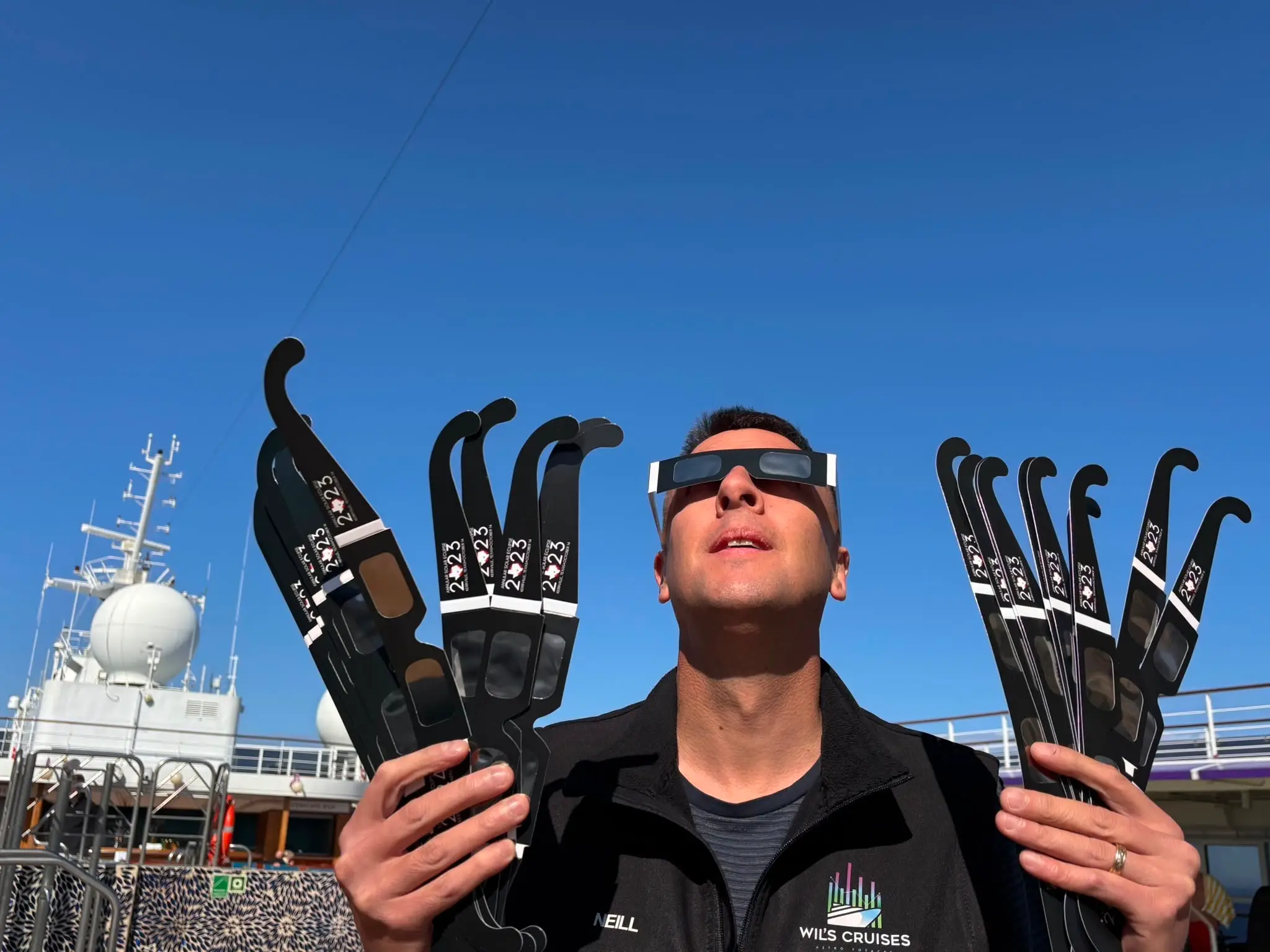
You might think you've gotten away with it if you did decide to raw-dog the eclipse, since the damage can take a few hours to first make itself apparent.
Direct exposure to intense sunlight, as we saw as the sun re-emerged this evening after around 92 percent was covered by the moon, can cause thermal damage to the eyes, leading to inflammation, tissue damage, and discomfort.
The three main risks of looking directly at the sun are conditions known as solar retinopathy, photokeratitis and macular edema.
Solar retinopathy
Solar retinopathy can be particularly dangerous as symptoms will likely emerge after a few hours and it can result in a permanent loss of vision.
The five main symptoms of this condition include blurred vision, sensitivity to light, dark spots or 'blind spots' in your central vision, changes in colour perception (or difficulty in distinguishing between colours), and finally a sensation of pressure in the eye.
If you begin to experience any of these, it is vital that you seek medical attention immediately.
Photokeratitis
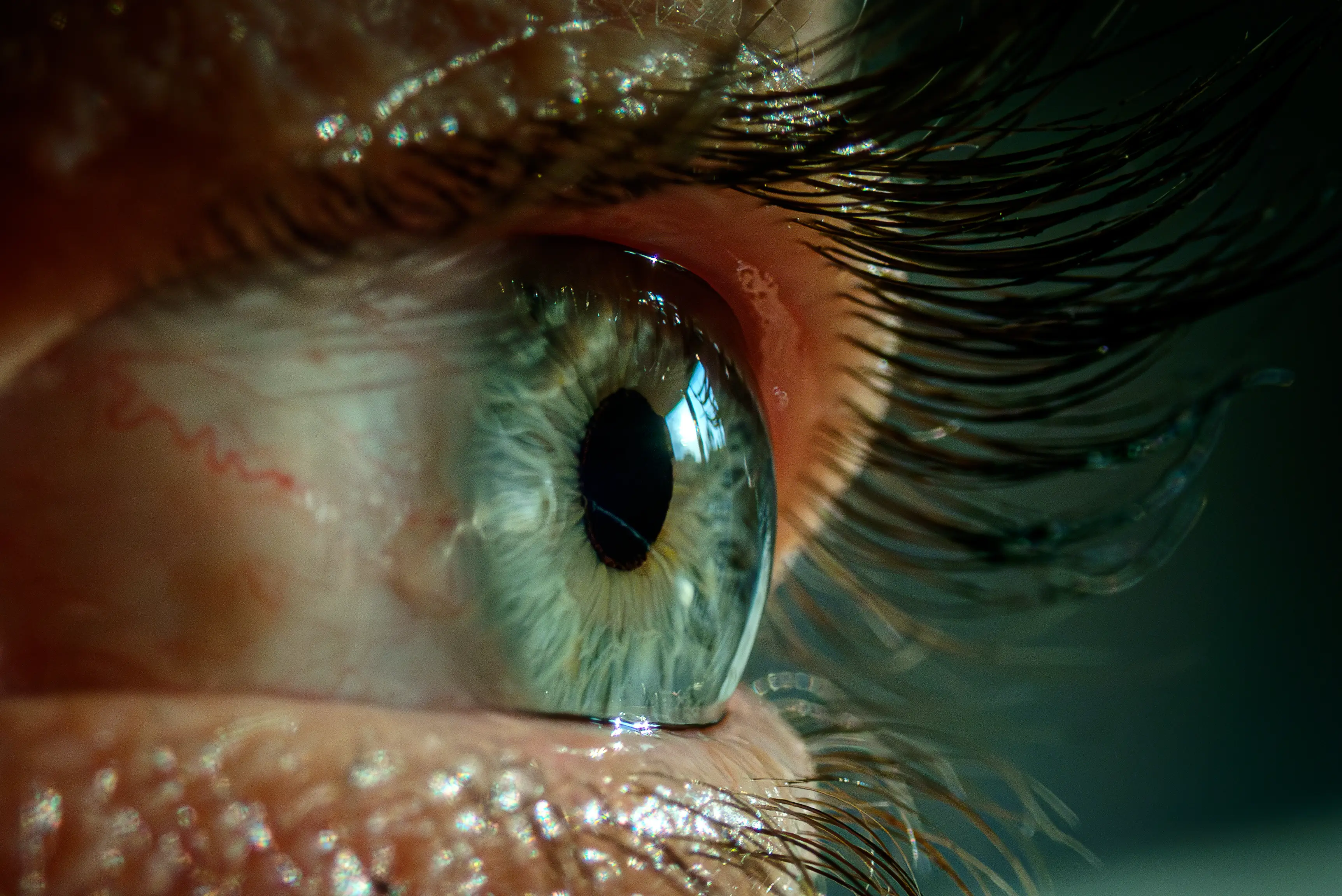
Photokeratitis is temporary but can still be very painful, as it is described as having sunburned eyes, with symptoms including pain, redness, tearing, and a feeling of sand in the eyes.
Macular edema
Finally, macular edema can also lead to permanent damage as it sees the retina swell up, leading to vision distortion where colours and contrasts become harder to distinguish from one another.
"While UV-blocking sunglasses are important to keep your eyes healthy, even very dark glasses cannot protect your eyes from damage caused by looking directly at the sun," Dr Cousineau-Krieger added.
"Devices such as pinhole projectors allow you to watch an indirect image, which is safe and still exciting."
How often do solar eclipses occur and when are the next ones?
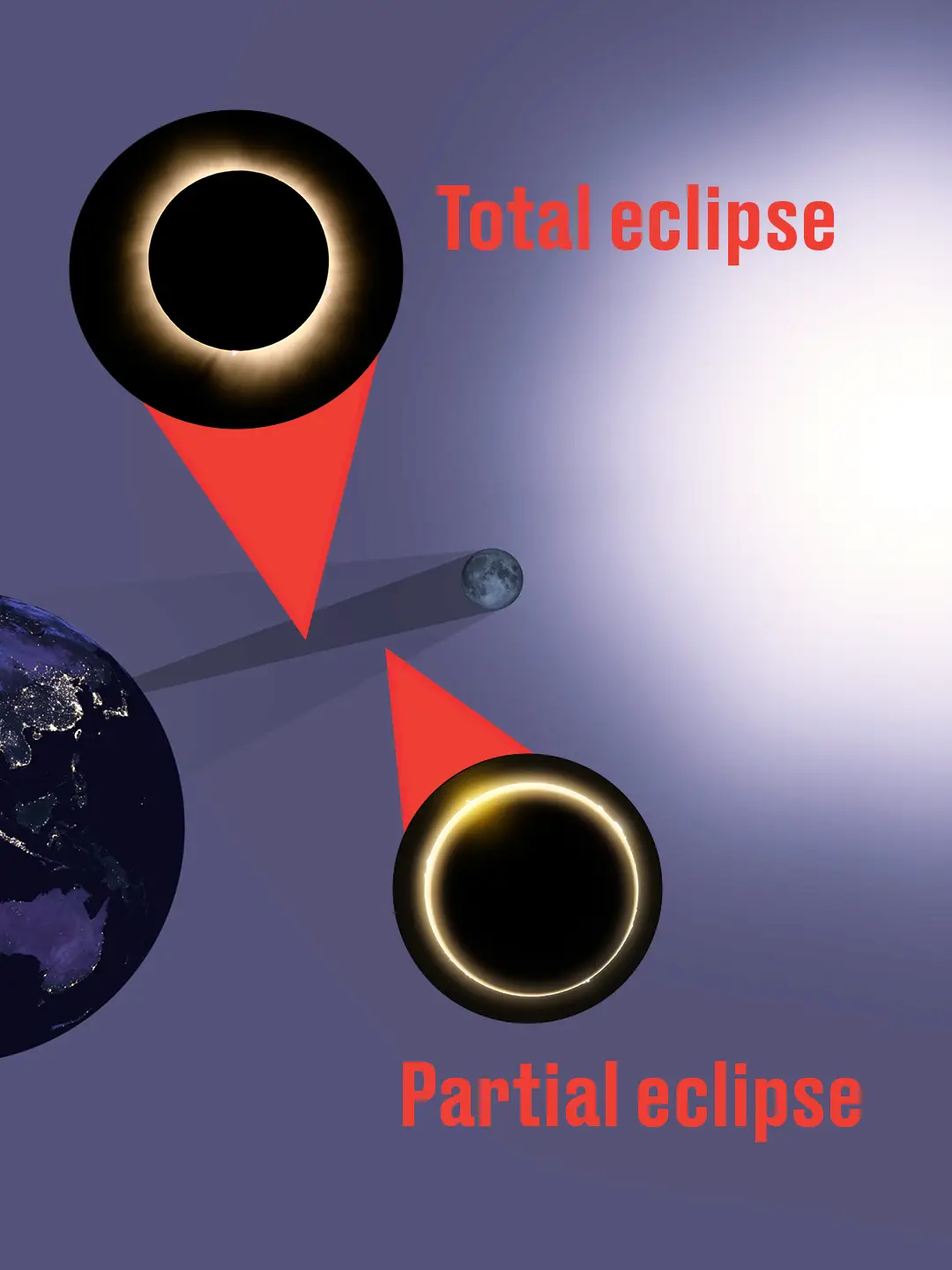
Tonight's solar eclipse was the closest to a total eclipse we’ve seen in the UK in 27 years. Brits will have to wait another 64 years to see the next total solar eclipse and 55 years for a comparable partial eclipse.
Here are the upcoming solar eclipses in the UK:
2030 - 50 percent eclipse
2053 - 40 percent
2066 - 60 percent
2075 - 70 percent
2081 - 99 percent
2082 - 70 percent
2088 - 40 percent
2090 - 100 percent
 James Moorhouse