What an NHS critical incident could mean for you as four hospital trusts declare emergency

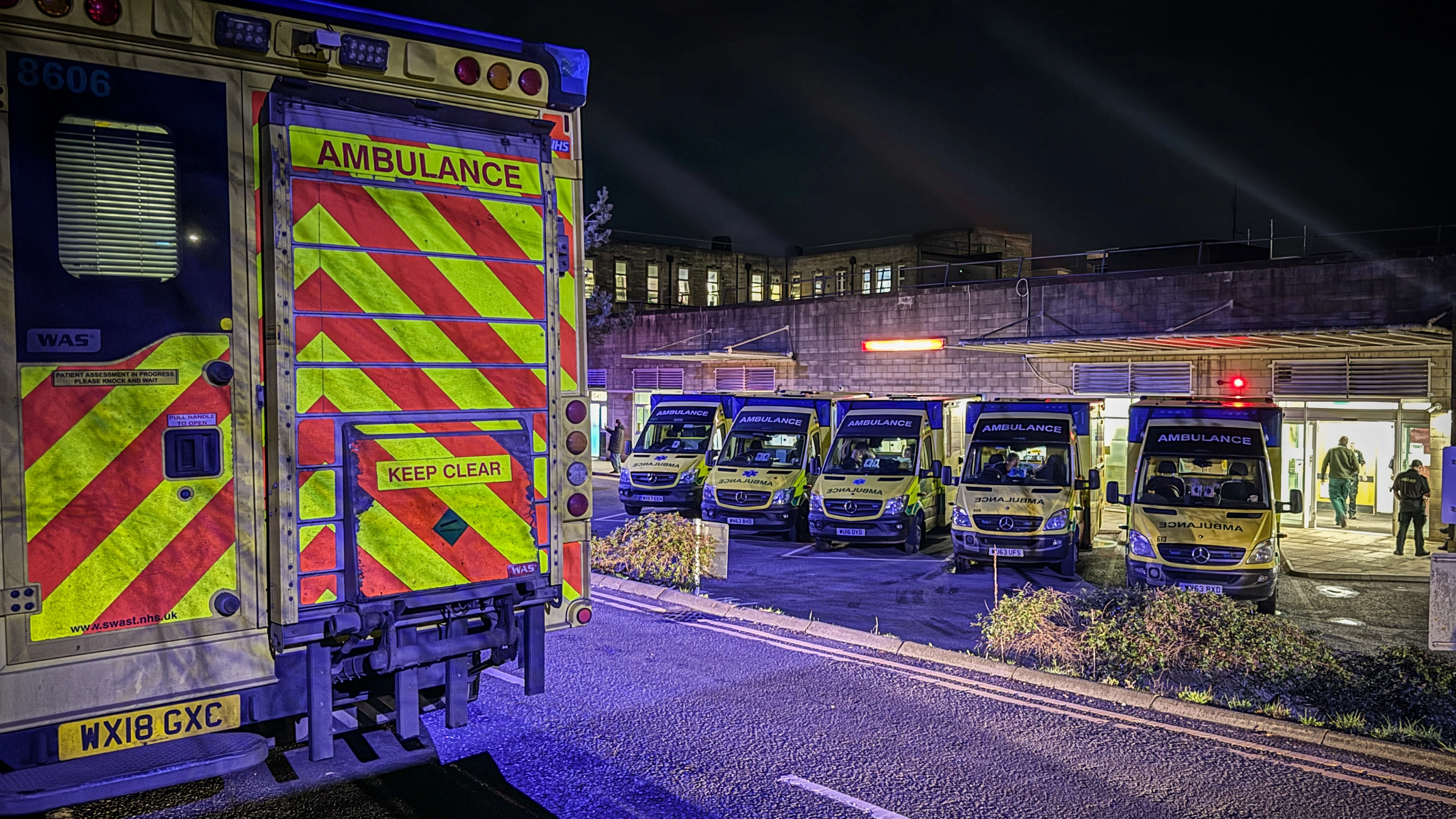
Four hospital trusts in England have now declared critical incidents as a result of the huge volumes of patients accessing A&E departments, due to flu, norovirus and respiratory illnesses.
The NHS trusts, all located in the south of the country, have reported a 'surge in complex attendances to A&E departments,' which is said to be 'exacerbated by increases in flu and norovirus cases and an increase in staff sickness'.
Three of the trusts are based in Surrey and the fourth is in neighbouring Kent, and all of them have cited the recently cold weather snap as impacting older patients who are now needing to be admitted to hospital.
“Due to extreme pressures, today hospitals and the ICB in Surrey Heartlands have taken the decision to escalate to a critical incident," Dr Charlotte Canniff, the joint chief medical officer of NHS Surrey Heartlands, said in a statement.
Advert
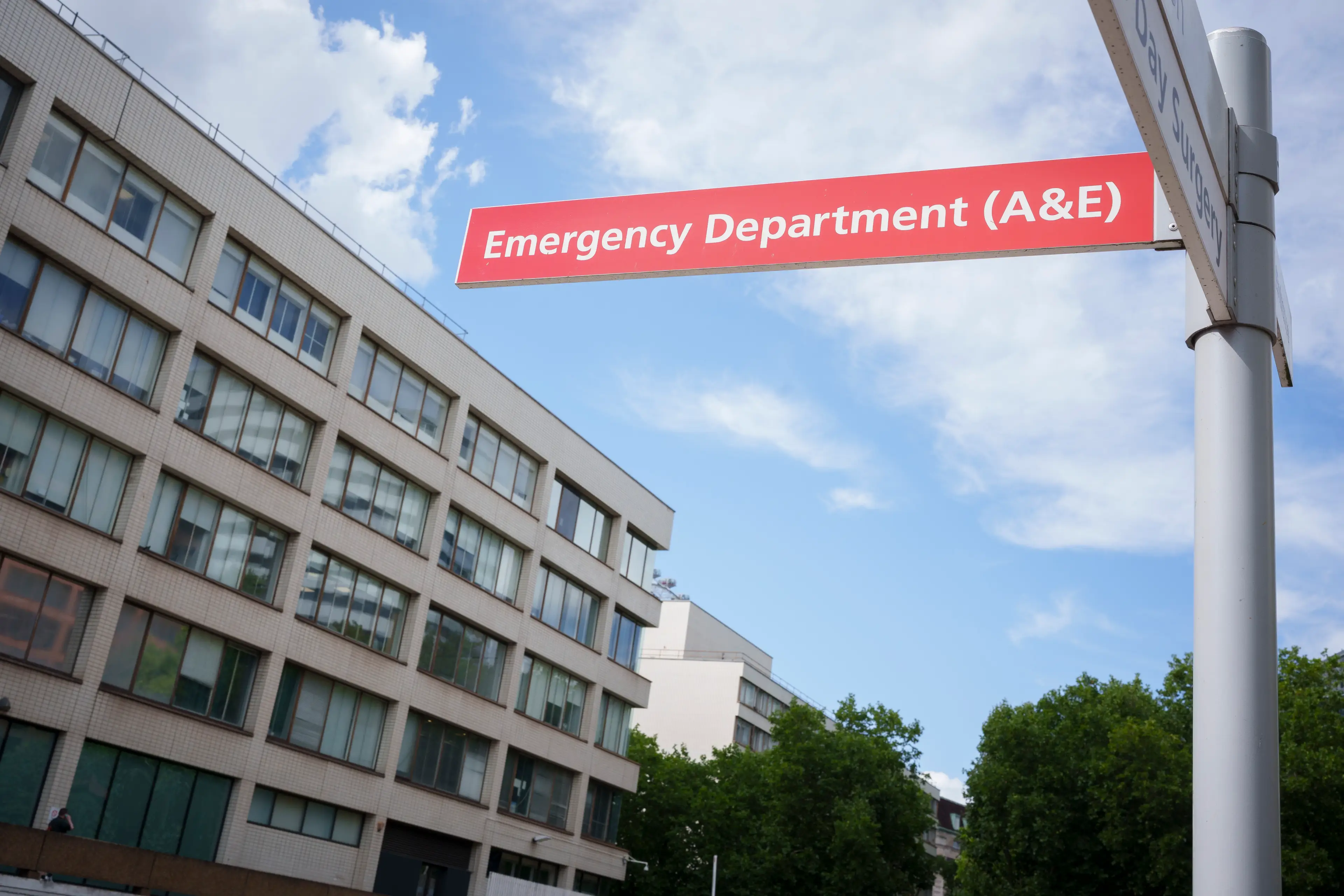
“Our teams continue to work exceptionally hard and we would like to reassure patients and the public that despite the challenges faced and some changes to non-urgent appointments, essential services remain fully open for anyone who needs them so if you do require urgent medical help, please continue to come forward.”
Meanwhile, Sarah Hayes, from East Kent hospitals, said: “Our teams are working tirelessly under immense pressure to provide safe, compassionate care to every patient who comes through our doors.
“We are doing everything possible to increase capacity for urgent and emergency care and would like to thank our staff, patients, and the public for their continued support, understanding and patience during this challenging period.
“It’s important that anyone who needs urgent medical help continues to come forward, using 999 in life-threatening emergencies and 111 for other urgent care. Anyone who is unsure about where to go should call the NHS on 111, or visit 111.nhs.uk for advice.”
What is an NHS critical incident?
A critical incident can mean a number of different things that all relate to an unexpected event that could cause significant harm to patients, staff or the wider public, or seriously disrupt NHS services.
In this instance, the critical incidents declared by the four hospital trusts across England are related to the volume of patients who are accessing A&E departments.
A trust will usually take this step when the emergency departments are unable to deliver all of their services safely, triggering the highest alert level so that NHS bosses take immediate steps to help create more capacity and meet demand.
What could the NHS critical incidents mean for you?
The most important thing to note is that even if your local hospital is one of the four that declared a critical incident, you should still seek medical help if you need it, however, you should make sure you're going to the right place depending on the level of care you need. If you're unsure, you should call 111 who will be able to decide the right steps, unless it is an emergency, in which case you should still phone 999.
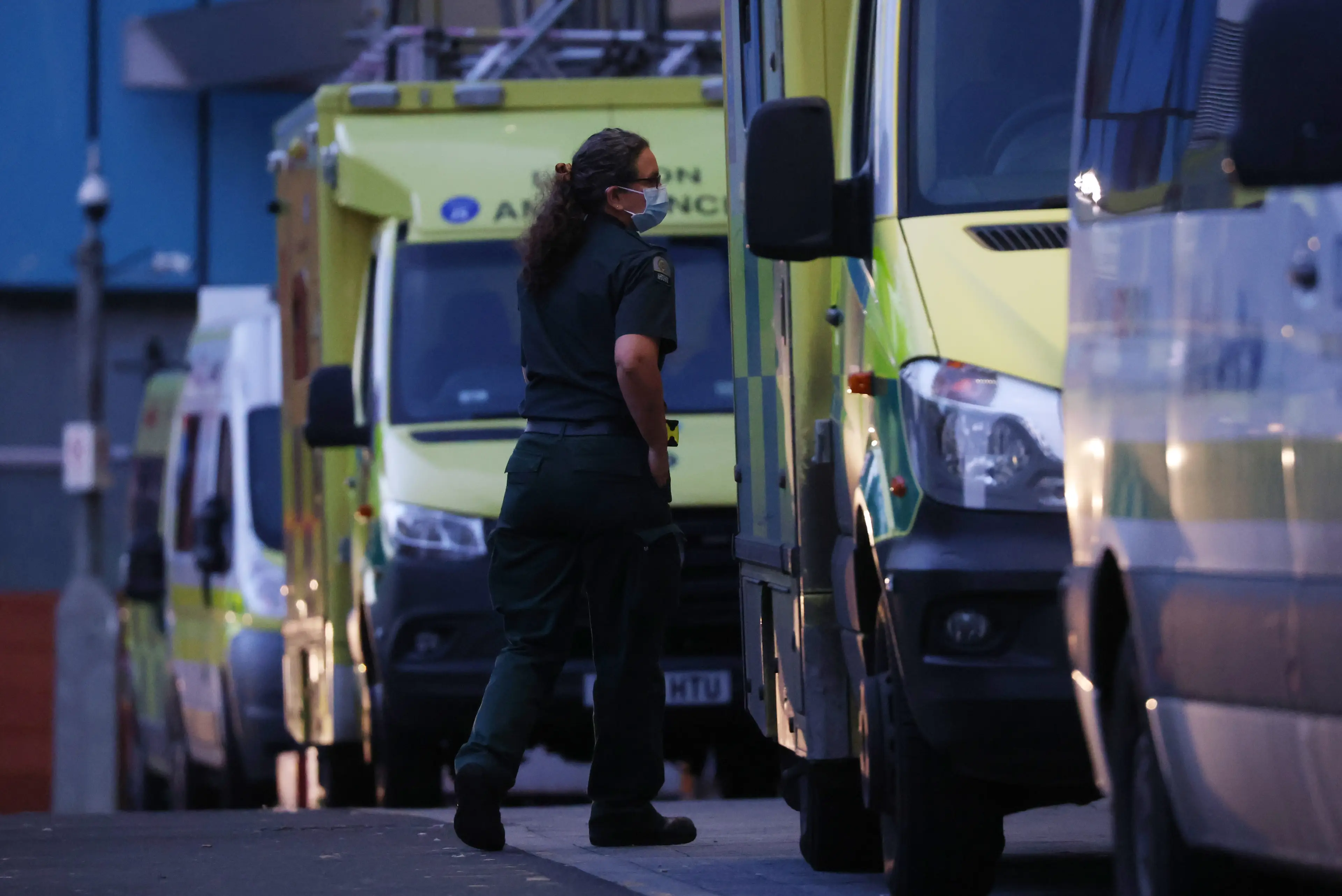
While emergency care will still be available, patients will most likely notice significantly longer waits in A&E and for ambulances while demand is incredibly high, particularly if your situation is deemed non-life threatening.
If you are admitted to hospital, you might find there is a delay in getting a bed or a place on a ward, with several hospitals reporting they are at full capacity.
Although a critical incident sounds scary, it's actually a positive in terms of the fact the hospitals are taking steps to get the extra support that is needed across the system before things become completely unmanagable.
 Emma Rosemurgey