
Average UK household will be £480 worse off this year, experts warn

Brits are set to feel the financial burden of the Iran war this year - to the tune of nearly £500, a think tank has warned.
Despite the geographical distance between us and the centre of the conflict, the economic consequences are still set to hit UK households.
Economists have been warning the world that 'a storm of price rises are on the way', more than six weeks since the US and Israel launched strikes on Iran.
Amid the effective closure of the Strait of Hormuz over the last month or so, oil and gas prices have shot up across the planet...as anyone who's recently filled their car up with fuel will know.
Advert
Brent crude reached close to $120 a barrel at one stage, and it's still hovering around the $100 mark following the collapse of peace talks between the warring sides in Pakistan.
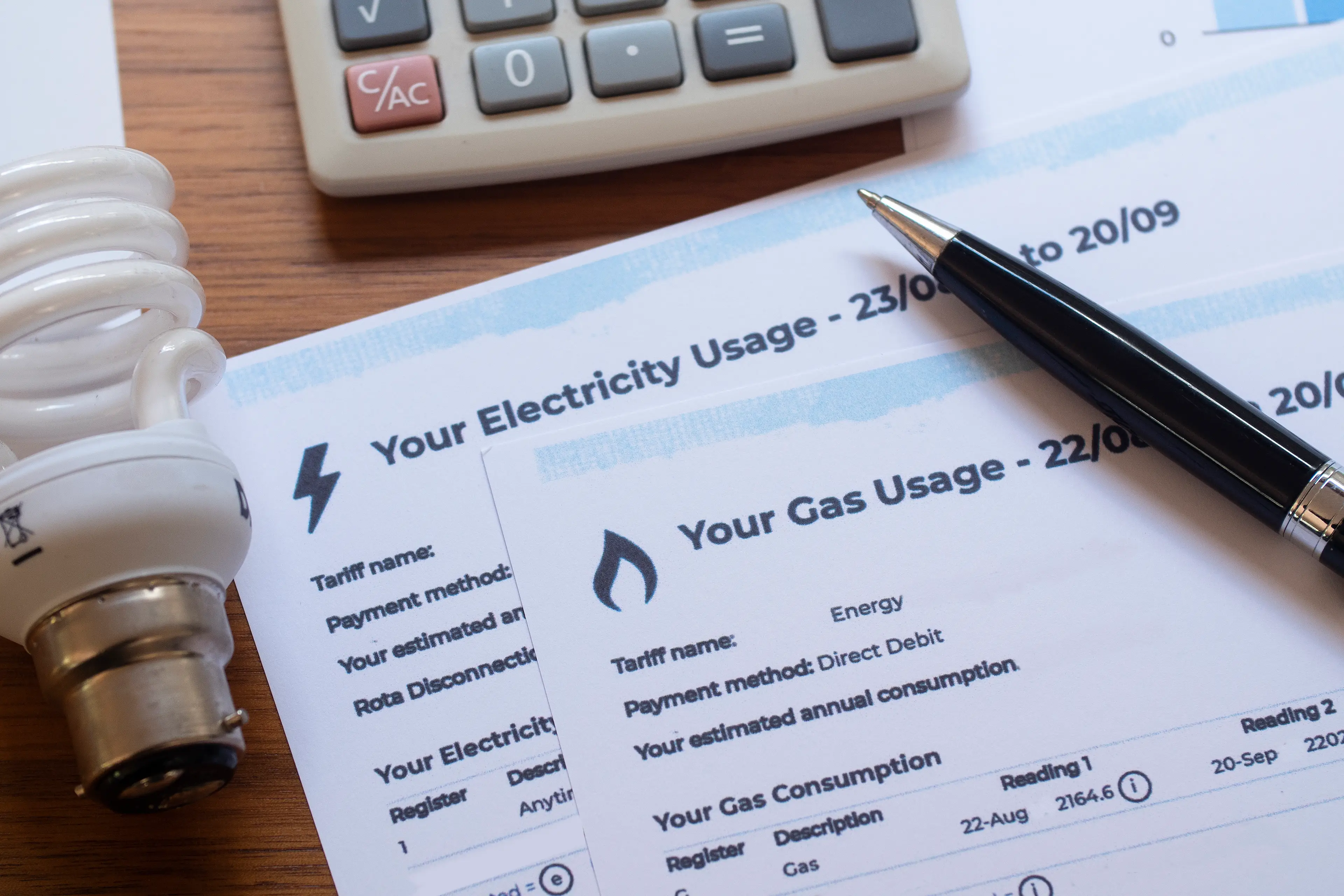
A lot of people in the UK had hoped to feel more financially flush this year thanks to the Energy Price Cap, which the government said would take an average of £150 off the costs of energy bills for Brits.
Millions of households will benefit from lower energy bills from April until July - but experts have warned that prices are expected to rise 'significantly' when it renews due to the war in Iran.
The Resolution Foundation, an independent British think tank, has now crunched the numbers to see how much worse off Brits are likely to be.
And unfortunately, it's looking quite bleak - as the finance boffins reckon that an average household in the UK will be hundreds of pounds out of pocket because of the conflict.
The Resolution Foundation said a lot of Brits will be £480 worse off this year than they would have been if the war had not broke out.
"Despite some lower-income households receiving a long-overdue real-terms increase in their benefits, we now estimate – based on market-forecasts for the rise in energy prices consistent with market pricing after the announcement of a ceasefire – that average income growth for the poorest fifth this year is now set to be just 1.2 per cent, down from 2.8 per cent before the conflict," the think tank said.
"Rising energy prices will likely tip living standards growth into negative territory: the typical household, previously on track for 0.9 per cent growth, is now set to see its income fall by 0.6 per cent – a difference of £480 – over the course of the current financial year."
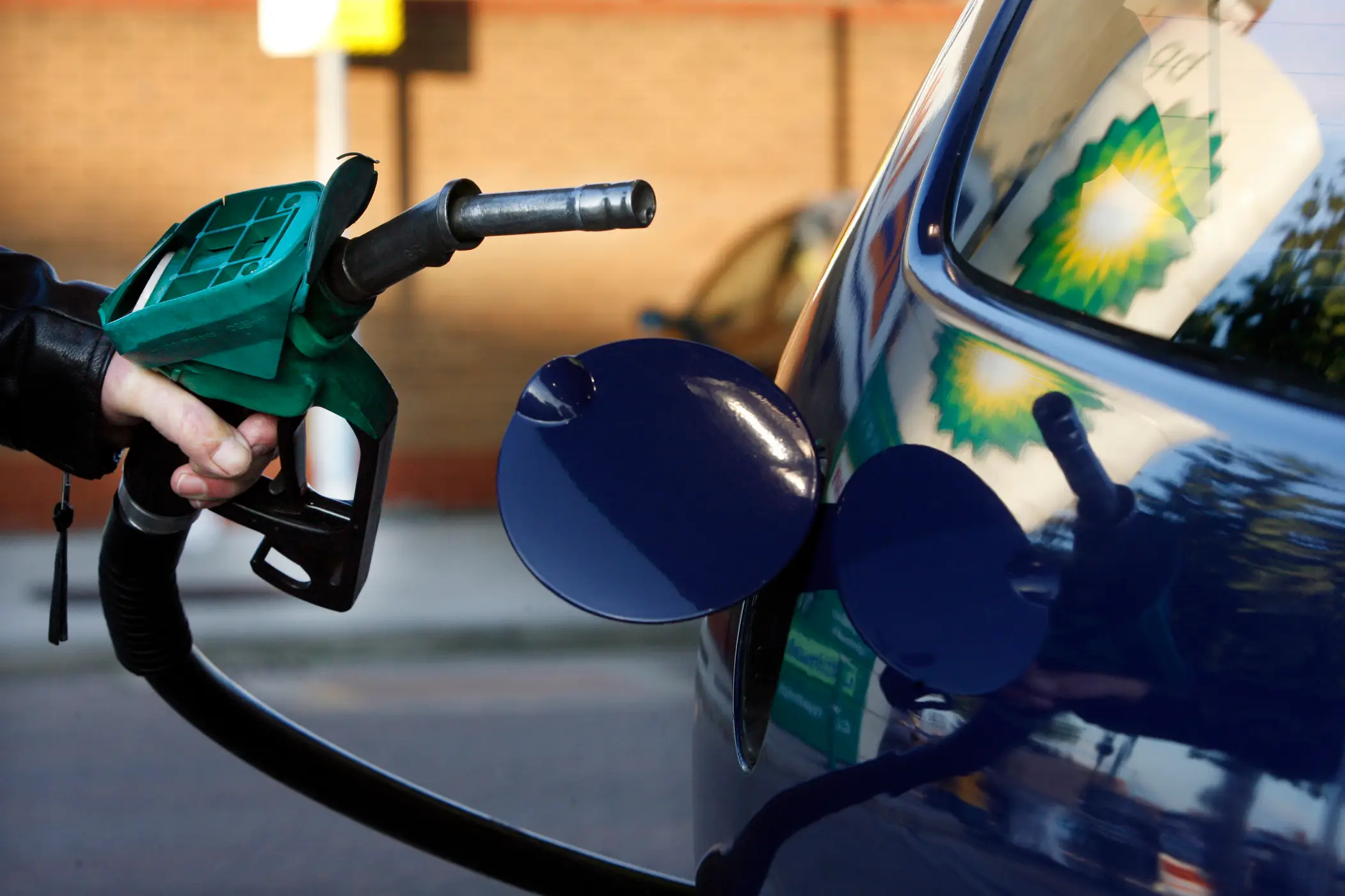
The expected rise in the cost of energy bills and petrol will 'almost certainly be passed on to households' in the UK, the Resolution Foundation said.
It urged the government to prioritise sorting out a social tariff before winter comes back around to offer 'targeted support to struggling households'.
The Resolution Foundation's chief economist, James Smith, said: "Despite hopes for a sustained peace, the path of this conflict remains uncertain and energy prices remain well above pre-war levels, meaning many households face a decline in their purchasing power this year. "This squeeze will run right through the income distribution.
"Lower-income households will still see some income growth thanks to a long-awaited rise in real benefit levels, but inflation will likely knock more than a percentage point off what they stood to gain.
"For those in the middle and towards the top of the income distribution, even the thin growth they had been expecting has tipped into negative territory.
“Deescalation is certainly welcome, but damage to household finances this year is to a large degree already done.
"The Government should act now to prepare a social tariff that reaches households falling through the cracks this winter."
 Olivia Burke