Everything that will become more expensive as gas prices soar following Trump's latest threat

A number of things are set to skyrocket in price as a result of the ongoing war in the Middle East.
The world's economy has been in tatters since the US and Israel waged war on Iran at the end of February, and 20 days on, it's not showing any signs of letting up.
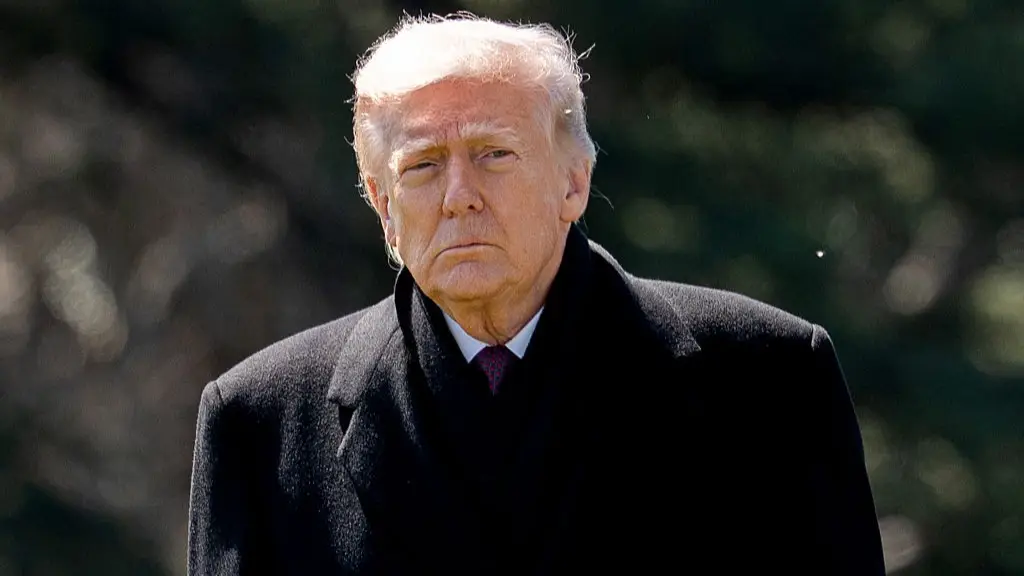
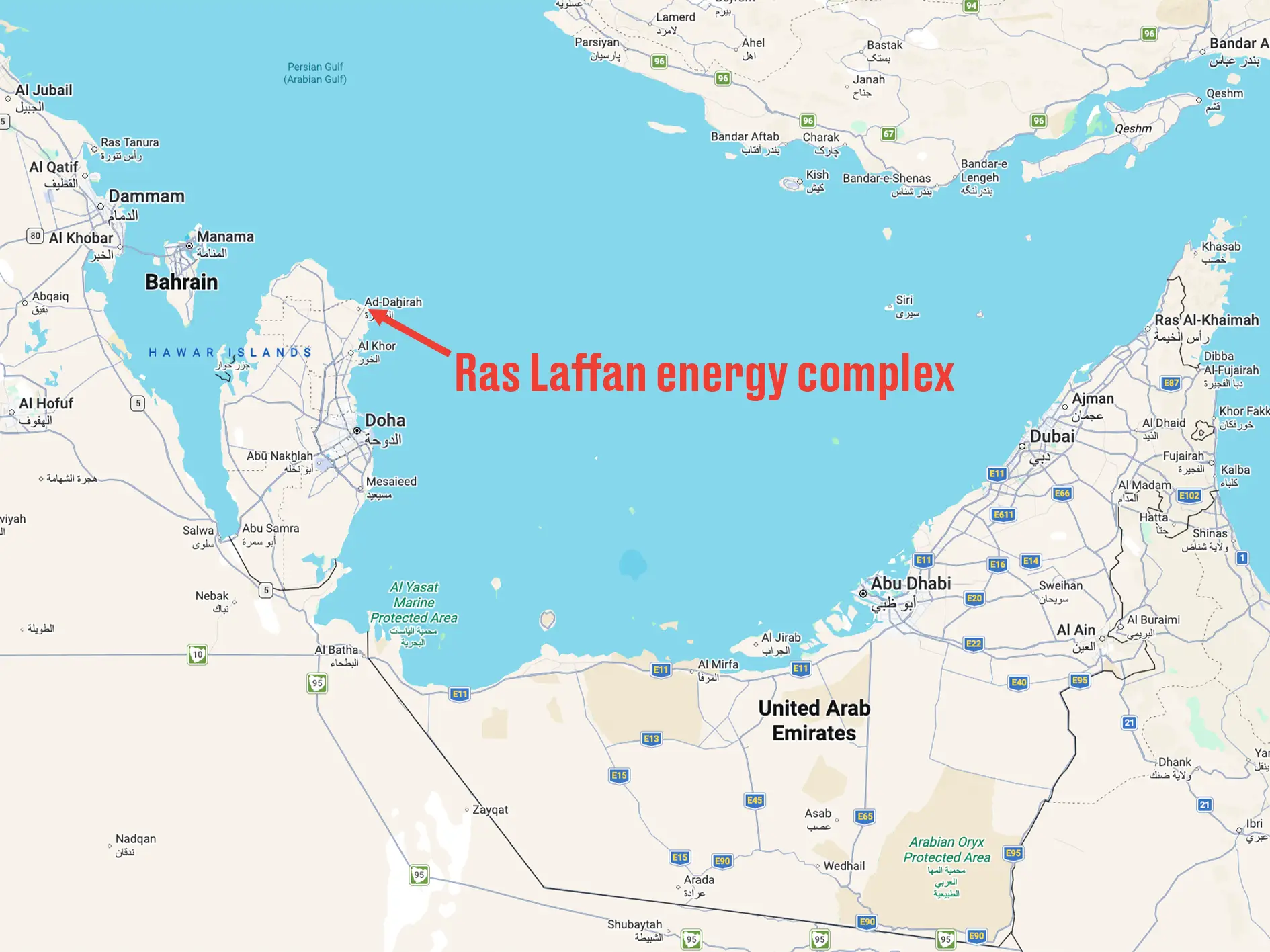
US President Donald Trump took to Truth Social yesterday (18 March), to respond to Israel's recent attack on the South Pars gas field in Iran, with the latter hitting back by attacking Qatar's Ras laffan industrial area.
The 79-year-old said that he 'knew nothing' of the strike, and threatened to take action if Iran were to attack Qatar again.
Advert
One of the most controversial decisions which has been made as a result of the war is the closing of the Strait of Hormuz, an important shipping lane that's responsible for a fifth of the world's oil trade.
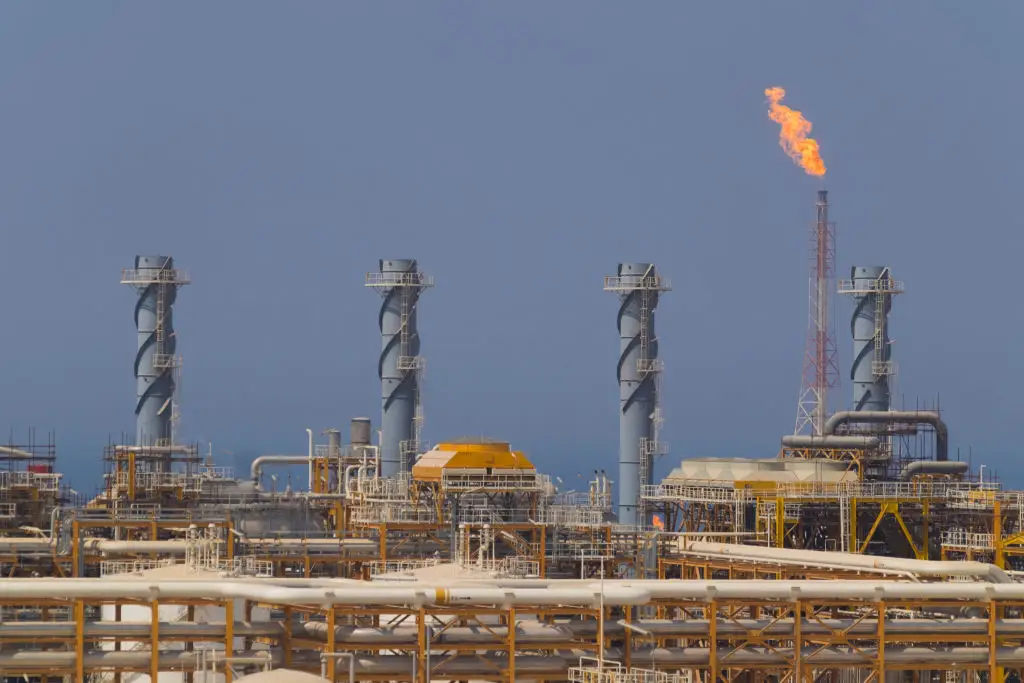
This has then caused the price of oil around the world to rise exponentially.
Trump wrote on social media: "The United States knew nothing about this particular attack, and the country of Qatar was in no way, shape, or form, involved with it, nor did it have any idea that it was going to happen," claiming that Israel 'violently lashed out' following events in the region.
Despite this though, the president said that Iran's retaliation on Ras Laffan was made 'unjustifiably and unfairly', adding that Israel won't attack the South Pars gas field again, 'unless Iran unwisely decides to attack' an innocent nation again.
The gas field is responsible for 70 percent of Iran's domestic natural gas, while being the world's single largest natural gas field.
Claiming that the US may 'massively blow up the entirety of the South Pars Gas Field at an amount of strength and power that Iran has never seen or witnessed before', he hopes not to take to 'this level of violence and destruction'.
But as European gas prices jumped by more than 30 percent, many fear that oil barrels could rise to $200 a piece, as several everyday items have started to become more expensive.
Transport
As Tehran threatened a 'full-scale economic war', the rest of the world has been experiencing an uptick in gas prices, with the UK seeing gas prices soar by 23 percent, at 171p per therm.
Oil price is higher, sitting at $113 a barrel, so how does this impact transport?
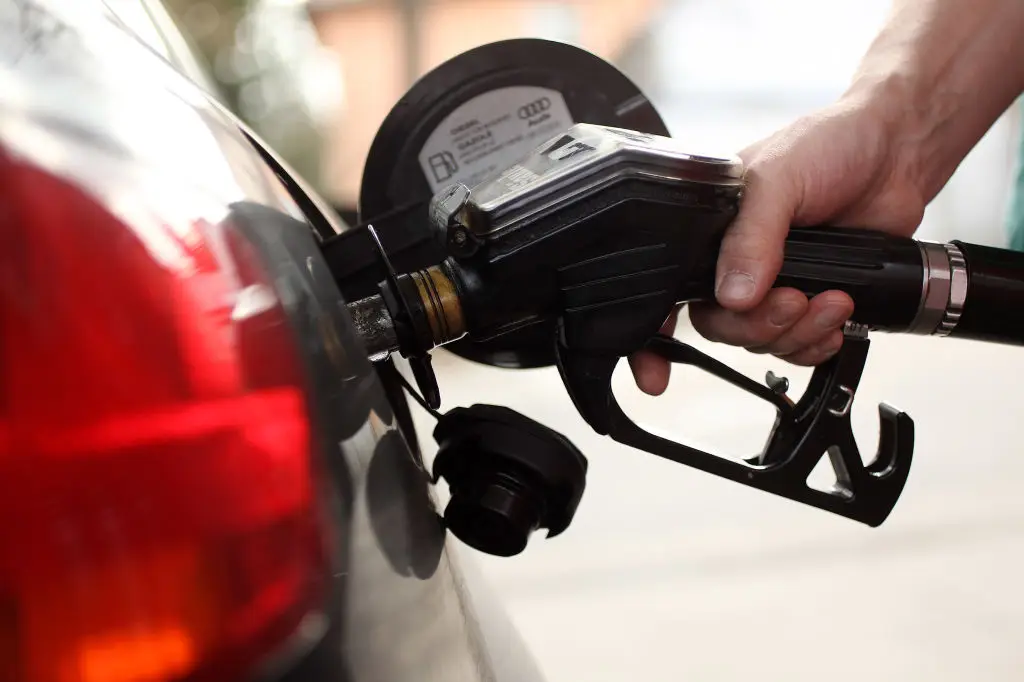
Driving a car will become more expensive, with not just the price of gasoline, but car parts and tires also going up.

Air travel will also cost more, as planes use fuel which comes from oil, in addition to shipping and trucking costs as once again, they require fuel, and a lot more than a car would.
Transporting goods will become more expensive with fuel costs going through the roof, as moving products from factories and warehouses to stores will become more expensive, which may lead to increased retail prices and shipping fees.
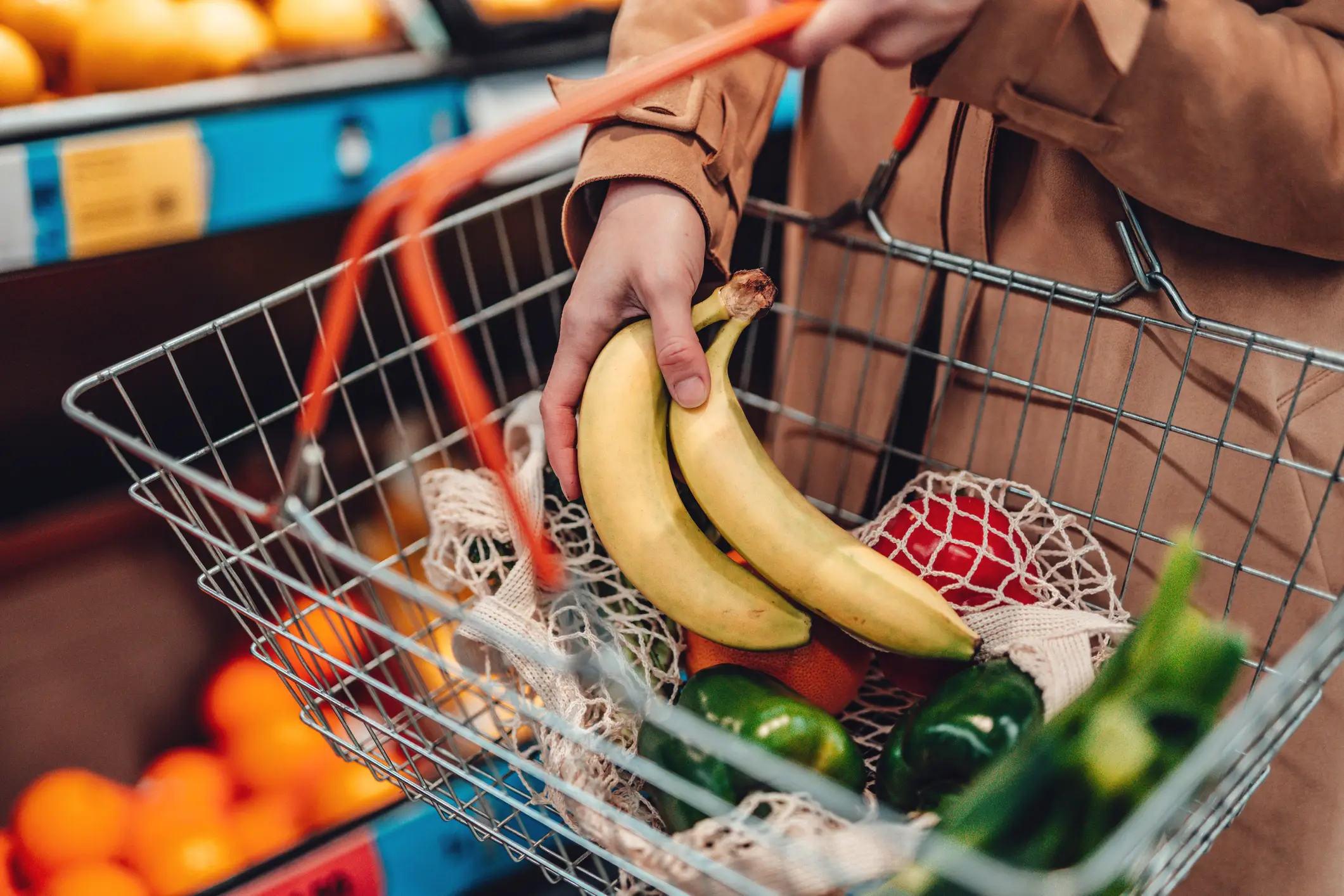
Groceries
Linking to the last point, fuel is needed to move food from farms to stores, while farm equipment also depends on oil, meaning it will cost more simply to product food.
Fertilisers and pesticides are also linked to oil and energy, with energy costs having a big part to play in food production.
The International Energy Agency calculate that energy costs, both direct and indirect, can account for up to 50 percent of the costs of food production in nations such as the US.
Food products can also come in plastic which is made from petroleum.
Household products
The price of clothes could go up, as fabrics like polyester and spandex are made from petroleum.
But plastic household items will also become more costly, with anything from toys, kitchen utensils, storage containers, and home décor potentially seeing an uptick, if they're petroleum based.
There are more links between everyday products and oil than you might think, with oil being used as a material fairly often, while also playing an important role in manufacturing and shipping.
Electricity
The prices of heating oil and propane could go up, as the price of crude oil has a direct impact on these being used in homes.
We've all noticed the uptick in energy bills amidst the cost of living crisis, but it looks like it's showing no signs of slowing down.
It's been reported that the US had experienced increases in the cost of heating oil prices of almost 50 cents per gallon since last year.
Fact check: Where does the UK get its oil from?
With gas prices across the UK and Europe rising rapidly as the US and Israel's ongoing conflict with Iran continues, many have asked the question - where exactly does the UK get its oil from?
While there are many types of oil used in the UK, providing for everyday uses within the industrial heating and culinary sectors, transport is the primary use of oil.
Offshore Energies UK states that some 32 million cars, vans and lorries rely on petrol or diesel, which is a colossal amount of consumption that roughly equates to under a tonne of oil per UK citizen.
53 million tonnes of oil is produced in UK waters, and an estimated 45 million tonnes of this is exported globally, with the Netherlands and China being the biggest purchasers of UK crude oil.
So, where does the rest of the UK's oil supply come from?
Norway, Libya, Algeria, Nigeria and Canada are among the countries that provide the UK with its oil supply, with Statista showing that the United States is the biggest supplier of oil and oil products - in particular, crude oil and natural gas liquids - according to 2024 data.
In 2025, the UK Government set out the North Sea Future Plan to 'build a prosperous and sustainable future for the North Sea', which will set a clear path to grow clean energy industries, support the management of existing oil and gas fields for their lifespan, and help North Sea workers and communities make this transition.
Topics: Cost of Living, Donald Trump, Iran, World News
 Joshua Nair