El Niño has officially begun as scientists explain impact of phenomenon

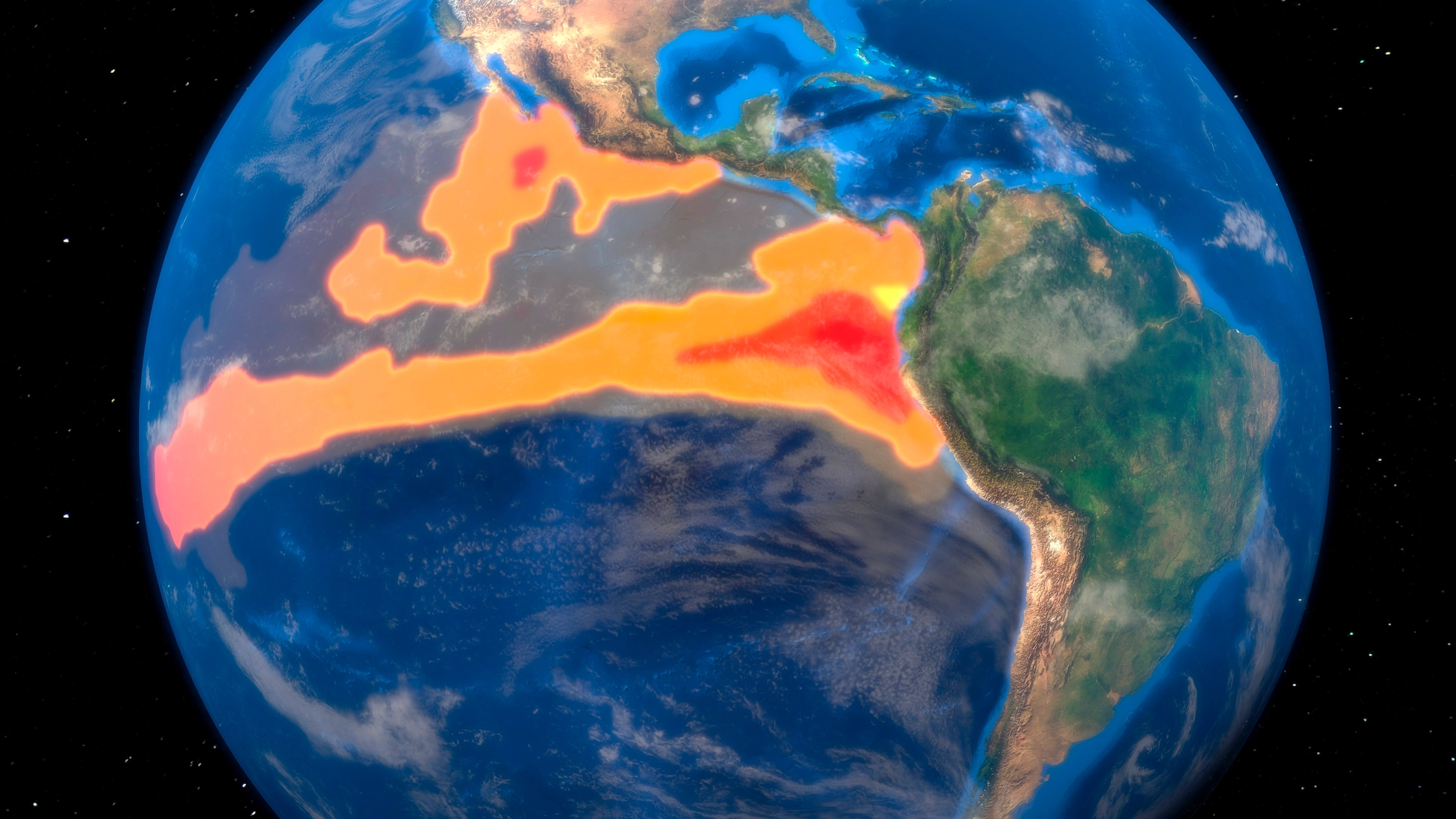
It's official, the world is going to experience an El Niño as scientists in the US working for the National Oceanic and Atmospheric Administration (NOAA) announced that the conditions in the Pacific Ocean were now set for the destructive weather event.
While the coming of the El Niño had been expected it's still a confirmation that there are going to be some damaging impacts felt around the world.
The NOAA announcement said there was a 63 percent chance of ocean temperatures rising by 2°C above average, meaning this would not just be an El Niño but a 'super' El Niño with even worse destructive capability.
Ken Graham, director of NOAA’s National Weather Service (NWS), explained what it could mean.
Advert
He said: "Every El Niño is not the same; each one is unique with its own imprint on our weather.
"Advanced monitoring and an improved understanding of El Niño patterns allow the NWS to better predict and better prepare the public and our core partners for what is to come."
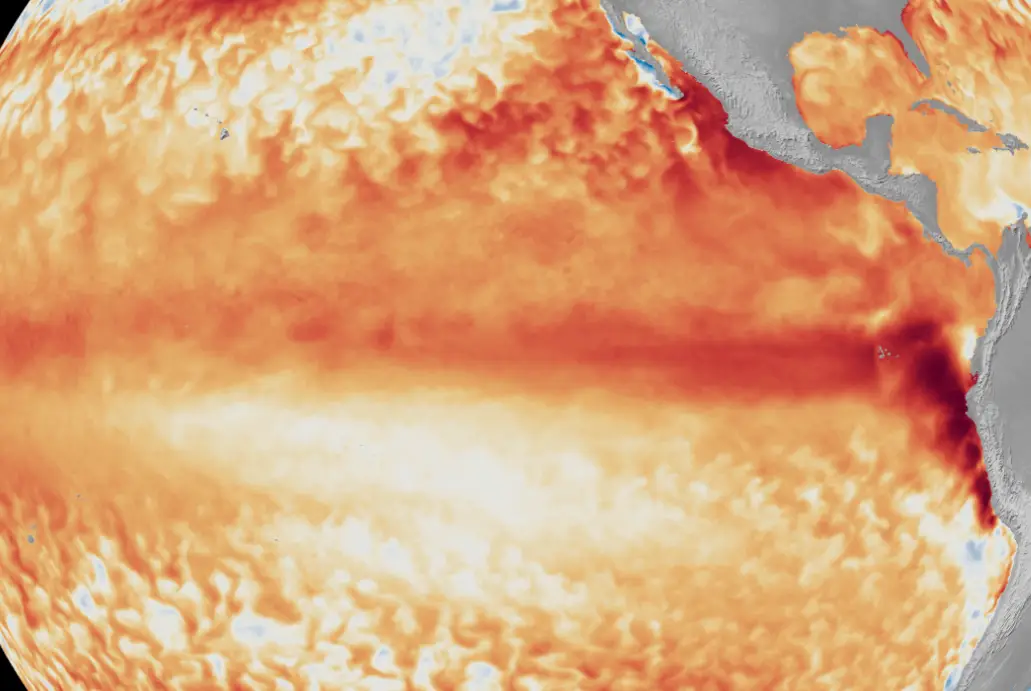
The experts reckon that for the US the typical impact is things getting wetter for the south of the country, warmer in the north and drier in the middle.
El Niños are normally stronger during the winter months, the scientists say, and the 'storm track' hangs over the southern states which makes it drier over the Rocky Mountains and the likes of Ohio and Tennessee.
The impact of an El Niño is felt all over the world, and while countries with coastlines on the Pacific will feel the most immediate and dramatic impact there will be all manner of consequences.
Past El Niño events have resulted in massively increased rainfall in parts of southern South America, southern areas of the United States, parts of Africa and central Asia, leading to widespread flooding.
Central America, northern South America, the Caribbean, Australia, Indonesia, and parts of southern Asia have experienced significantly hotter and drier temperatures which have resulted in droughts and wildfires.
Extreme heat is predicted 'nearly everywhere' this summer, and the impact will linger on through next year as well.
Energy & Climate Intelligence Unit's Gareth Redmond-King warned the more extreme weather would put pressure on food production.
He said: "The havoc El Niño will wreak as it likely delivers another hottest year, in 2027, will be devastating for many farmers, and a question of life or death for far too many people."
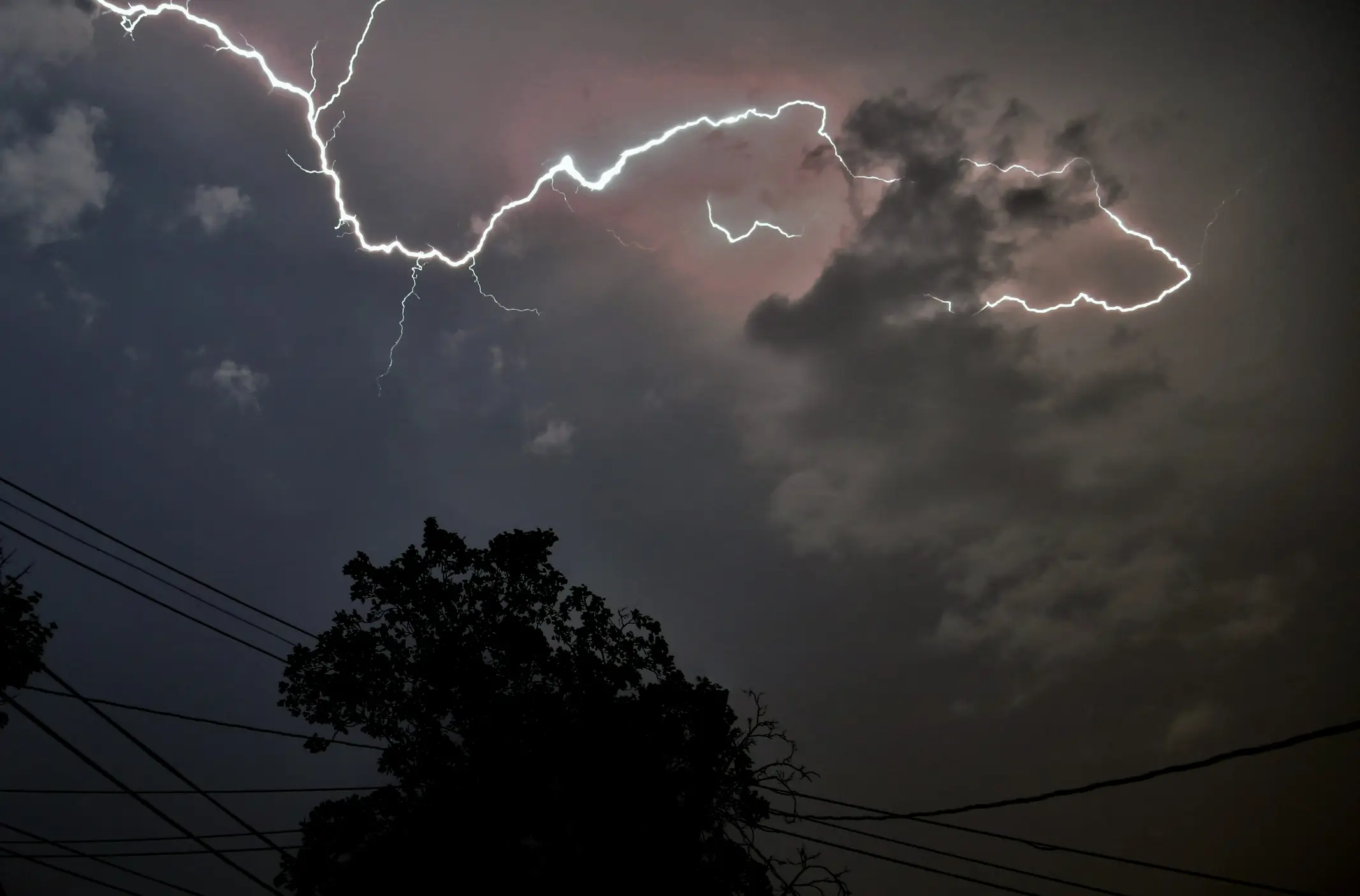
Food shortages, flooding, droughts, destructive storms and a huge amount of expensive damage are typical consequences of an El Niño, it looks set to happen again.
The extent of the damage isn't just seen above sea level as the hotter ocean temperatures also threaten marine life and can contribute to the bleaching of coral ecosystems.
How will a super El Niño affect the UK?
The UK will likely be hit less hard by the El Niño than other parts of the world, but its effects will still be felt.
Professor Adam Scaife, Head of Long-Range Forecasting at the Met Office, said: "It is also highly likely that the El Niño will cause a temporary spike in global annual temperature with the residual heat potentially making next year the hottest in the global series from 1850."
The Met Office states that while the effects of an El Niño on the UK's weather are 'indirect', it 'can increase the likelihood of more unsettled conditions later in the year, including a higher chance of milder, wetter and windier weather during autumn and early winter'.
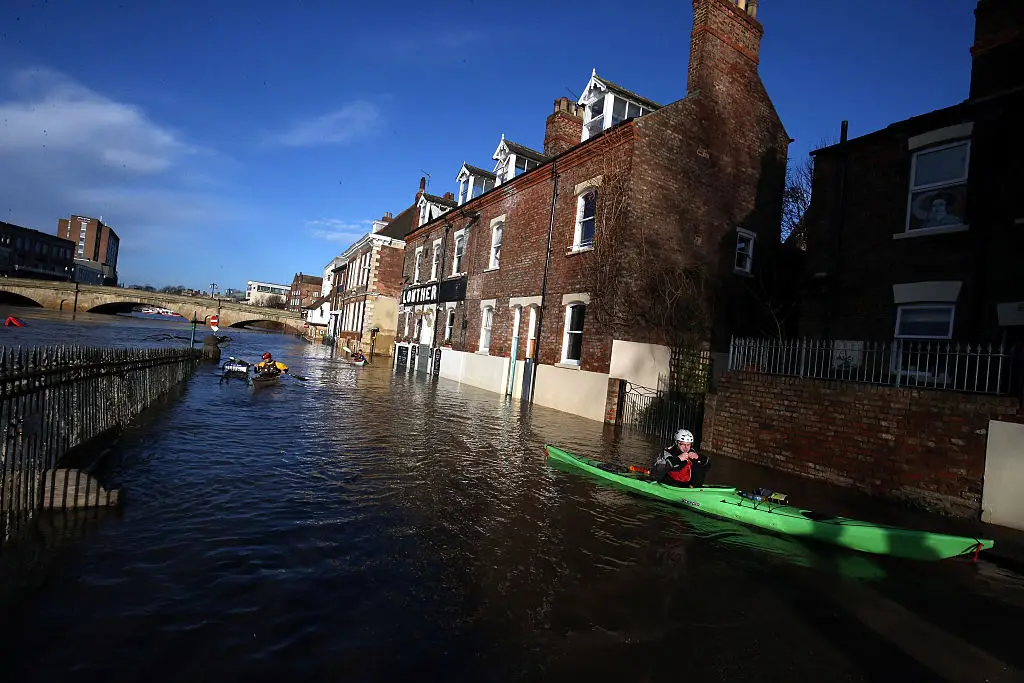
In December 2015, severe flooding in the UK was blamed on a strong El Niño, so we can only hope we don't see a similar situation this winter
How does an El Niño year happen?
Strap in, folks. It’s time for some science.
It all starts with something called trade winds, which are permanent winds around the equator which usually blow from east to west. So in the equatorial Pacific, they blow from the Americas towards Australia and New Zealand.
As the wind blows the water east, it is warmed by the sun, so by the time it gets to the other side of the Pacific, the warm water causes hot air to rise, leading to warm, wet and unsettled weather. Meanwhile, colder water from deeper in the ocean rises in the east to replace the water blown west.
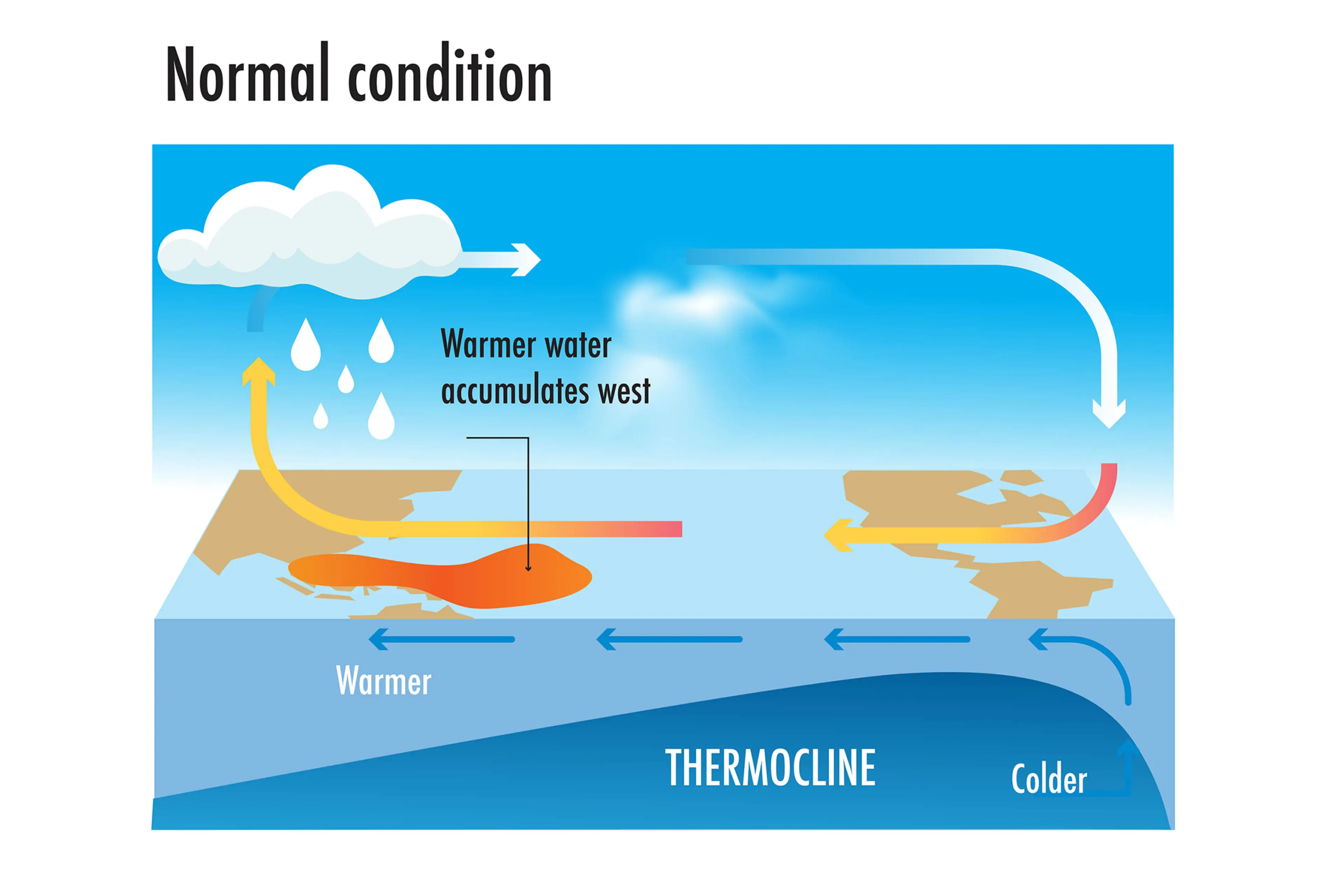
But during El Niño years, this gets disrupted.
When trade winds are weakened or even reversed, the temperature difference between the east and west is cancelled out, and usually cold parts of the ocean warm up.
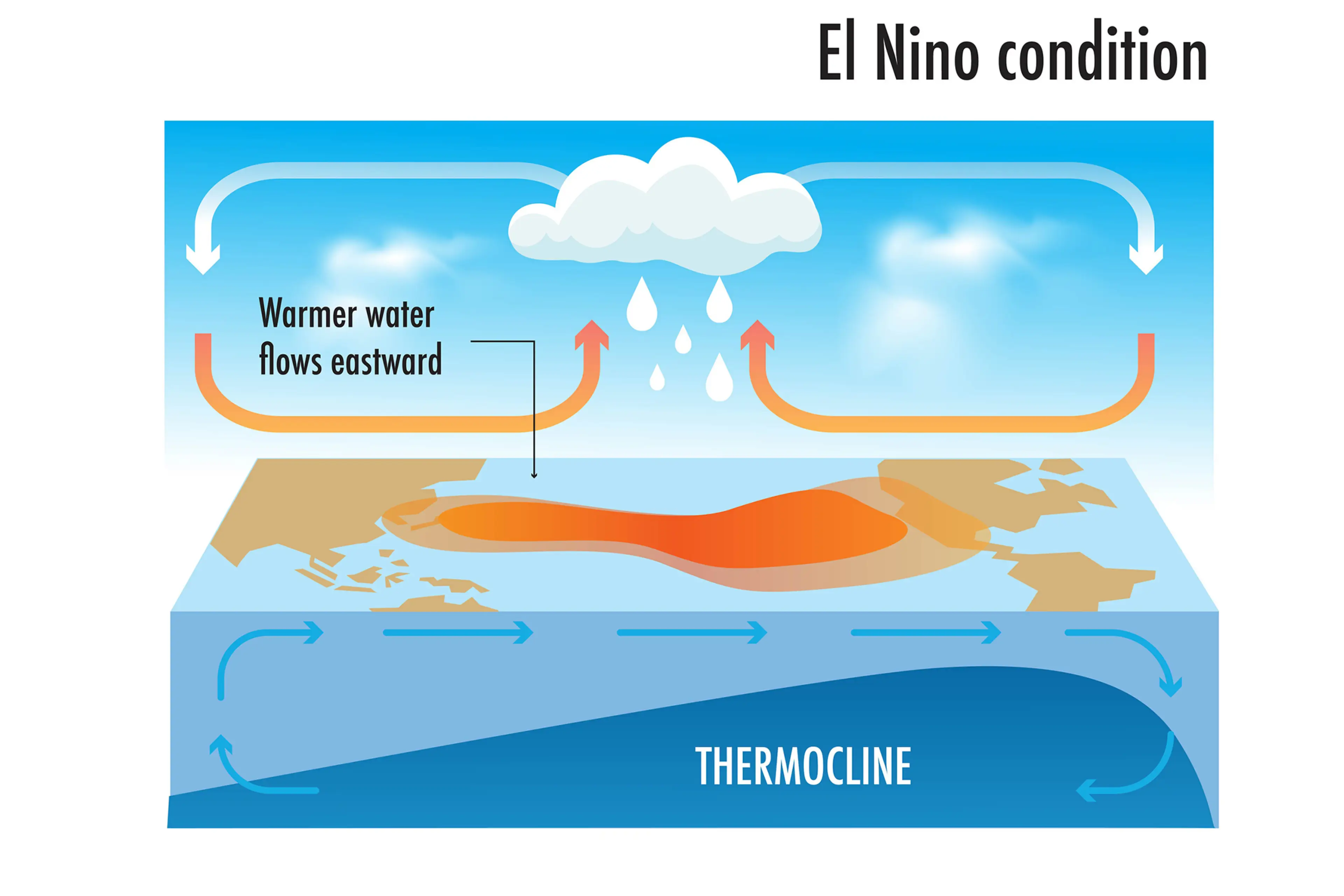
Rainfall and wind patterns change across the equatorial Pacific, which has a knock-on effect around the world.
Anyone else's head hurt a bit?
Topics: Science, US News, Weather, World News, El Niño
 Joe Harker