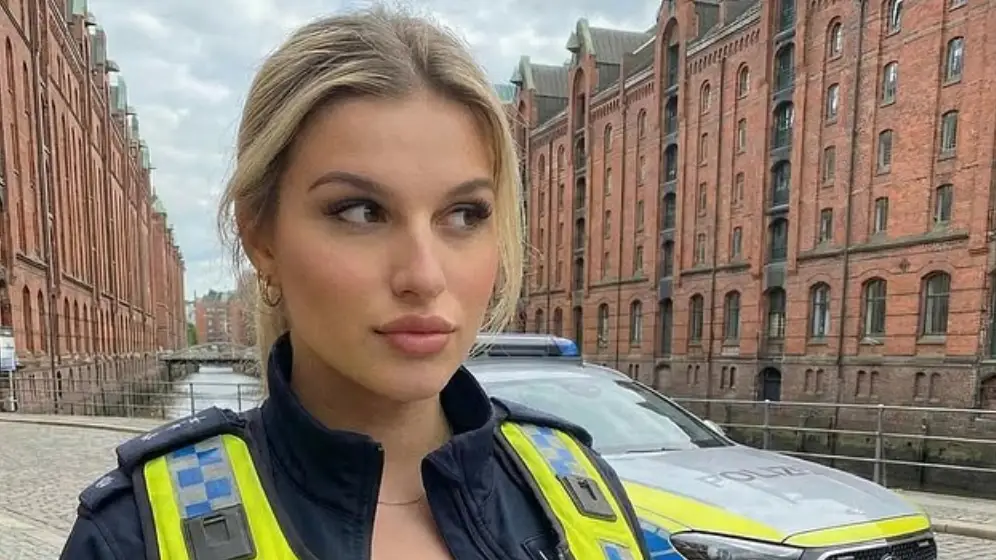
German police forced to issue statement over surge in photos of female cops

Authorities in Germany aren't best pleased with photos of 'female police officers' doing the rounds online.
You may have spotted some snaps of what look to be German police officers on social media, but it turns out that it's not a number of cops getting a bit too comfortable in their clothing (or lack of it).
German cops have been seen wearing crop top uniforms, a police jacket coupled with a crop top and yoga pants, and even photographed in bedrooms.
The racy photos got people talking on social media, as Hamburg police were forced to address the rise in profiles displaying photos of attractive women in uniforms.
Advert
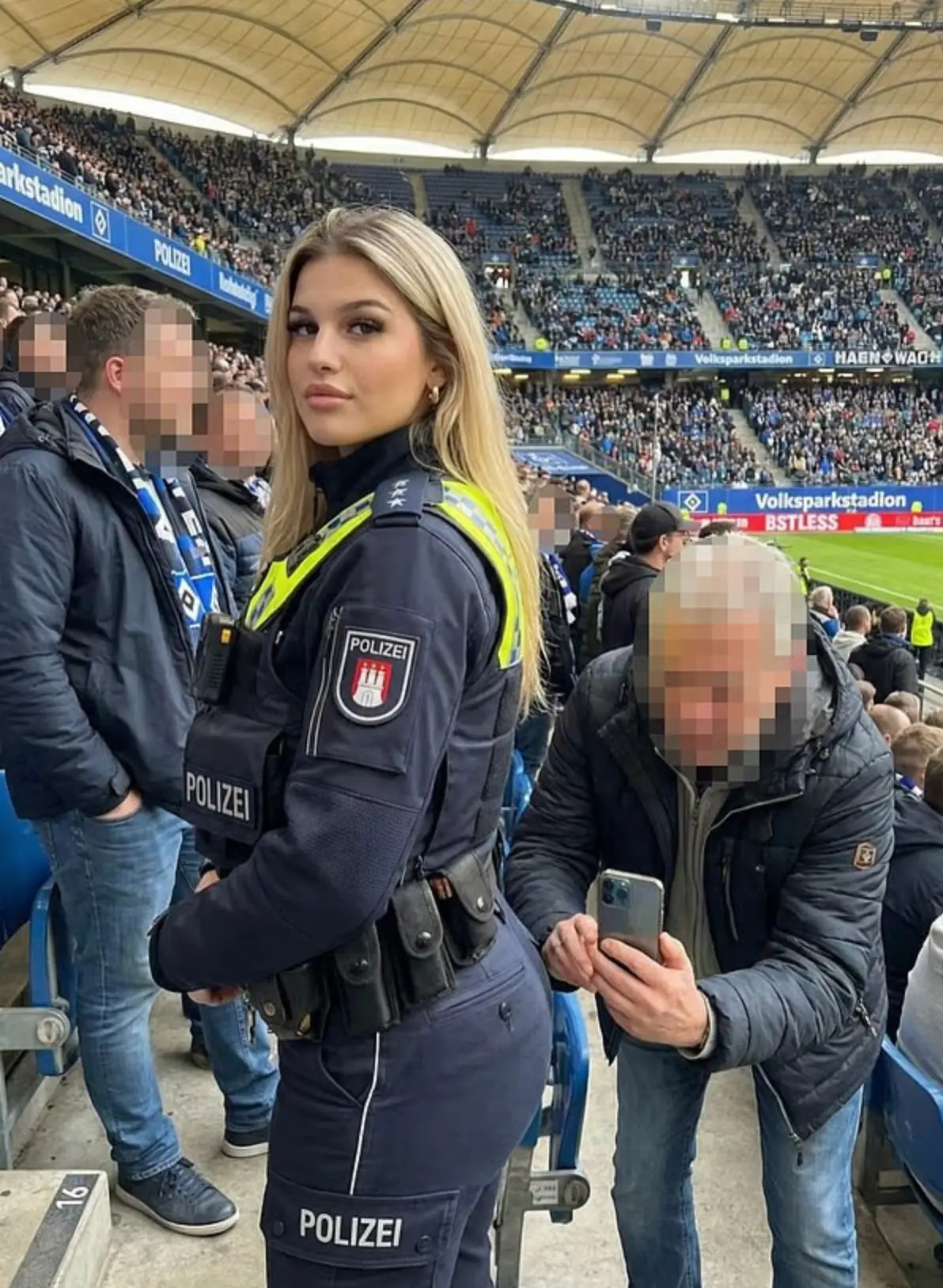
It turns out that these were all AI-generated images which were made as part of an online scam.
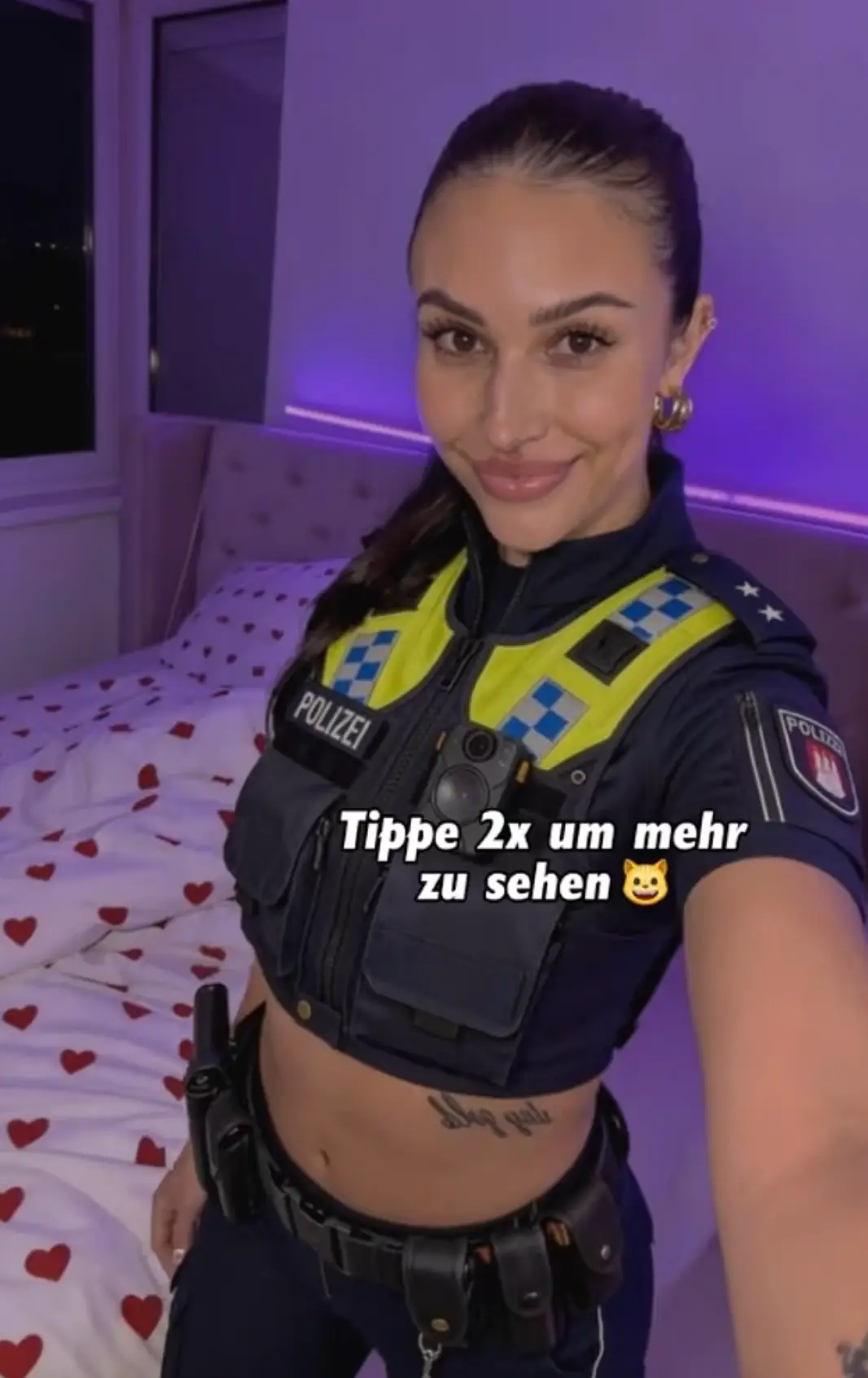
German authorities have spoken out about these accounts, which displayed deepfakes of these women to try and lure men into clicking onto paid websites to see more images like them.
Speaking in an official statement on Monday (15 December), the Hamburg police force said: "We are receiving increasing reports of allegedly AI-generated social media profiles that supposedly depict female colleagues of the Hamburg police.
"Some images are used in police uniform, some are used in sexualized depictions.
"Such profiles damage the reputation of the Hamburg police and violate the privacy rights of real people.
"The Hamburg police do not operate private Instagram profiles of individual emergency forces!
"Reliable information can be found exclusively on the official channels of the Hamburg police."
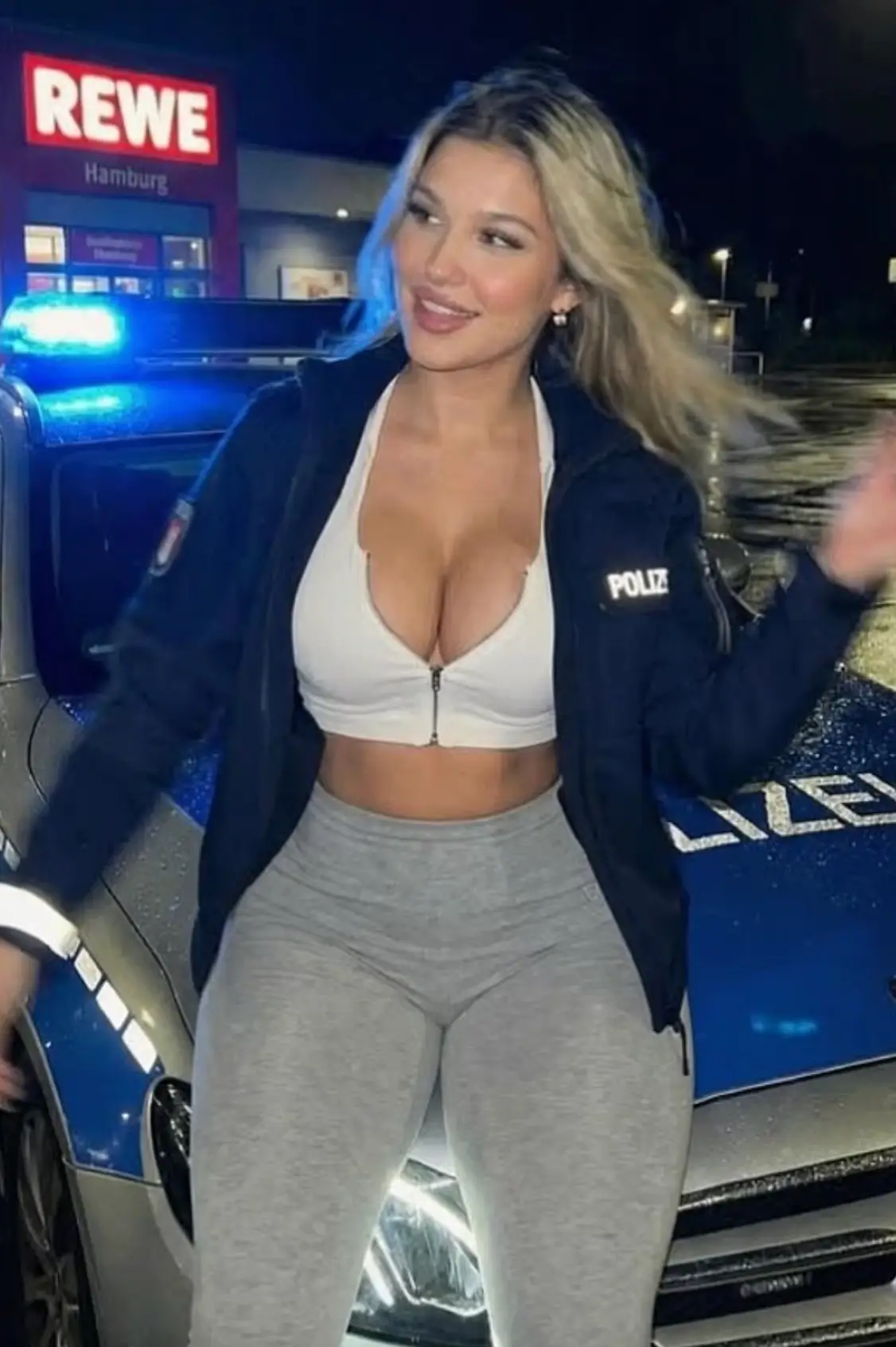
The snaps show women posing in tight-fitting police uniforms in highly unrealistic settings, with out even being generated with the background of a Hamburger SV football match, where a man is taking a photo of her behind.
Some reveal either the stomachs or cleavage of the subjects, in photos which have been made to impersonate real people in what has become a growing worry for large-scale companies and organisations.
Hamburg Police reiterated that they do not operate any private Instagram accounts for officers, announcing that they are considering their legal options against the AI-generated content.
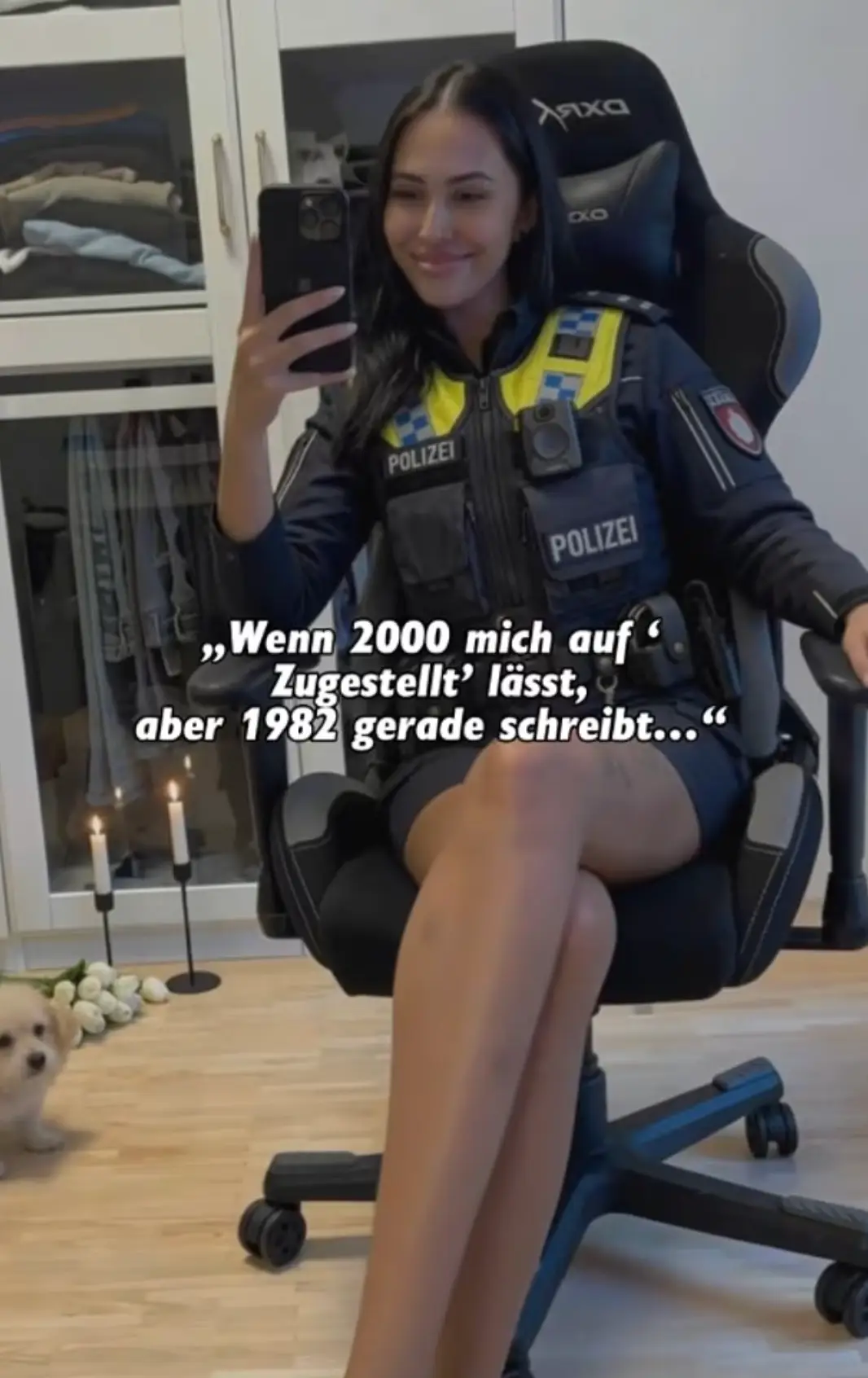
The police urged those on social media to report the fake profiles, months after the United Nations' International Telecommunication Union (ITU) advised companies to use tools to detect and remove misinformation and deepfake content.
The ITU claim that trust in social media has dropped sharply after many are struggling to tell the difference between what's real and what's fake.
They have further called for stricter standards to be upheld so content distributors can use digital verification tools can verify photos and videos before posting.
"We need more of the places where users consume their content to show this information," Leonard Rosenthol of Adobe said.
The company has been putting work into addressing deepfakes since 2019, which would be key in helping users trust platforms once again.
He stated: "When you are scrolling through your feeds you want to know: 'can I trust this image, this video..."
There's no doubt about it - AI is getting scary.
Topics: Social Media, World News, Artificial Intelligence
 Joshua Nair