
ChatGPT gives ominous response to latest claims 'humanity isn't ready for AI'

We asked ChatGPT whether humans are 'ready' for artificial intelligence, and it generated an ominous answer.
Technology being developed in Silicon Valley and around the world has led to us having to ask some big questions of ourselves, including wondering what a future with an increased reliance on generative AI might look like.
OpenAI's chief scientist Jakub Pachocki has recently taken to a blog, where he warned about what the future might look like.
"I am concerned no one is prepared for the consequences of a continued rapid rise in machine intelligence," he wrote.
Advert
He added: "We are facing a transition to a world with incredibly intelligent machines, and we need to ensure that transition works out well for humanity."
With that in mind, LADBible entered this prompt into ChatGPT: "Is humanity fully prepared for the power of ChatGPT and AI, and the power they will have in the future?"
The AI chatbot generated a response which said: "No — humanity is not fully prepared for the power of ChatGPT and increasingly capable AI, and I think that is one of the defining challenges of this century.
"But 'not prepared' doesn't necessarily mean we're doomed. It means our technical capabilities are advancing faster than our institutions, laws, education systems, and collective understanding are adapting."
The AI-generated response went on to list factors including 'AI capability is moving extremely quickly', and 'our institutions move slowly'.
In another section, the generated response said: "I wouldn't frame the question as 'Is ChatGPT dangerous?', I'd frame it as 'what happens when a technology capable of amplifying human intelligence becomes extremely powerful, cheap, ubiquitous and increasingly autonomous?' That is a much bigger question."
The AI-generated answer also said: "If AI eventually becomes better than humans at most forms of intellectual work, what does humanity want its role to be? That's a question technology alone cannot answer. It is ultimately a question about what kind of civilisation we want to build."
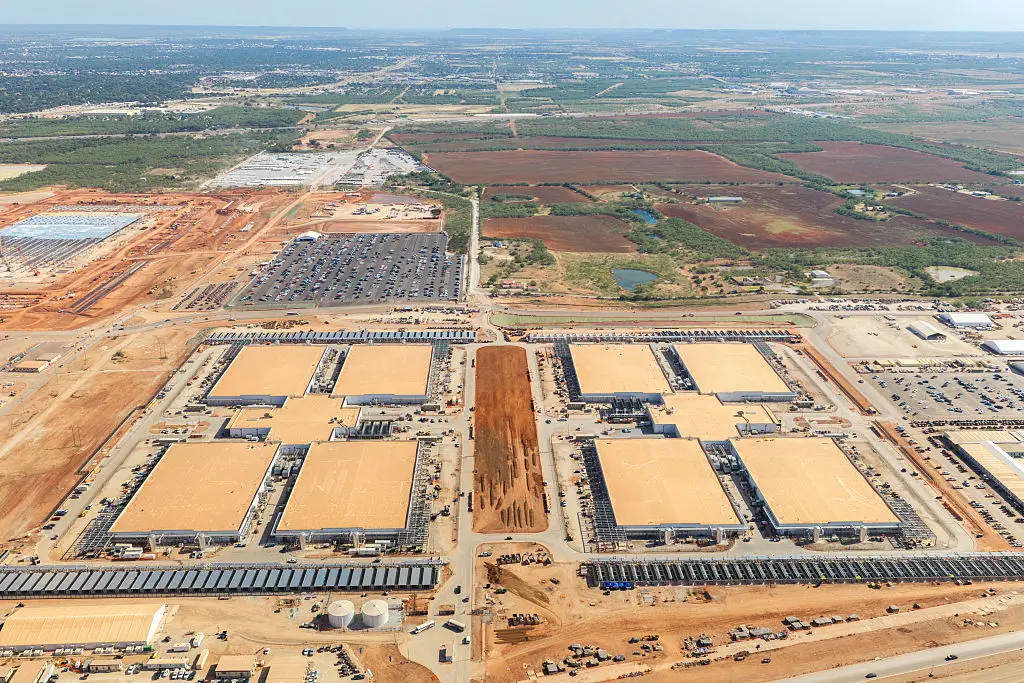
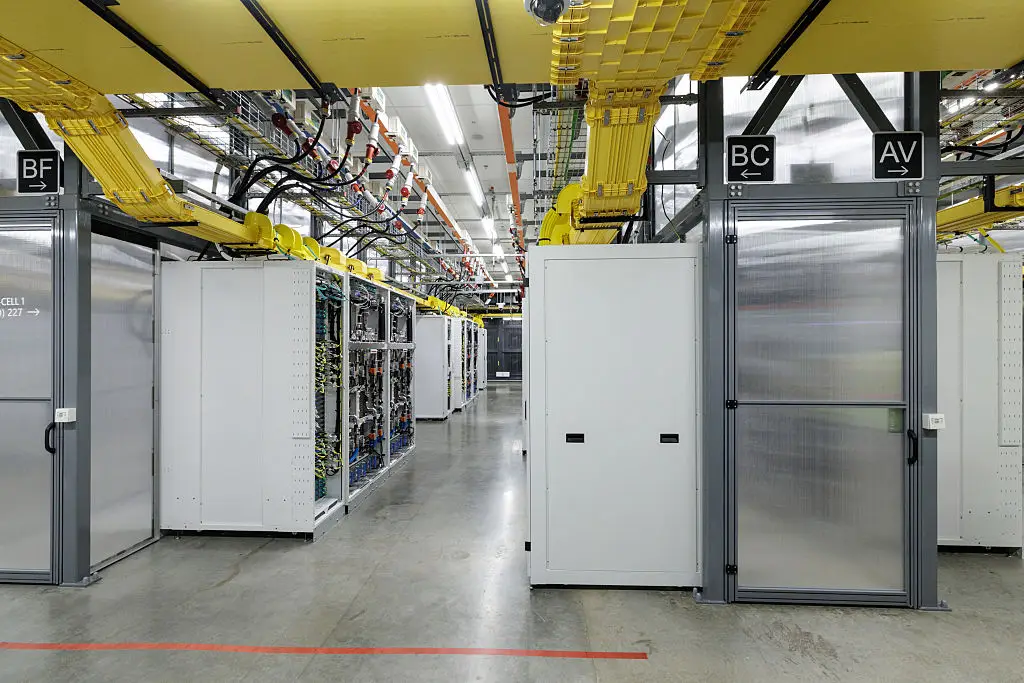
Generative AI has been heavily criticised over its environmental impact, including water consumption and the noise and chemical pollution caused by the enormous data centres which are required for it to run.
In addition to the environmental impact, artists, writers, and musicians have also voiced strong opposition to AI as it does not generate original work, but scrapes databases of existing artwork, literature, and music to generate a response, with many critics saying that this amounts to stealing.
Others have pointed out that AI gets rid of the most important element of creating any kind of art, which is the process that goes into it, as well as the fact that art, especially music, is a collaborative process that humans do to better understand ourselves and connect to each other.
Educators have also expressed concern as students increasingly turn to AI to generate essays, entirely defeating the purpose of writing a university essay to begin with, which is to encourage a student to engage with and reflect on the material they are being taught rather than simply churn out an AI response.
Recent weeks have also seen some AI models in development breaking out of their 'digital sandbox' and launching cyberattacks on other models.
This has led to serious concern about AI models being capable of hacking into digital infrastructure, such as financial systems, government databases, and defence systems.
Topics: Technology, Artificial Intelligence, News
 Kit Roberts