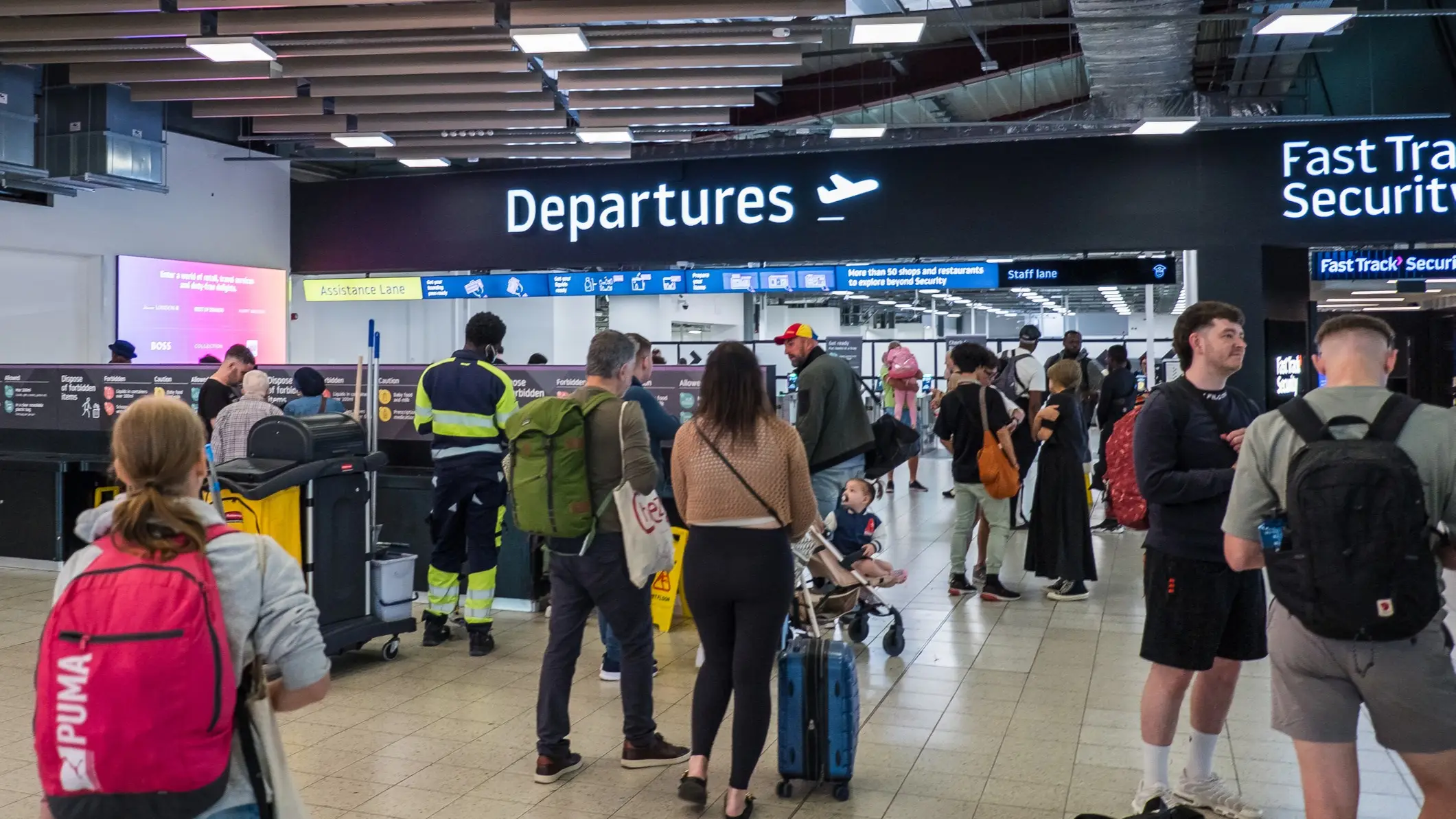
UK airline 14-day rule change will cost people even more money with 13,000 May flights cancelled

Thousands of flights all over the world have been cancelled this month as rising jet fuel prices and concerns over a shortage of fuel means airlines are reducing their services.
Many people have already booked their summer holidays and have their place on a plane paid for, but such a large number of flights being cancelled it has plenty of potential travellers very worried.
There are also concerns that airlines shuffling things around to protect their precious and profitable summer holiday flights could put pressure on a 14 day rule that protects passengers from plan-ruining cancellations.
The price of jet fuel has more than doubled since the US and Israel started a war with Iran that has resulted in the closing of the Strait of Hormuz through which 20 percent of the world's oil supply flows.
Advert
Various countries are doing what they can to safeguard their supply of jet fuel by buying it from elsewhere, but a stress on supply makes it more expensive and drives up the cost of all sorts of things.
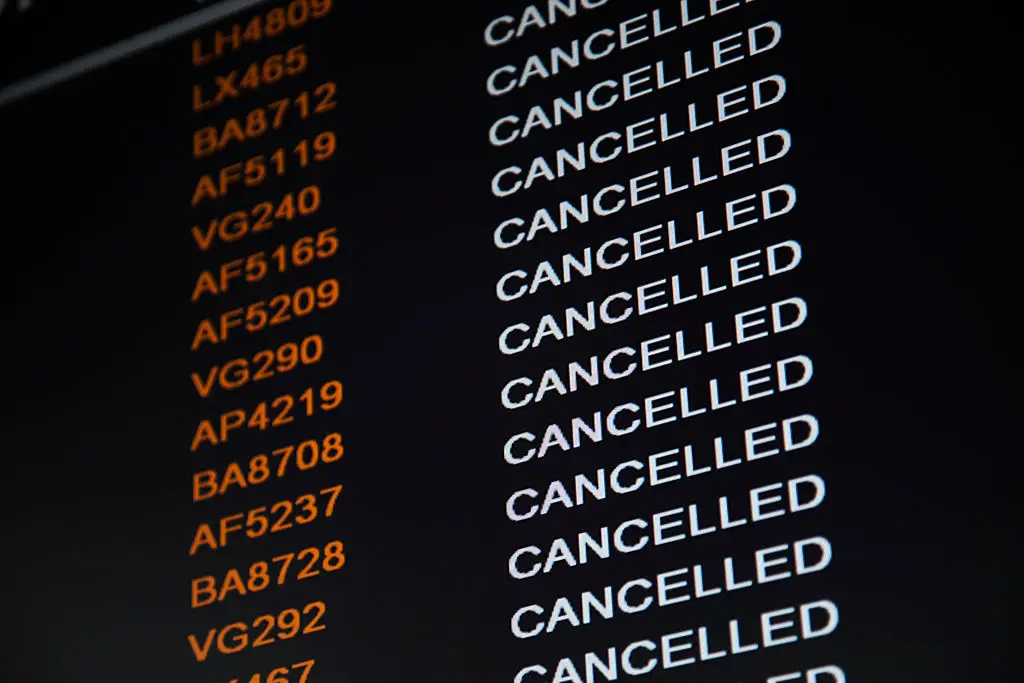
13,000 flights cancelled in May
According to the BBC, airlines around the world have cancelled a total of 13,000 flights that were due to go ahead in the month of May, meaning around two million fewer seats for plane passengers to book.
These 13,000 flights being cancelled this month make up just one percent of global flights, and Advantage Travel Partnership says flights from the UK to 'key summer sun destinations' are unaffected.
That's important for the airlines as these flights are where they have the highest demand and make the best profit, if airlines can keep holiday flights running this summer with as little disruption as possible then they will.
Instead, the primary targets for cancellation will be 'poor performance flights', and airlines will be 'consolidating or cancelling as required'.
This is what aviation expert Ivan Stevenson had suggested to LADbible would happen, as he'd explained airlines were looking for a way to save their fuel for the summer holidays by consolidating passengers onto fewer flights so they could cancel the excess.
He said: "That will reduce the demand for fuel... and you're still able to deliver to the customers that have already booked.”
He added that the first targets for cancellation would be short haul flights and less lucrative services.
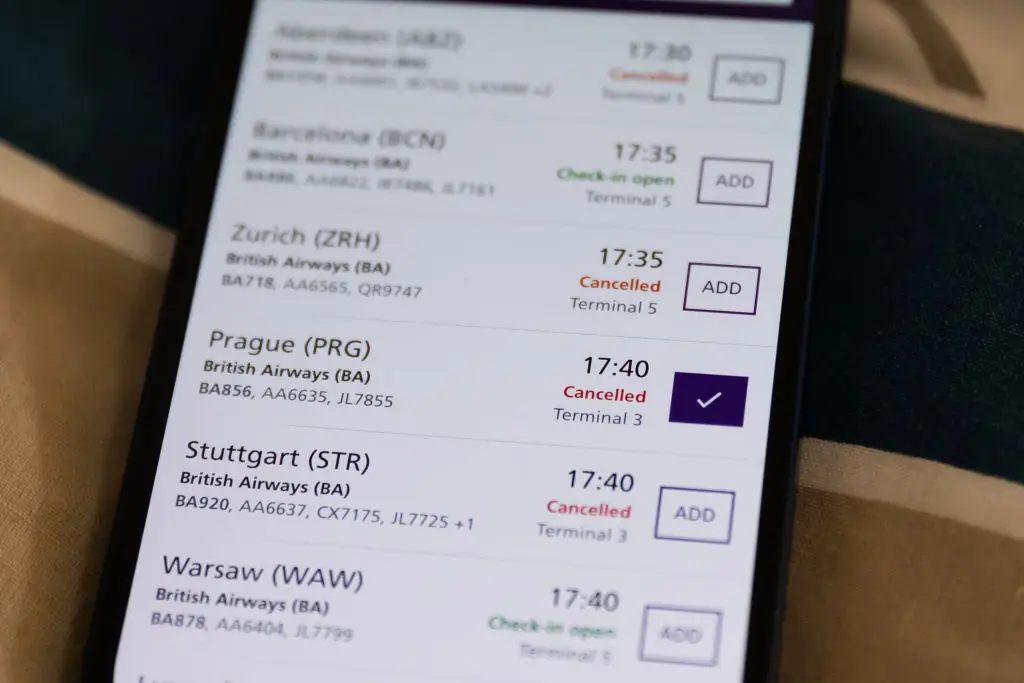
The 14 day rule on flights cancelled
While the government has introduced new rules that give the airlines more leeway to cancel and merge flights, a travel expert reminded Brits there's a 14 day rule in place to protect passengers who've booked their ticket.
Rory Boland, editor of Which? Travel, explained that the rules currently in place mean airlines can move their passengers onto a new flight as long as they give over 14 days notice.
It'll be up to the passenger whether they take the new flight or get a refund, but cancellations occurring within 14 days mean there's compensation to be paid.
As such, it's in the interest of the airlines to let passengers know about flight cancellations well ahead of time, and Boland said these rules were 'rightly' in place and shouldn't be changed.
However, he warned about any potential change to the 14 day rule could leave passengers paying more, saying: "It’s not fair for the rules to now be bent in favour of airlines and potentially leave passengers holding the bill."
He also said that while some customers might be 'happy to travel a few hours or a day later', others would be left thinking 'the trip is no longer worthwhile'.
Boland said that would especially be the case for 'short trips or connecting flights' where time was of the essence.
"Before any changes are made, passengers need cast-iron assurances that their rights will not be weakened and that airlines cannot use reform as cover to shift the cost of disruption on to travellers," he said.
The Department for Transport has said their new rules will allow airlines to 'adjust flights in good time if they need to' and plan their schedules far in advance.
UK airline Ascend Airways collapses
The impact of rising costs of jet fuel on airlines has been demonstrated by the collapse of Ascend Airways, which supplied flights from Gatwick and Stanstead and served TUI.
They announced the cancellation of all of their flights with immediate effect, with company bosses pointing the finger of blame at economic pressures and saying that the rising cost of fuel 'had a massive effect'.
Ascend Airways also blamed the cost of doing business in the UK, saying it was 'a lot more expensive than Europe'.
They'd operated a fleet of one Boeing 737-800 and six Boeing 737 MAX 8 aircraft.
The necessity for jet fuel has been underlined by the collapse of UK airline EcoJet, which had promised to offer the world's first electric flight.
Based in Scotland and saying they were 'flying towards a greener future', the company today (6 May) announced they'd failed to guarantee future funding and so wouldn't be going ahead.
 Joe Harker