Brits warned over summer holiday flight cancellations as government implement new rule change

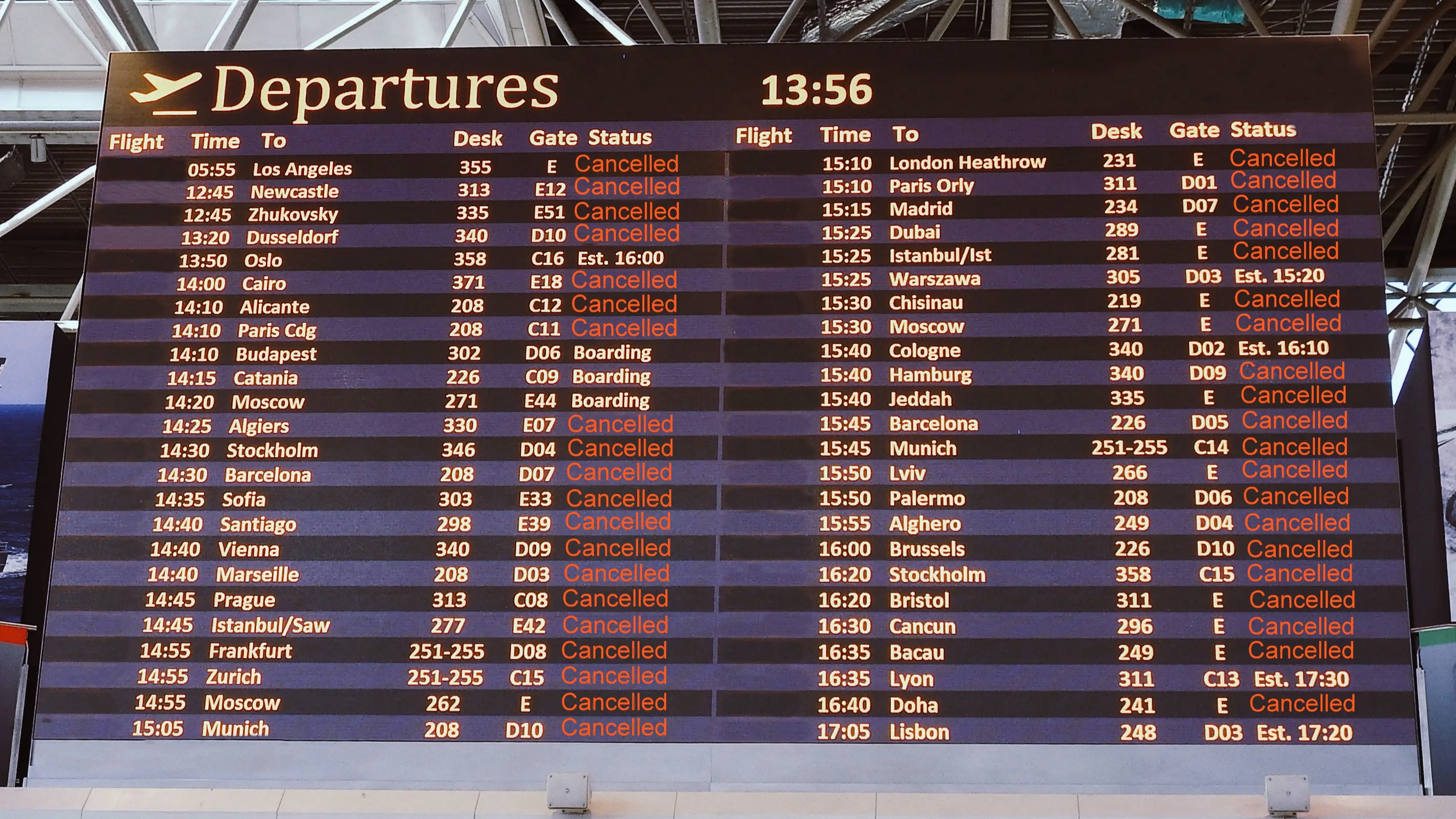
Brits have been warned that the flights their summer holiday plans depend on face cancellation after the government introduced a temporary rule to help make up for potential jet fuel shortages.
You can't exactly fly a plane without fuel, and war in the Middle East, along with the blockade of the Strait of Hormuz, means that around 20 percent of the world's oil supplies have been disrupted.
As such, it's driven up the price of jet fuel, and there have been warnings that it could affect the supply chain for Europe's airports, meaning in the worst-case scenario, there'd be flights cancelled because they have no fuel to fly.
That'd be a disaster for people's summer holiday plans, and to try and avoid a situation where people who've booked their travels are unsure whether they'll have a flight to board or not, the government has introduced a temporary rule.
Advert
They're allowing airlines to consolidate flights and cancel the rest in order to conserve fuel, and they won't lose their slots in the long term for failing to fly enough of them.
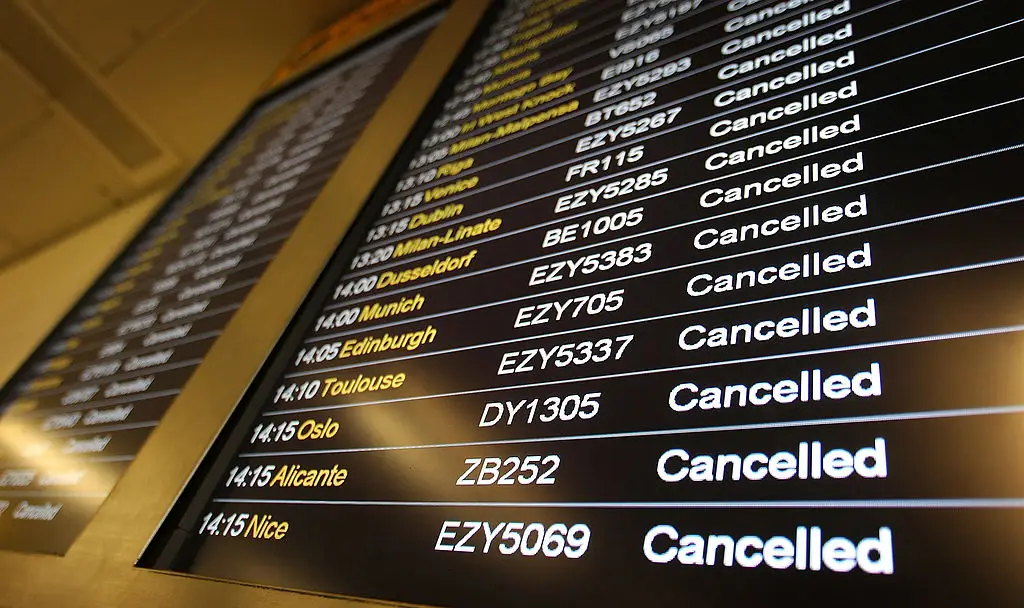
Passengers on those cancelled flights would be offered either a refund or the chance to be rebooked onto an alternative service if one is available, and flights will need to be cancelled at least two weeks in advance so people will have enough advance warning.
Under normal rules, airlines need to operate at least 80 percent of their allocated slots at airports or they risk losing them, but temporary measures mean they could fly under that amount and not have to worry about losing them.
Basically, if airlines are running multiple flights to a destination over the summer they can consolidate them into fewer flights with the passengers that have already booked, meaning some people's bookings might move around a bit.
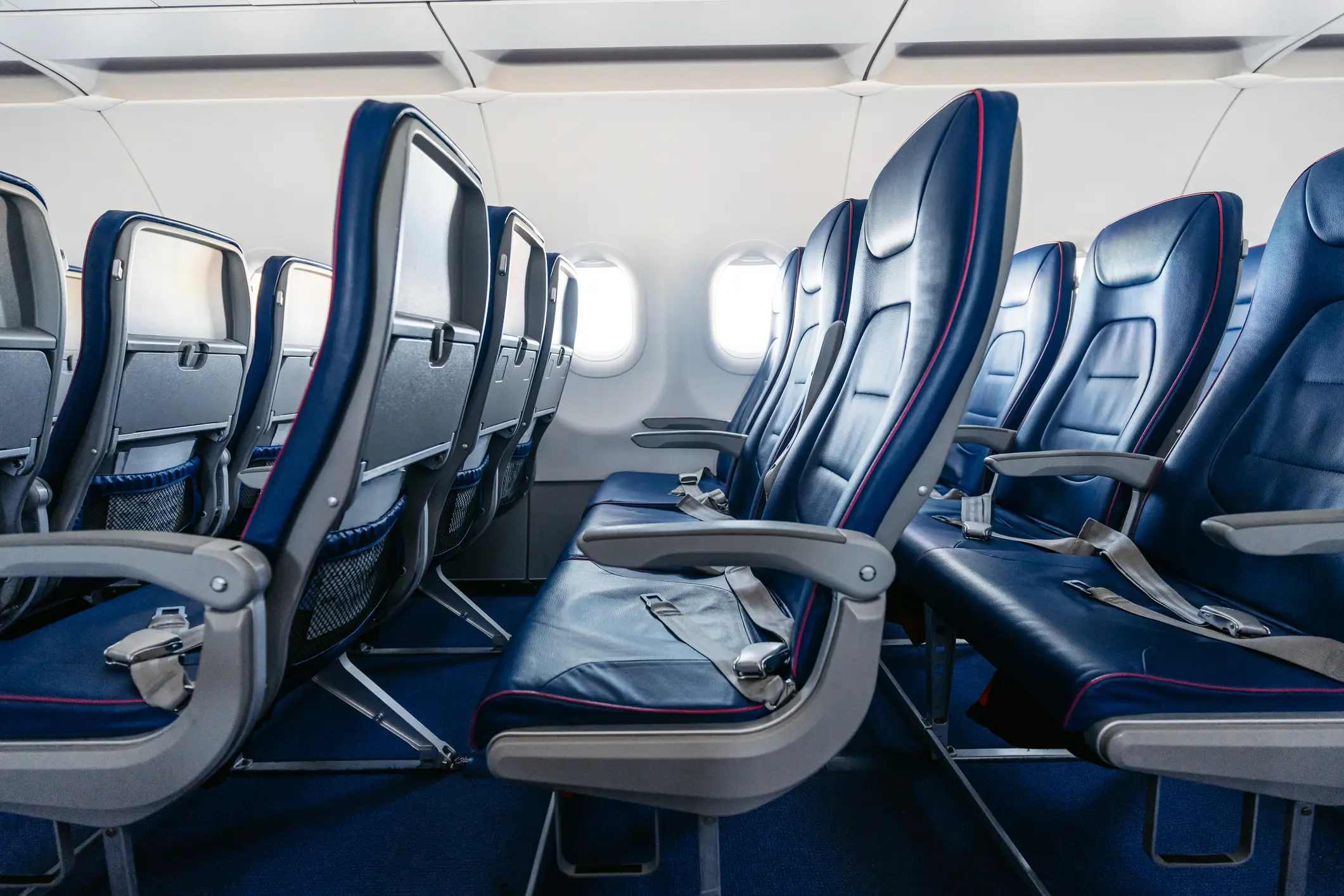
Airlines sometimes fly planes which have a lot of empty seats on them in order to avoid breaking the rule about 80 percent of their journeys going ahead, but to save fuel, those passengers will likely be moved to different timed flights on the day.
If you could operate fewer flights and everyone who'd already booked still had a seat, that saves a lot on fuel.
Tim Alderslade, chief executive of Airlines UK, which represents UK-registered carriers, told PA: “UK airlines continue to operate normally and are not experiencing issues with jet fuel supply.
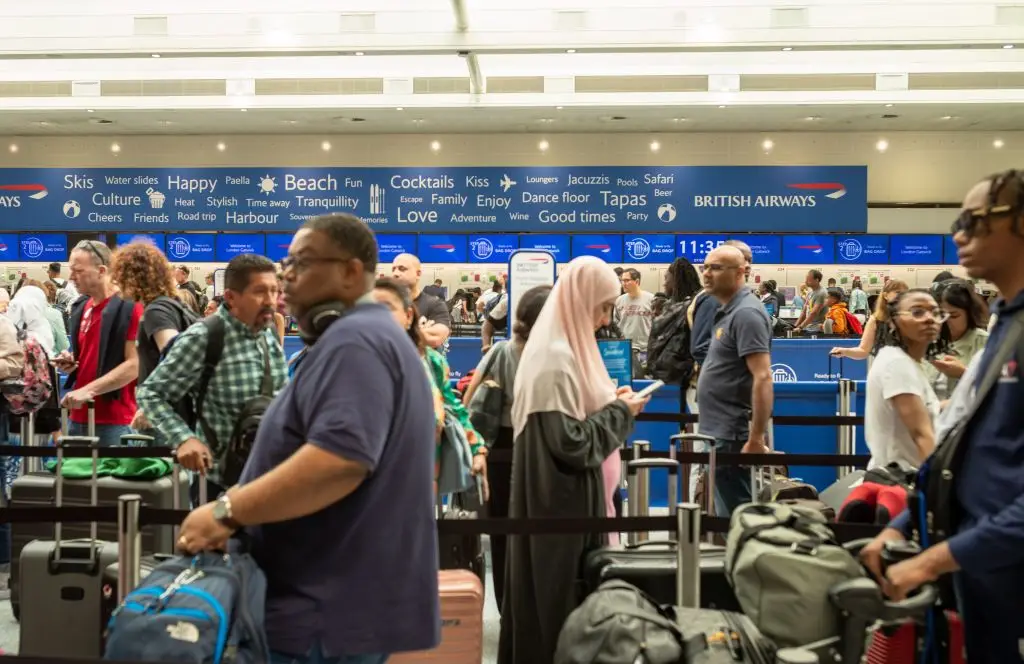
“We are planning to take our customers on their well-earned holidays this summer and will always look after them in line with our obligations," he said.
“We welcome the Government’s contingency planning, including slot alleviation, which is one measure which enables airlines to adjust schedules responsibly, avoid unnecessary flying and continue operating efficiently while protecting connectivity for passengers.”
LADbible previously spoke to Ivan Stevenson, associate professor in aviation management at Coventry University, who explained it was something airlines were looking at.
"It's in an airline's interest to cancel a flight as soon as it becomes aware that that flight may not be viable for one reason or another," he explained.
"The longer that they give a customer an opportunity to kind of rebook the better."
Professor Stevenson said the summer holidays were the money-making period for airlines, and they wouldn't want to cancel a flight if they could help it, making consolidation a preferred option.
He reckoned that any disruption to people's journeys is something they'd hear about 'as soon as possible', since it's in the interest of the airline to give passengers as much notice as they can.
He'd told LADbible: "What I really expect is more likely in many cases is that you will see schedule changes where airlines will start to combine flights.
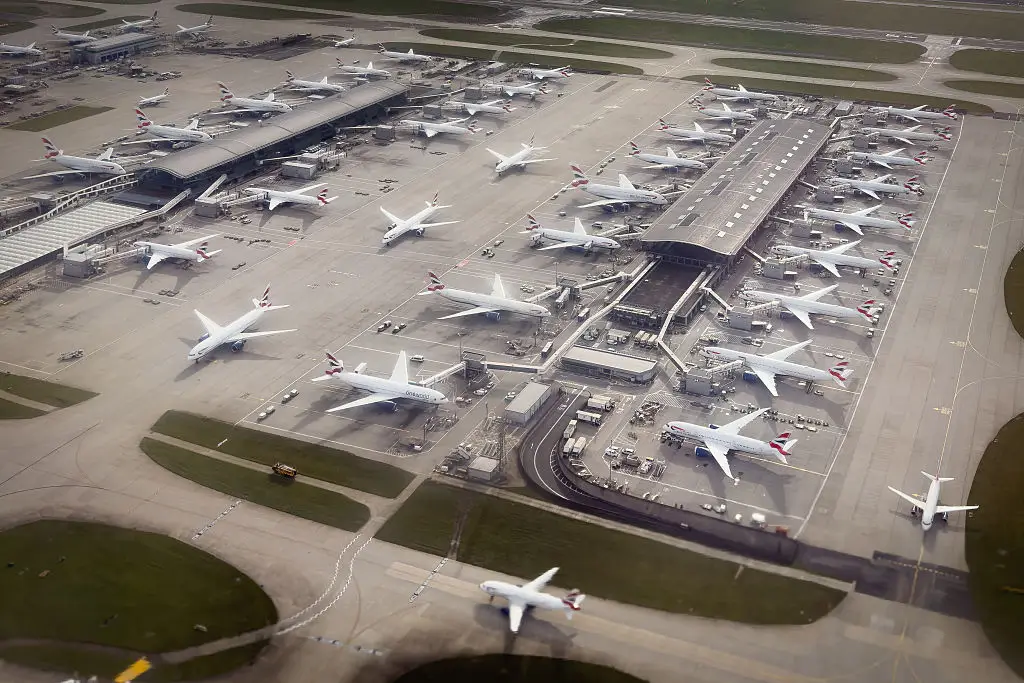
"So, for example, if they're operating four flights a day between, let's say, London Heathrow or Gatwick and a popular place like Palma de Mallorca, you might find they consolidate that down from four to two or six to four.
"What they would probably do at a certain point in the booking cycle is they'll close out the bookings for some of those flights and they'll combine them.
"That will reduce the demand for fuel because you're operating three flights instead of six or four or two instead of four. And you're still able to deliver to the customers that have already booked."
That's not bad news for Brits who've already booked their holidays, but it might be a bit of a problem if any last-minute travellers find their options are severely limited by what's available.
Stevenson had also warned that people on package holidays might have a decision to make since any change in the time of their flight would give them something to think about.
Passengers worried about disruptions to their journeys and possible compensation should also be aware of what they are expected to get.
The professor explained: "According to regulations, if an airline disrupts a passenger or cancels a flight, they're supposed to offer them an alternative.
“That's why I'm saying the likelihood is you'll see a lot of that rebooking and consolidation.
"If you cancel a flight at the last minute and it's because you can't get your hands on fuel, that is generally regarded as being within the control of the airline.
"They should have planned better. That leads to the potential for likelihood for compensation.
"At the moment, most passengers who have flights booked will be protected under those regulations. They will be entitled to compensation if an airline cancels their flight because of lack of fuel."
At the end of the day, it's in the airline's interests to find a way for passengers who've already booked to keep their journeys, even if it means they fly at slightly different times than they were expecting.
It does mean holidaymakers probably can't expect to have lots of empty seats on their flights to spread out across, though.
 Joe Harker