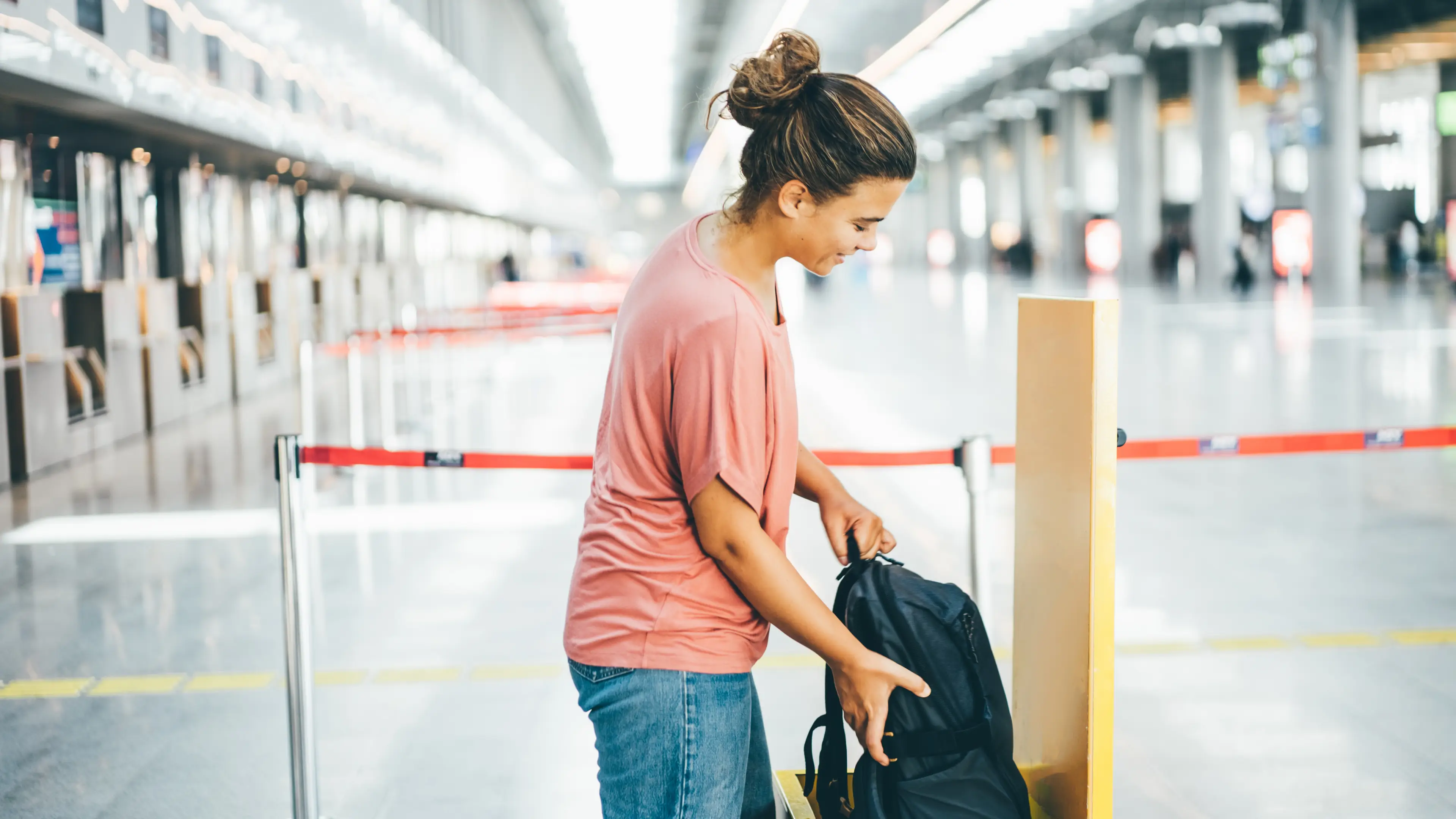
Ryanair and easyJet passengers face baggage rule change that could make flights cost more

A deal has been struck to end cabin bag fees on flights but it might not be the cause for celebration for holiday makers that you would expect.
We've all been there, cramming a rucksack to the brim for a weekend away to avoid adding £80 to the cost of travel for a bag that can go in the overhead locker, haven't we?
Or perhaps you've been unlucky enough to have your bag judged as too big just as you're about to board and been stung by a charge.
Well, new regulations that are set to come into effect in 2027 could end all that careful packing and anxiousness in boarding queues for good.
Advert
After 10 years of negotiations, the European Council and the European Parliament have agreed passengers should be entitled to a small wheeled suitcase or rucksack, as well as the already free personal item measuring 40cm by 30cm by 15cm that is placed under the seat in front, reports euronews.
While it sounds like great news for customers of budget airlines such as Ryanair and easyJet, who will no longer have to pay to take a bigger bag on holiday, it might actually force airlines to 'inflate' prices instead, according to Airlines 4 Europe.
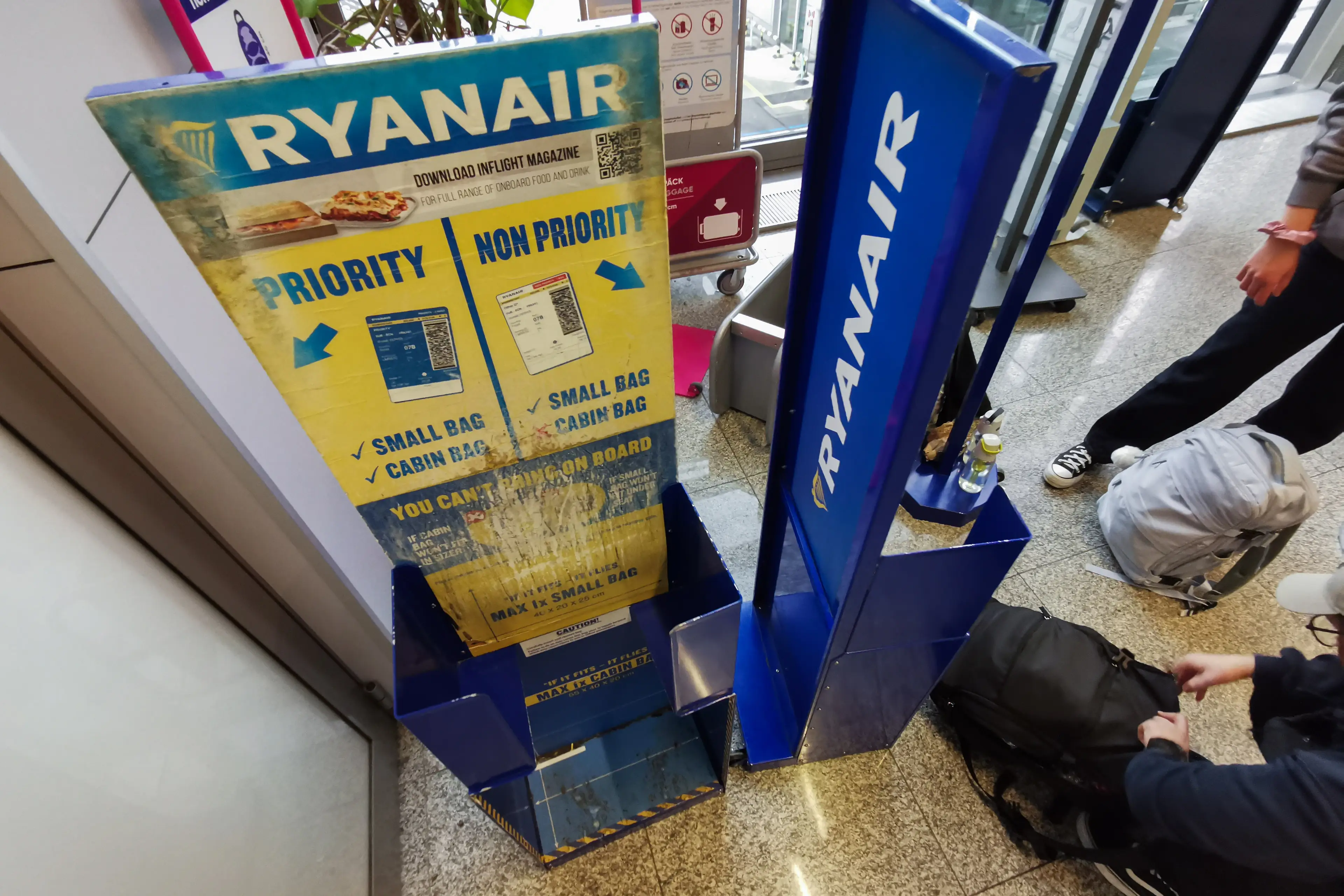 The infamous Ryanair bag size checker (Beata Zawrzel/NurPhoto via Getty Images)
Why new baggage rules could actually cost customers more
The EU's passenger protection regulation was opened for revision in 2013 and an agreement was finally reached on June 12.
While airlines are being allowed to offer cheaper tickets to passengers who voluntarily travel without a bigger bag, the new cabin luggage rules dictate search engines and flight price comparison websites must display fare prices which include the larger bag as the standard price.
However, Dave Keating, a journalist based in Brussels, warns in his Substack, there wouldn't be much motivation for airlines to offer that lower fare at all.
"Before you jump for joy, this may not be as good for consumers as it first appears," he wrote.
"What this new law will immediately mean is that the airfares that you see on flight comparison sites are about to get more expensive, because there will no longer be basic backpack-only fares.
"Budget airlines started offering this cheaper backpack-only option in order to appear as the lowest ticket on flight search engines. If they can no longer display that price (which can only show the lowest default option), then it is not in their interest to offer customers a lower price during the booking process.
"After all, if the customer has clicked on a price of €200 and is willing to pay it, why would the airline then offer them the choice of lowering that to €150? I don’t expect any airline will actually offer this possibility.
"The only motivator would be in order to prevent customers from showing up with more carry-on bags than the plane can hold."
Delay compensation maintained
Another major decision from the agreement that will have a big impact on travellers is that financial compensation for delayed flights will remain fixed.
European flyers have been entitled to compensation if a flight is delayed by more than three hours since 2005.
Travellers get €250 for short-haul flights that are delayed by that time, €400 for journeys between 1,500 and 3,500 kilometres, and then €600 for long-haul flights.
Airlines have pushed for the three hour time threshold to be raised for years, but instead it will remain at three hours.
How airlines have responded to the announcement
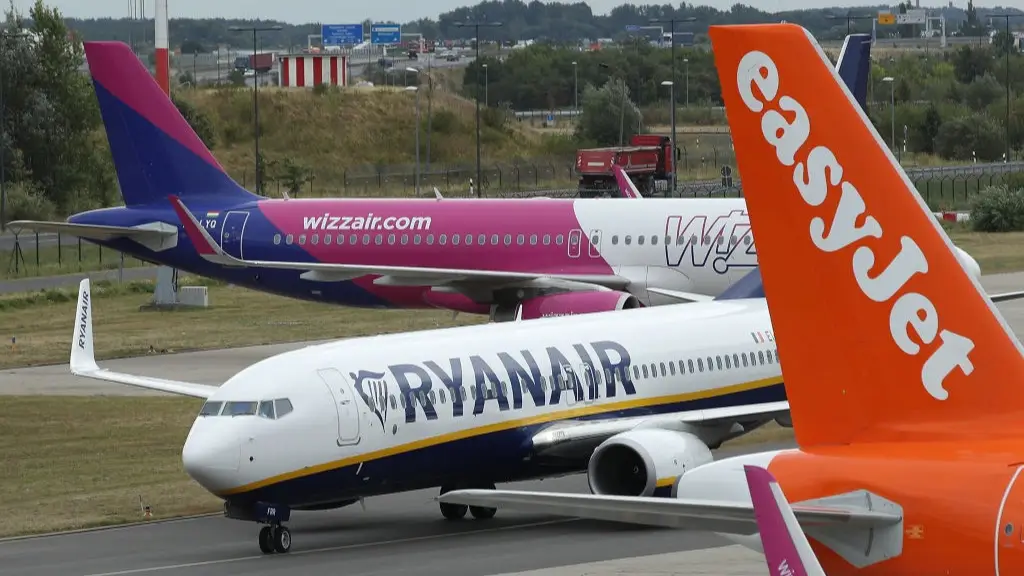
When asked for comment by LADbible, RyanAir pointed towards the statement given by Airlines 4 Europe (A4E), a coalition of 16 European airlines, which said: "Thirteen years in the making, today’s deal is a missed opportunity for a balanced reform that would have delivered what passengers care about most: getting to their destination on time and having the freedom to opt for the services that matter to them.
"Maintaining the current delay and compensation rules will not reduce or prevent delays and cancellations, most of which are outside airline control. Obliging airlines to artificially inflate prices by including the cost of hand baggage in the displayed airfare contradicts established EU law protecting opt-ins instead of opt-outs.
A4E's Managing Director, Ourania Georgoutsakou, said: “The commitment the Council and European Parliament have shown on passenger rights must now be turned towards managing the transition to net zero and ending Europe’s airspace inefficiencies.
"Use aviation EU ETS funds to purchase SAF and finance clean technologies, spend air traffic charges to recruit more controllers, and address carbon and business leakage that leaves European airlines and destinations less competitive than their global rivals.”
easyJet has been approached for comment.
 Daniel Murphy