American Airlines pilot explains safest seat on a plane while debunking ‘safer at the back’ myth

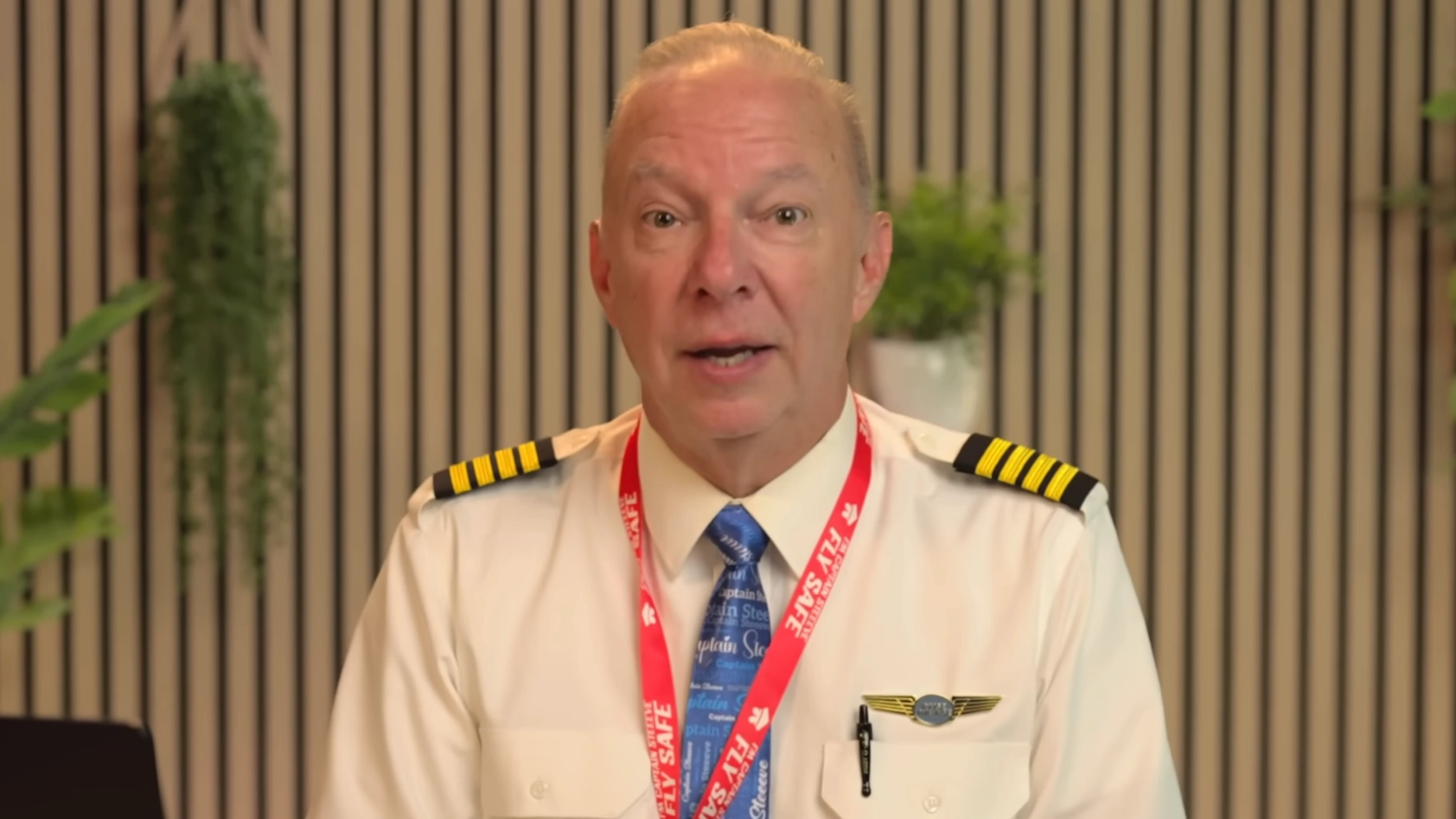
Retired American Airlines pilot, Steve Scheibner, has debunked the popular belief that sitting in the back of a plane gives you the best chance of surviving in the event of a crash.
During an episode of Ask The Captain, the former aviator, known online as Captain Steeeve, responded to a viewer who asked whether ‘the safest place to be in case of an aircraft accident is at the far back of the aircraft as possible’.
“I think it's more of a myth than anything else,” Scheibner, who worked for American Airlines for 38 years, admitted.
“If you're on Air India, the best seat to be in is 11A. The one survivor from Air India 171 was in seat 11A.
Advert
“There have been some accidents where the front of the airplane takes the brunt of the collision and it would make sense that the back of the airplane would be not as exposed to that I suppose as possible.”
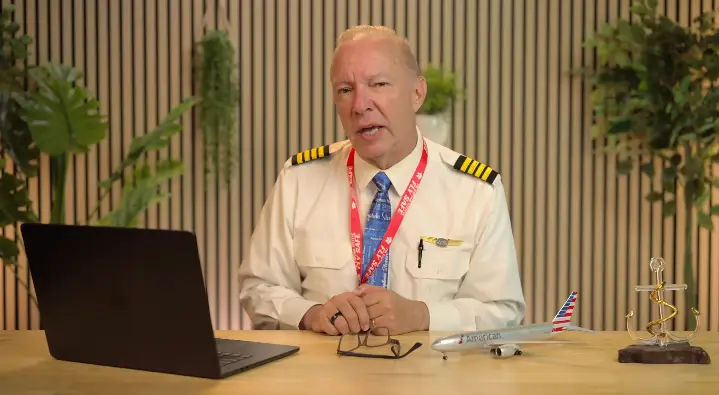
He continued: “I don't know if they crashed an airplane or not. It’d be interesting to see if I had a choice to pick back or front, and I knew the airplane was going to crash, I'd go to the back. Sure, why not?”
Well captain, in 2012, a Boeing 727-200 jet was intentionally crashed to determine the safest seat in a plane crash.
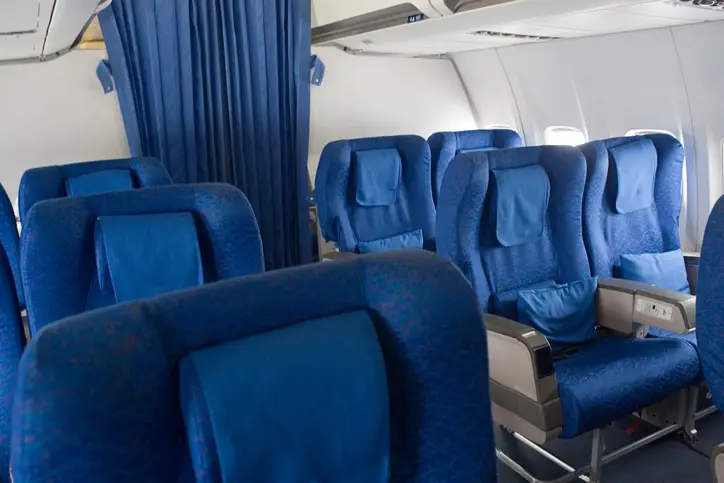
The experiment found that dummies seated in the first seven rows had no chance of survival, while those seated further back, particularly in the middle and rear of the cabin, had a higher chance of survival.
MIT aeronautics and astronautics professor, R. John Hansman, said that seats at the end of the aircraft are sometimes the safest.
In the event of an accident, ‘the front of the airplane acts as a shock absorber’, he told Travel and Leisure.
Cary Grant, an assistant professor at Embry-Riddle Aeronautical University's College of Aviation, said that there are so many different factors that determine the safest seat on a plane, as impact location, speed and angles can all play a part.
The former safety team leader for the Federal Aviation Administration (FAA) said that ‘if there was a seat that was safer, being close to an emergency exit increases the chance of getting out quicker’.
Trisha Ferguson, CEO of The Interaction Group, also noted that ‘each aircraft—and each door on an aircraft—can operate differently, so it is crucial to review the safety demonstration and card of each flight that you board’.
Topics: Travel
 Anish Vij