Your rights if holiday is cancelled due to wildfires as almost 300,000 evacuated from Spain and France

A travel insurance expert has explained how you could get a refund if your holiday is disrupted by the wildfires raging in France and Spain.
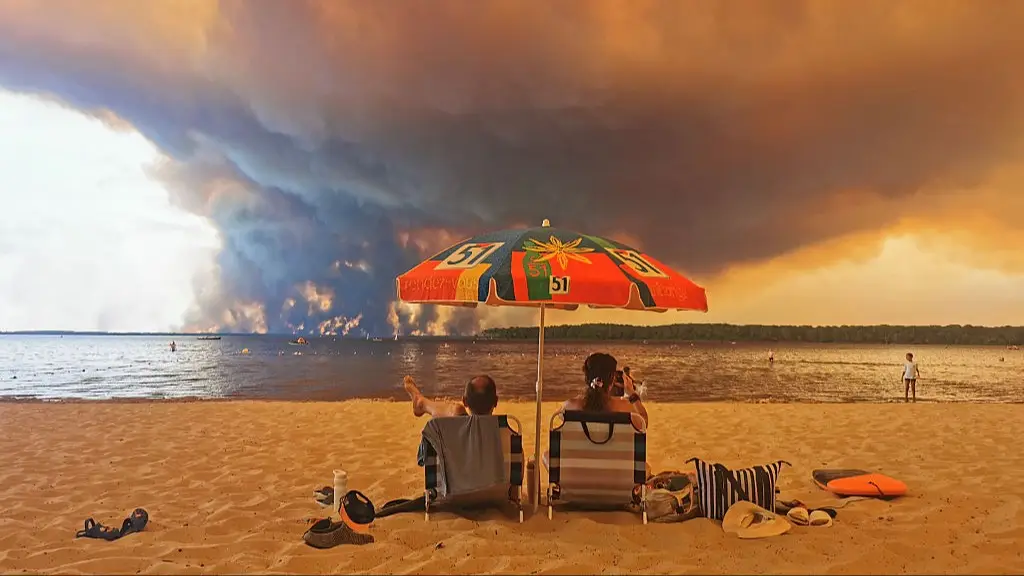
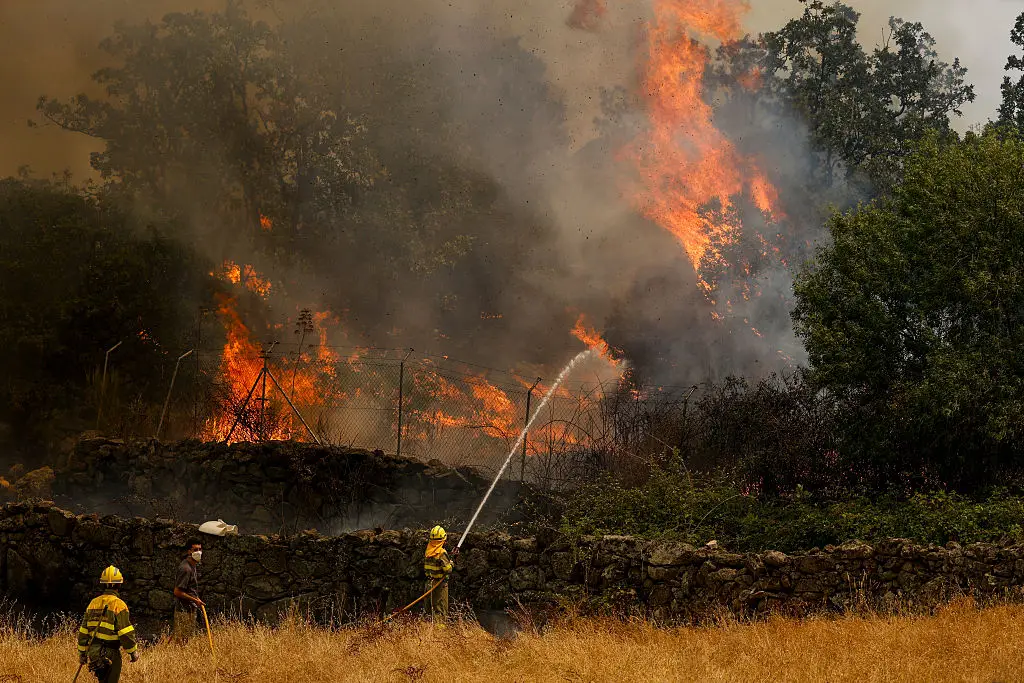
Around 280,000 people have been evacuated from affected areas in the Girone and Landes regions, near Bordeaux, in France, and parts of Madrid and Avila in Spain, reports the BBC.
Firefighters are struggling to deal with the unprecedented blazes and British tourists are among those who have been forced to evacuate, with some near Bordeaux being awoken at 3:30am to leave for safety.
With the summer holidays now upon us, thousands of Brits would have been planning on heading to the popular tourist destinations but may now have to reconsider their plans.
Advert
Rhys Jones, a travel insurance expert at Go.Compare, has, however, warned those with holidays booked in the areas to not cancel them on their own volition as they could miss out on a potential refund.
“Wildfires can move quickly and cause serious disruption, so if you’re due to travel to an affected destination, the first thing to do is check the latest Foreign, Commonwealth and Development Office (FCDO) advice for that country and your specific resort or region," he told The Sun.
“If you haven’t travelled yet and you’re concerned your holiday may be affected, don’t cancel the trip yourself without speaking to your travel provider or insurer first.
“If you cancel simply because you no longer want to go, rather than because official advice has changed or the holiday provider has cancelled, you could lose the money you’ve paid and may not be able to claim it back.”
If a package holiday is cancelled by the company you've booked it with due to the wildfires, then you should be given a refund or alternative arrangements.
Though, things get trickier if you've booked flights and accommodation separately, as you'll have to contact each company individually to see if a refund is possible.
Check your travel insurance policy
Some, but not all, travel insurance policies do include cover for natural disasters under 'catastrophe cover', but it's not always offered as standard and wildfires will be defined differently by each insurer.
As a result, Jones advises all holidaymakers to thoroughly inspect their travel insurance policy and see what protection they have in the event of the FCDO advising against travel.
“If they advise against travel, your holiday provider or travel insurer may be able to support you, depending on how you booked and what your policy includes," he said.
“Look at whether your policy covers cancellation, travel disruption, alternative accommodation, emergency medical treatment and repatriation, and contact the insurer directly if anything is unclear.
"Don’t wait until you are in the middle of an emergency to understand your cover.
“Check your policy wording before you go, know your insurer’s emergency contact details, and make sure your documents are easy to access online and offline.”
Jones also advises that if you've booked a holiday with a credit card you should check whether Section 75 protection applies as it "holds your credit card providers as jointly responsible if there is a breach of contract such as cancelling a holiday, giving consumers additional protection on eligible purchases if a supplier fails to provide what was promised.”
What to do if you're on holiday and impacted by wildfires
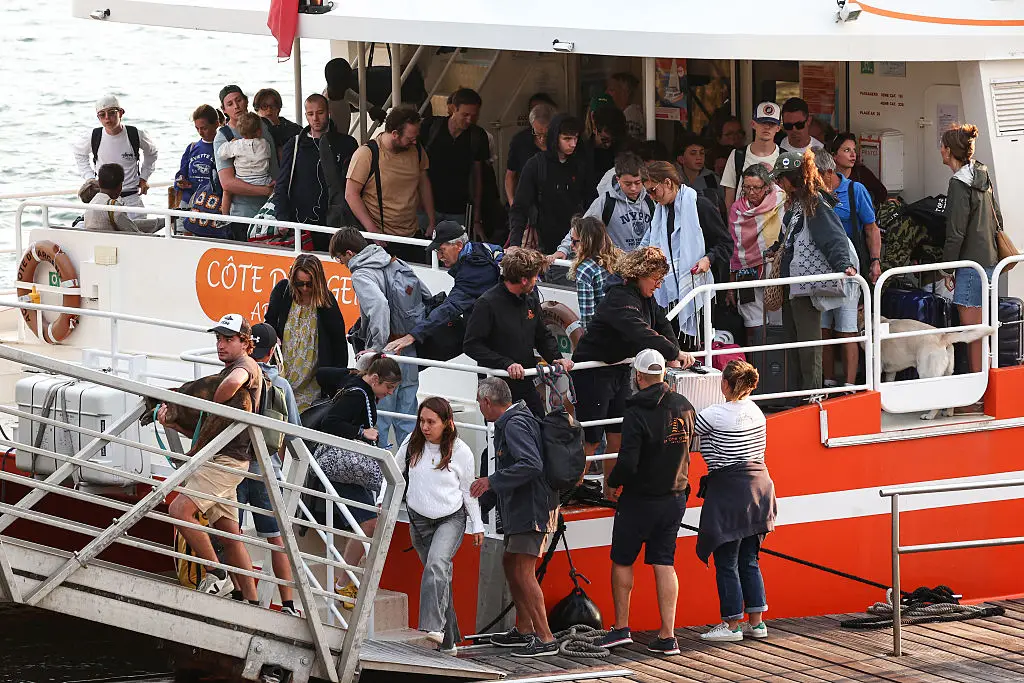
If you're already abroad and have been impacted by the wildfires, Jones first insists you get yourself and your travelling party to safety before considering anything else.
You should evacuate immediately if instructed to do so, even if that means leaving personal longings behind. Though it's advised to take essential items like passports, phones, medication and money with you if possible.
Once safe, then you can get in contact with your insurer and see what support is available.
“Once you are away from danger, contact your travel insurer’s emergency assistance line, which should be listed in your policy documents," Jones said.
“They can advise on what support may be available and what evidence you will need.”
Whatever your situation, Jones' final piece of advice is to keep a good record of any receipts of extra costs incurred, official warnings, cancellation notices, communications with companies and travel advice to make any subsequent claim go smoothly.
“If you do need to make a claim," he added. "Having a clear paper trail can make the process much easier."
Topics: Travel, Europe, World News
 Daniel Murphy