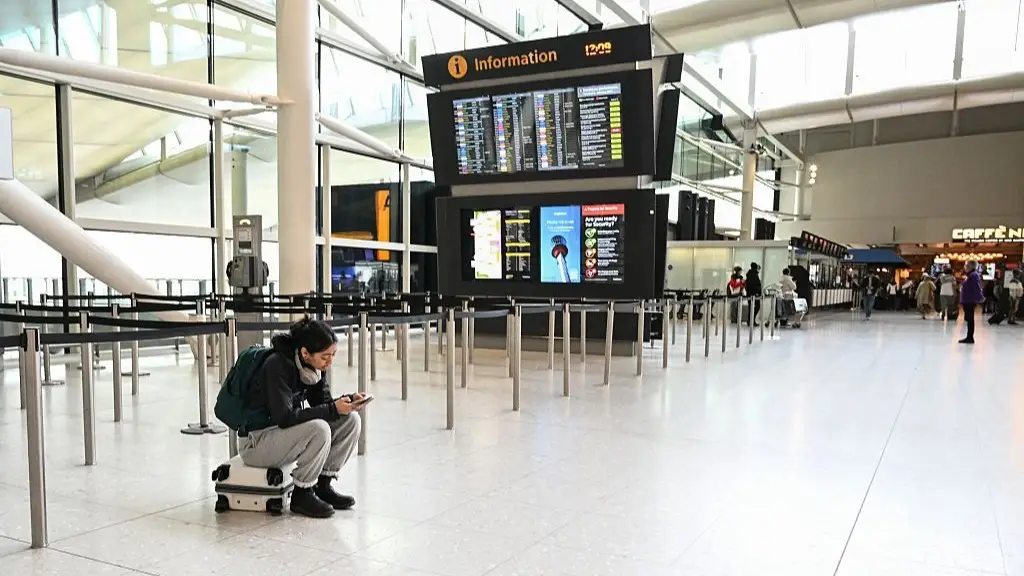
UK airlines approaching 23-day jet fuel deadline which will trigger more cancellations and airport closures

Brits hoping for their summer holidays to go off without a hitch this year might be worried about the warning that a 23-day alert over jet fuel shortages could be set to go off in June.
If there's one thing airlines don't want to do this summer it's cancel the lucrative summer holiday flights that make them lots of money, but stress on the supply of jet fuel means they're having to adapt.
That does mean flight cancellations in some places, as all over the world around 13,000 flights and two million spaces for passengers have been cancelled for the month of May.
That's about 1.5 percent of all flights going this month, and Aviation analytics company Cirium said around 120 of the 22,613 UK departures (about 0.53 percent) expected to fly have been axed.
Advert
36 outbound flights scheduled for June have also been cancelled at this point, taking almost 8,000 seats passengers might have booked with them.
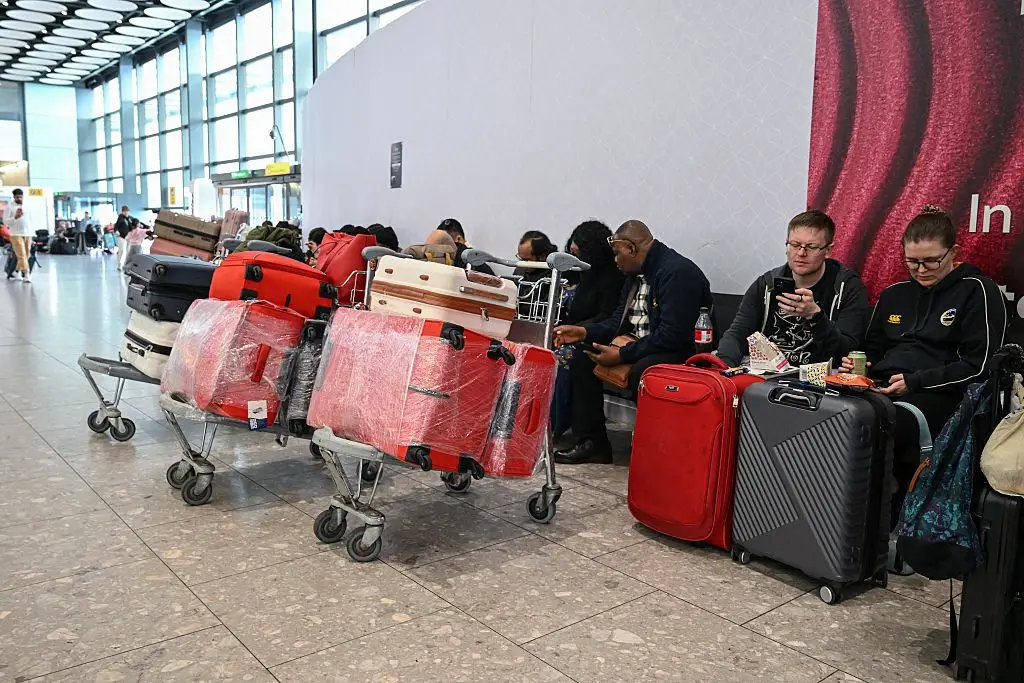
It's only a few flights in the grand scheme of things but airlines are trying to cancel flights ahead of time to save fuel on routes not many people fly or that don't make much economic sense to keep operating at the moment.
Despite the measures taken the closing of the Strait of Hormuz and the disruption to 20 percent of global fuel supply is having an impact on the aviation industry.
Fuel prices have more than doubled since the beginning of the US and Israel's war against Iran, and while many popular airlines have said they've hedged their fuel supplies and paid for it well in advance they still need the fuel they've paid for to be supplied.
As such, Fortune is reporting that analysts from Goldman Sachs have been warning that the jet fuel supply in Europe risks hitting a 23-day warning point which would mean very bad things.
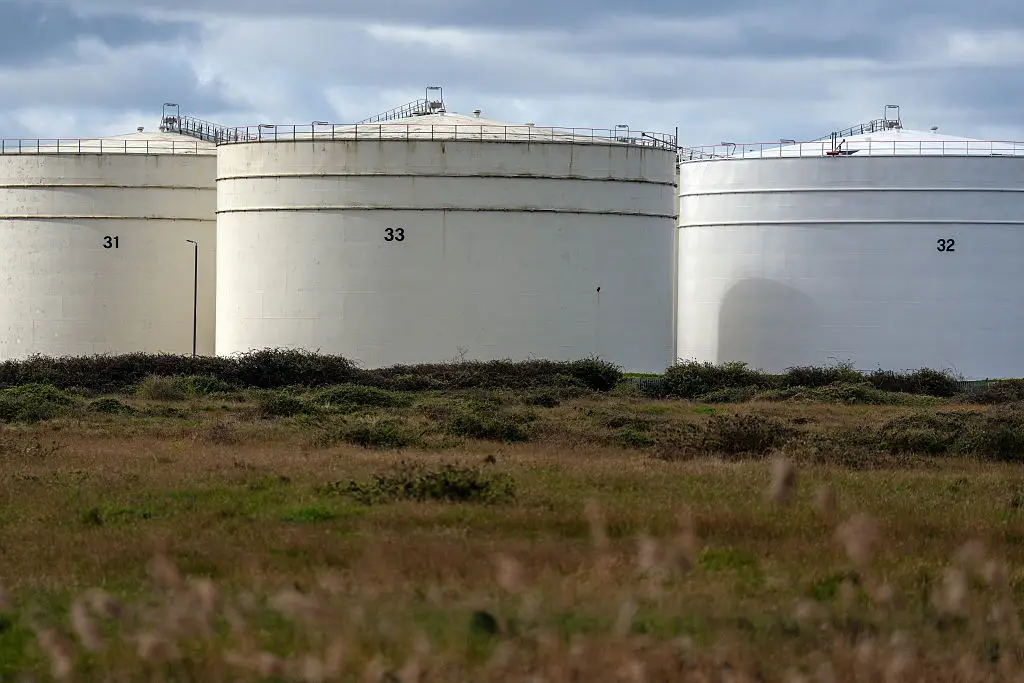
The 23-day warning
This warning is over how many days of jet fuel reserves there are for commercial aviation companies.
The analysts are warning that Europe could slip down to 23 days of fuel reserves at some point in June, which is the International Energy Agency’s (IEA) critical storage threshold.
The reserve fuel level could drop to 20 days by July and dip as low as 15 in August, running the risk of flight cancellations and travel disruption.
According to the IEA, 23 days is the critical threshold because dropping below it means some airports may start to run out of fuel.
What it doesn't mean is that at some point next month the alarm klaxon will sound and it'll be less than a month before the continent runs out of fuel.
Supplies are still coming in and the reserves will be replaced as many countries are looking at securing jet fuel from sources that don't need the Strait of Hormuz to be open, but if the resupply rate is than usage then stockpiles will inevitably dwindle.
For context, the BBC reports that before the 2026 Iran War started on 28 February, Europe had 37 days of fuel reserve supplies but that had dropped to around 30 days by the beginning of May.
Airlines are already cancelling flights to adapt to uncertain jet fuel supplies, dropping down to 23 days puts Europe in the red zone which could lead to airlines taking stricter action to reduce jet fuel usage.
That likely means the cancellation of more flights.
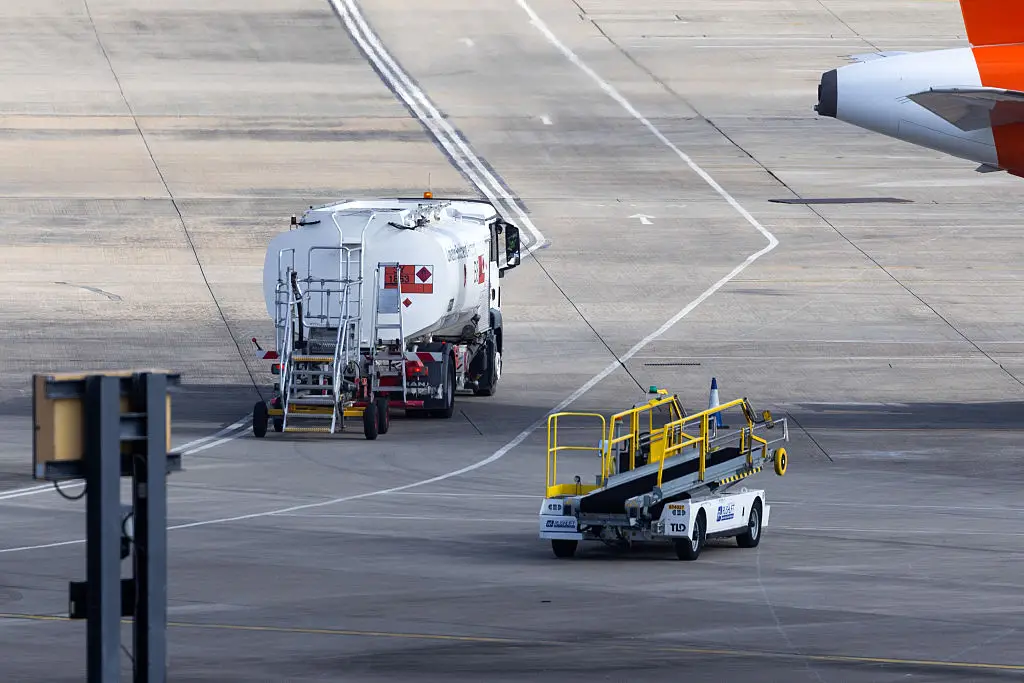
Airlines are consolidating and cancelling flights
Many airlines are already putting plans in place to reduce their fuel usage and that means some flights are being cancelled well in advance.
They've been given the green light by the government to consolidate flights so the same amount of passengers can fly on fewer planes, which means less chance of an empty seat and could mean you can't get last minute deals since all the seats have gone.
It means some Brits might be told they've been moved to a flight at a different time as they plane they would have got is no longer flying and its passengers have been redistributed across empty seats on journeys that are still going ahead.
Brits are protected by a 14-day rule that means if airlines want to avoid paying compensation then they have to give at least two weeks notice to passengers who are getting moved to a different flight.
The decision will rest with the passenger whether to fly at a different time or to accept a refund, and Which? Travel editor Rory Boland has said it's imperative this rule isn't relaxed.
'Majority of people' will be able to fly as usual
Transport Secretary Heidi Alexander has said jet fuel shortages won't affect most people's summer holiday plans.
Speaking at the weekend, she said: "The last thing I want is for people to turn up at a departure gate and have last minute cancellations.
"I am confident, sat here today on the basis of the information that I have available to me, that the majority of people who are traveling this summer will have a similar experience to that which they had last year."
She added that there was 'no current disruption to jet fuel supplies' and the UK, which imports around 65 percent of its jet fuel, had been buying more from the US as well as asking 'the refineries in the UK to maximise their production'.
 Joe Harker