Brit holidaymakers issued warning as flights leave half empty from Spain due to new airport rules

UK travellers heading to Europe are being urged not to dawdle before heading to the airport amid the rollout of some new rules.
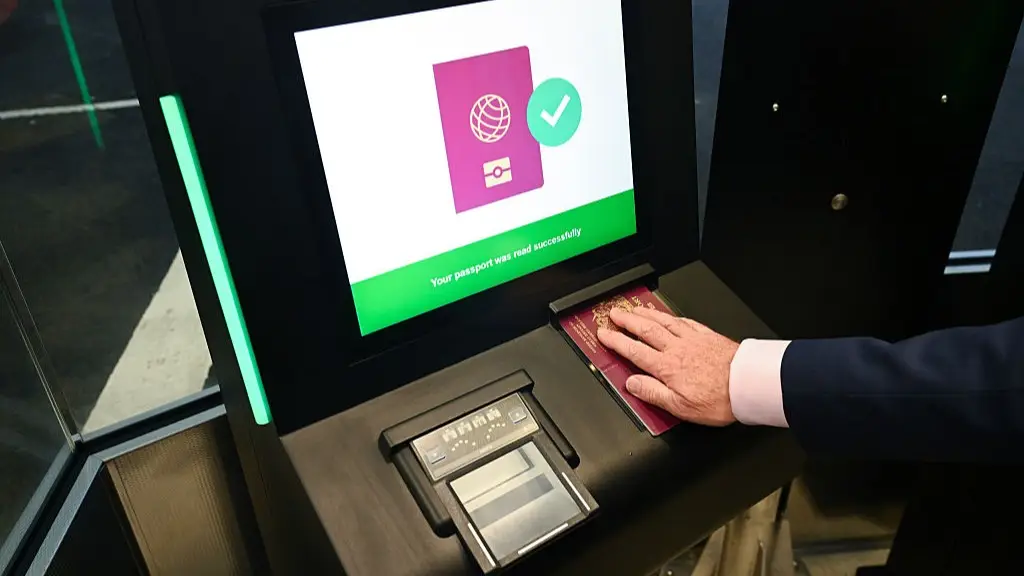
Things haven't exactly been going smoothly since the EU's digital border control system became fully operational on Friday (10 April).
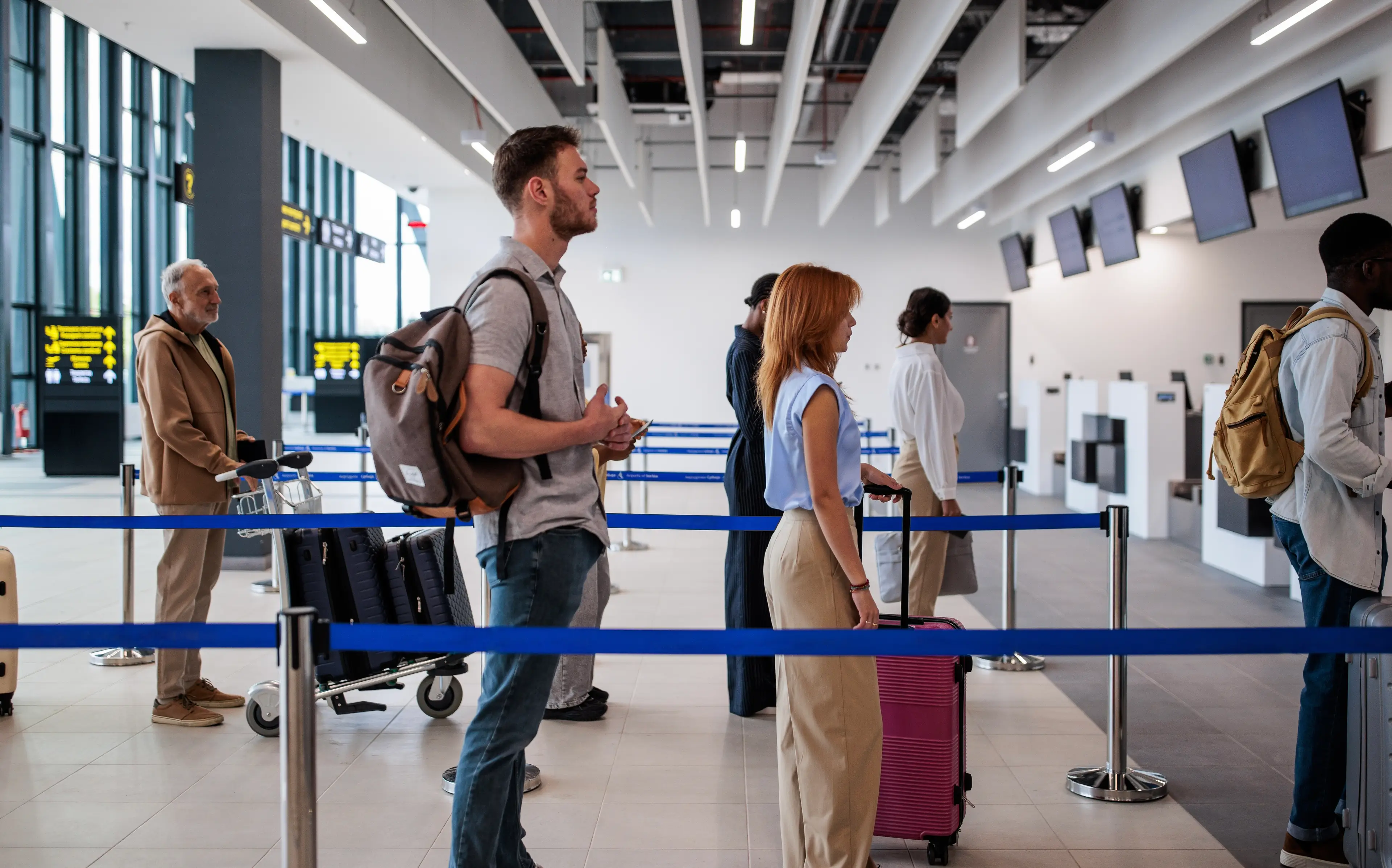
Passengers have been forced to wait in queues for up to three hours, causing hundreds of holidaymakers to miss their flights.
According to the Airports Council International Europe (ACI-Europe), several planes have departed with barely any people onboard as travellers have been getting trapped in Entry/Exit System (EES) queues.
Advert
This new system was supposed to speed up the process at passport control and strengthen security, however, it seems to be having a few teething problems.
If you are travelling to a country in the Schengen Area, instead of having your travel documents manually stamped by an immigration officer, certain folks now have to register their biometric details.
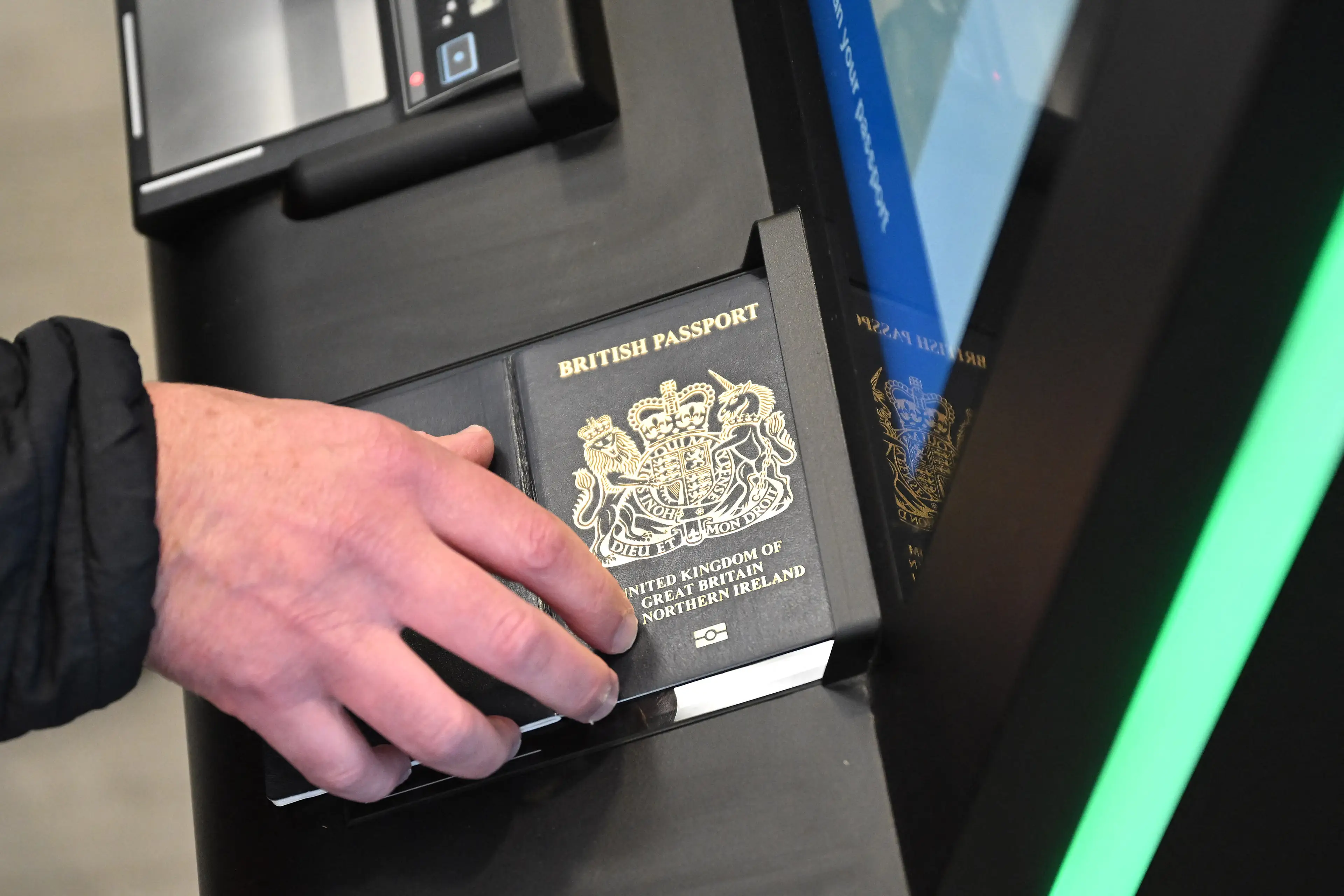
People travelling with a UK passport will be asked 'to create a digital record at the port or airport on arrival', the government explains.
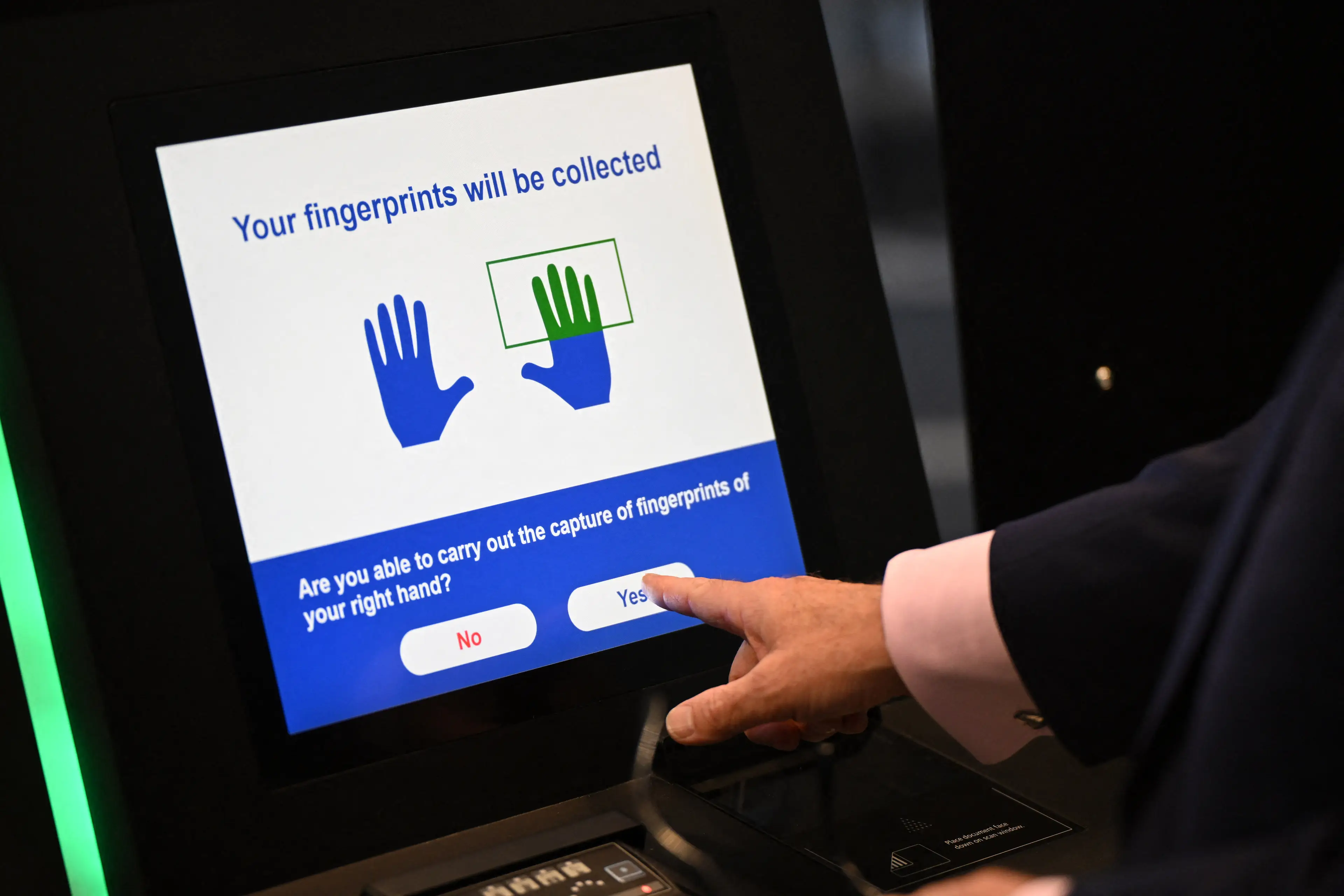
Passengers have to submit their fingerprints as well as heading into dedicated booths to have their photo taken when heading into the Schengen Area, and possibly on the way out too.
These new rules apply to third-country nations, AKA any person who isn't a European citizen - including Brits, considering we left the EU in 2020.
Although we were warned that these checks might take 'slightly longer' than the previous process, the reality of the situation appears to be a lot worse than what people anticipated.
ACI-Europe announced that 'a number of airports and airlines across the Schengen Area' have been sharing their complaints about the chaos the introduction of the EES has caused.
This includes 'waiting times of two to three hours at airport border control during peak travel periods' - and these delays are still 'occurring despite border authorities making extensive use of partial suspension measures, which allow biometrics data not to be captured'.
As well as this, the industry trade association - which represents over 600 airports in 55 countries - pointed out that this is having a huge knock-on effect on flight operations.
ACI-Europe said that passengers are 'missing flights due to prolonged border processing times', as they've ended up missing their window to board the plane due to being stuck in long lines.
"For instance, a flight to the UK [on 10 April] was missing 51 passengers at departure," it explained.
"Another flight had zero passengers on board at gate closing time, and 90 minutes later, 12 passengers were yet to reach the gate."
On Sunday (12 April), 122 travellers were left 'stranded' in Milan after an easyJet flight to Manchester departed with only 34 passengers.
And to rub even more salt in the wound, a host of holidaymakers were reportedly left vomiting and passing out in the queues while they waited for their turn to go through the EES.
ACI-Europe's Director General, Olivier Jankovec, said: "While we will continue to closely monitor developments in the coming days, it is already evident that greater flexibility is immediately needed.
"Border control authorities must be allowed to fully suspend the EES when waiting times become excessive.
"This is essential not only in the coming weeks, but throughout the peak summer travel season," Jankovec continued. "Our support for the EES and its objectives is unwavering.
"However, strengthening border management must not come at the expense of operational efficiency or the passenger experience. Safeguarding Europe's reputation as an accessible and well-functioning tourist and business destination is at stake, particularly as air travel is already facing significant disruption due to the ongoing situation in the Middle East."
Airlines have started advising passengers to get to the airport at least three hours before their flight departs, while also suggesting people should check in via their mobile phones to speed things up.
Jankovec has also urged the EU to give member states the 'power to suspend the system temporarily when queues become excessive' to minimise disruption to flight operations.
Full list of the 29 countries that use the new EES system
The EES system is used by all EU countries in the Schengen zone of free movement, and this includes some popular holiday destinations for Brits. The affected countries are as follows:
- Austria
- Belgium
- Bulgaria
- Croatia
- Czechia
- Denmark
- Estonia
- Finland
- France
- Germany
- Greece
- Hungary
- Iceland
- Italy
- Latvia
- Liechtenstein
- Lithuania
- Luxembourg
- Malta
- Netherlands
- Norway
- Poland
- Portugal
- Romania
- Slovakia
- Slovenia
- Spain
- Sweden
- Switzerland
 Olivia Burke