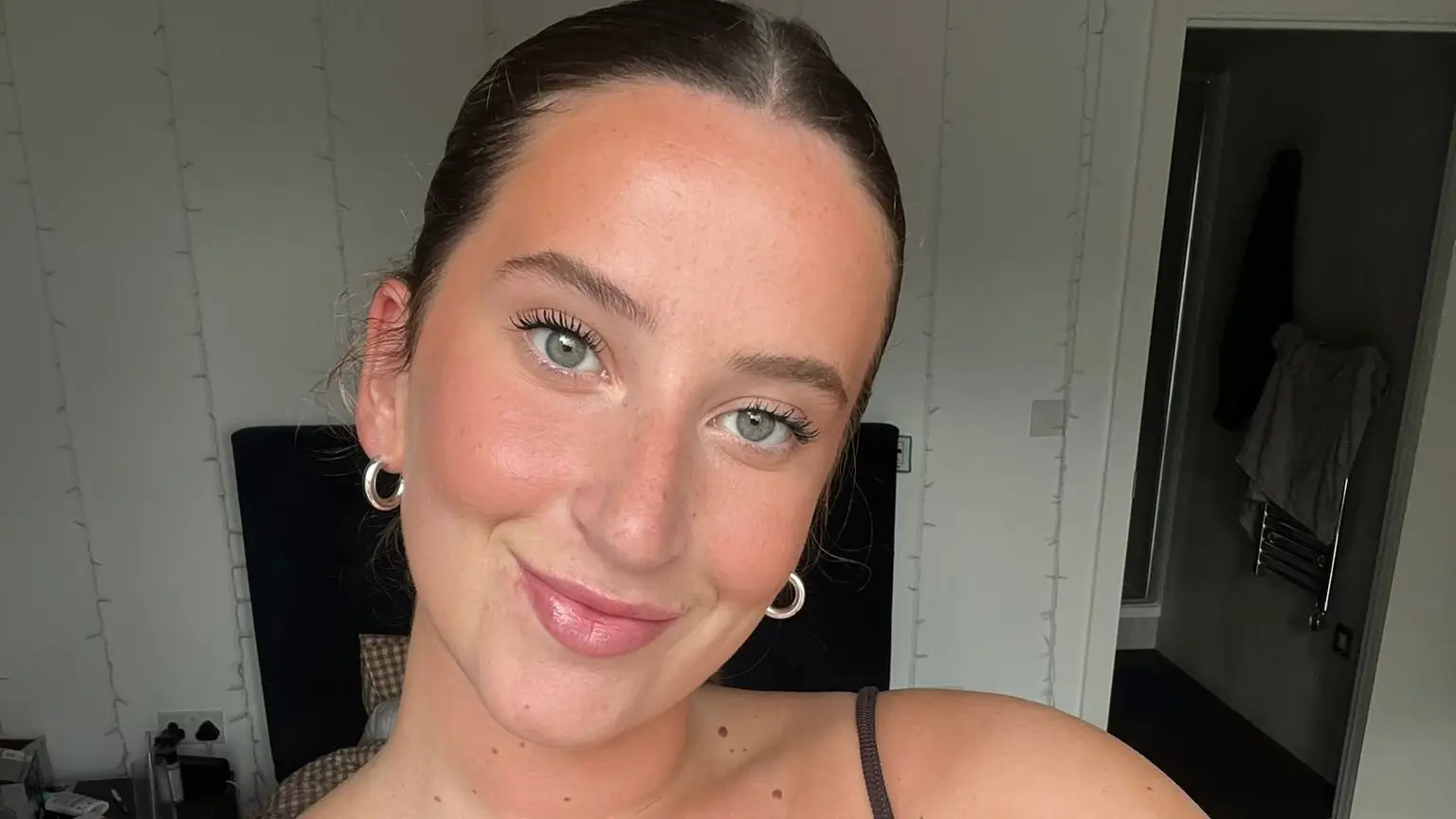
Woman who spent years believing she was a paedophile due to health condition issues positive update

A woman with a rare form of OCD which made her believe for years that she was a paedophile has spoken out on how her life has changed since going public with her condition.
Molly Lambert, 22, has spoken previously about how she believed she was a paedophile for years and how she struggled throughout her teenage years with intrusive sexual and violent thoughts.
Among these were unwanted sexual thoughts about children, becoming so pervasive that she quit her job at a swimming pool café after believing she was a danger to kids, switching to retail.
In the end, however, she discovered that she had a rare form of OCD known as P-OCD, short for Paedophile-themed Obsessive-Compulsive Disorder.
Advert
Explaining the rare health condition, Molly said: "It’s not being a paedophile - it’s that these thoughts exist and your brain latches onto them.
“OCD is all about uncertainty. It tells you, ‘What if?’ and you can’t prove it wrong."
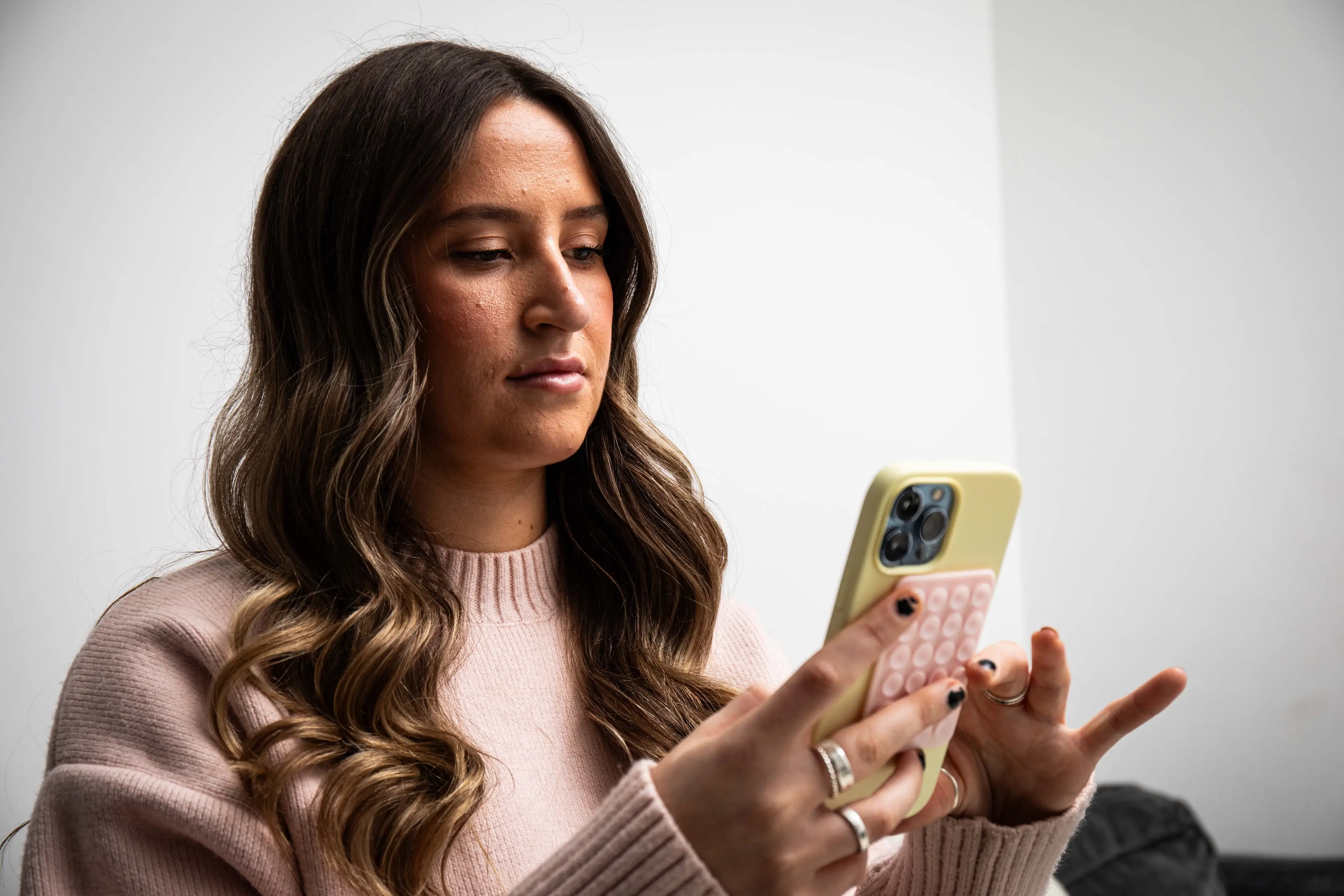
She was diagnosed in August of 2025 after seeing a TikTok about P-OCD, which made her realise that was what she had been battling.
'You think you’re a monster, that you don’t deserve to exist'
Molly came forward about her condition earlier this year and has spoken about the ‘thousands’ of messages she received from people who’d been silently battling the same condition she had.
She said: "The response has been overwhelming. People say they’ve been crying, that they’ve felt like this for years and never told anyone.
"Parents have reached out saying they have obsessions about harming their children. Some people said they ended up in psychiatric wards or tried to take their own lives."
Discussing one of the big dangers around the condition, she added: "People don’t talk about it, and that makes it worse.
“Some messages are from people in their 50s who have been silently suffering their whole lives. It shows how common and hidden it is."
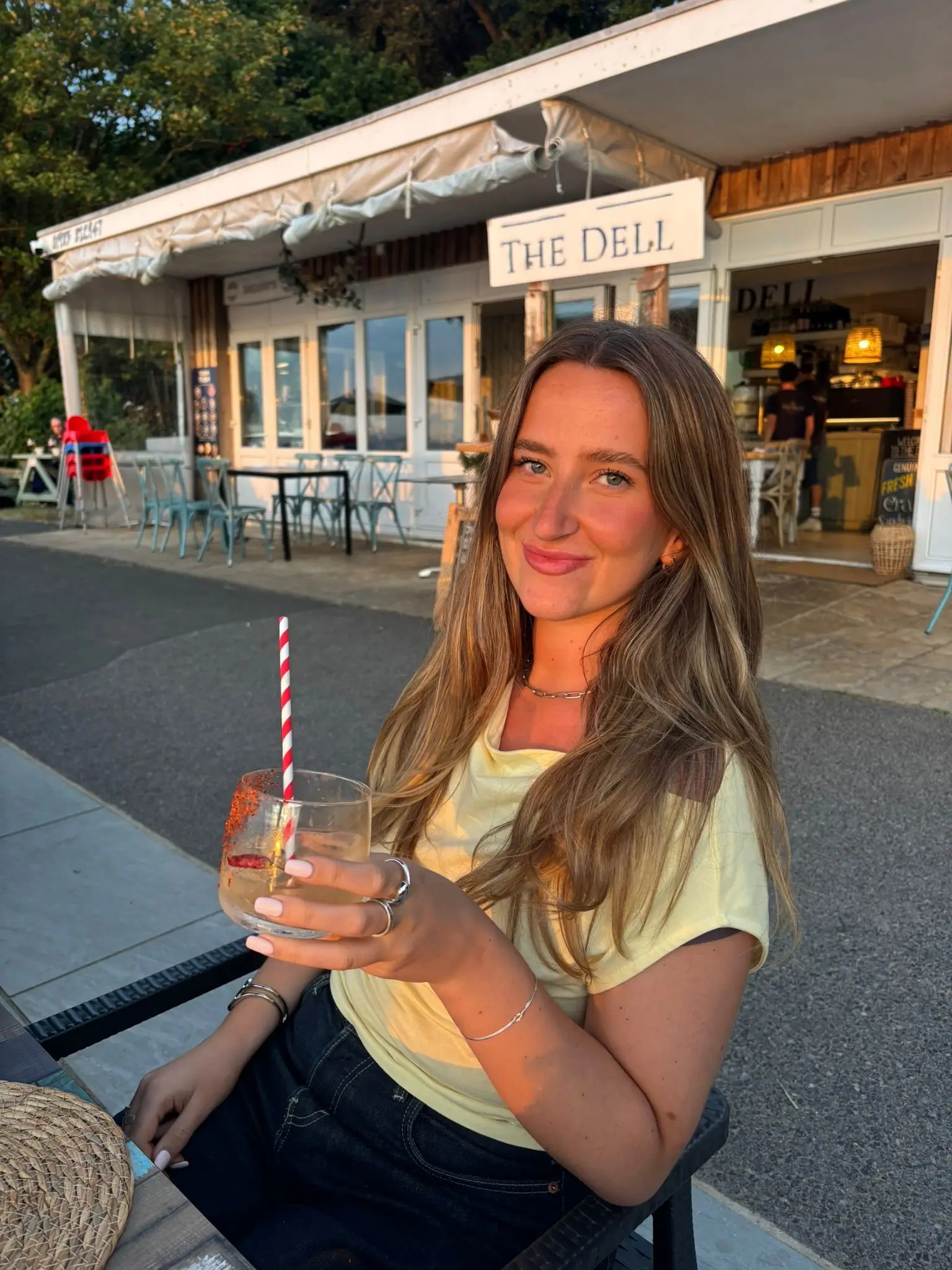
'I’ve been called a ‘nonce’ and told to die'
Molly claimed she felt trapped for years in ‘dark spirals of shame’, adding: “You think you’re a monster, that you don’t deserve to exist.
“The shame is in how you see yourself. Even years later, that feeling can linger."
"The aftermath of recovery is awful, the shame is still there, just quieter. You have to deal with ongoing feelings."
The 22-year-old said that the turning point for her was ‘externalising’ the thoughts and talking about it, saying: “For years I avoided talking about it, but once I did, it felt like the air cleared.”
While Molly mostly focused on the thousands of messages of people thanking her for speaking out, this hasn’t been the sole reaction.
She said that she had received numerous abusive messages, adding: "I’ve been called a ‘nonce’ and told to die. I had to delete Facebook, and my mum helps manage messages.

"If people understood traditional OCD, they’d see the same patterns in other forms. Reactions can push sufferers further into themselves, and that’s why it’s dangerous.
"Intrusive thoughts can appear suddenly and feel vivid, I could be thinking about breakfast and suddenly imagine being stabbed. OCD sticks - it’s a brain pattern."
"The scariest part is how many people might not be here anymore because of this. I remember thinking I’d be 50 and never escape these thoughts, or I would be dead.
"Always talk to someone, once you understand what it is, you realise it’s not you. It’s OCD."
If you’ve been affected by any of these issues and want to speak to someone in confidence, please don’t suffer alone. Call Samaritans for free on their anonymous 24-hour phone line on 116 123 or contact Harmless by visiting their website https://harmless.org.uk.
Alternatively, the Campaign Against Living Miserably (CALM) is there to support you. They're open from 5pm–midnight, 365 days a year. Their national number is 0800 58 58 58 and they also have a webchat service if you're not comfortable talking on the phone.
Topics: Mental Health, Health, UK News
 Michael Slavin