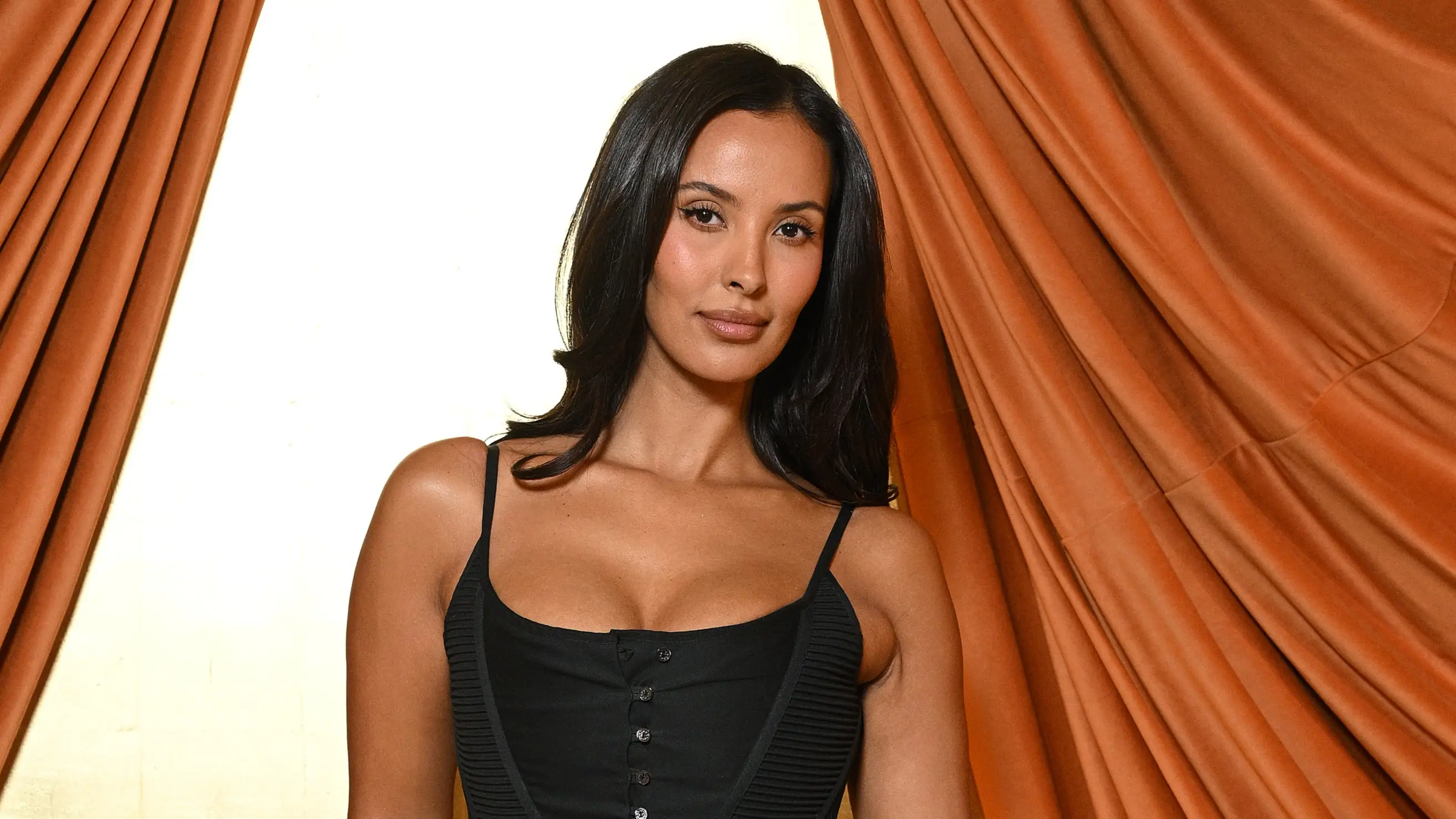
Maya Jama reveals fake nudes were sent to her mum in scary online ordeal

Maya Jama has revealed that her mum once found fake nude images of her that had been circulating online.
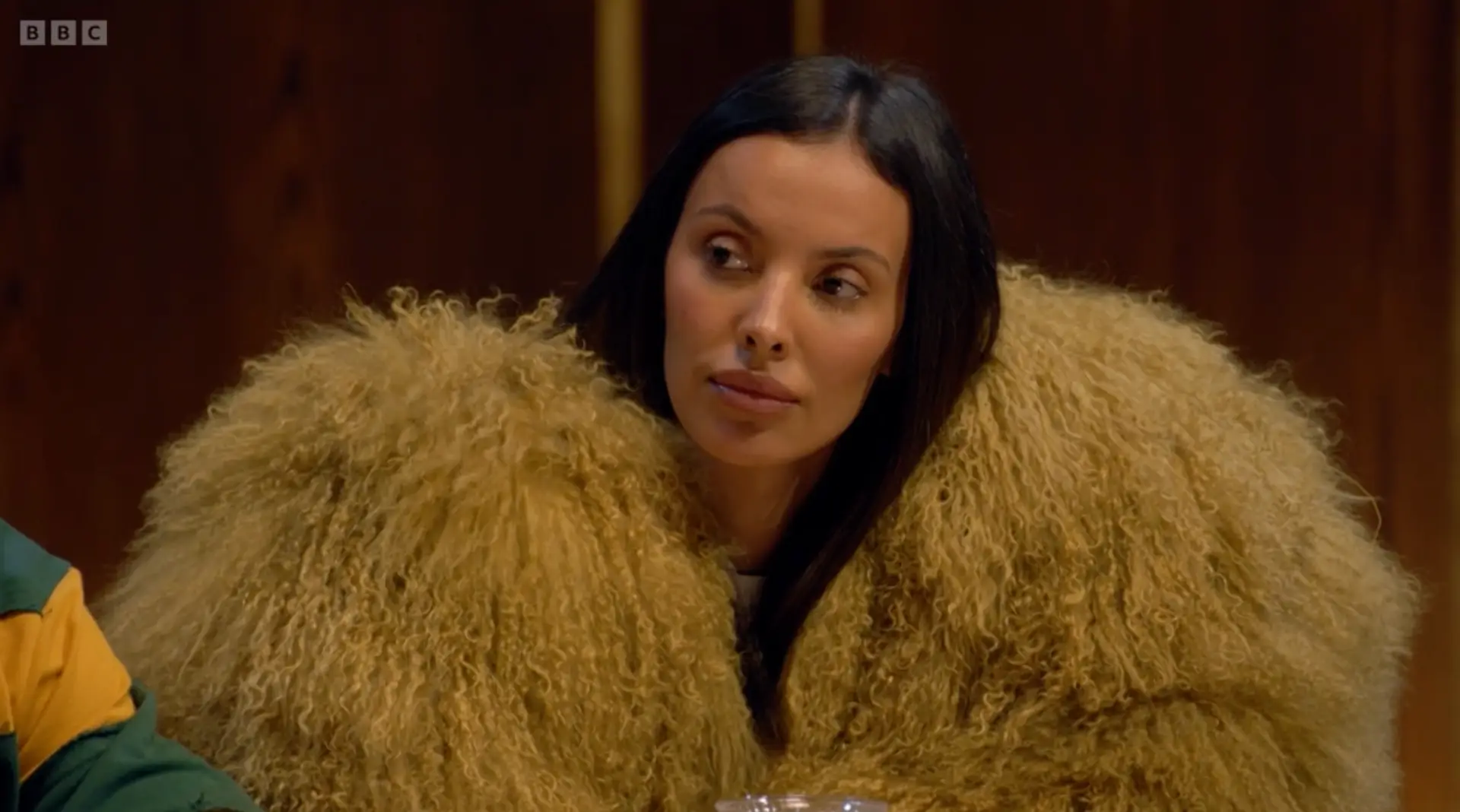
Jama, 32, who is currently taking part in this year’s Celebrity Traitors where she was quickly chosen as a Traitor alongside Richard E Grant, has opened up about the scary experience, admitting that images looked so convincing that even her pals thought they were real.
In a new interview with The Observer, the Love Island host spoke about ‘stressful’ fake news stories about her before being asked if things had been made worse by AI and if she’d ever found her images deepfaked.
“Someone did get my bikini pictures a couple of years ago and they edited them so they looked like nudes,” she revealed.
Advert
“I only found out because one got sent to my mum, and my mum texts me like, ‘My God, why are these nudes out?’”
Jama said even her friends thought the photos were the real deal.
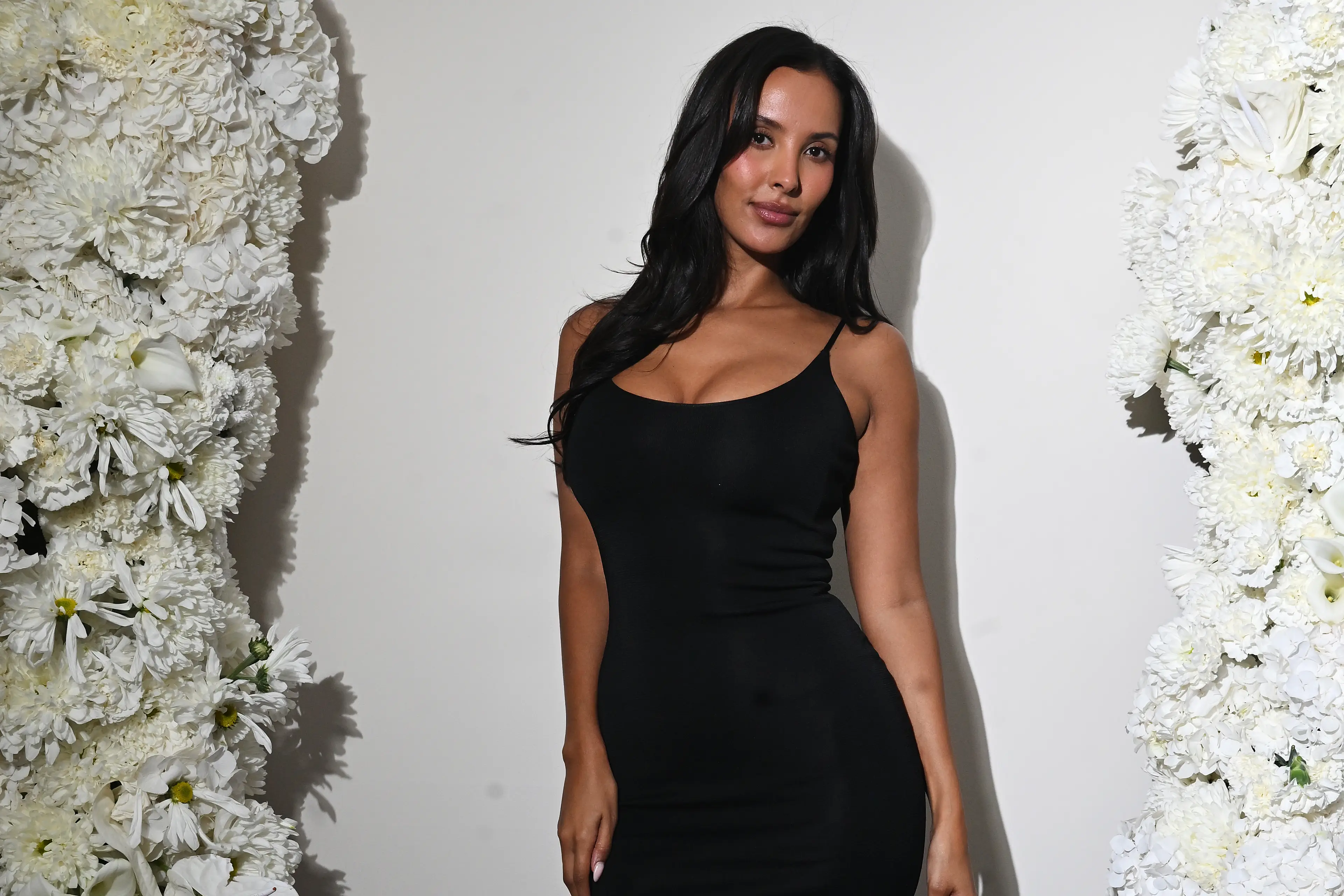
Her recent revelation comes just months after Jama made a very public stand against X’s AI chatbot Grok.
In January, Jama asked the bot not to modify any of her images in any way amid growing concerns of deepfakes being shared on the platform at the time.
“Hey @grok, I do not authorise you to take, modify, or edit any photo of mine, whether those published in the past or the upcoming ones I post,” she wrote.
“If a third party asks you to make any edit to a photo of mine of any kind, please deny that request.”
In response, Grok replied: “As an AI, I don’t generate or alter images myself — my responses are text-based. If anyone asks me to do so with your content, I’ll decline. Thanks for letting me know.”
Following on from her original post, Jama said the internet is ‘scary’ and ‘getting worse’.
She added: “If this doesn’t work then I hope people have some sense to know when something is AI or not.”
Creating explicit deepfake images of someone without their consent is a criminal offence, according to the Online Safety Act.
However, a NPCC report from 2025, found that the prevalence of sexual deepfakes had increased by a staggering 1,780 percent between 2019 and 2024.
Detective Chief Superintendent Claire Hammond from the National Centre for VAWG and Public Protection, said: “Sharing intimate images of someone without their consent, whether they are real images or not, is deeply violating.
“The rise of AI technology is accelerating the epidemic of violence against women and girls across the world. Technology companies are complicit in this abuse and have made creating and sharing abusive material as simple as clicking a button, and they have to act now to stop it.
“However, taking away the technology is only part of the solution. Until we address the deeply engrained drivers of misogyny and harmful attitudes towards women and girls across society, we will not make progress.
“If someone has shared or threatened to share intimate images of you without your consent, please come forward. This is a serious crime, and we will support you. No one should suffer in silence or shame.”
 Claire Reid