
Woman, 61, who took super dose of creatine for 2 weeks shares everything that changed

As plenty of you gym rats will know, creatine is an increasingly popular supplement that’s gone from elite sport to the mainstream.
With proven benefits for many, thousands of studies have been carried out over recent decades as it’s found to be extremely effective in a number of areas.
In fact, the powder is thought to be one of the world’s most researched supplements, becoming an essential part of people’s daily routines. But it’s not just used for that nowadays, with it thought to be particularly beneficial for women.
Creatine aids fitness performance and muscle growth but can also help with cognitive function, PMS symptoms and during pregnancy, postpartum and menopause.
Advert
And so, menopause fitness expert Debra Atkinson, decided to document what happened when she took a super dose of the supplement for two weeks.
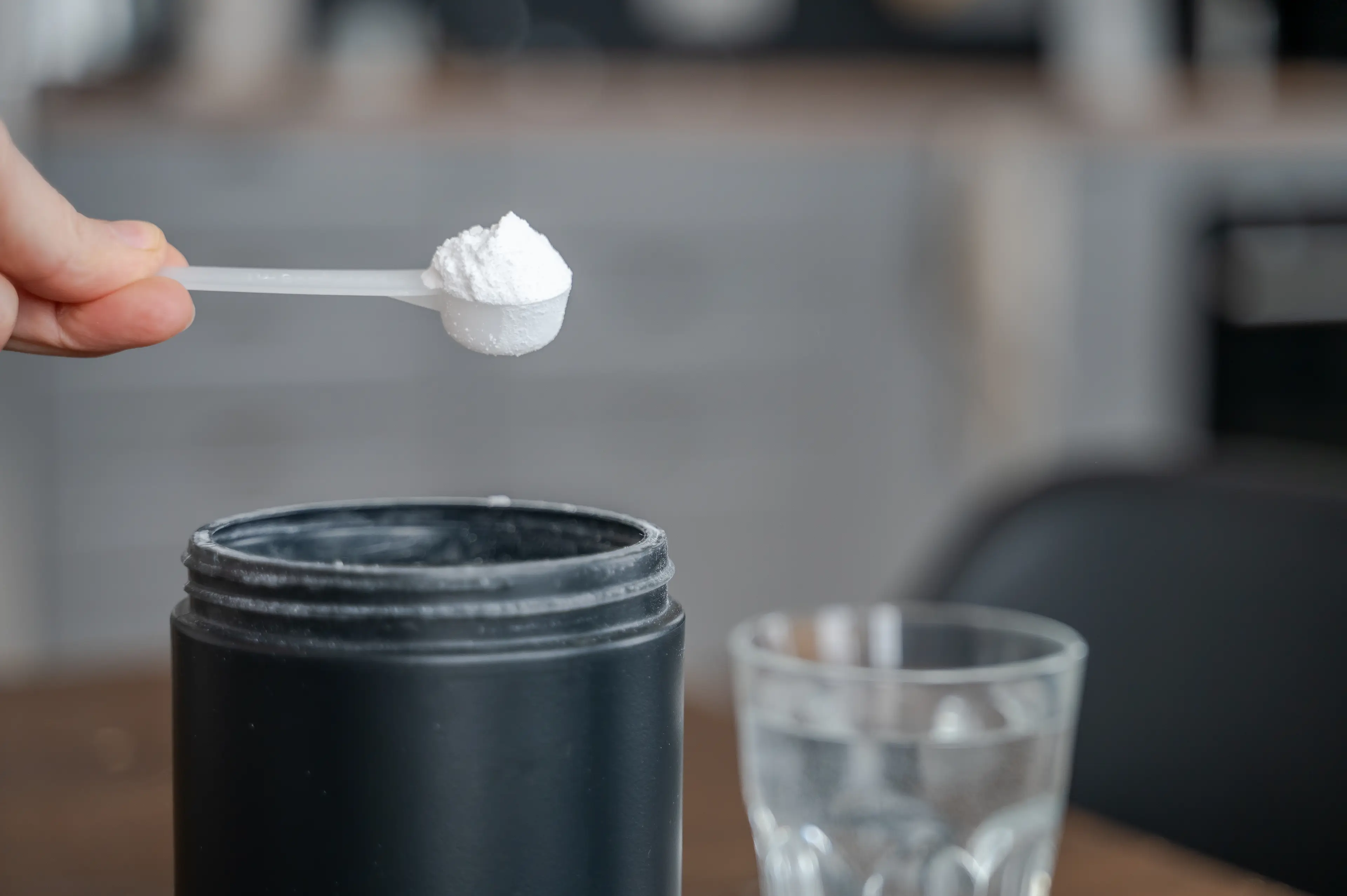
What does creatine do to the body?
Creatine is a natural compound produced in our body and stored in our muscles, helping our cells to produce energy. It fuels that first 10-20 seconds of high-intensity exercise – basically that quick, strong burst of energy when we sprint or lift.
We can get it in red meat and fish but not in the same quantity as if you used a supplement.
Our bodies do only have a very small amount so by adding in extra, we can effectively have more of this energy. Therefore, it improves exercise performance and increases muscle mass and strength.
But it’s also been found to help with short-term memory, mood and focus.
Debra Atkinson’s experience from taking creatine
Also known as Flipping50 on social media, the 61-year-old accidentally started ‘super-dosing’ when she took samples of creatine at a conference.
“So, I was doing about three times [around 21-24g] the normal dose [around 5g],” she explained on YouTube.
Atkinson had used creatine in the past but now, five years post-menopause, she’s had another whack at it.
Cognitive impact and energy
She found that she was no longer ‘losing my attention span later in the day’ and was instead able to be ‘attentive and focused’.
No longer ‘losing my train of thought’, Atkinson also found she wasn’t ‘exhausted at the end of the day’.
“I realised, okay, this works,” she explained. “And I was focusing better. I was not sleep deprived.”
Migraines
Travelling a fair bit, Atkinson explained she ‘easily’ gets headaches.
“I had a major headache and migraine – and I get them every so often,” she said. “And a lot of women in midlife menopause and beyond tend to get them more than they ever did, maybe for the first time in their lives.”
However, she believes that by ‘upping’ her creatine, she was able to ‘decrease my risk of migraines’.
Research does suggest that creatine may help with migraines by improving brain energy metabolism and potentially reducing the frequency of headaches. But it’s important to note this is based on Atkinson’s personal experience, not scientific evidence.
Body composition
Atkinson says that in her two-weeks of super-dosing, she didn’t see any visible changes but this wasn’t a surprise to her.
The fitness expert regularly strength trains and has used supplements for several years, and as she adds that she is already ‘closer to the end goal’, it would be unlikely to see any visible muscle growth in this amount of time.
Should creatine be taken before or after a workout?
Basically, creatine is not actually a pre no post-workout supplement.
Instead, it’s important to be consistent with your use.
Strength and conditioning coach Andy Vincent told Women’s Health: “The aim is to saturate all of your body’s creatine stores, so as long as you take it every day (at any time), you will reap the rewards.”
It’s recommended to take 3-5g daily and can be split throughout the day if preferred.
“Start on the lower end of the scale if you’re petite and go higher if you’re an advanced trainer. It’s also recommended that vegans and vegetarians start at the higher end of the dosage range to get the most performance benefits,” Vincent explained.
And Dr Stacy Sims, female physiologist and nutrition scientist added: “This is the ideal dosage proven to improve performance, brain health, bioenergetics and gut health, without any risk of bloating or gut issues.”

How long does it take for creatine to work?
Unsurprisingly, it doesn’t’ work overnight, your muscles need time to absorb and store it.
It’s said that most people start to notice changes after around three to four weeks of daily use.
Boots Pharmacy suggests that within the first week, your muscles will begin to absorb and store the creatine. In week two, your energy may start to feel steadier during short, high-intensity exercise. And in weeks three to four, muscles should reach their storage capacity and changes may begin to be felt.
Of course, there are a number of possible side effects of creatine including upset stomach and weight gain (as your muscles can be caused to retain water).
It’s best to not overdo it, stick to the recommended dosages and avoid products blended with a big list of other ingredients.
Topics: Health
 Jess Battison