
Doctor reveals the unexpected summer dangers hiding in the UK - and how to treat every single one

Longer days, beer gardens and beach trips are some of the best parts of UK summer, but the warmer weather also brings a few less welcome visitors.
From mosquitoes sneaking into your bedroom at night to venomous fish hiding beneath the sand, there are plenty of seasonal hazards that can leave you itchy and sore.
Appearing on This Morning, Dr Zoe Williams revealed the common insects and animals Brits are more likely to encounter during the hotter months, along with her advice on how to treat bites and stings when they happen.
“When it's hot, we're just more likely to come into contact with these things,” Dr Zoe Williams told viewers on This Morning. “We're coming into contact with them more, and we're covering our skin less.”
Advert
“We're going to where they live, insects are more active, and also, we've got our windows open at night so mosquitoes and things can come in our room and bite us whilst we sleep."
Here's what to look out for this summer and how to treat insect bites and stings if you end up on the receiving end.
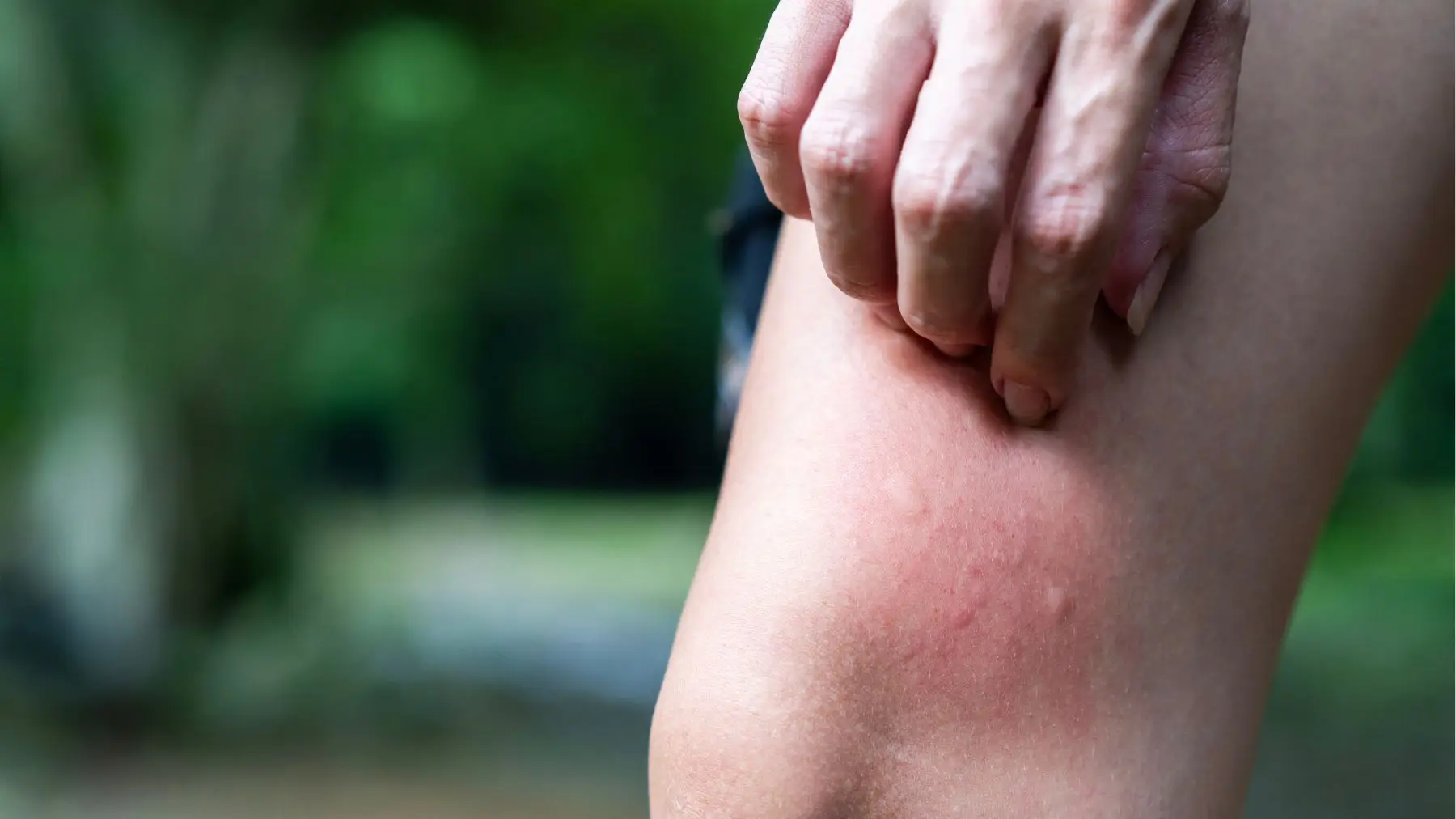
Mosquitoes
Many people associate mosquitoes with tropical holidays, but they are very much present in the UK.
“Some people think we don't have mosquitoes in the UK, but we do and we have for a long time,” Dr Zoe said.
While UK mosquitoes aren't known for transmitting serious tropical diseases, their bites can still be incredibly irritating. Depending on how sensitive you are to mosquito saliva, a bite can range from a small itchy bump to a large swollen blister.
If you're wondering how to treat insect bites caused by mosquitoes, Dr Zoe recommends thinking of them as an open wound.
“If you are bitten by a mosquito, treat it as an open wound. Clean it, dry it, cool it with a cold compress, think about covering it with a small plaster if it's going to stop you scratching it and contaminating it with your fingers.”
Instant Ice Pack, 50 Pack
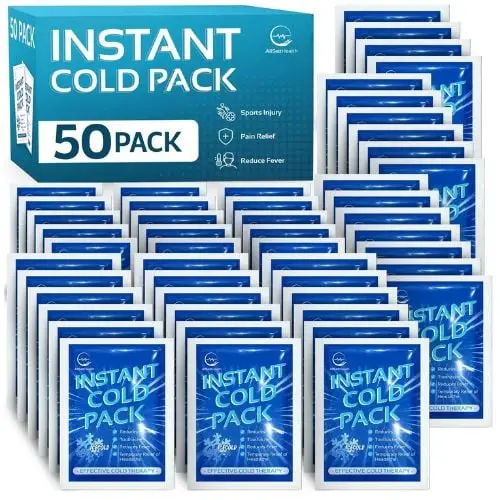
£34.95
This is where products such as cooling gels, bite relief creams and cold packs come in handy. Keeping your mosquito bite clean and avoiding scratching can also help reduce the risk of infection.
Anthisan Bite & Sting Cream
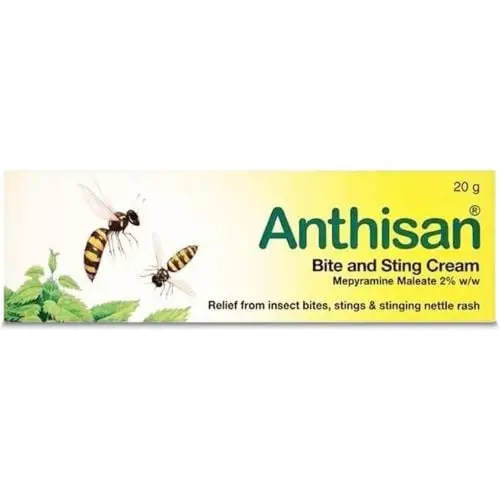
£4.40
She also mentioned that small pimple patches can help with treating bites and stings as they contain hydrocolloid.
She dismissed claims that these pimple patches can somehow 'draw out' a sting, but they will absorb the wound fluid.
Dr Zoe said while they don't actually remove venom or anything else from the wound, they can be useful for covering a bite and preventing scratching.
Rael Pimple Patches, Invisible Spot Covers
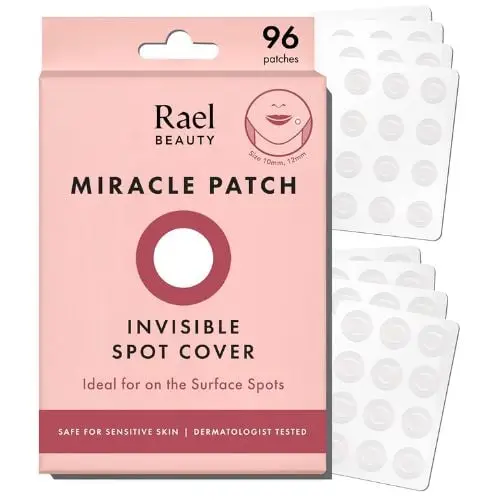
£15.99
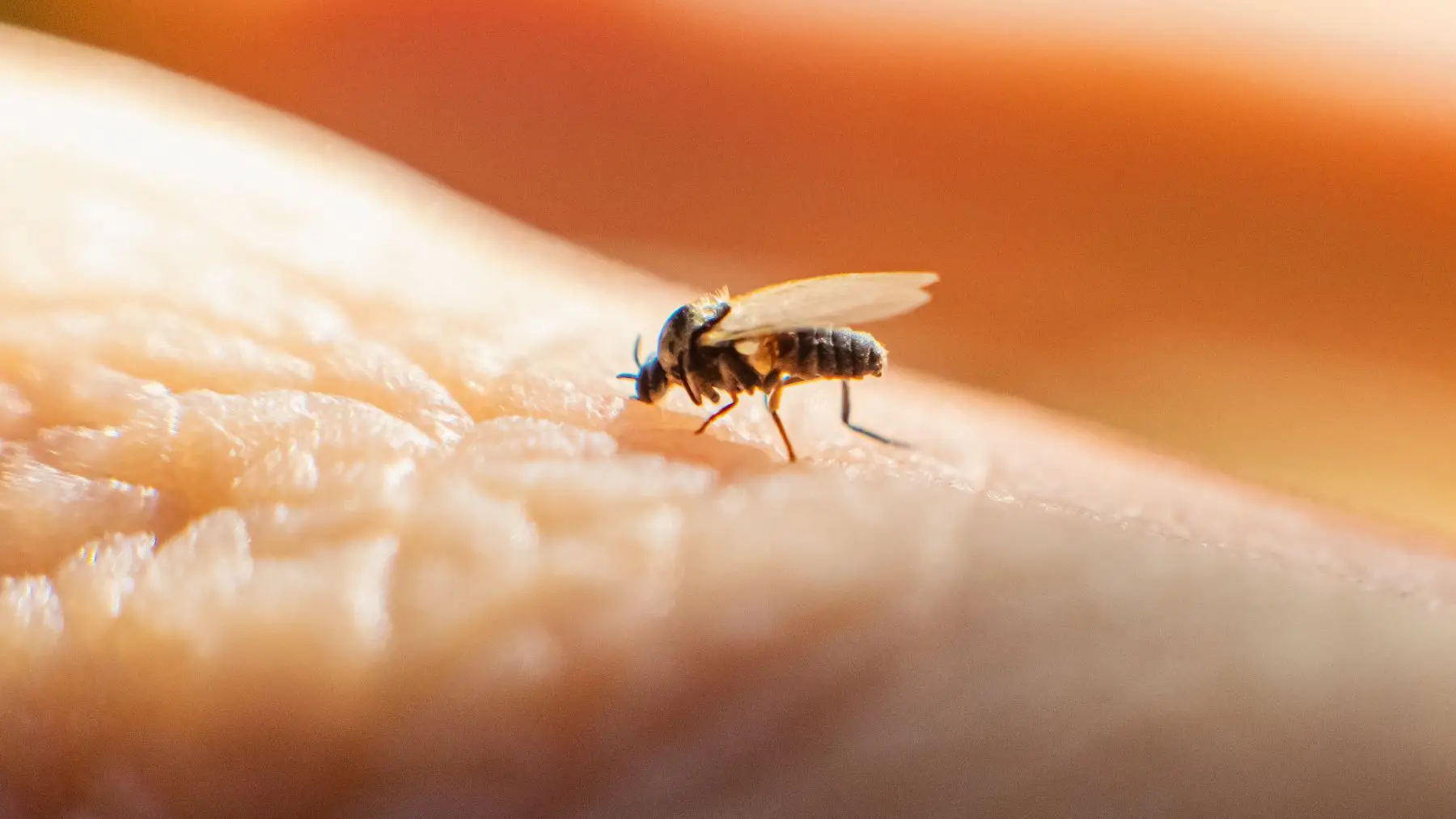 A midge bite is similar to a mosquito (Iiievgeniy/Getty Images)
Midges
Anyone who's spent time near lakes, rivers or damp countryside during summer will probably have encountered midges.
“There are so many of them altogether,” Dr Zoe explained. “Not every species bites, but similar to a mosquito bite, they inject you with this saliva that numbs the skin so they can get away with it, but also it thins the blood so they can get a better feed, and that is what we react to.”
The symptoms are similar to mosquito bites, with itching, redness and irritation being the most common complaints.
Dr Zoe recommends treating midge bites in much the same way: keep the area clean, cool it down and avoid scratching.
“You can take an antihistamine, you can use a mild steroid cream that you can get over the counter, or you can use an antihistamine cream, and there is a cooling spray as well.”
Piriteze Hayfever & Allergy Antihistamine Tablets, 30 Pack
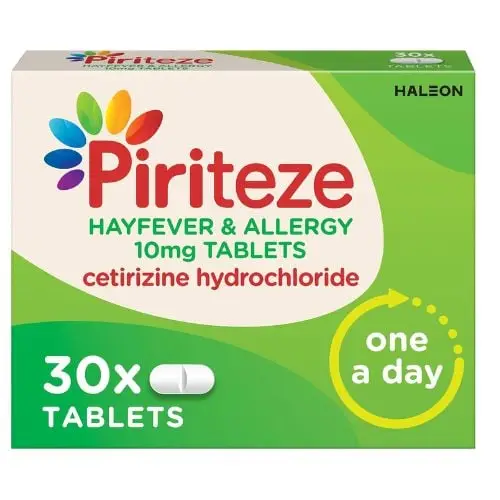
£5.85
Xpel Bug Cooling Pump Spray
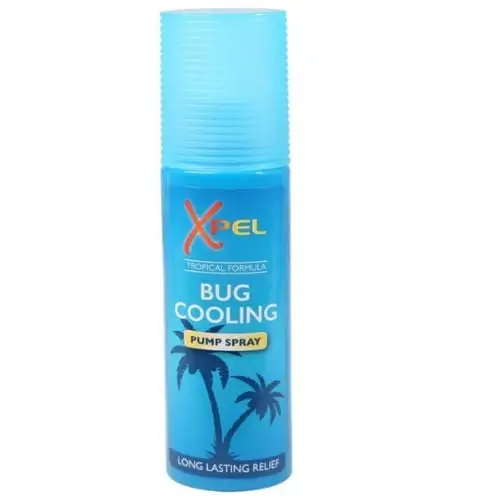
£4.79
Dr Zoe also pointed to some of the bite-relief gadgets that have gone viral online in recent years, including devices that use heat or a small electrical pulse on the skin.
heat it - Smartphone-Powered Insect Bite Healer
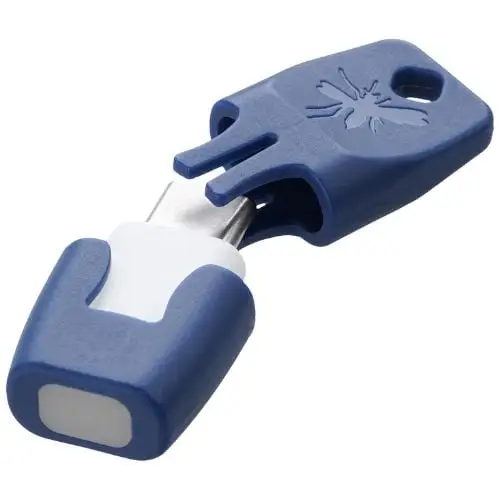
£24.95
They won't magically get rid of the bite, but they're designed to distract your brain from the itch for a while, which could be welcome news if you've ever spent an entire evening trying not to scratch a midge bite.
Ticks
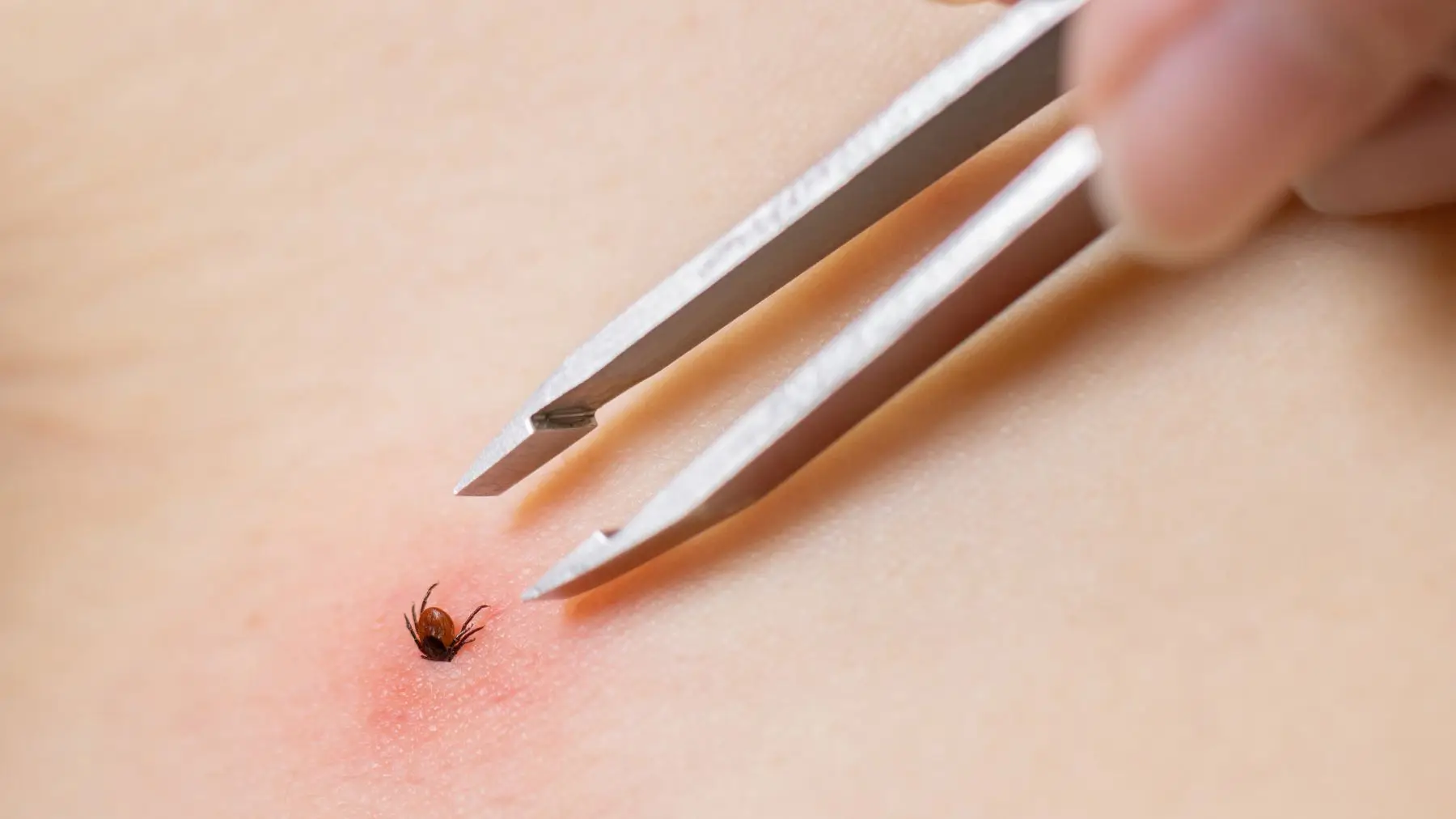
Unlike mosquitoes and midges, ticks aren't just annoying. They can potentially carry Lyme disease and have implications for your health long-term.
“It's always important to think about ticks, because ticks can transport Lyme disease,” Dr Zoe said. “They tend to be in woodland grassy areas, so if you've been out for a walk, it's really important to just check yourself and your animals.”
Ticks often attach themselves in hidden areas of the body, including behind the ears, around the hairline and in skin folds.
According to Dr Zoe, speed matters when it comes to removal.
“The key thing is the longer they are attached to you the more likely they are to transmit the Lyme disease, so you want to remove it as soon as you can properly.”
Rather than trying to pull one off with your fingers, she recommends using a dedicated tick remover or a pair of fine, long tweezers.
Lifesystems Tick Tweezers
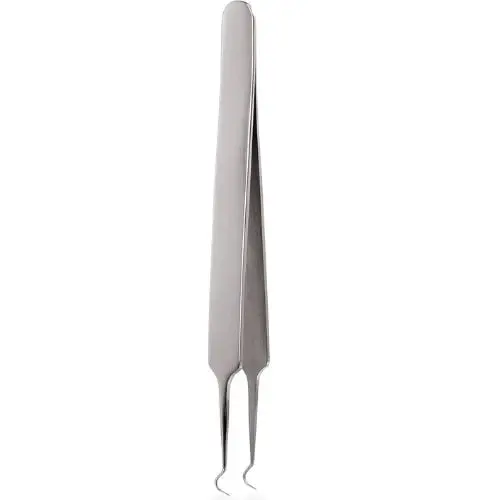
£3.97 (was £5.99)
“You don't want to squeeze its body because you can squeeze the saliva in and increase the likelihood of Lyme disease. You want to remove its whole body.”
After removal, keep an eye on the area for up to 30 days. Symptoms such as fatigue, headaches, muscle aches, or a spreading bullseye-shaped rash should be looked at by a healthcare professional.
For anyone spending time hiking, camping or walking through long grass this summer, a tick removal tool is worth keeping in a first aid kit.
Weever fish
One of the most surprising summer dangers isn’t on land at all.
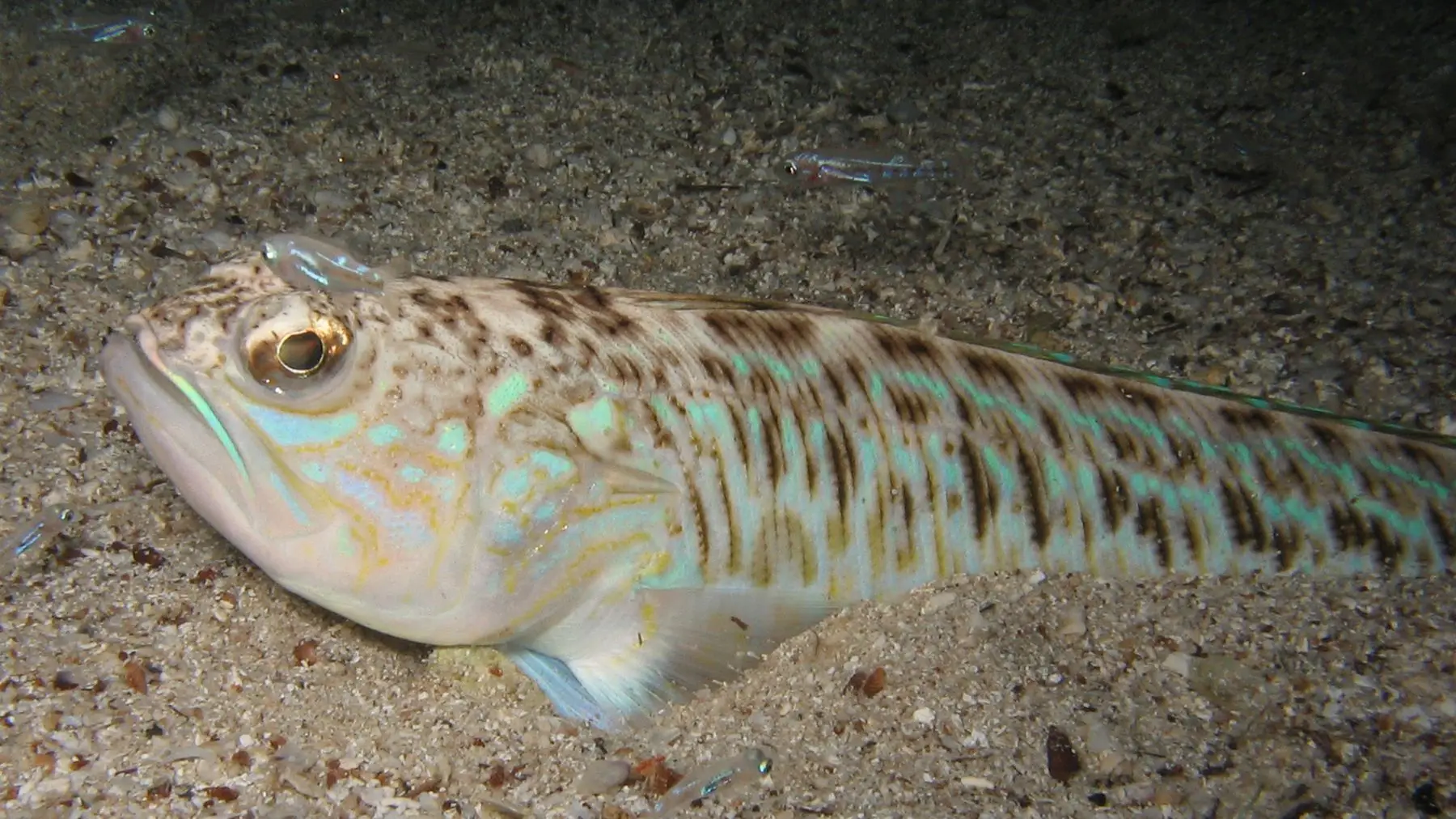
Weever fish are small fish that bury themselves beneath the sand in shallow coastal waters, making them difficult to spot. Unfortunately, they also have venomous spines.
“They're half buried in the sand, and they have these venomous spines, so if you stand on one you can get spined, and it's a very, very painful sting,” Dr Zoe explained.
She believes warming waters may be contributing to more sightings around UK beaches.
If you do get stung, Dr Zoe's advice differs slightly from standard bite treatment.
“The advice is the same: rinse the area with seawater, not fresh water.”
After that, heat is your friend.
“To stop the sting from getting further, you need to soak it in as hot water as you can tolerate, but not scalding.”
Bees, wasps and hornets
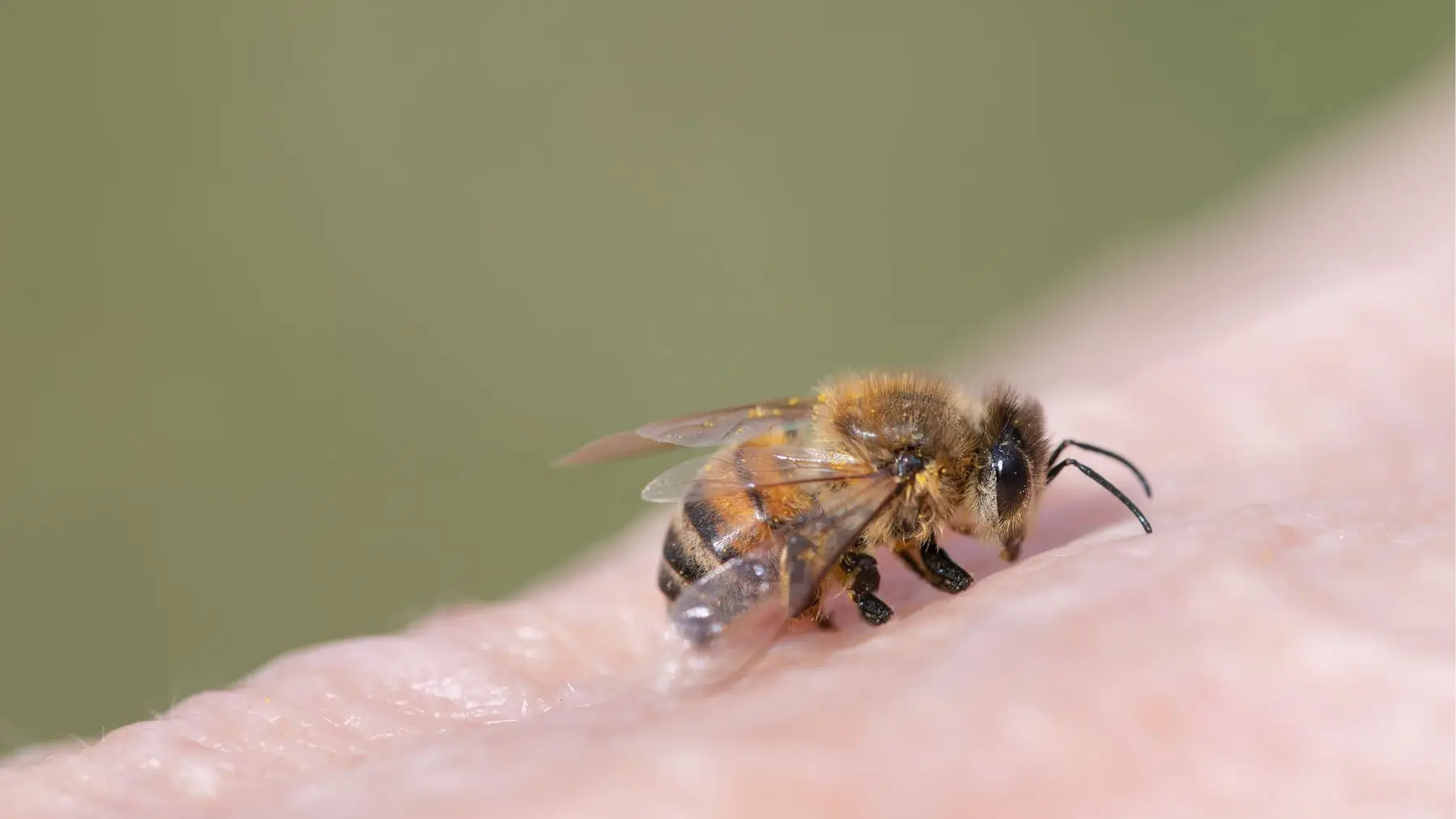
Bee, wasp and hornet stings are another common summer problem, especially during picnics, barbecues and outdoor events.
The most important thing is to remove any visible stinger correctly.
“If the stinger is in there you want to scrape, not squeeze,” Dr Zoe said, recommending using something flat such as a bank card to remove it.
Cooling the area afterwards can help reduce swelling and discomfort, while antihistamines may help with itching and inflammation.
For people with a known severe allergy, the advice is much more urgent.
“If people have a severe allergy, encourage them to use their EpiPen and call 999.”
While most stings can be treated at home, any signs of a severe allergic reaction should always be treated as a medical emergency.
How to avoid bites and stings in the first place
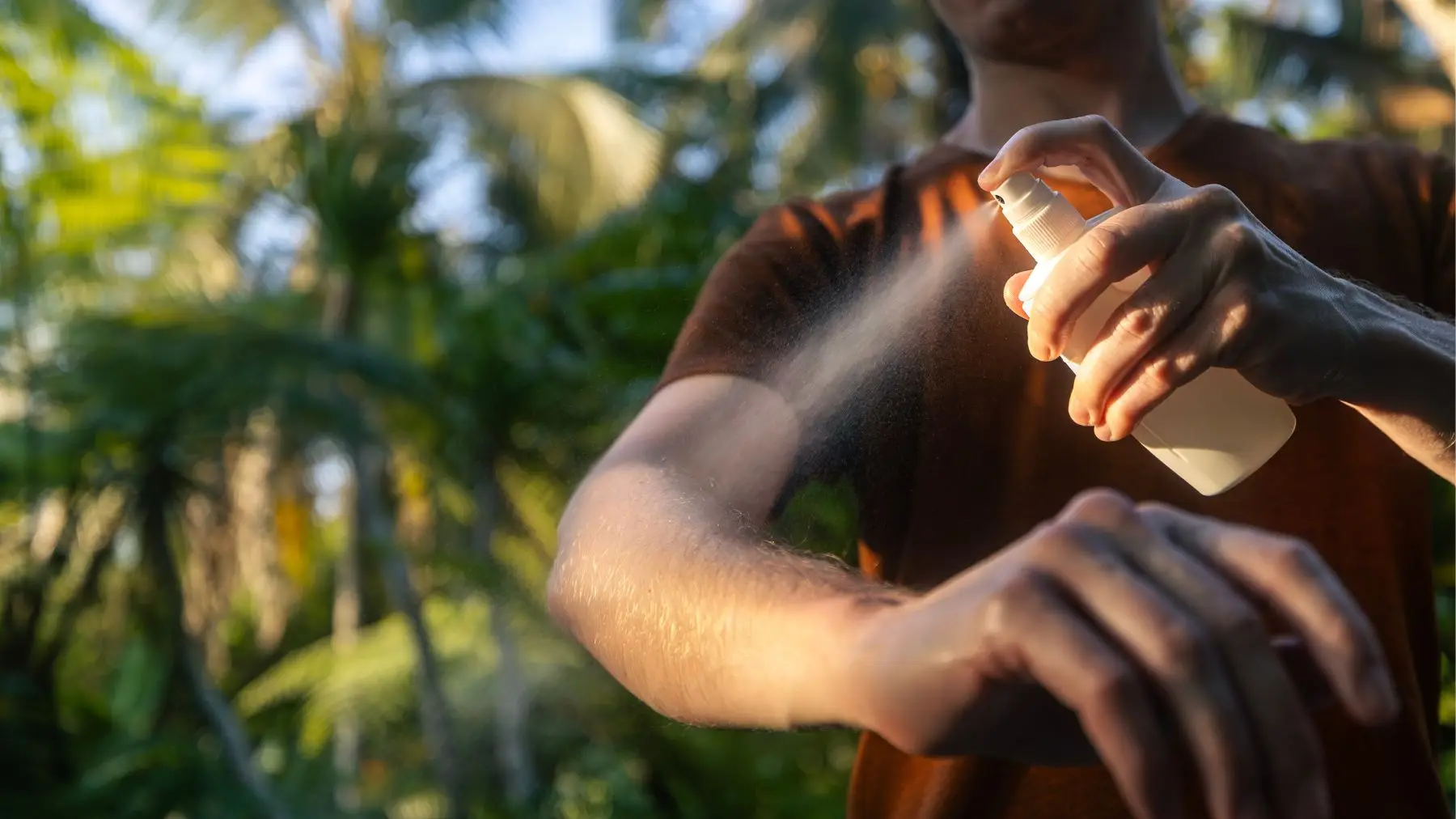
While knowing how to treat insect bites is important, Dr Zoe says prevention is always better than cure.
With insects becoming more active during warmer weather, there are a few simple steps you can take to reduce your chances of being bitten in the first place.
If mosquitoes regularly find their way into your home during summer, Dr Zoe recommended using plug-in insect repellents indoors. She also suggested sleeping with a fan on at night, telling viewers that “having a fan on in your bedroom can stop them”.
Zero In Knockdown Plug-In Insect Repellent Unit
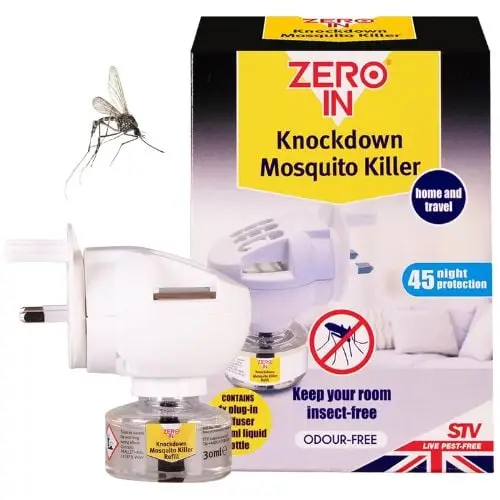
£9.99
If you're spending time outdoors, particularly around woodland, long grass or damp areas where insects thrive, applying an insect repellent before heading out can also help minimise your chances of being bitten.
Jungle Formula Maximum Strength Insect Repellent Aerosol Spray
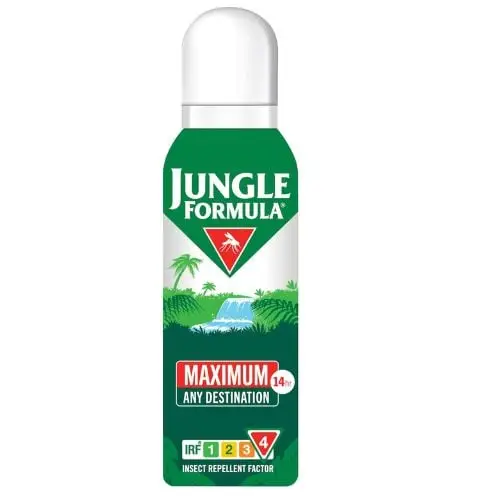
£7.87
It's also worth thinking about what you're wearing. Covering up with lightweight long sleeves and trousers can provide an extra layer of protection, especially during the early morning and evening when many biting insects are at their most active.
A few preventative measures might not be the most exciting part of your summer plans, but they're a lot better than spending your days scratching a bite that's somehow doubled in size overnight.
 Rosie Floyd