Heart doctor issues eight warning signs that you could have heart attack as ‘healthy’ person

Heart attacks can happen to anyone but there are a range of factors that make the risk far greater.
They occur when the blood flow to the heart is blocked and can of course be life threatening with symptoms including chest pain, pale, blue or grey skin and feeling short of breath.
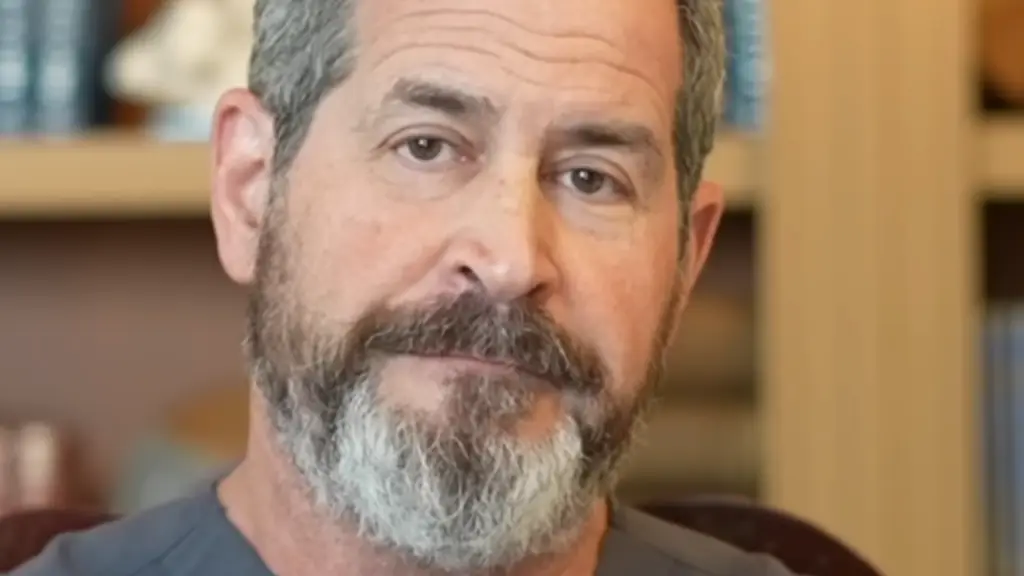
And heart doctor Dr Jeremy London took to YouTube to explain how ‘healthy and fit people’ can still suffer a heart attack.
The ‘board certified cardiovascular surgeon’ spoke about heart attacks that are a result of ‘atherosclerosis’ which is when arteries become narrowed, making it difficult for blood to flow through them. So, essentially, the warning signs he lists refer to the ones relating to ‘blockages as a result of cholesterol’.
Advert
High cholesterol is of course a factor that puts a person at higher risk of a heart attack and it’s recommended to try and keep it at a healthy level.

Of course listing cholesterol, Dr London points out ‘smoking’ as a risk factor as he cites a study that says ’90 percent of heart attacks [analysed] could have been prevented with risk factor modification’.
The British Heart Foundation points out that smoking is ‘very harmful to your heart’.
It explains that the chemicals in cigarettes make the walls of the arteries sticky which cases fatty material to stick to them. Then, it can begin to clog the arteries and reduce the space for blood to flow properly.
Another risk factor listed is ‘stress’.
While this alone won’t cause a heart attack or disease, stress is linked to unhealthy habits that can increase your risk. For example, it can turn you to habits like smoking or eating junk food.
Then the doctor lists a fourth risk factor of a ‘metabolic cluster’ made up of ‘diabetes, high blood pressure, abdominal obesity’ – essentially things that ‘affected your metabolic physiology’.
And as he also lists a ‘large waist size’ as a risk factor, he explains: “If you eat well, if you exercise, if you modulate your stress, if you don’t smoke, you’re at a health weight where your waist to heigh ratio is less than 0.5 than you can mitigate these risks.”

As well as poor diet and lack of exercise, he says poor sleep is also an unhealthy contributor to risk.
The British Heart Foundation also lists sleep as a ‘lesser-known pillar of heart health’.
It explains that getting less than seven hours a night on a regular basis is linked to higher risks of: “Atrial fibrillation (AF), high blood pressure at night and cardiometabolic syndrome that raises the risk of heart disease, stroke and type 2 diabetes.”
And, sleeping over nine hours a night is linked to: “A higher risk of cardiometabolic syndrome, stiffer arteries, stroke or death from heart disease or stroke.”
Regular poor sleep can also send the immune system into ‘overdrive’ which can cause damage to the inside of the arterial walls.
Dr London also lists alcohol as a risk factor. Drinking too much can increase your chance of developing high blood pressure and is also linked to many heart and circulatory conditions. It is recommended not to exceed the maximum weekly limit of 14 units of alcohol and having several alcohol-free days a week.
Ways to reduce your risk of having a heart attack
While you can’t always prevent one, there’s lifestyle changes that you can make to reduce your risk of a heart attack, per the NHS.
· stop smoking
· try to keep your cholesterol at a healthy level
· try to keep your blood pressure at a healthy level
· eat a healthy, balanced diet
· reduce the amount of salt and saturated fat you eat
· try to maintain a healthy weight
· exercise regularly
· cut down on alcohol
If you think you are experiencing a heart attack, call 999. The British Heart Foundation provides information and support for anyone affected by heart conditions, including local and online support services.
You can call the Heart helpline at 080 802 1234.
Always seek medical advice from a healthcare professional if you have any concerns.
Topics: Health
 Jess Battison